 Search


- The Viet Tri Hoa Binh Expressway will connect the two major domestic arteries of Noi Bai Lao Cai and Hoa Binh Son La
- This route aims to connect the two major high-speed trunk lines in China and serve the under construction China Vietnam cross-border railway
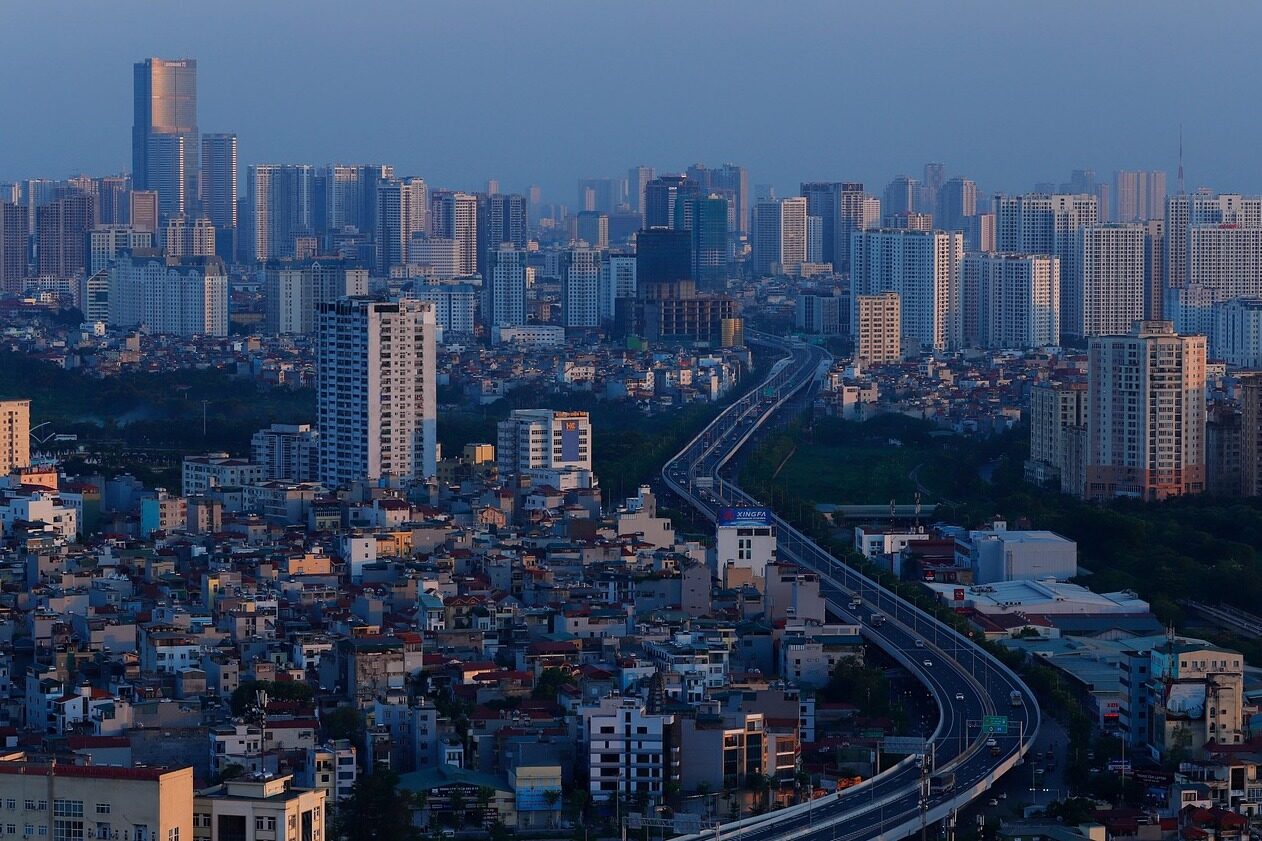
Against the backdrop of accelerating the construction of transportation infrastructure network throughout Vietnam to achieve the grand goal of 3000 kilometers of highways, a 56 kilometer highway project located in the northern hub has attracted much attention due to its unique strategic value. In December 2025, the People's Committee of Phu Tho Province in northern Vietnam officially submitted a proposal to the Prime Minister to approve the Vietnam Tri Hoa Binh Expressway project. This four lane highway, planned to be built between 2026 and 2030 with a total investment of approximately 15.9 trillion Vietnamese dong, is not only a road connecting two cities within the province, but also a key piece of the national transportation strategy chessboard in Vietnam: it will directly connect the Noi Bai Lao Cai highway in the north with the Hoa Binh Son La highway in the southwest, creating a crucial land transportation network for the upcoming Sino Vietnamese cross-border railway project.

Connecting with railway arteries and activating regional economy
The proposal for the Viet Tri Hoa Binh expressway has profound significance as it precisely embeds into the dual strategic trajectory of Vietnam's national development. On the one hand, it directly serves Vietnam's ambitious northern highway network. This route is an important component of the "2021-2030 Highway Network Plan and Towards 2050", aimed at connecting the radiating circle of the capital Hanoi with the mountainous provinces in the northwest. Fushou Province emphasized in the proposal that if the project cannot attract private investment through a public-private partnership model, it will seek 100% national budget support and even request the central budget to establish a special assistance fund of 50%, reflecting the high expectations of the local government for opening up this corridor.
More globally, this highway will form a public rail linkage with a more transformative transportation project. In February 2025, the Vietnamese parliament approved the Lao Cai Hanoi Hai Phong standard gauge railway project with a total investment of approximately 8.4 billion US dollars by a high vote. This railway, planned to be completed by 2030 and connecting Yunnan, China, is a major transportation artery in northern Vietnam. And Fushimi Province is one of the 7 provinces and 2 cities that this railway mainline passes through. The proposed Viet Tri Hoa Binh Expressway will cross the province of Phu Tho from east to west and connect to the hub area along the railway line. This means that in the future, a large amount of goods imported or exported from China to the northwest of Vietnam through railways can be efficiently transported here. Therefore, the project not only serves the local area, but also upgrades to a key infrastructure node that supports international land trade between China and Vietnam and deepens connectivity between the two countries.
Tackling and Challenging under the 3000 kilometer Goal
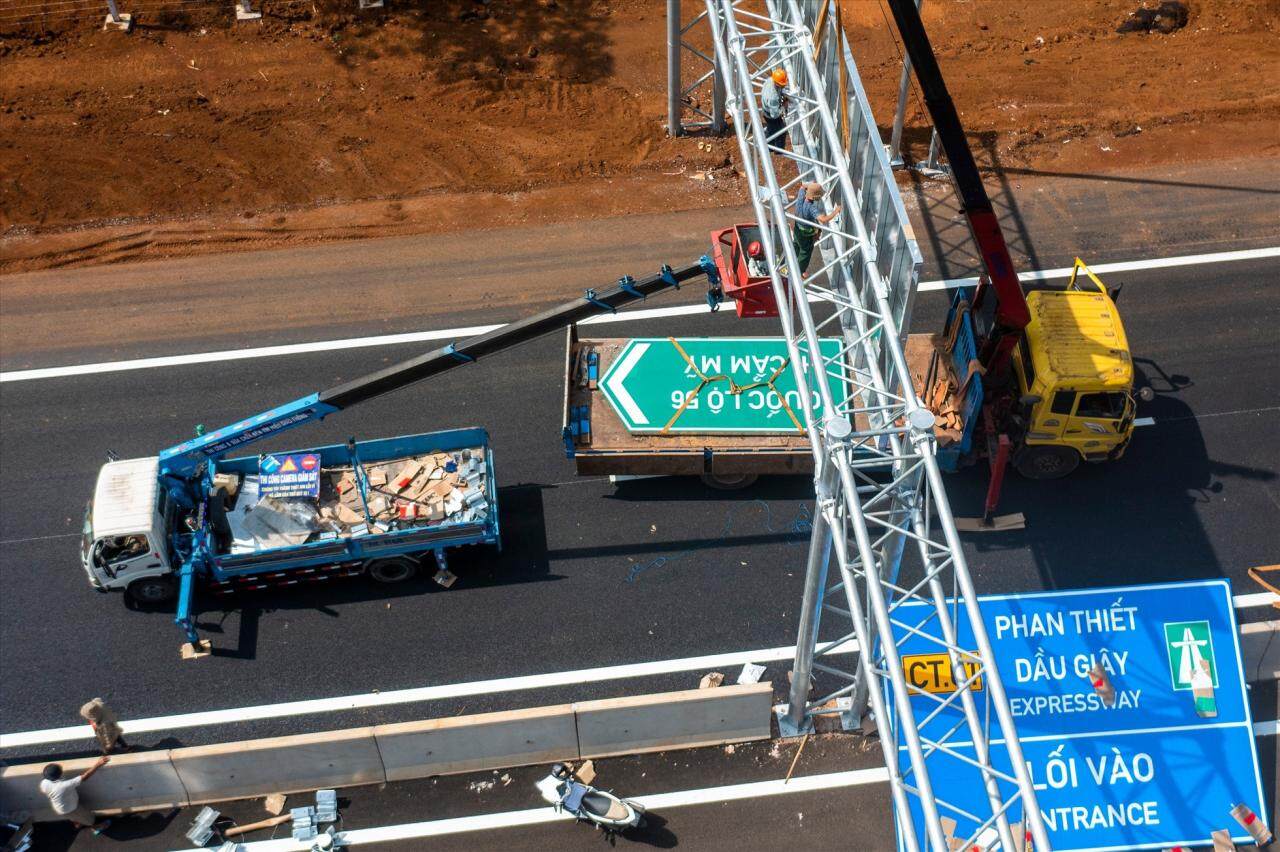
The proposal of the Vietnam Tri Hoa Binh Expressway is a microcosm of the nationwide transportation construction boom in Vietnam. The Vietnamese government has set a clear goal: by 2025, the total length of highways in the country should reach at least 3000 kilometers. To this end, the government has launched a 500 day and night competition to complete the 3000 kilometer highway, and established a high-level inspection team to fully supervise key projects. Currently, 28 highway projects are being simultaneously promoted nationwide.
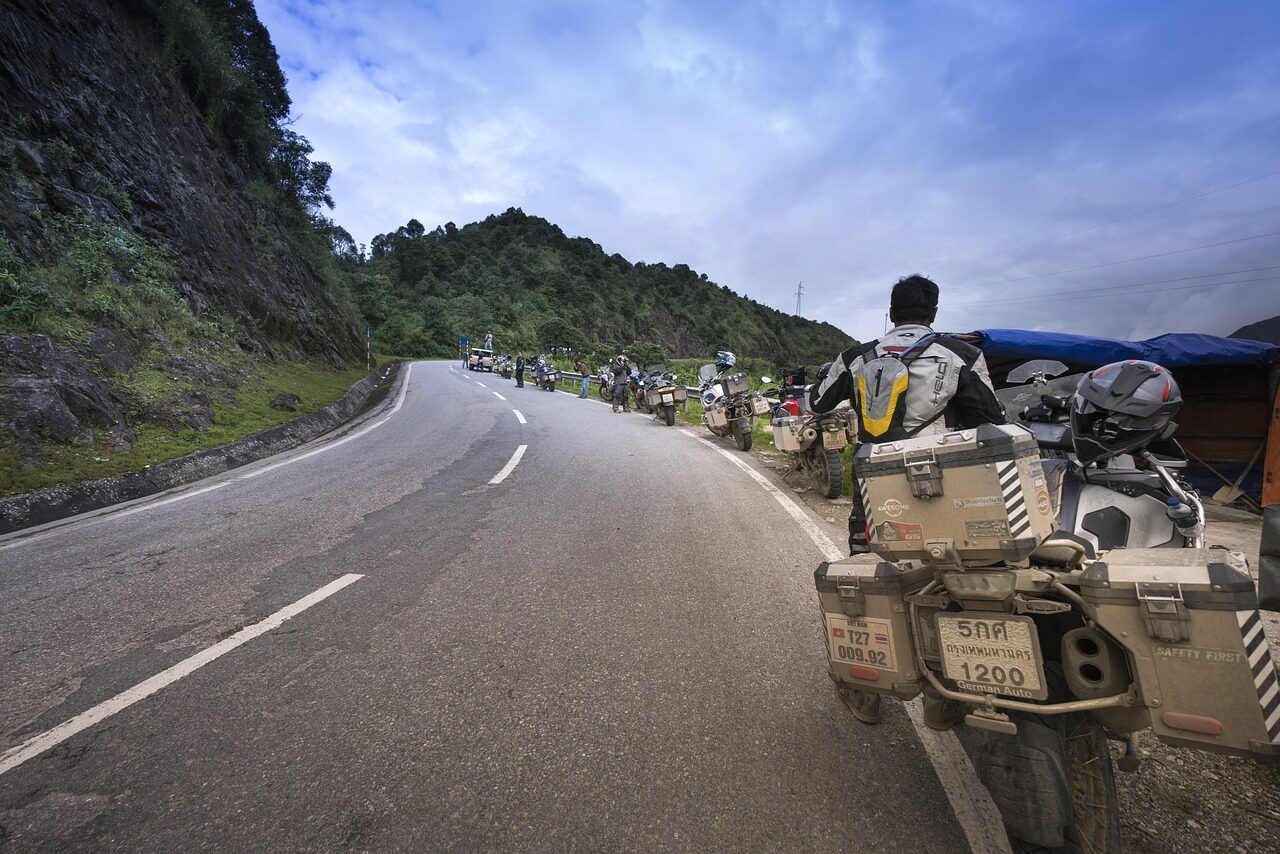
However, challenges coexist under the grand goal. In the adjacent Hele Heping Highway expansion project, procedural issues such as land acquisition and demolition, environmental assessment, and forest land conversion have been proven to be the main obstacles affecting progress. These issues are also universal challenges that the Viet Tri Hoa Binh project must face in the future. In addition, successfully attracting private capital to participate in the PPP model is the core strategy for Vietnam to improve infrastructure efficiency. The flexible investment plan designed by Fushou Province for this project, as well as the proposal to request central funding assistance, reflect the pragmatic attitude of the local government in promoting the implementation of the project under complex conditions. Keywords: Southeast Asian Engineering Information Network
This 56 kilometer highway is a window to observe the logic of Vietnam's infrastructure development. It is connected on one end to the open strategy of integrating the country into the regional economy, and on the other end to the internal demand for developing the northwest hinterland and promoting balanced regional development. When the wheels and rails intersect here, the development rhythm of Tosu Province and even the entire northern region of Vietnam will be redefined. The process will also test Vietnam's ability to coordinate resources and overcome bottlenecks between grand planning and specific implementation.Editor/Cheng Liting
Comment



 Praise
 Collect
 Comment

 Share
Share


Write something~