 Search


- From track renovation to safety fence installation, the Indian Railways is implementing a comprehensive railway upgrade plan
- The rail renewal work of over 7500 kilometers and the purchase of over 1100 new rail machinery in 2026 are driving the transformation of this vast network towards a more efficient and safer future
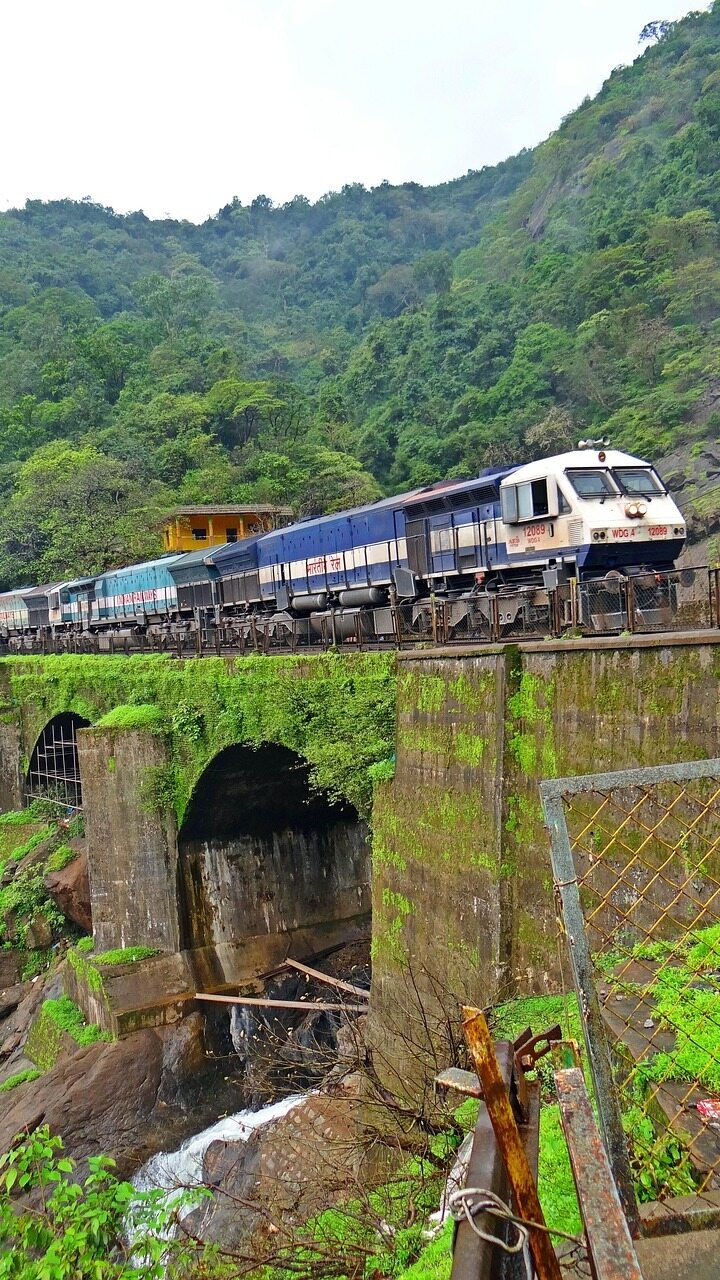
In recent years, as the fourth largest railway transportation enterprise in the world, the Indian Railways has been pushing forward with unprecedented efforts to modernize its infrastructure. The latest data shows that by 2026, the bureau will invest in renovating over 7500 kilometers of rail tracks, aiming to strengthen the overall foundation of the road network and improve operational safety. This update represents a significant increase in scale compared to the 6851 kilometers completed the previous year.
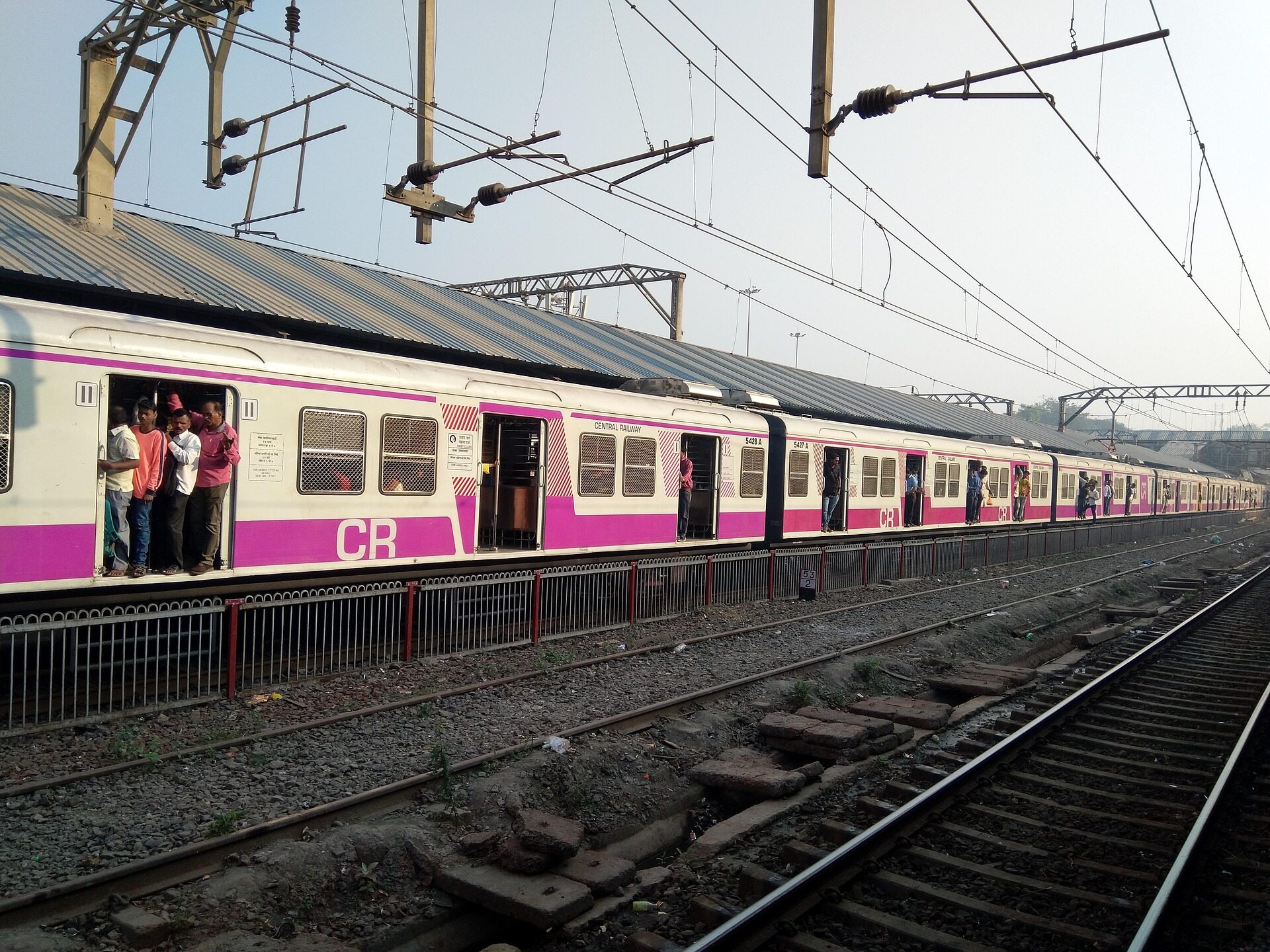
High standard rail network continues to expand
Track renovation is a core measure for Indian railways to strengthen their infrastructure. The renovation work of over 7500 kilometers this time is the result of continuous promotion in recent years. The direct benefits of this large-scale investment are reflected in the rapid expansion of rail networks that can support higher operational standards.
At present, the track length that can support trains with a speed of 110 kilometers per hour or above in the entire railway network has reached 84244 kilometers, an increase of over 168% compared to 31445 kilometers in 2014. The expansion of high-speed networks has laid the physical foundation for improving the transportation capacity and efficiency of the entire road network.
At the same time, key components related to the smoothness and safety of train operation are also being updated synchronously. It is expected that over 8000 thick mesh switches and over 3000 weldable cast manganese steel CMS crossing points will be provided within the year, with a significant increase in supply compared to the previous year's 7161 thick mesh switches and 1704 CMS crossing points.

The updates of these precision components ensure that trains can safely and smoothly switch routes while traveling at high speeds.
Along with the updates of the track and switch, the deep screening of crushed stones, which is crucial for track stability and ride comfort, is also being promoted at a similar scale. The scope of mechanized deep screening currently underway this year exceeds 7500 kilometers, slightly higher than the amount of work completed in the previous year. By updating the gravel foundation, the railway department is committed to improving the long-term stability of the track from the root.
Systematically guarantee network efficiency
Large scale hardware updates require advanced maintenance methods as support. As a result, the Indian railway department has procured over 1100 sets of track machinery equipment since 2014, significantly expanding its mechanized maintenance capabilities.
These devices enable daily inspections, maintenance, and updates of the vast railway network to be completed more quickly and efficiently, thereby transforming infrastructure investment into sustained and reliable operational efficiency.
While improving internal quality, safety measures against external risks are also being strengthened. In order to minimize the threat of common cattle collisions and illegal intrusion on high-speed trains in India, the railway department has prioritized the installation of safety fences along the route.
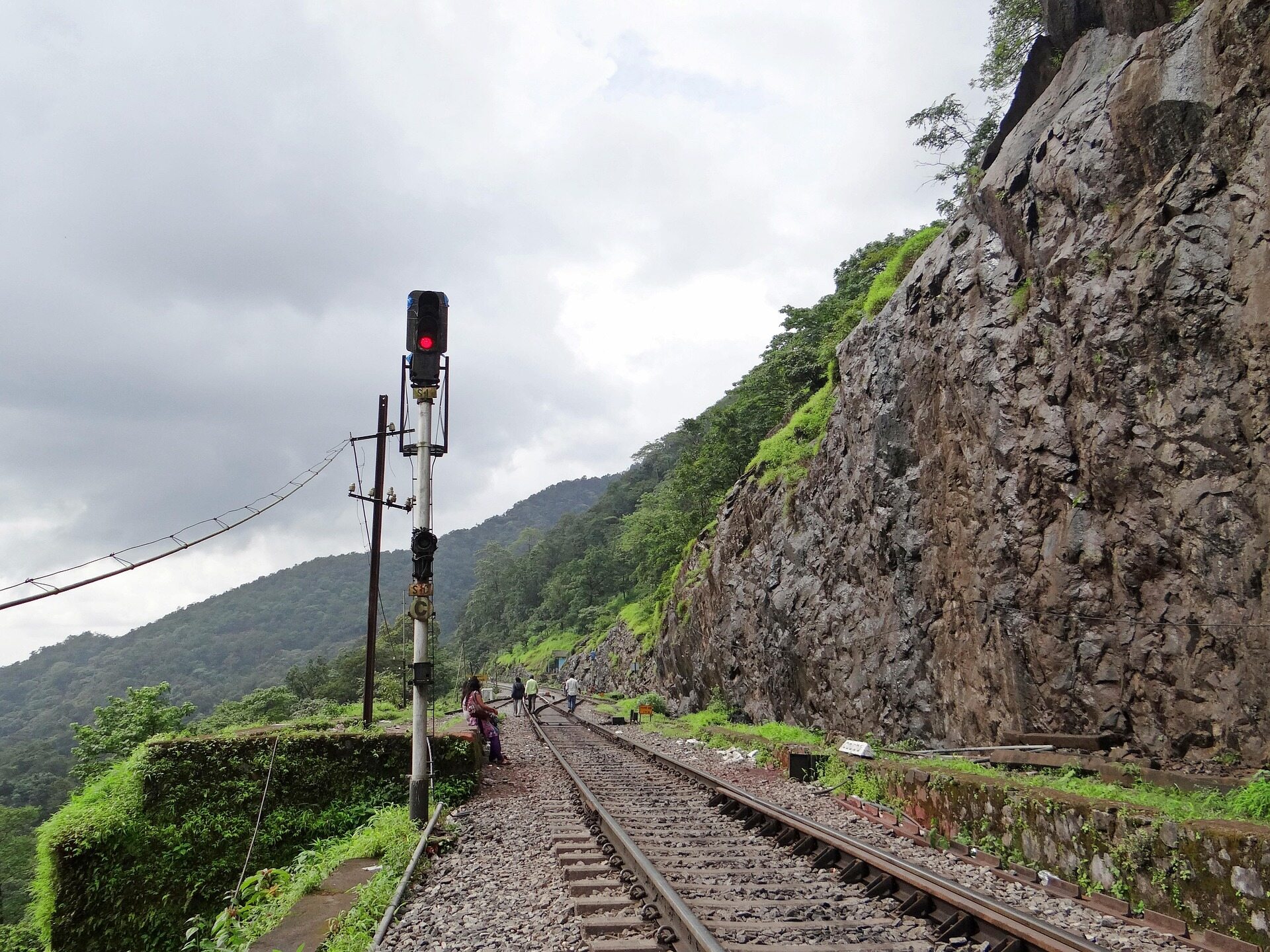
Up to now, about 15000 kilometers of fences have been laid on sections where the train speed exceeds 110 kilometers per hour, directly improving the safety of these critical sections and creating conditions for the sustained high-speed and safe operation of trains. Keywords: Southeast Asian Engineering Information Network, Transportation Construction
Indian railways are systematically reshaping their physical foundation through year after year large-scale track renovations, replacement of critical components, deep screening, and improved mechanized maintenance capabilities. In conjunction with the addition of external security fences, this series of measures collectively aim to expand the coverage of the highway network while building a safer, more reliable, and efficient modern railway transportation system to support India's growing economic and social development needs.Editor/Cheng Liting
Comment





 Praise
 Collect
 Comment

 Share
Share


Write something~