 Search


- China Power Construction Corporation has made key progress in its large-scale wind power project in Egypt
- The larger 1.1 GW project has a contract value of approximately 850 million US dollars and is expected to generate over 4.3 billion kilowatt
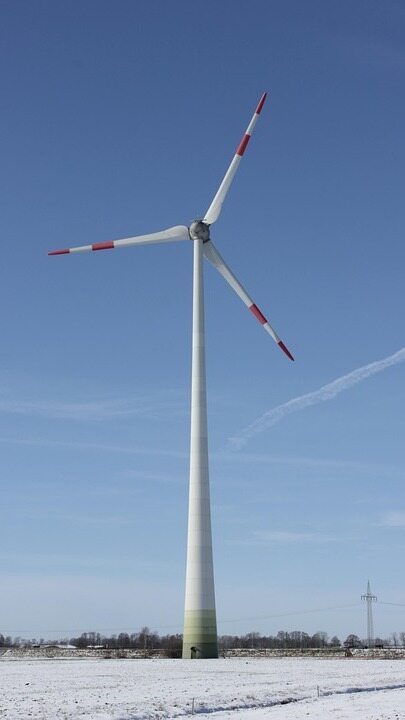
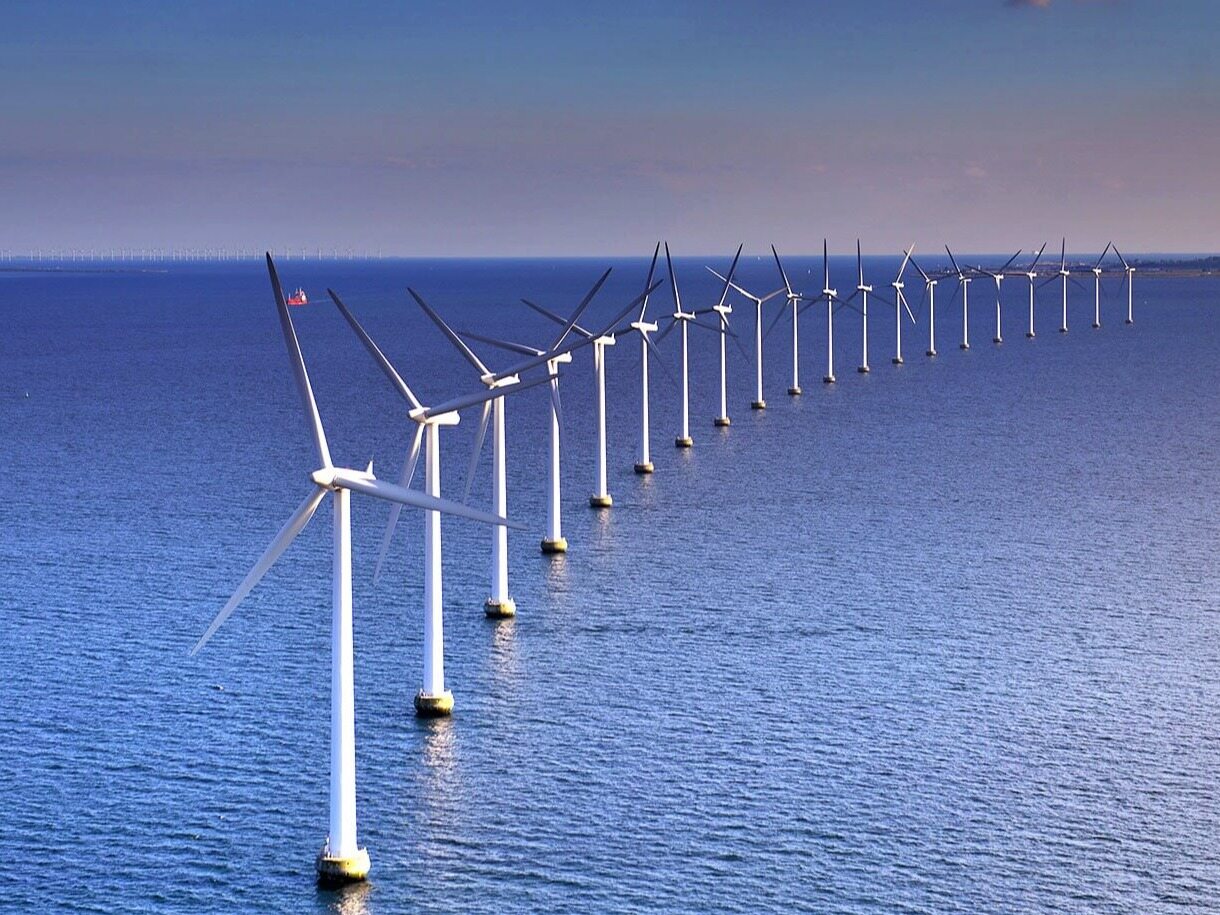
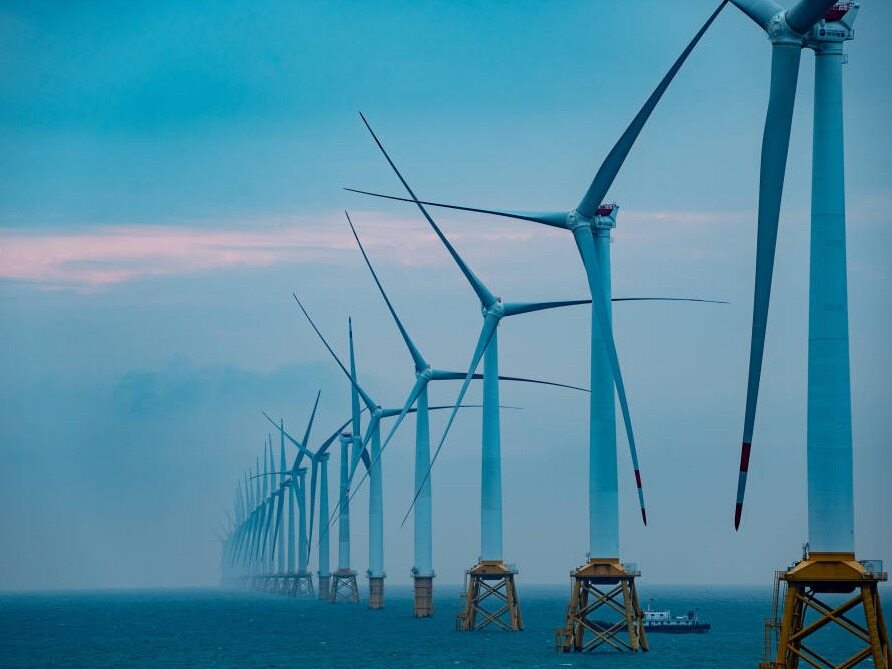
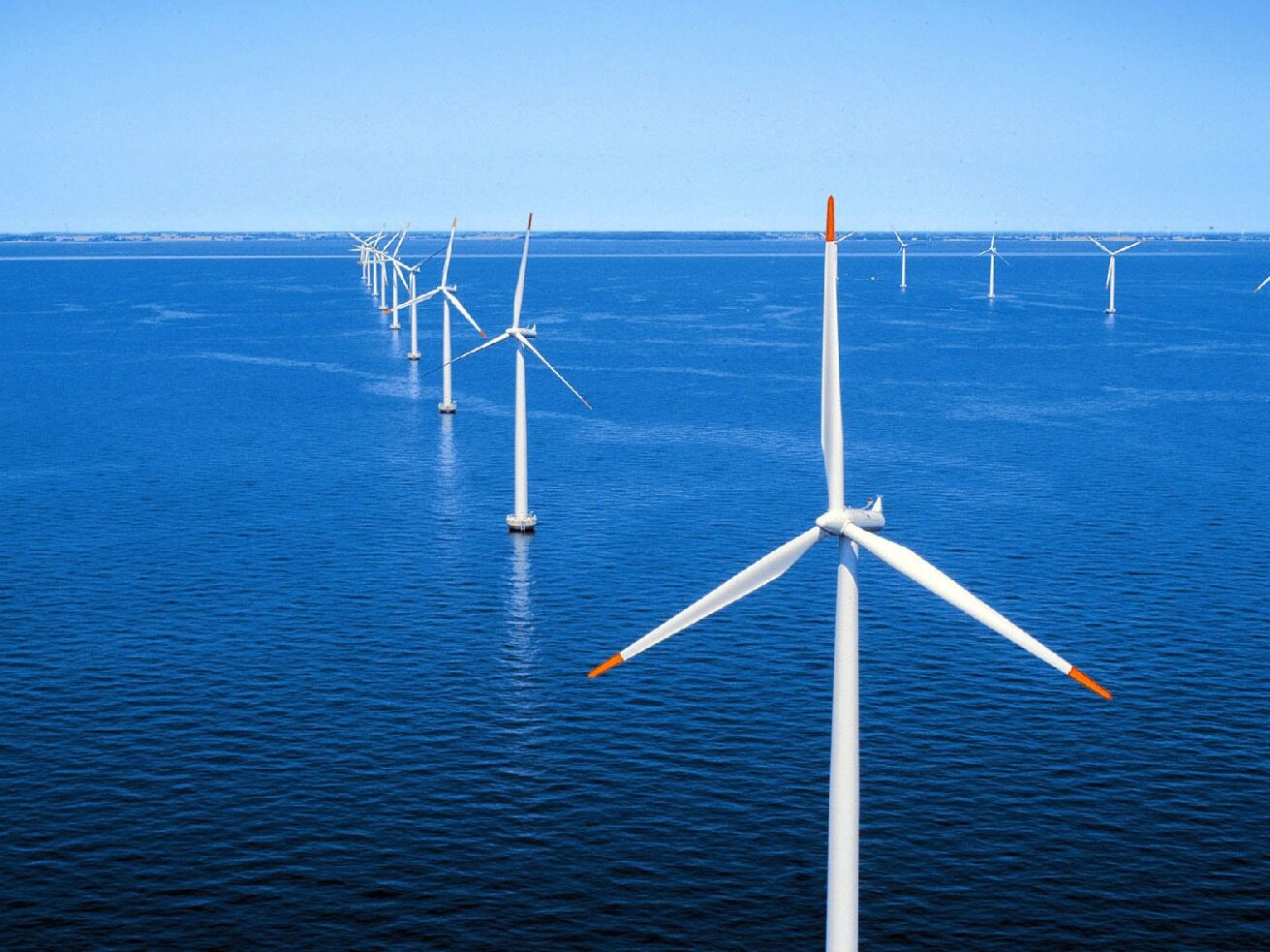
In the Gulf of Suez along the Red Sea coast of Egypt, strong sea winds are driving a profound energy revolution. A series of large-scale wind power projects, in which China Power Construction Group (PowerChina) is deeply involved, are accelerating their construction. This not only injects strong impetus into Egypt's national energy transformation goals, but also demonstrates China's mature ability to go global with green infrastructure and high-end manufacturing systems through large-scale engineering practices.
Scale up practice from 200 MW to 1.1 GW
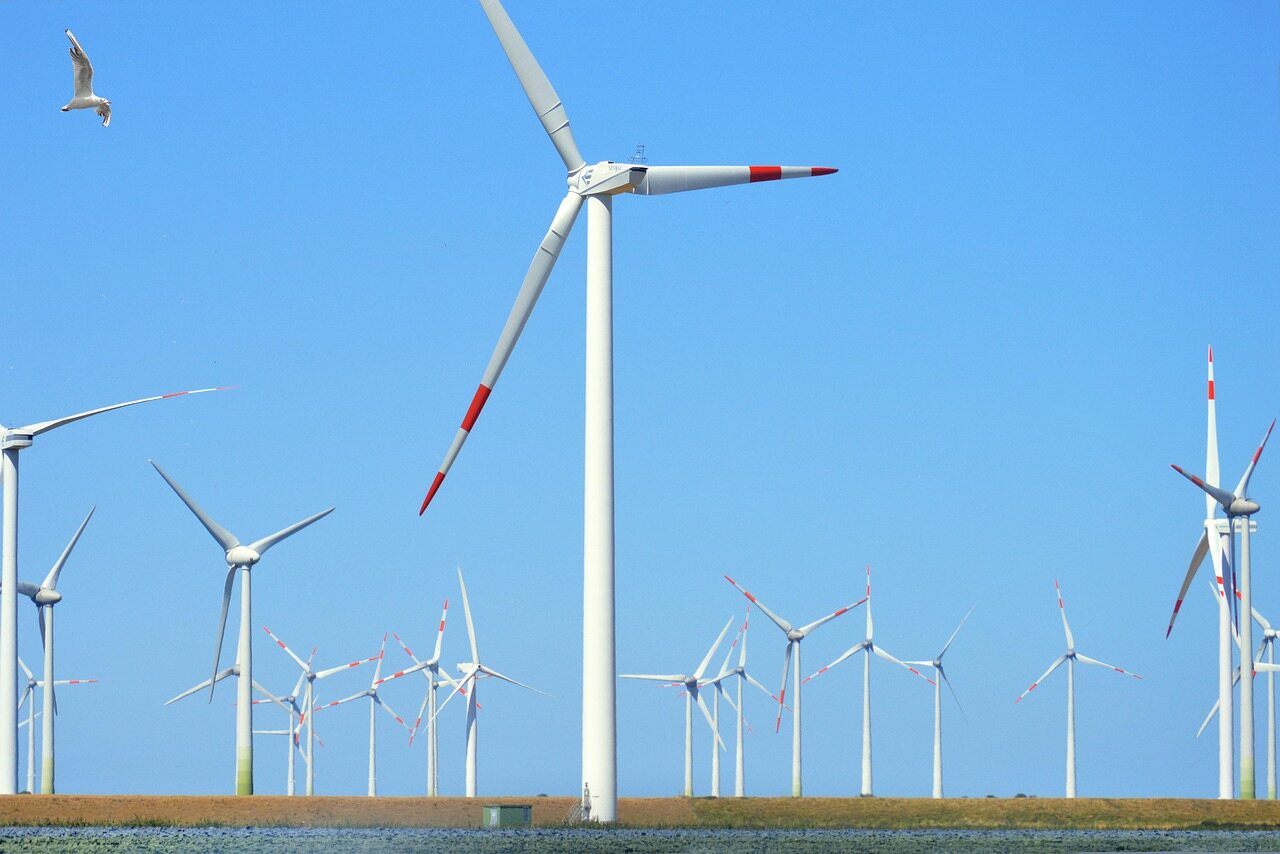
China Power Construction's wind power layout in Egypt has formed a cluster of projects from point to surface. Among them, the Ras Ghareb 200 MW wind power project has a total investment of approximately 214.75 million US dollars and strictly adheres to the highest international environmental and governance standards, marking that the EPC capabilities of Chinese enterprises have fully integrated with complex international norms. A more significant milestone is the 1.1 gigawatt project in the Gulf of Suez, with a contract value of approximately 850 million US dollars. It will adopt advanced large capacity wind turbines from China in bulk, with an expected annual power generation of over 4.3 billion kilowatt hours. This marks the upgrade of China's new energy going global from a single construction to a complete solution output that includes technology, equipment, and standards.
Connecting Egypt's vision with international financing
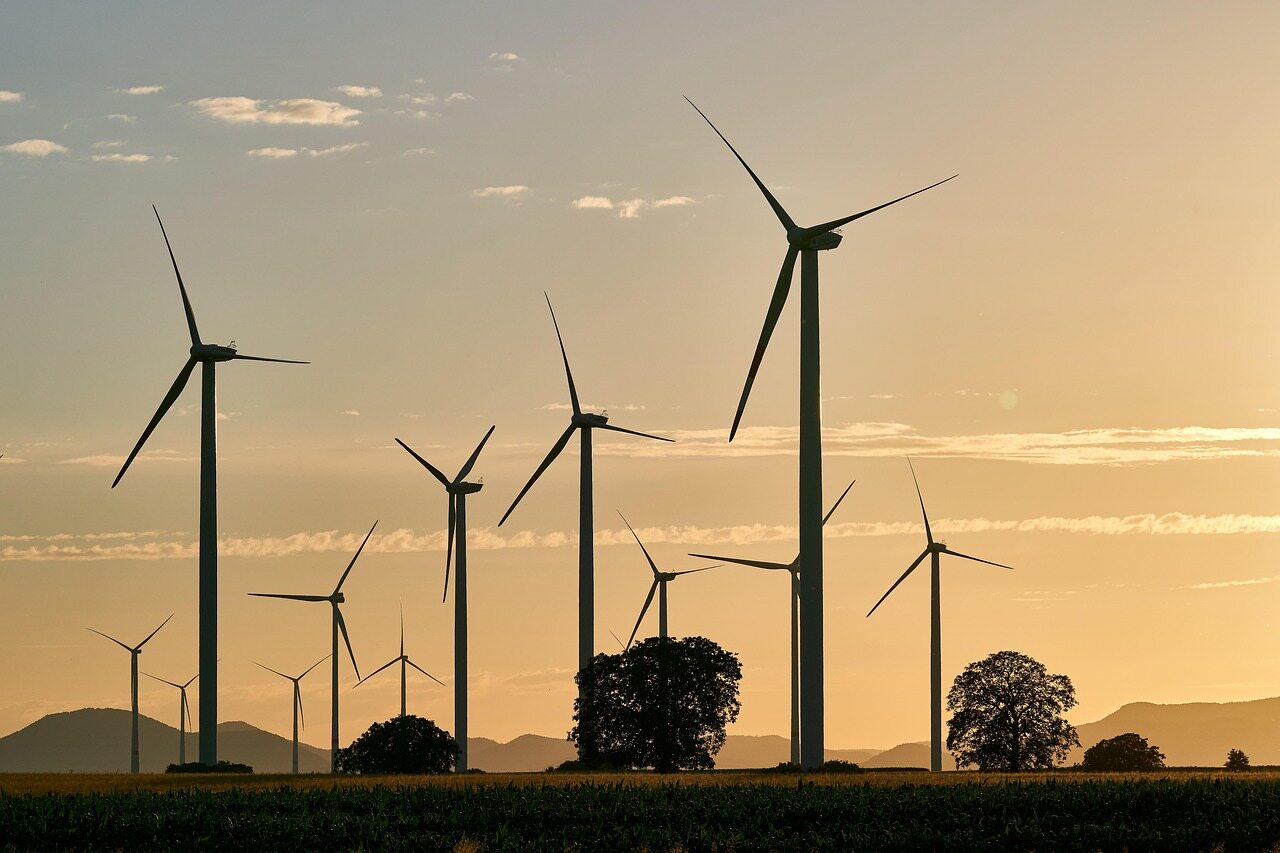
The advancement of these projects is deeply in line with Egypt's national goal of sourcing 42% of its electricity from renewable energy sources by 2030, as outlined in its Vision 2030. At the same time, the project has successfully integrated into the international green finance system. The Ras Ghareb project, as the first batch of projects under Egypt's national "water food energy" initiative, has received joint financing from institutions such as the European Bank for Reconstruction and Development. The larger 1.1 GW project has also received $703.6 million in senior debt financing from multiple institutions, including the European Bank for Reconstruction and Development. This strategic synergy has created key opportunities for Chinese enterprises in the international high-end market.
Successful paradigm of system output and local integration
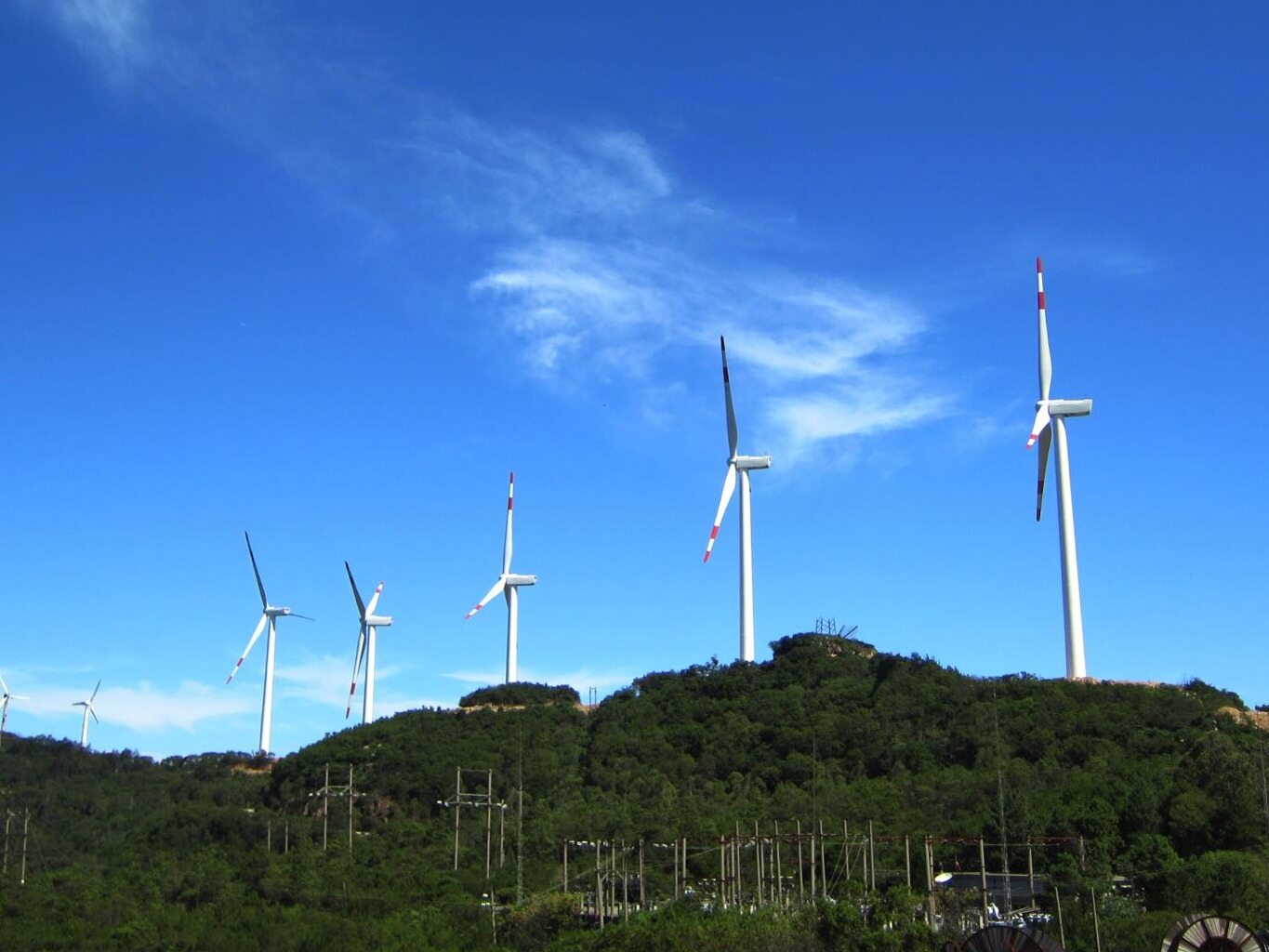
The practice of China Power Construction in Egypt provides a replicable model for Chinese enterprises to participate in global energy cooperation. The key to its success lies in: firstly, providing a full chain solution covering design, procurement, construction, and commissioning; The second is to deeply promote localization. For example, in past project construction, the participation rate of local subcontractors reached 60%, creating a large number of job opportunities and achieving technology transfer and community development together; Thirdly, strict benchmarking and implementation of international financing and environmental standards have enabled China's technology and services to successfully integrate into the global green cooperation system, establishing a reliable brand image. Keywords: Wind Power New Energy News, Wind Power Energy Network
Through these projects, China Power Construction is systematically integrating China's engineering standards, green technologies, and sustainable development concepts into Egypt's energy future. This is not only about building infrastructure, but also about exporting a validated and replicable clean energy development model, providing solid support for the energy transition of countries in the global South. Editor/Yang Beihua
Comment

 Praise
 Collect
 Comment

 Share
Share


Write something~