 Search


- Thailand invests in building a high-speed rail and land bridge hub that connects the two oceans and China and Laos
- Thailand is attempting to systematically address its long-standing logistics bottlenecks and domestic road network shortcomings through a major push in transportation infrastructure
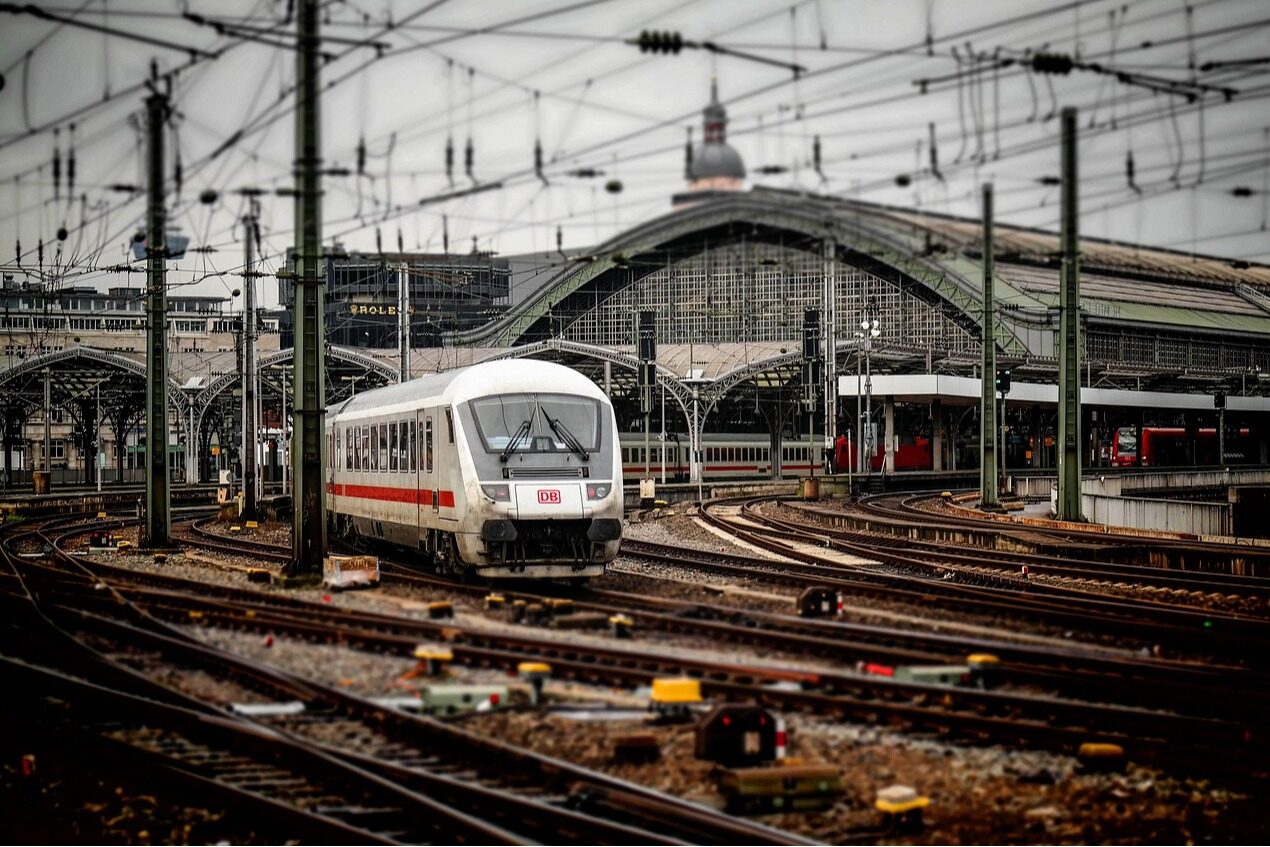
The Thai government recently announced an ambitious investment plan for transportation infrastructure, with the 2026 fiscal year listed as a key implementation year. The Thai Ministry of Transport plans to use an annual investment budget of over 265 billion Thai baht to fully promote a series of major projects aimed at reshaping the country's transportation landscape.
These projects have a total investment scale of approximately 1.88 trillion Thai baht, including 15 major projects, not only aimed at alleviating domestic transportation pressure, but also committed to building Thailand into an important land and logistics hub in Southeast Asia and even the world.
Connecting with China and crossing the two oceans
Thailand's transportation investment layout has a clear strategic vision of both internal and external directions. Internally, it aims to upgrade the domestic road network; Externally, we focus on opening up crucial international corridors.
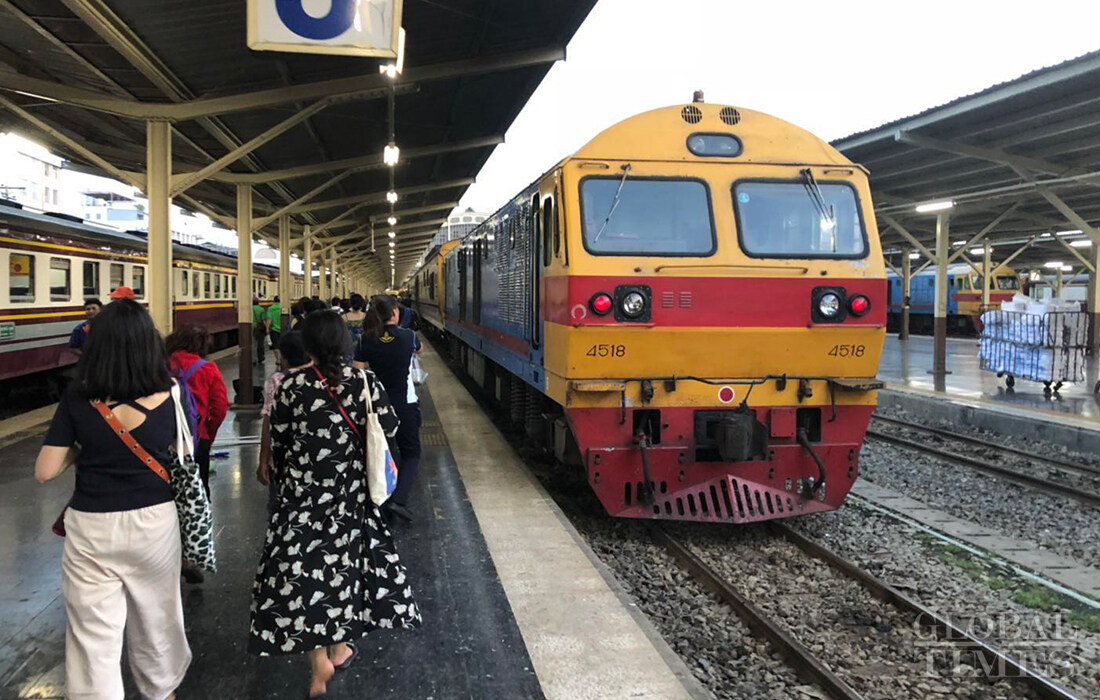
The most eye-catching among them is the land bridge project known as the Century Project. The project plans to construct a port, railway, and highway system connecting the Gulf of Thailand and the Andaman Sea in the provinces of Chumphon and Ranong in southern Thailand, with a total estimated investment of nearly 1 trillion Thai baht. Its core goal is to open up a new logistics channel that bypasses the Strait of Malacca, reducing the shipping distance between the Pacific and Indian Oceans by about 1000 kilometers.
The government plans to launch a one-time bidding for the entire land bridge project in 2026, seeking a private company to undertake all construction and management work. The first phase of the project is expected to be put into operation in 2030.
Another pillar of external connection is the second phase of the China Thailand high-speed railway. This 357 kilometer railway is a national strategic project that has completed design and environmental impact assessment approval. The project has a budget of about 341.3 billion Baht. After completion, it will be connected with the China Laos Railway, forming a fast route from Yunnan, China, to the hinterland of Thailand.
The State Railway of Thailand is actively promoting the adoption of a public-private partnership model for the bidding of this project, and has held a public hearing in 2025. It plans to officially launch the bidding process in the third quarter of 2026.
Strengthening domestic arteries and promoting universal access to people's livelihoods
While vigorously promoting strategic corridors, Thailand is also investing intensively to comprehensively upgrade its domestic transportation network. This is mainly reflected in the modernization and expansion of the railway system and the reform of urban public transportation to benefit the people. The second phase of the dual track railway project is a major focus on expanding the domestic network. The project plans six routes with a total length of over 1200 kilometers and a total investment of approximately 297.9 billion Thai baht.
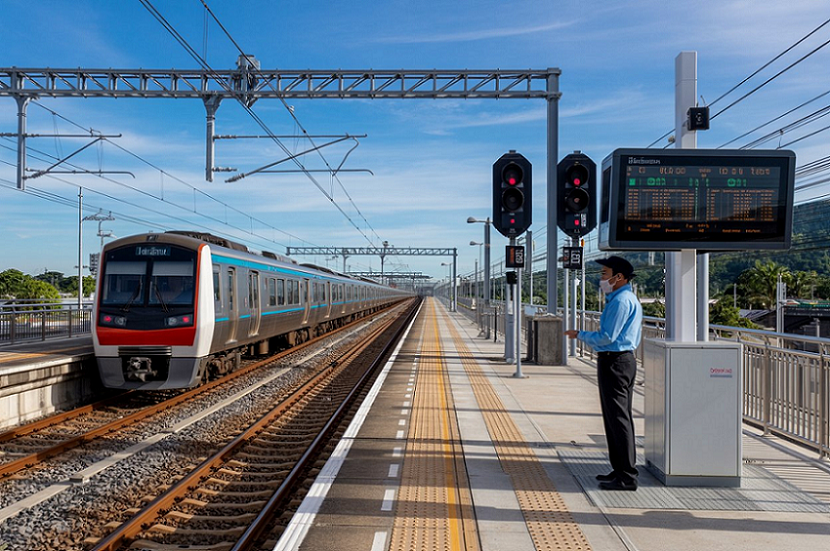
After the completion of the project, it is expected to reduce the travel time of trains by 30% and significantly improve the efficiency of freight and passenger transportation. The State Railway of Thailand has submitted the plan and is awaiting approval from the National Economic and Social Development Commission, with the goal of launching the project in 2026.
Within the city, the new government is implementing a policy that benefits the people by allowing unlimited rides on the subway at a rate of 40 baht per day. This policy has been piloted on the Red and Purple MRT lines in Bangkok since December 1, 2025, allowing passengers to pay 40 Thai baht for unlimited rides within a day.
PPP model and clear timetable
To ensure the smooth implementation of this series of costly projects, the Thai government is committed to innovative financing methods and has established a clear timetable.
Faced with a huge demand for funds, Thailand has actively introduced public-private partnership models in multiple projects. Whether it is the trillion dollar land bridge project or the second phase of the China Thailand high-speed railway, the government plans to attract social capital to participate in investment, construction, and operation by granting long-term franchise rights to private enterprises. For example, the investor of the land bridge project is expected to obtain a 50 year franchise to develop the port and surrounding commercial projects.
From a timeline perspective, 2026 is clearly set as the starting year for large-scale construction. The second phase of the China Thailand high-speed railway, the second phase of the double track railway, and the land bridge project are all planned to complete key approvals and initiate bidding or construction within this year. This concentrated promotion trend demonstrates the strong determination of the Thai government to accelerate the pace of infrastructure construction and turn blueprints into reality. Keywords: Southeast Asian Engineering Information Network
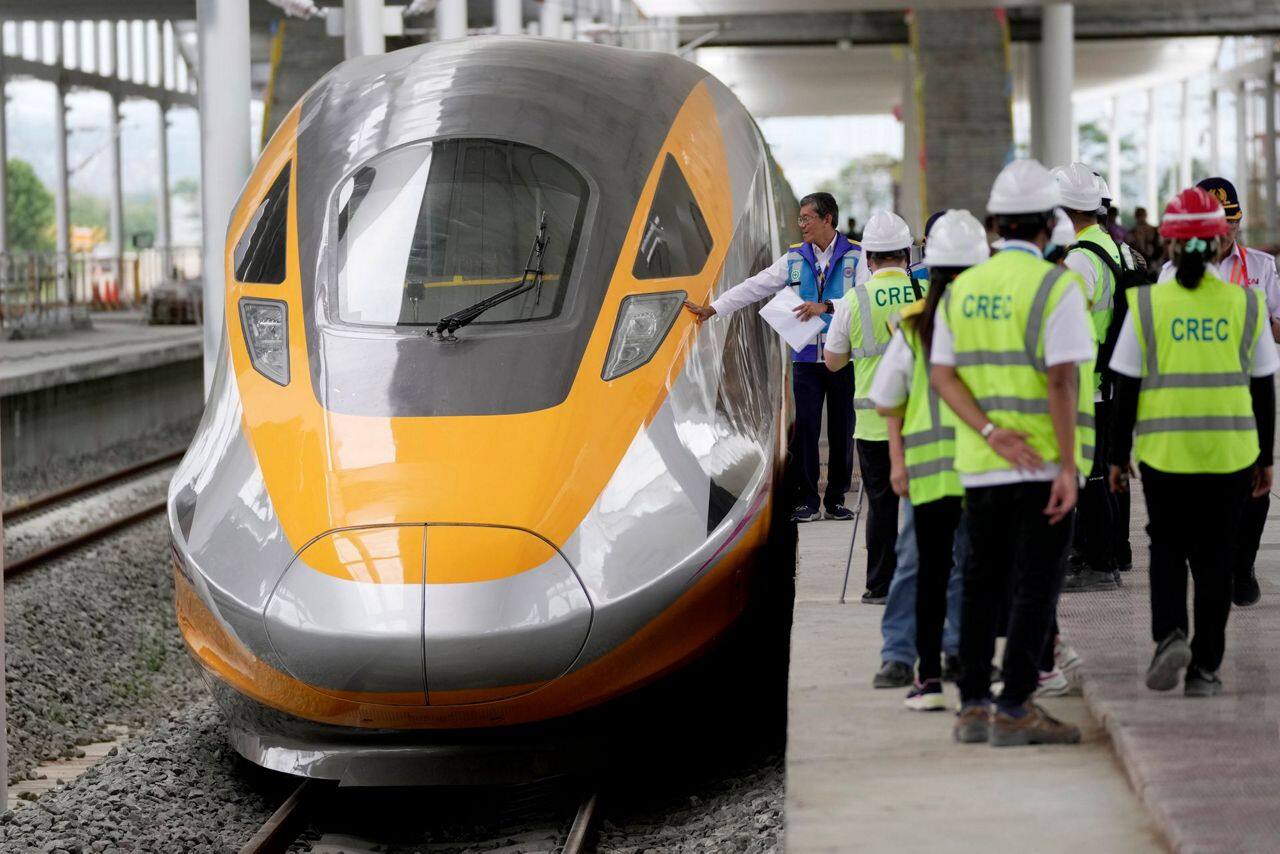
The current wave of transportation infrastructure in Thailand is a concentrated reflection of its national development strategy. Through the land bridge project, Thailand aims to upgrade from a geographical crossroads to a core hub for global trade; Through the China Thailand high-speed railway, it will deeply integrate into the Pan Asian Railway network and share the dividends of regional economic integration.
These reinforced concrete channels ultimately carry Thailand's national ambition to enhance its international competitiveness and drive sustained economic growth.Editor/Cheng Liting
Comment




 Praise
 Collect
 Comment

 Share
Share


Write something~