 Search


- Malaysia is embarking on a profound transformation that balances energy security and green transformation
- Malaysia's first large-scale wind power project officially launched in Kota Kinabalu, filling a long-standing gap in the country's renewable energy landscape for wind energy
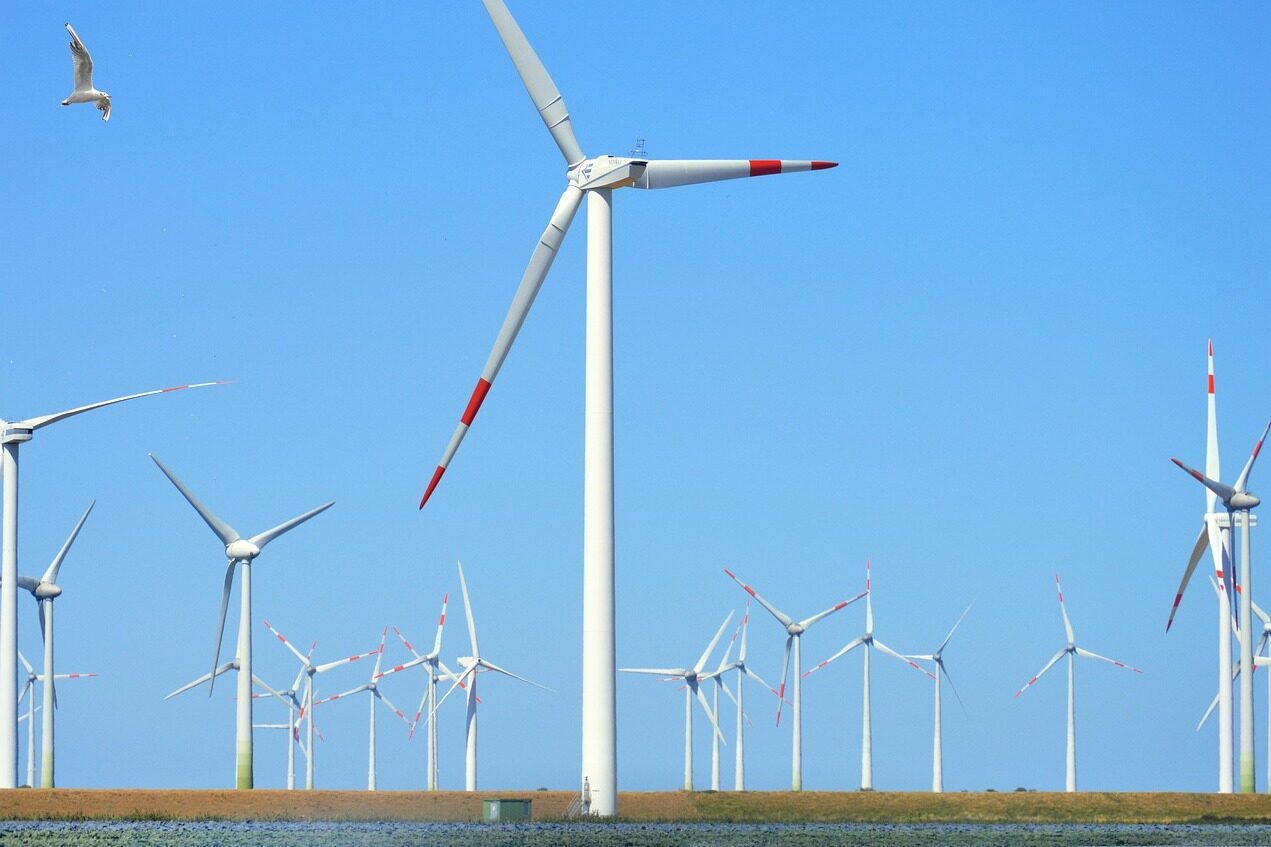
The wind on the Guda Coast in northern Sabah is about to bring historic changes to Malaysia's energy landscape. Malaysia's first utility scale wind power project has been launched here, marking this fossil fuel dependent country's attempt to fill a key missing piece in the long-term renewable energy puzzle - wind energy.
Wind power breaks through the situation and fills the strategic gap
For a long time, Malaysia's energy structure has been severely skewed. As a major global exporter of liquefied natural gas, over 90% of its domestic energy supply relies on fossil fuels, especially in the electricity sector. In Sabah state, renewable energy accounts for only about 8%.
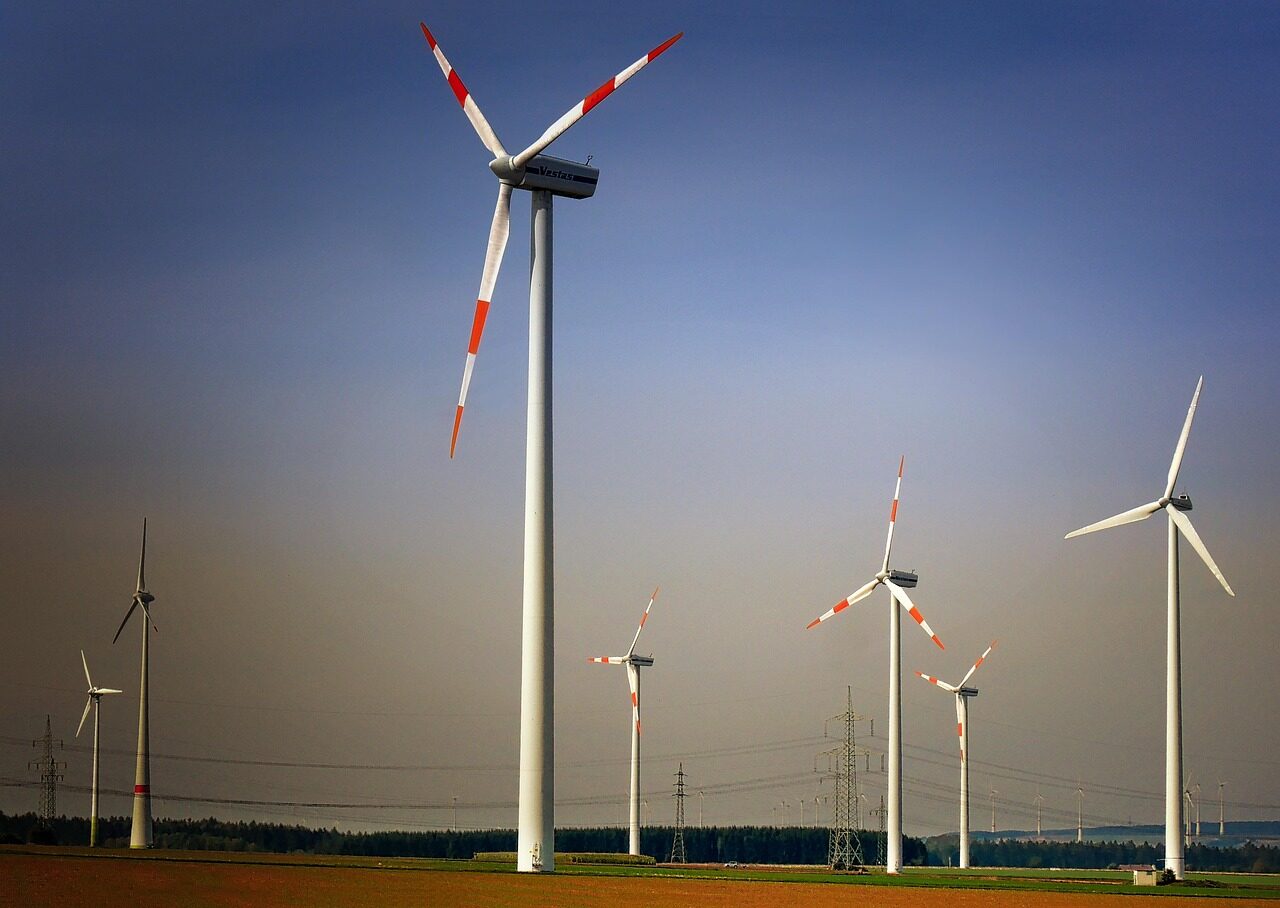
Faced with global energy transition pressure and national energy security needs, the governments of Malaysia and Sabah have formulated ambitious transformation blueprints. Sabah's Energy Blueprint and Master Plan 2040 sets a goal of achieving 40% renewable energy by 2030 and 80% by 2050. However, achieving these goals solely through existing hydropower, photovoltaics, and biomass energy is far from enough. Wind power, with its resource potential and technological advancements, has become a key choice to fill strategic gaps and achieve leapfrog growth.
The Guda wind power project therefore carries multiple missions. It is not only a single energy project, but also an important validation of the feasibility of low wind speed wind power technology. The data and experience it explores will provide key basis for evaluating the potential of wind energy resources in Sabah and even the entire east and west coasts of Malaysia, which may open up a new energy industry.
The future path of regional competition and technological integration
The significance of Guda wind power goes beyond the project itself, as it is inspiring broader regional energy competitions and technological integration. In Borneo, Malaysia, Sabah and neighboring state Sarawak have shown different development paths in the field of renewable energy. Sarawak relies on its vast hydropower resources, with renewable energy accounting for over 60%, and actively promotes the development of a renewable energy corridor economic zone, developing a green electricity+high energy consuming industrial model.
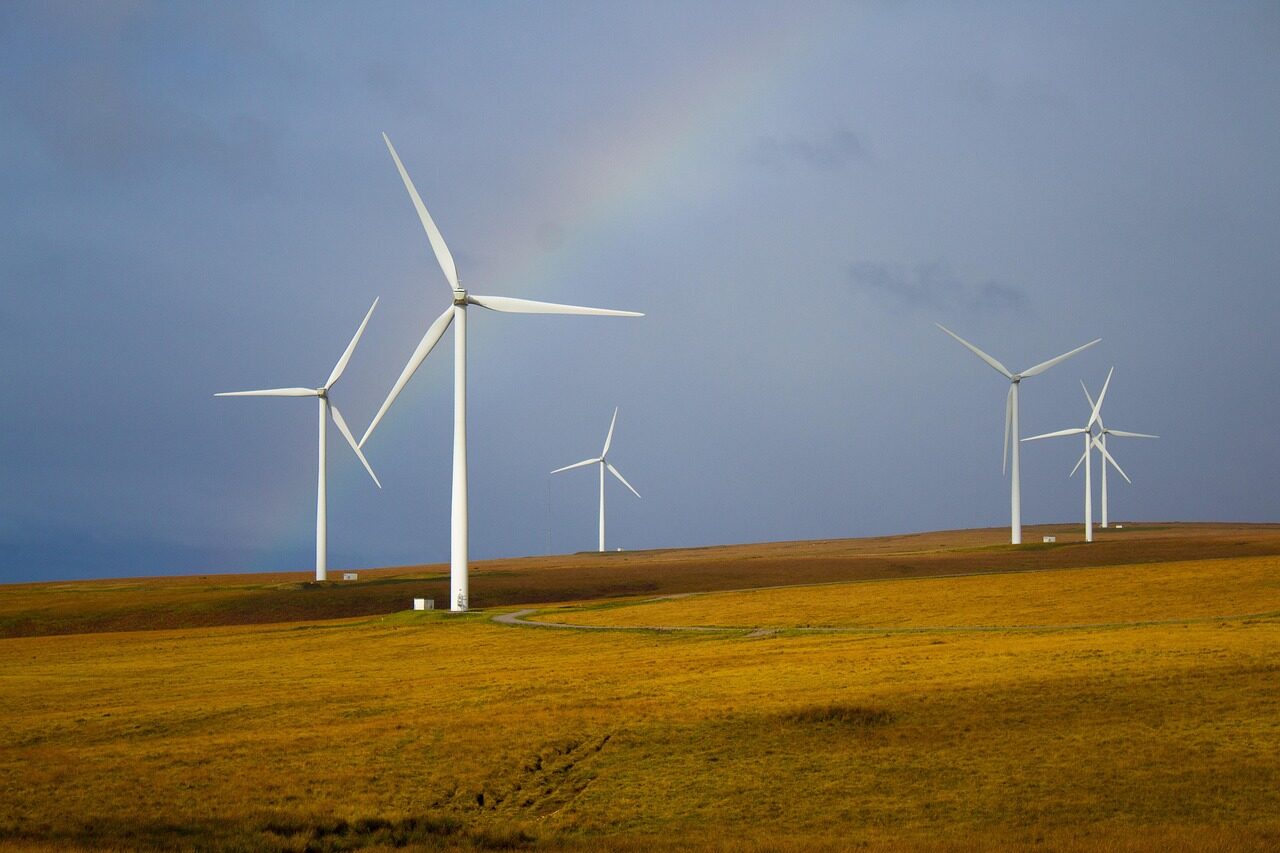
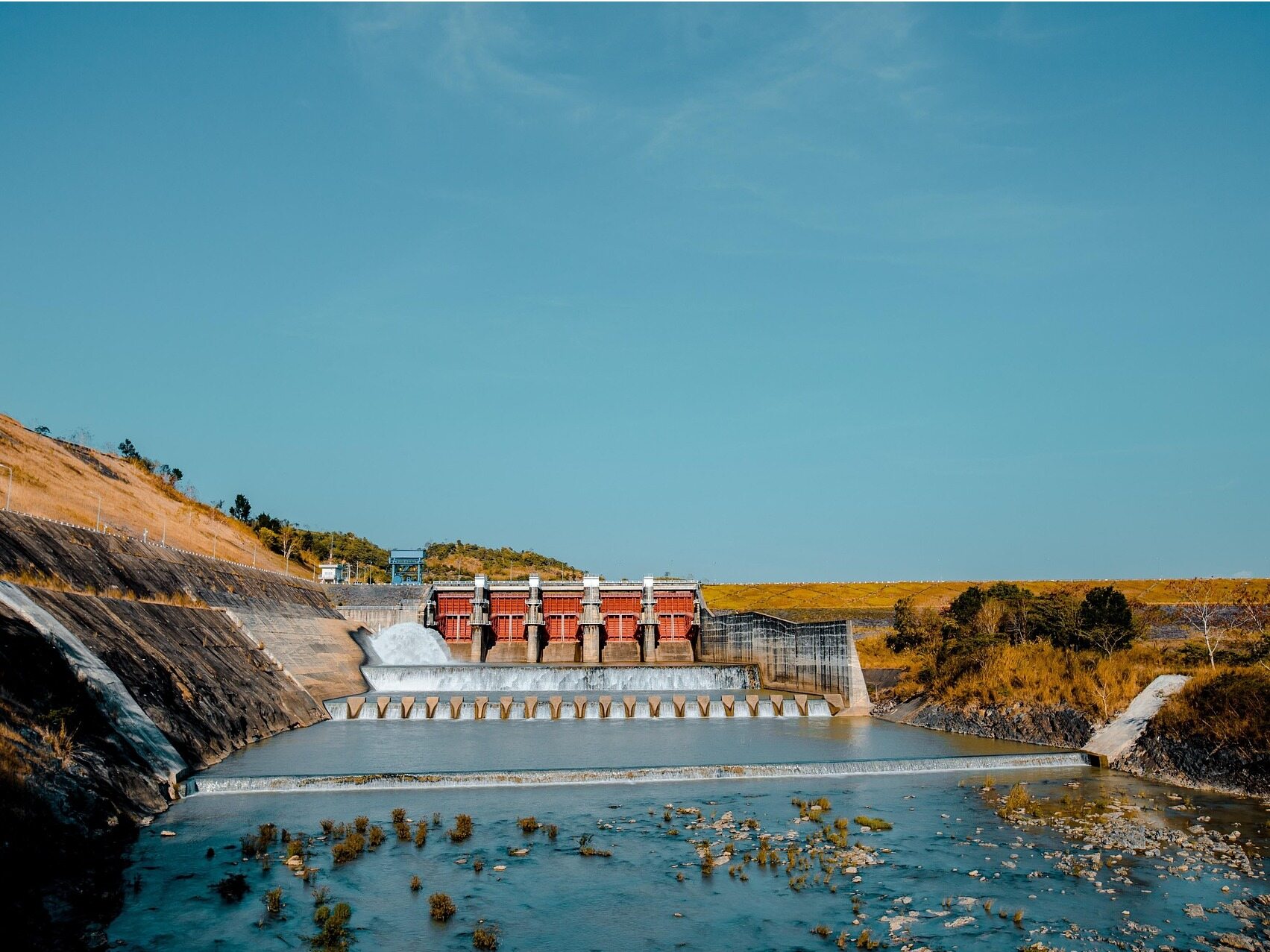
Sabah has chosen a more balanced and diversified path. Guda Wind Power will form a diversified energy matrix together with the planned Ulupadas large-scale hydropower project, continuously expanding natural gas power generation, and photovoltaic power stations. This combination aims to balance stability and green transformation, striving for greater energy independence.
The progress of the project also reveals the trend of technological integration. The intermittency of wind power requires energy storage technology and smart grid as support; The site selection evaluation relies on advanced digital resource models, just like the services provided by the Chinese partner. In addition, exploring complementarity with hydropower or potential interconnection with future power grids, such as the Sabah Sarawak Brunei interconnection plan, are necessary considerations to ensure efficient integration of wind power and enhance system resilience. Keywords: Southeast Asian Engineering Information Network
Guda's wind power project is like a pebble thrown into a calm lake, its ripples spreading throughout Malaysia's energy strategy. It is a breakthrough attempt, testing the boundaries of technology and the potential of resources; It is also a journey of exploration, and its success or failure will have a profound impact on Malaysia's path towards energy independence and a green future. When the wind turbine is erected in Guda, it measures not only the wind speed, but also the determination and wisdom of a country's transformation.Editor/Cheng Liting
Comment





 Praise
 Collect
 Comment

 Share
Share


Write something~