 Search


- In this world dominated by blue and white, life has never been absent, but instead blooms in the most passionate manner
- The dark rock walls are covered with rust yellow and emerald green moss marks, forming a natural painting frame with the white snow at the top. But it is enough to make every intruder speechless
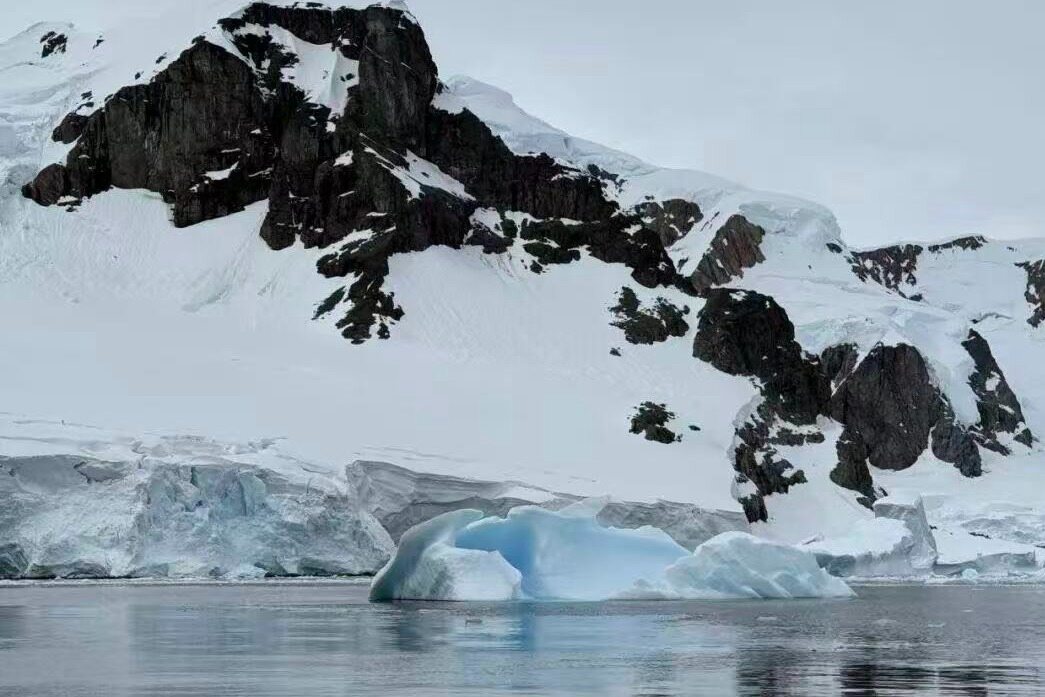
When the ship's side sliced through the last ice floe of the Antarctic Circle, the world before us suddenly pressed the mute button. The wind and waves receded, the noise dissipated, and only a pure world ruled by blue and white remained - this is Bah í a Para í so, a sheltered harbor on the west side of the Antarctic Peninsula, a frozen secret hidden by God, even the earliest whalers were willing to give it the name "heaven".
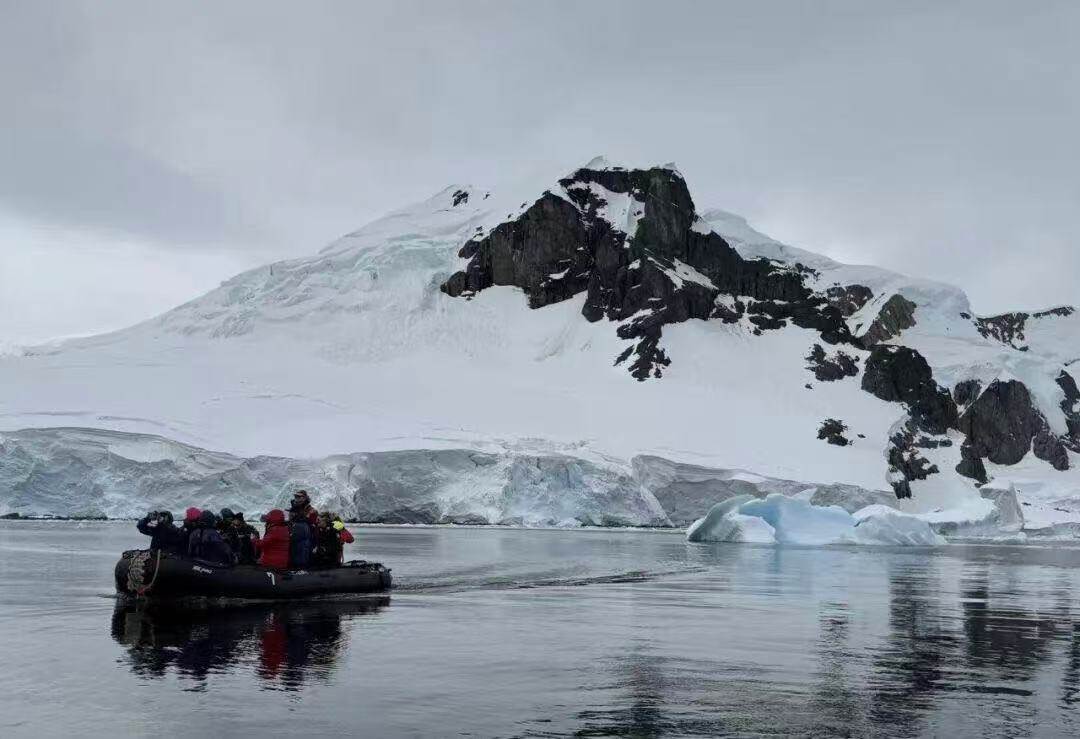
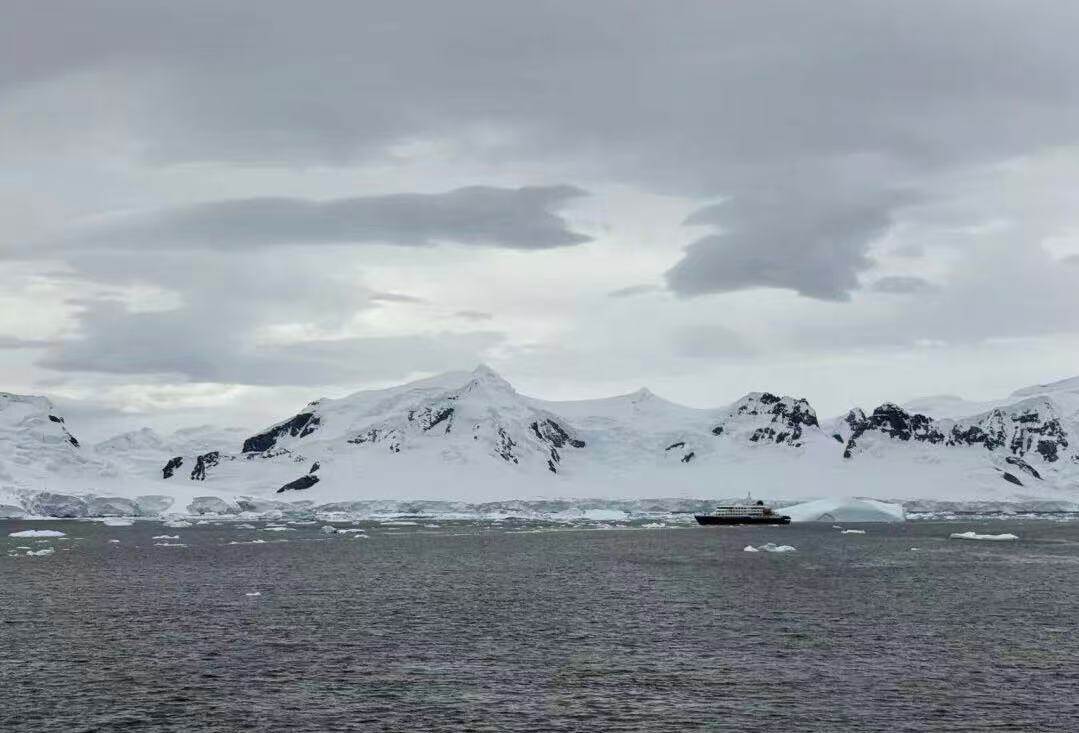
As soon as we entered the bay, we knew the name was true: steep cliffs 745 meters high on three sides pierced straight into the sky, with rust yellow and emerald green moss stains on the dark rock walls, forming a natural frame with the white snow at the top. The water surface in the bay is as calm as a mirror, and the floating icebergs stretch out like giant sapphires. When sunlight penetrates the ice layer, it refracts a gradient halo from light blue to dark blue, as if the entire bay is immersed in melted gemstone liquid. Here, time is frozen and the scenery is minimalist, yet it is enough to make every intruder speechless.
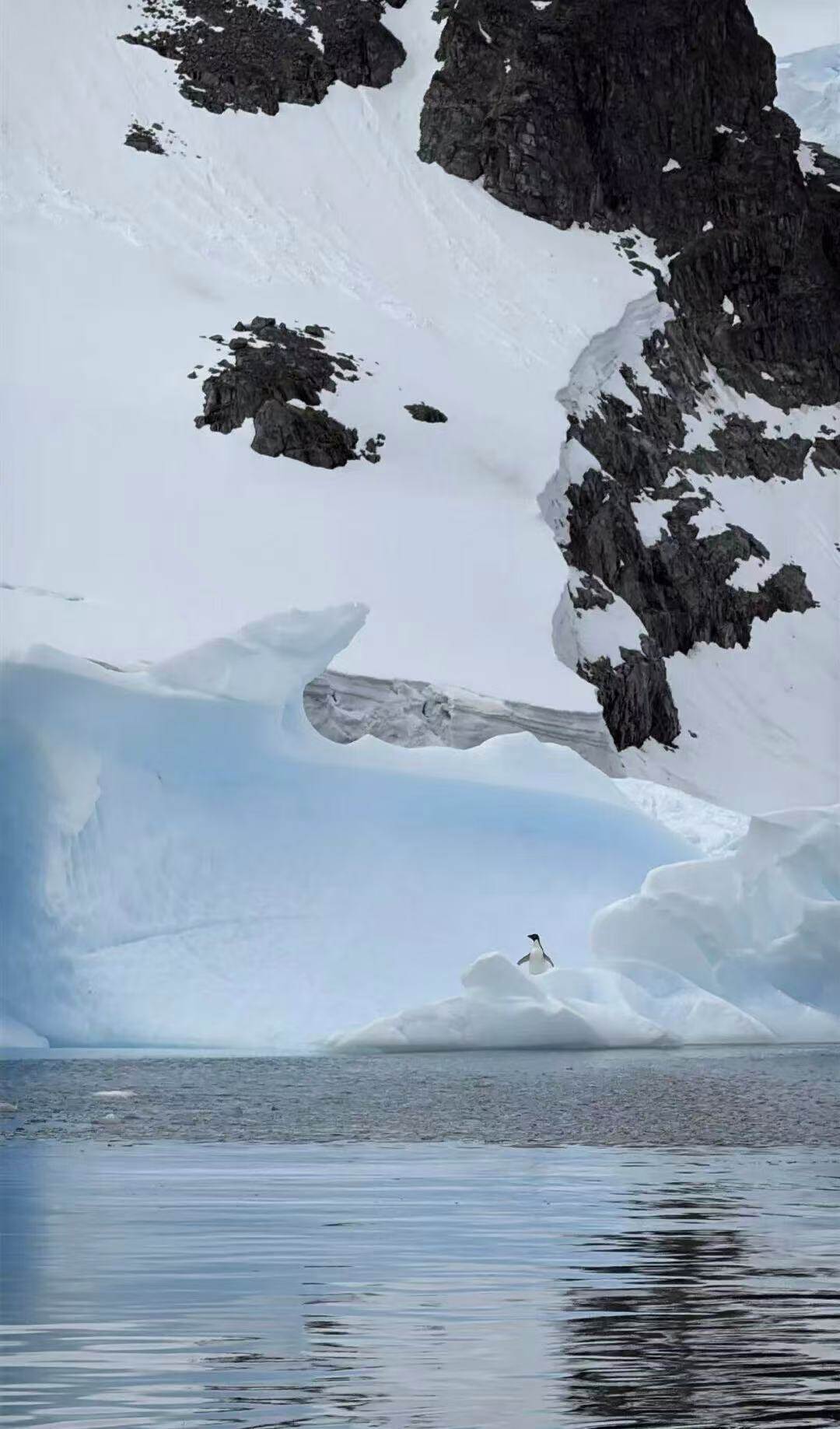
Ten thousand year ice blue: a pure color filtered by time
The ice in Antarctica is never just white, especially the ice in Paradise Bay. The glaciers standing on the sea surface, after tens of thousands of years of gravitational compression, expelled all the bubbles. When light penetrates the ice layer, the long journey filters out other colors, leaving only the shortest wavelength blue, which eventually condenses into the purest "glacier blue" on Earth.
Riding on a charging boat and passing through it, it feels like entering the corridors of a crystal palace. Fingertips lightly touch the edge of the ice, and a piercing chill instantly spreads, but it makes people unable to resist the desire for this icy reality. When it quiets down, you can hear the smooth sound of ocean currents "clinking and clinking" under the ice layer, and occasionally hear the roar of glacier collapse, like thunder rolling over the sea surface. The splashing ice fragments turn into small diamonds in the sunlight. This is the breath of glaciers and the sound of time flowing. If you choose a calm afternoon to kayak, the paddles will sway gently, the reflection will shatter and reunite, merging with ice, sea, and blue, leaving only inner clarity and peace.
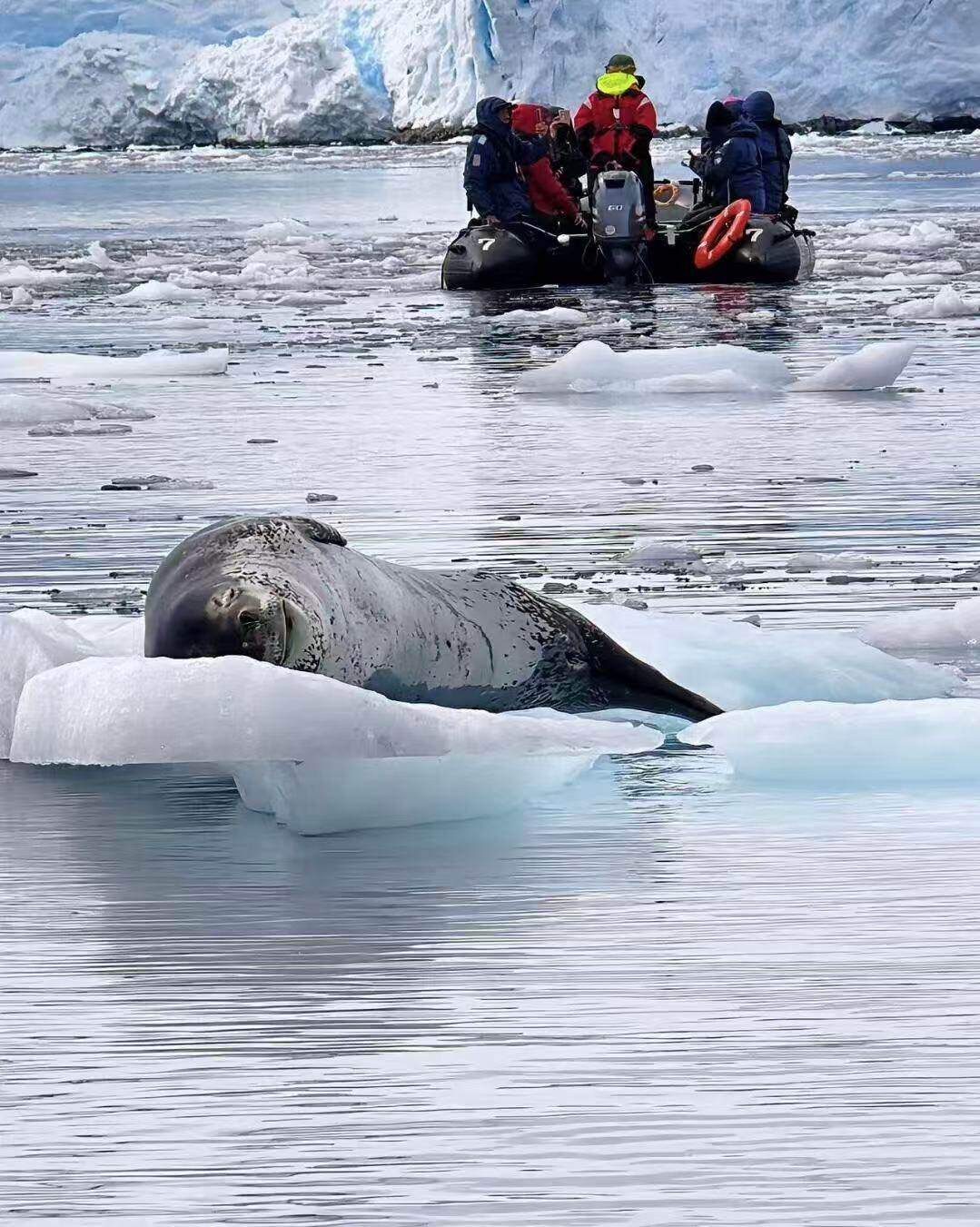
The Song of Life on Black and White Background
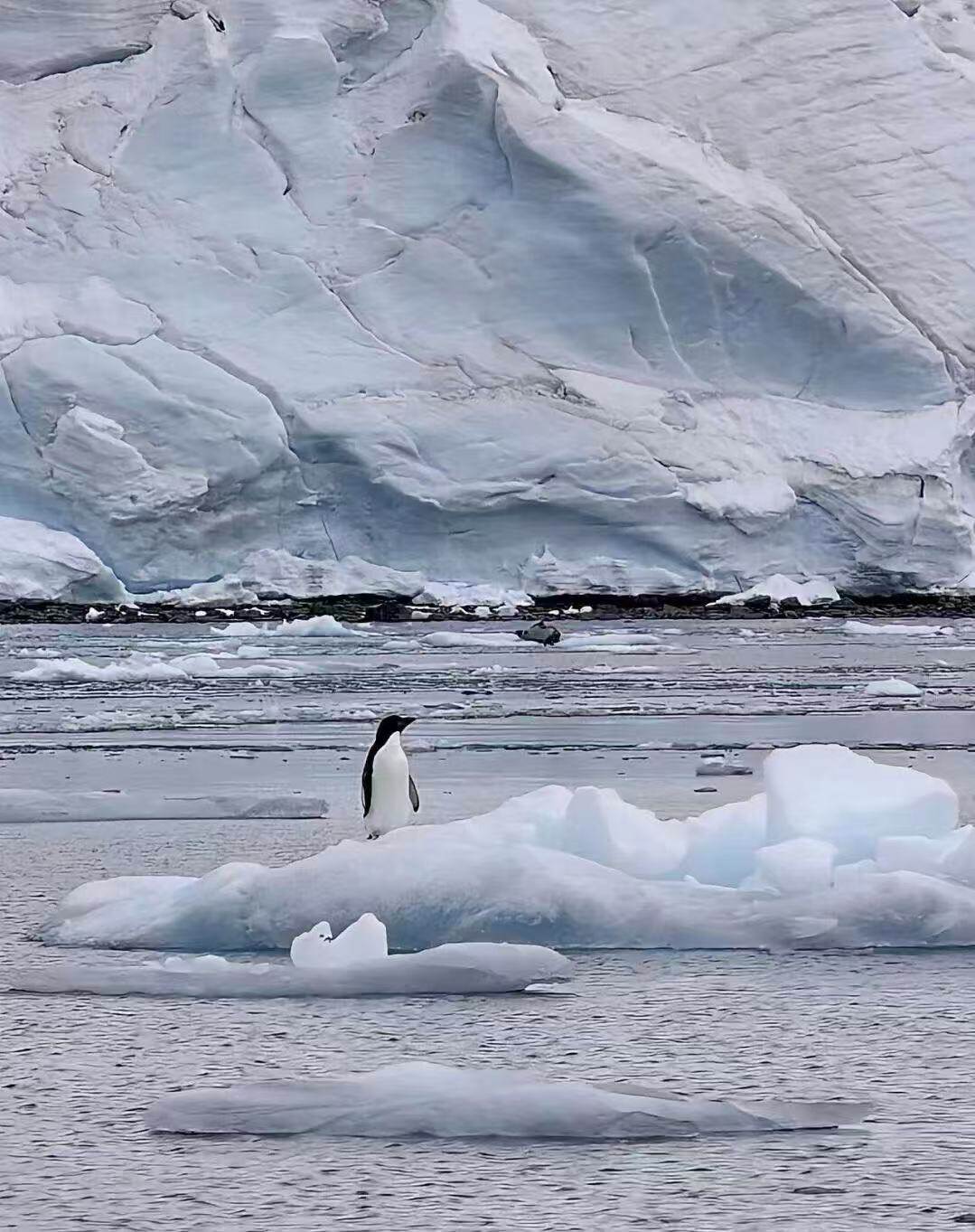
In this world dominated by blue and white, life has never been absent, but instead blooms in the most passionate manner. Under the 70 meter high cliff, there is a settlement of Papua penguins, where nearly 300 pairs of penguins build nests and reproduce. They walk on the "Penguin Highway" on the snow, swaying back and forth between the coast and their nests. Their orange red beaks are particularly bright against the white snow. Occasionally, there are seagulls passing by, triggering a burst of rapid calls from the penguin flock, adding vivid footnotes to the silent bay.
Under the sea, there is another lively scene. Humpback whales are frequent visitors here, appearing on the surface of the water every thirty to forty seconds, spraying water mist up to several meters high. When their huge tail fins strike the water surface, the sound can be transmitted several kilometers away. If you are lucky enough, you can witness the stunning moment when they leap out of the sea. Their huge bodies curve gracefully in the air and then fall heavily into the sea, creating thousands of waves. This is the most magnificent performance in nature, without the need for a stage, the entire bay is their home ground. On the rocks, crab eating seals lazily bask in the sun, ignoring the penguins shuttling around them, forming a harmonious polar picture of coexistence.
Brown Station: A Gentle Game between Humans and Antarctica
In a corner of Paradise Bay, the red and white buildings of the Argentine Brown Research Station stand quietly, telling the story of humanity's entanglement with this extreme realm. This scientific research station, built in 1951, was once the most complete biology laboratory on the Antarctic Peninsula. However, in 1984, it was intentionally set on fire by the resident doctors due to the prolonged winter quarantine. Although the rebuilt site has been converted for summer use, it still retains a bit of vicissitudes. The rusty equipment contrasts with the brand new laboratory, witnessing humanity's persistence and struggle in exploring the polar regions.
Climbing onto the small hill next to the station, one can enjoy a panoramic view of the bay. It's hard to imagine that this pure land today was once a haven for seal hunters and whalers in the 19th century, and the reddish waters once recorded the disappearance of life. And now, researchers at the scientific research station are monitoring glacier changes and studying polar ecology here, while tourists walk quietly with awe. Humans have finally learned to coexist gently with this land, no longer plunderers, but guardians.
Arriving in Heaven: A Journey to the Extreme Realm
There is no shortcut to reach Paradise Bay. The only way is to take an Antarctic cruise ship and enter the Gerlach Strait during the Antarctic summer (November to March of the following year). At this time, the temperature is between -2 ℃ and 3 ℃, the daylight is long, and animal activities are frequent, making it the best time to visit.
Before landing on the island, tourists are required to strictly disinfect their clothes and avoid carrying exotic species; After landing, it is necessary to maintain a distance of at least 5 meters from penguins and not step on vegetation at will. These seemingly cumbersome regulations are actually the most basic respect for this pure land. When you step on the snow covered continent of Antarctica, breathe pure air to the extreme, watch glaciers flow in the sunlight, listen to the chirping of penguins and the whispers of waves, you will understand: this journey is not about conquest, but about encountering the most authentic beauty on Earth.
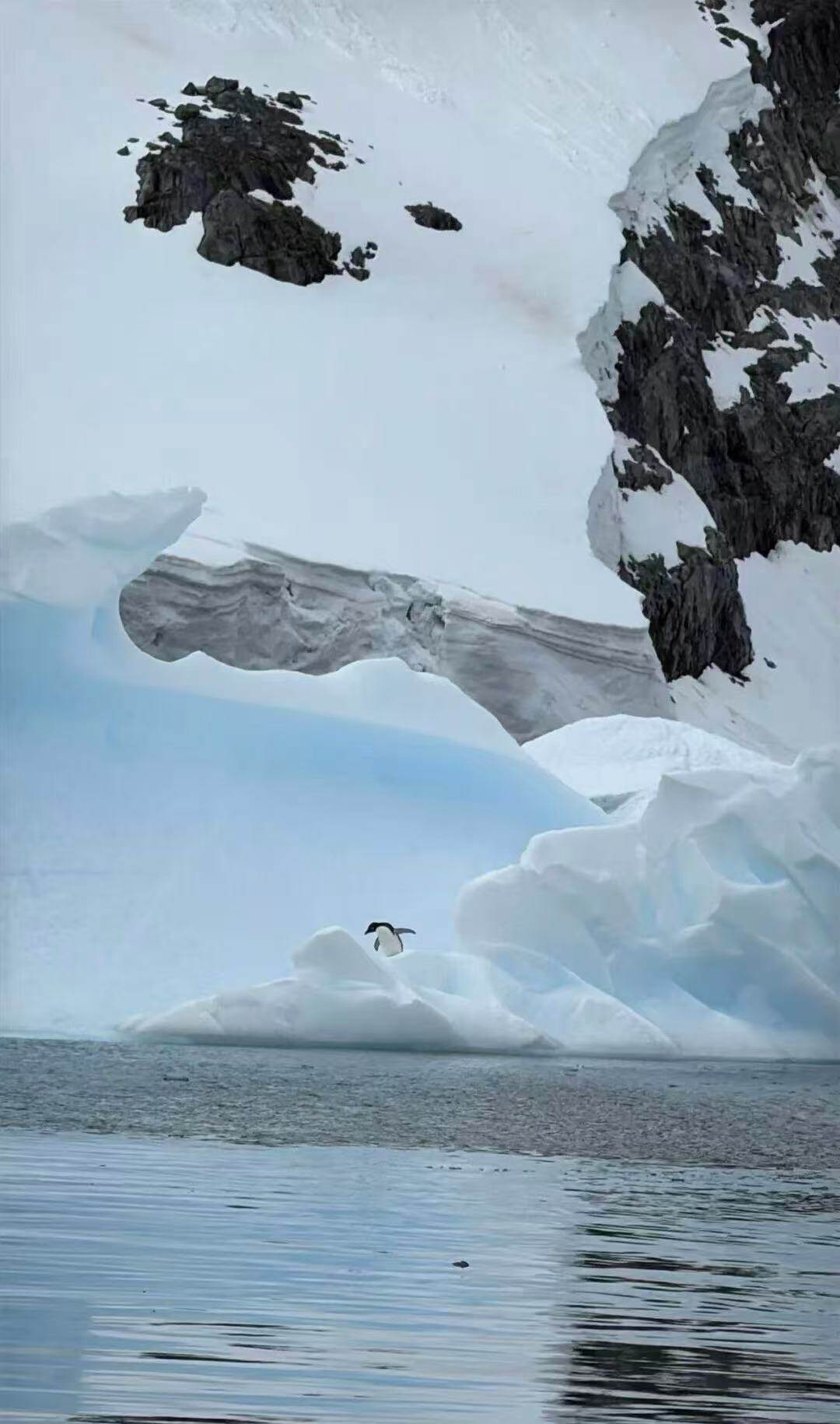
When leaving, the ship slowly sailed away from the bay, looking back at the icy blue world, which remained silent but had left an indelible mark in the hearts of every visitor. Paradise Bay has never been a paradise for people to stop in, but a mirror that reflects the purity and grandeur of nature, as well as the insignificance and awe of humanity. Every piece of ice, every bird, and every gust of wind here is telling the story: the true paradise is the ultimate beauty of harmonious coexistence between humans and nature.Editor/Bian Wenjun
Comment





 Praise
 Collect
 Comment

 Share
Share


Write something~