 Search


- From single generation to grid synergy, Vietnam is leading the regional LNG power generation upgrade with technical standards
- Vietnam's LNG ambitions are not limited to meeting domestic demand. According to the revised version of the National Electric Power Development Plan

When geological surveys are launched on 74 hectares of land in Fuze Commune, Guangzhi Province, Vietnam, this area carrying a 1500 MW LNG power generation project is becoming a key pivot for Vietnam's energy transition. With the official landing of a $1.59 billion investment, coupled with the first LNG power station already in operation in the southern province of Thong Nai and 13 subsequent planned projects nationwide, Vietnam is breaking the pattern of the Southeast Asian energy market with intensive layout, accelerating its progress from an energy demanding country to a regional LNG power generation core.
Driven by the global "dual carbon" trend and its own development needs, Vietnam's LNG power generation layout not only solves the urgent problem, but also plans for the long-term. As a "dark horse" of Southeast Asian economic growth, Vietnam's electricity demand is soaring at a rate 1.5 to 2 times faster than GDP growth, with a peak load of 54500 megawatts. It needs to add 6500-8200 megawatts of installed capacity annually to support the vigorous development of high-tech manufacturing, semiconductor industry, and infrastructure construction. For a long time, the fossil energy structure, which has accounted for over 80%, has not only constrained energy security from international market fluctuations, but also formed a sharp contradiction with the commitment to net zero emissions by 2050. LNG, as a "bridge energy" for clean transformation, has the advantage of reducing carbon emissions by 40% compared to coal and 30% compared to oil, making it the optimal solution for Vietnam to balance development and environmental protection.
Technological Empowerment: Creating a High Adaptability Clean Power System
The Guangzhi Province III LNG Power Station, which is invested with 1.59 billion US dollars, adopts internationally leading combined cycle gas turbine technology and has a designed installed capacity of 1500 megawatts (with a floating capacity of ± 15%). After completion, it will become the core project of the central energy hub. More forward-looking is that the project reserves deep decarbonization space - equipped with advanced equipment that can co burn 50% hydrogen, and is expected to achieve 100% hydrogen combustion in the future, perfectly connecting with Vietnam's long-term zero carbon goal.
This technological route is not an isolated case. Petrovietnam, the national oil company of Vietnam, previously invested 1.4 billion US dollars to build the Renze 3 and 4 dual unit LNG power station. It uses GE 9HA.02 gas turbines with an efficiency of 62% -64% and an annual power generation of over 9 billion kilowatt hours, providing stable base load electricity for the southern economic belt while adapting to the intermittent fluctuations of renewable energy sources such as wind power and photovoltaics, ensuring the stability of the power grid. From central to southern Vietnam, from single generation to grid synergy, Vietnam is leading the regional LNG power generation upgrade with technical standards.

Layout Strategy: Building a New Pattern of Regional Energy Hubs
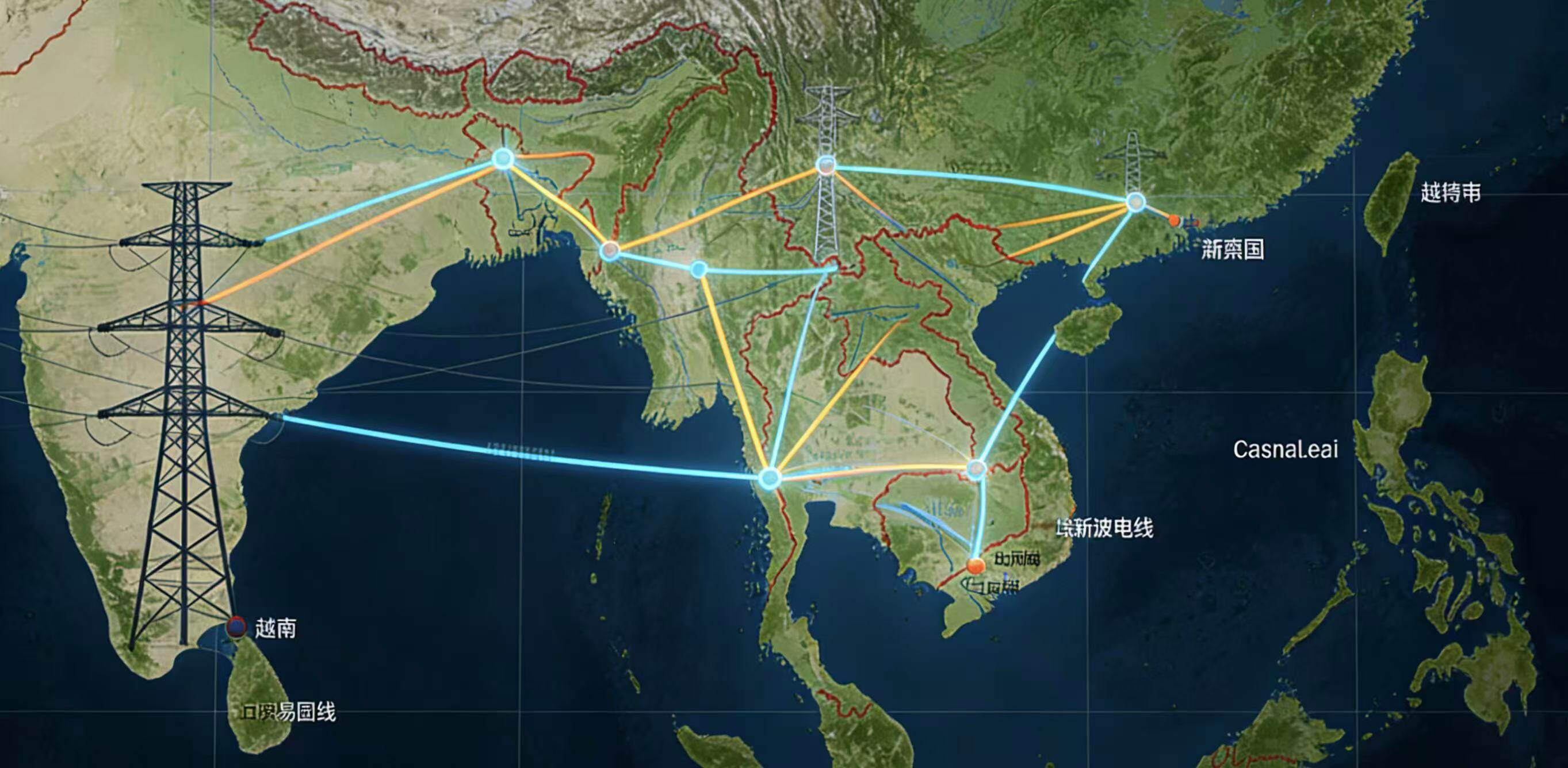
Vietnam's LNG ambitions are not limited to meeting domestic demand. According to the revised version of the National Power Development Plan, Vietnam plans to increase the proportion of renewable energy to 28% -36% by 2030, with LNG accounting for 12.3% of the energy structure. At the same time, it aims to create a multi regional power center - the Guangzhi Province Power Hub, focusing on central power supply, and the Renze Power Station in the south radiating to the economic core area, forming a power supply network with "north-south coordination and full coverage".
More strategically, Vietnam is aiming for its position as a hub for energy trade in Southeast Asia. With an average annual growth rate of 5% in regional LNG demand, countries such as Singapore and Thailand have been expanding their presence. However, Vietnam, with its geographical advantage and cost competitiveness, has attracted a large amount of international capital attention. According to the plan, Vietnam will not only ensure local electricity supply, but also export 400 megawatts of electricity to Cambodia by 2030 and 5-10 gigawatts of clean electricity to countries such as Singapore and Malaysia by 2035. The stable power supply capacity of LNG power plants is the core support for realizing this trade blueprint.

Challenge and Opportunity: Breaking through the Transformation Wave and Moving Forward
Despite the broad prospects, Vietnam's LNG journey still faces multiple challenges. Previously, Western wind power companies withdrew one after another due to policy uncertainty, indicating the need to improve the electricity pricing mechanism and approval process in the energy market; The synchronous construction of the LNG industry chain and the cultivation of local technical talents also urgently need to be addressed. But Vietnam is taking practical measures to address challenges: the Guangzhi Province project adopts a financing model of "20% equity+80% domestic commercial loans" to reduce dependence on foreign investment; At the national level, 13 follow-up LNG project plans have been clarified, providing stable policy expectations; At the same time, introducing international advanced experience through technological cooperation to enhance local industrial capabilities.
From the upcoming commercial operation of its first LNG power station on December 20th to the accelerated landing of a new project worth 1.59 billion US dollars, Vietnam is implementing a three-step strategy of "building power stations, building networks, and expanding markets" to achieve a turning point overtaking in the Southeast Asian energy transformation track. When the blue LNG energy is converted into stable current, lighting up the production lines of factories and the lights of cities, Vietnam is not only solving its own energy dilemma, but also reshaping the regional energy pattern - a clean and efficient new energy order in Southeast Asia linked by LNG is gradually taking shape with the rise of this hot land.Editor/Binan Wenjun
Comment

 Praise
 Collect
 Comment

 Share
Share


Write something~