 Search


- The North South Transport Corridor and the Kazakhstan Turkmenistan Iran Railway
- Iran is striving to build itself as an "alternative export" for Central Asian countries to access the world market
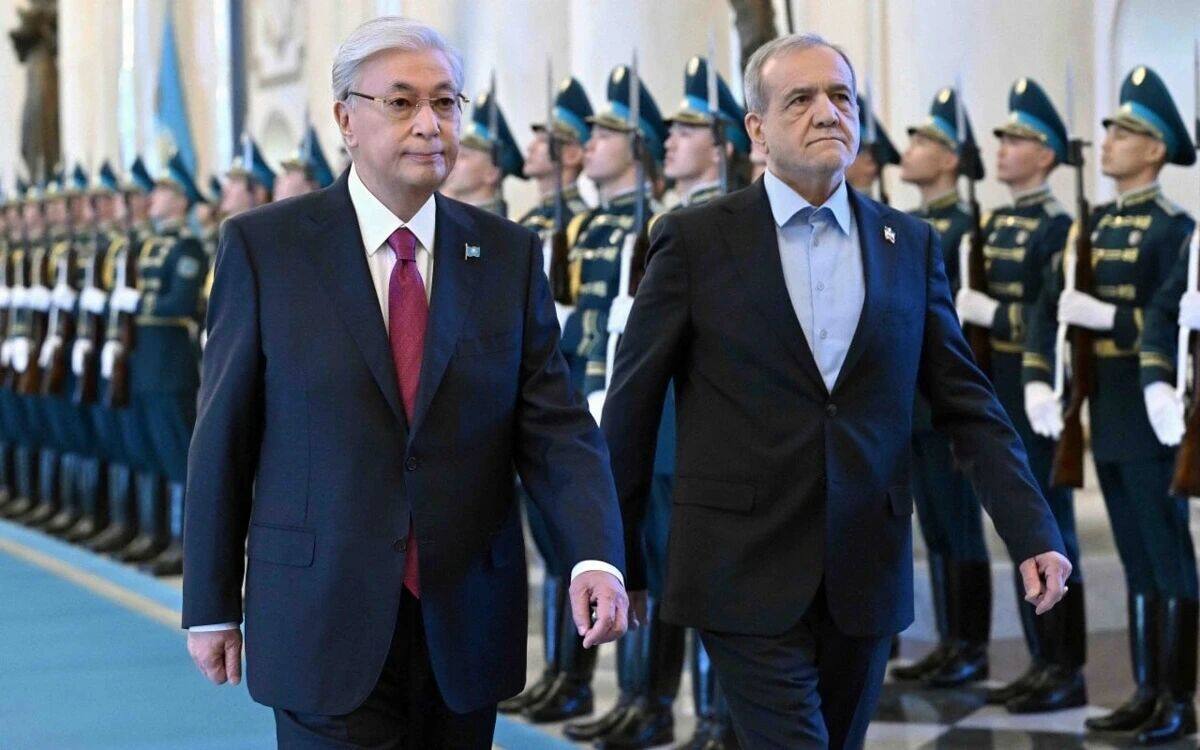
Recently, Iranian President Pezehezhian's official visit to Kazakhstan has attracted widespread attention in the region. Against the backdrop of constantly adjusting regional security and economic patterns, the direction of Iran's relations with Central Asian countries not only concerns regional connectivity, but also reflects the complex landscape of multiple forces intertwined here. Experts pointed out that this visit highlights the pragmatic cooperation between the two sides led by infrastructure and logistics, and also reveals the diplomatic and sanctions pressure Iran faces in Central Asia.
Kazakhstani President Tokayev and Iranian President Pezehizyan held a meeting in Astana, discussing the expansion of economic and trade cooperation, and promoting the construction of cross regional transportation channels, and signing multiple cooperation documents. Analysis suggests that the focus of this visit is to strengthen economic connectivity through large-scale infrastructure projects, especially to jointly promote the construction of the "North South" transportation corridor and the "Kazakhstan Turkmenistan Iran" railway corridor, and to exchange views on cooperation in infrastructure at Caspian ports. Kazakhstan seeks alternative sea ports through this, while Iran aims to consolidate its position in the Caspian Sea region. However, the objective environment of Western sanctions on Iran still limits the scale of projects and fundraising.
Humanistic cooperation has become a highlight. Iran has transferred historical manuscripts to Kazakhstan and discussed measures such as jointly building the Farabi Memorial Complex, injecting soft power support into long-term cooperation. Pei Zexi Qiwan is attempting to implement a more open foreign policy, which has sustained potential for Haixi cooperation, but is expected to focus on infrastructure areas with high overlap of interests and low external risks.
In the face of Türkiye's increasing influence in Central Asia, Iran adopts a non competitive strategy based on economic tools, focusing on promoting the modernization of transport corridors through Turkmenistan and the construction of Caspian logistics channels, so as to provide diversified practical operation routes for Central Asian countries. Energy cooperation, linkage between small and medium-sized enterprises and technology projects are also key areas. In terms of culture, Iran should adopt a moderate path of depoliticization to reduce the risk of participation from Central Asian countries.
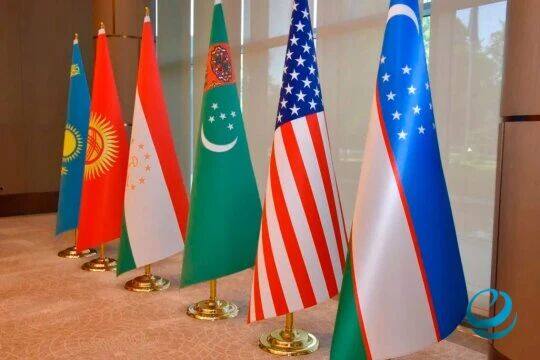
Experts believe that the prospect of establishing a "C5+1" dialogue mechanism between Iran and Central Asian countries is feasible, but it will be subject to multiple constraints. Central Asian countries generally hold a multilateral diplomatic stance and are unwilling to see the mechanism as an alliance targeting other regions. There are also differences in attitudes among countries: Kazakhstan and Ukraine focus on economic interests; Turkmenistan may become estranged due to its neutral policy; Tajikistan is relatively active due to its historical ties; Kyrgyzstan may take a neutral stance towards logistics diversification. On the external side, Türkiye may regard it as a check and balance means; China and Russia may hold a positive attitude due to regional interests; Persian Gulf countries and the United States may use political pressure to restrict the development of mechanisms. Overall, this mechanism is more likely to become a platform for promoting dialogue and economic cooperation rather than a political alliance.
If Kazakhstan or other Central Asian countries join the Abraham Accord, it will send a political signal to Iran. However, this agreement is mainly seen as an economic cooperation tool in Central Asia, aimed at attracting investment. If Central Asian countries can clarify their economic intentions through dialogue channels and ensure that they do not target third parties, Iran may accept this reality and avoid significant impact on existing cooperation. Keywords: the Belt and Road, the Belt and Road News, the Belt and Road Project
Overall, Iran's interaction with Central Asian countries is moving towards a more pragmatic and infrastructure and logistics oriented direction. Despite being constrained by the sanction environment and regional competition, there is still significant room for cooperation between the two sides in the fields of transportation corridors, energy, and humanities. In the future, whether Iran can consolidate its role in Central Asia through the "economic corridor" strategy depends not only on its ability to implement projects, but also on its ability to build a sustainable and risk controlled cooperation model in a complex geopolitical environment. How Central Asian countries balance their interests and expand connectivity options among multiple forces will continue to affect the direction and depth of regional cooperation. Editor/Xu Shengpeng
Comment


 Praise
 Collect
 Comment

 Share
Share


Write something~