 Search


- As a strategic economic corridor project, the project aims to alleviate congestion in the existing road network
- This project will systematically promote regional connectivity and coordinated development in Chhattisgarh, Odisha, and Andhra Pradesh
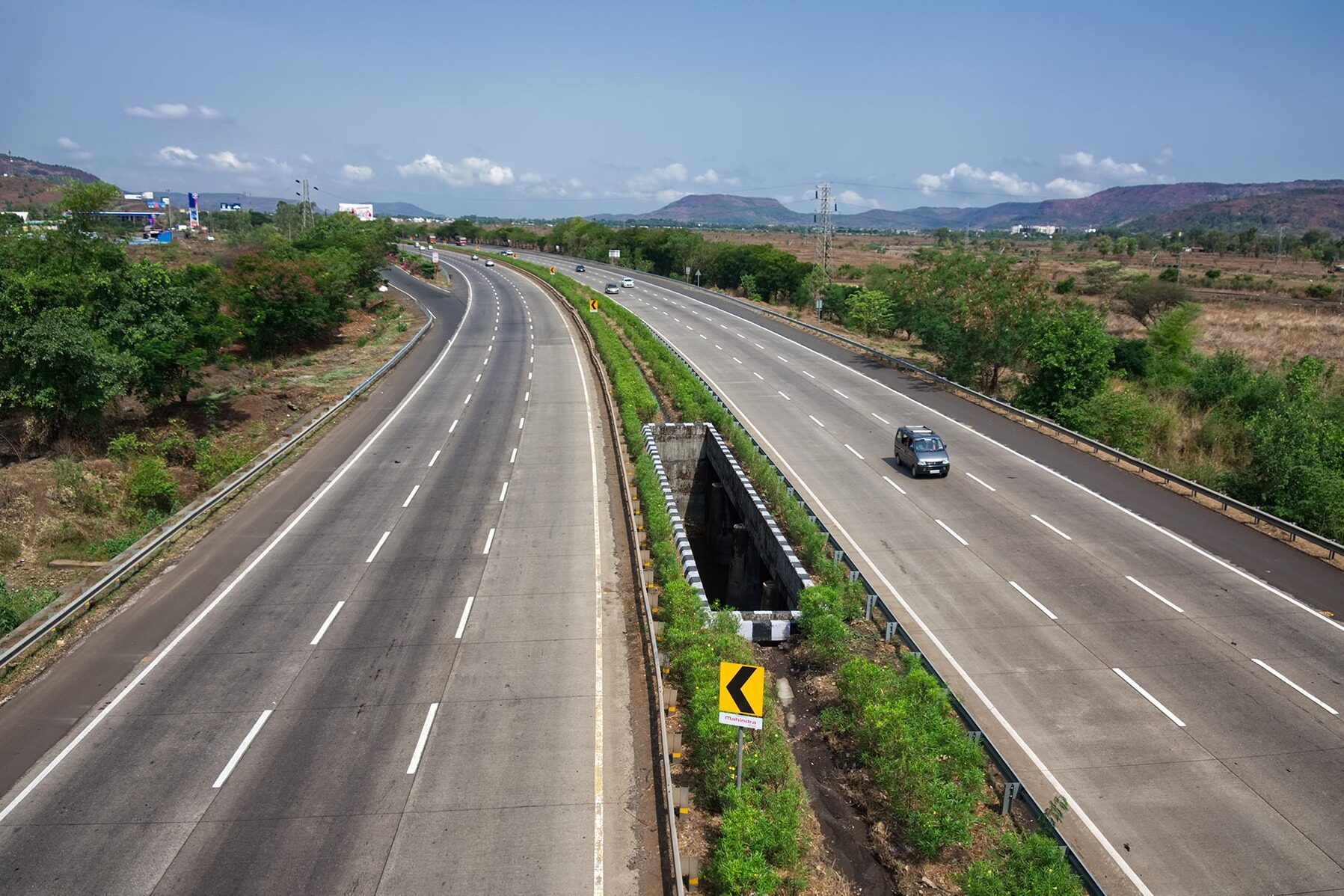
In the vast central and eastern regions of India, a transformation driven by asphalt and concrete is taking place. A brand new highway with a total length of 465 kilometers and a cost of 1.83 billion US dollars is crossing the mountains and forests of Chhattisgarh and Odisha, aiming to closely connect the inland city of Raipur with the port pearl of Andhra Pradesh, Visakhapatnam. When it is completed by the end of 2026, the travel time will sharply decrease from the current 12 hours to only 5 hours, which is not only an improvement in transportation efficiency, but also a strategic economic artery injecting vitality into the inland regions of India.

Core value from 12 hours to 5 hours
The strategic significance of this new corridor, numbered NH-130CD, lies primarily in opening up the most convenient eastward sea outlet for the inland and resource rich state of Chhattisgarh. For a long time, the transportation between inland areas and ports has relied on the existing road network, which is inefficient and costly. The core mission of the new highway is to significantly reduce the heavy traffic load of existing trunk roads such as NH-26 through a high standard direct route, thereby reshaping the regional logistics pattern.
Its economic logic is simple yet powerful: shorter transportation time means lower logistics costs and stronger market competitiveness. For the minerals, steel, and agricultural products of Chhattisgarh, once the last few hundred kilometers to the Visakhapatnam port are unobstructed, they can enter the global market more quickly and inexpensively. This can not only promote trade and transportation activities along the entire corridor, but also attract processing and manufacturing industries that rely on port transportation to layout in inland areas, achieving the transformation from resource exporting areas to industrial receiving areas.
Catalyst for Engineering Ambition and Regional Development
The construction of this corridor itself is an engineering feat of overcoming complex terrain. Recently, the project reached a key milestone - a 2.79-kilometer-long dual tube highway tunnel was successfully completed. This achievement not only demonstrates the determination and ability of the National Highways Authority of India to promote major infrastructure projects, but also ensures that this economic artery can efficiently and reliably cross geographical barriers.
From a broader perspective, the NH-130CD corridor goes beyond the scope of a regular highway. It is clearly planned as an economic corridor aimed at systematically promoting regional connectivity and development among the three states of Chhattisgarh, Odisha, and Andhra Pradesh. Highways, like a development axis, are expected to give rise to new logistics hubs, industrial parks, and urban centers, becoming a powerful catalyst for promoting economic growth and social progress in underdeveloped areas along the route.

The Eastern Chapter of India's Infrastructure Strategy
The Rabur Visakhapatnam Highway is an excellent example for observing India's current infrastructure development strategy. It precisely points to one of the core contradictions of uneven development within the country - the connectivity gap between inland areas and coastal ports. Through such projects, India is attempting to systematically stitch together its internal economic map, integrating its inland resource hinterland with its coastal trade gateway to enhance the overall competitiveness of the country's economy. Keywords: Foreign Engineering Construction News, Southeast Asia Engineering Information Network
When this highway is fully opened in 2026, speeding container trucks will not only transport goods, but also opportunities. It carries the urgent expectation of India's inland regions for deep integration into the domestic and global industrial chain, and is also another important practice of India's national ambition to unleash growth potential by strengthening internal physical connections.Editor/Cheng Liting
Comment

 Praise
 Collect
 Comment

 Share
Share


Write something~