 Search


- The closure of Hainan Island marks the official switch of its development engine
- This means that the construction logic of Hainan has undergone a fundamental transformation
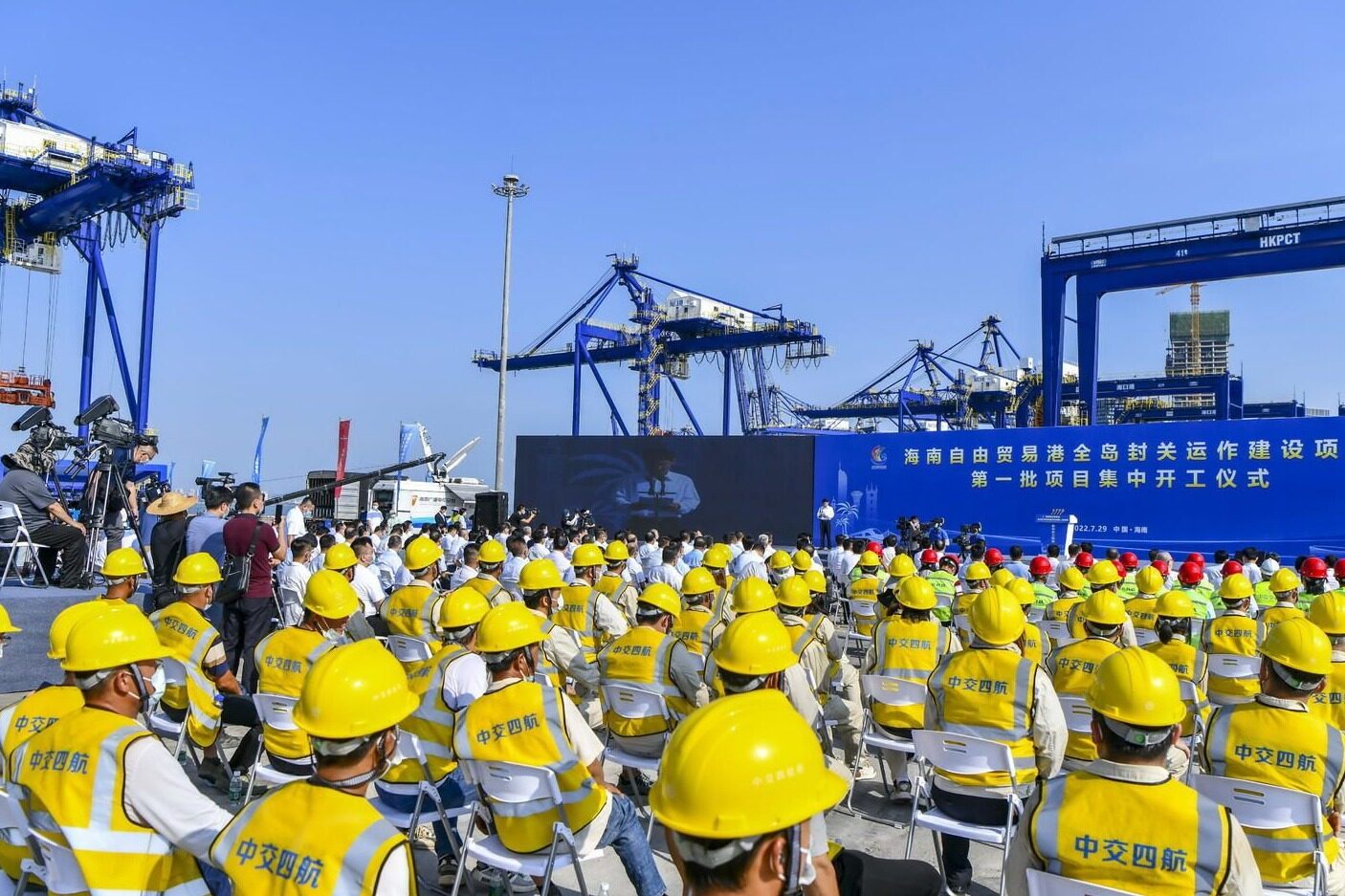
On December 18, 2025, at midnight, the Hainan Free Trade Port officially launched its island wide customs operation, and a special customs supervision area covering an area of 33900 square kilometers stepped onto the world stage. This profound reform with the core system of "opening up the first line, regulating the second line, and promoting freedom within the island" not only marks the comprehensive release of policy dividends, but also signifies a systematic and historic reshaping of the physical foundation that supports all of this - Hainan's territorial space and infrastructure system. When the public's attention is focused on tax-free shopping and corporate tax burden, a "big test" related to spatial layout and hardware upgrading has quietly begun, and the infrastructure market behind it is pressing the definite acceleration key.
Closing the door and opening the curtain, planning to usher in a 'practical period'
If you have been following financial news recently, 'Hainan lockdown' is definitely a high-frequency term that cannot be avoided. This goal, which has been written into the government work report for many years, has finally been officially implemented. The focus of discussion often revolves around "how much cheaper duty-free shopping can be" and "how much tax burden can be reduced for businesses". Few people have delved into how the physical foundation that carries all these grand ideas - the national land space and infrastructure - will undergo earth shattering changes.
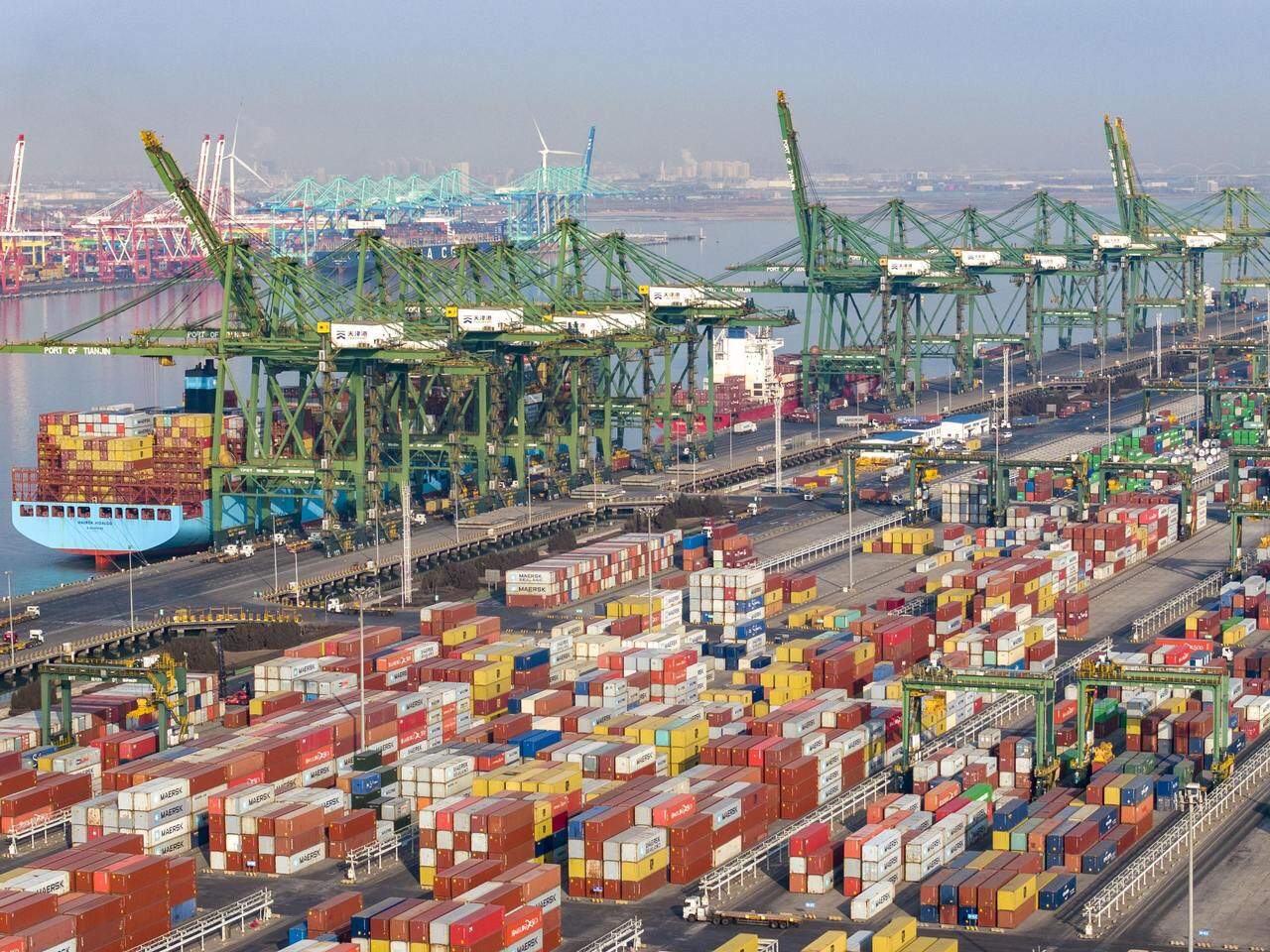
In fact, the lockdown is not only a release of policy dividends, but also a "big test" involving the reshaping of spatial patterns and comprehensive hardware upgrades. The approved "Hainan Province Land and Space Planning (2021-2035)" is the "standard answer" and "construction plan" for this major exam. How will it go from a blueprint to a solid framework supporting the operation of a free trade port?
Spatial Reshaping: Three Major Infrastructure Races under National Land Planning
After the closure, the nature and scale of people, logistics, and capital flows will undergo drastic changes. The core task of national spatial planning is to plan and construct new "channels" and "hubs" for these "flows". The opportunities in the infrastructure market have also emerged clearly in the three major tracks.
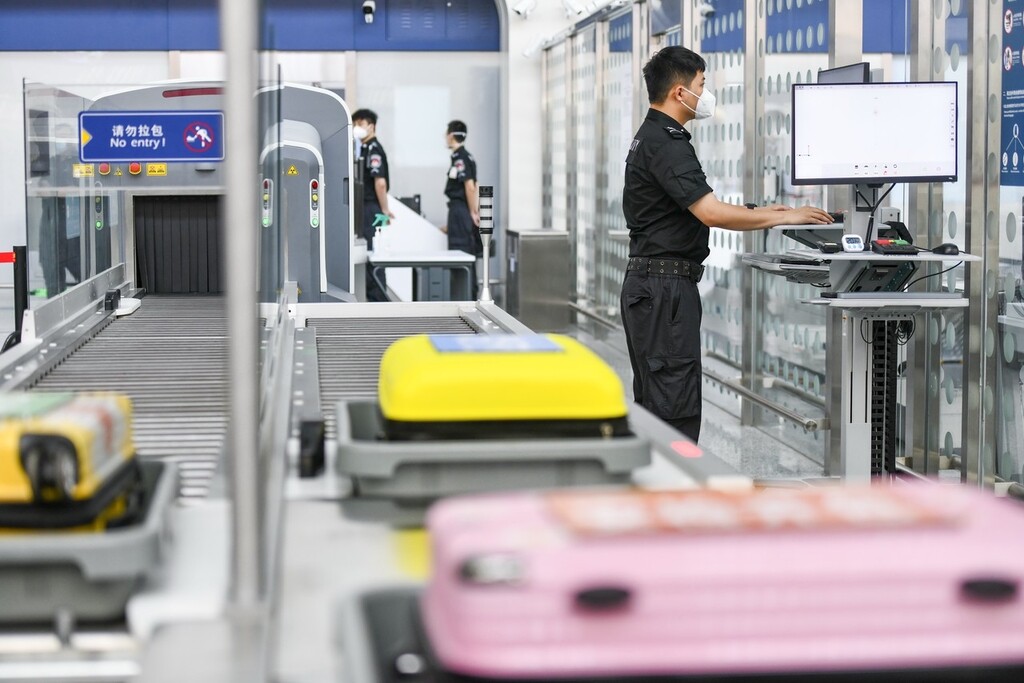
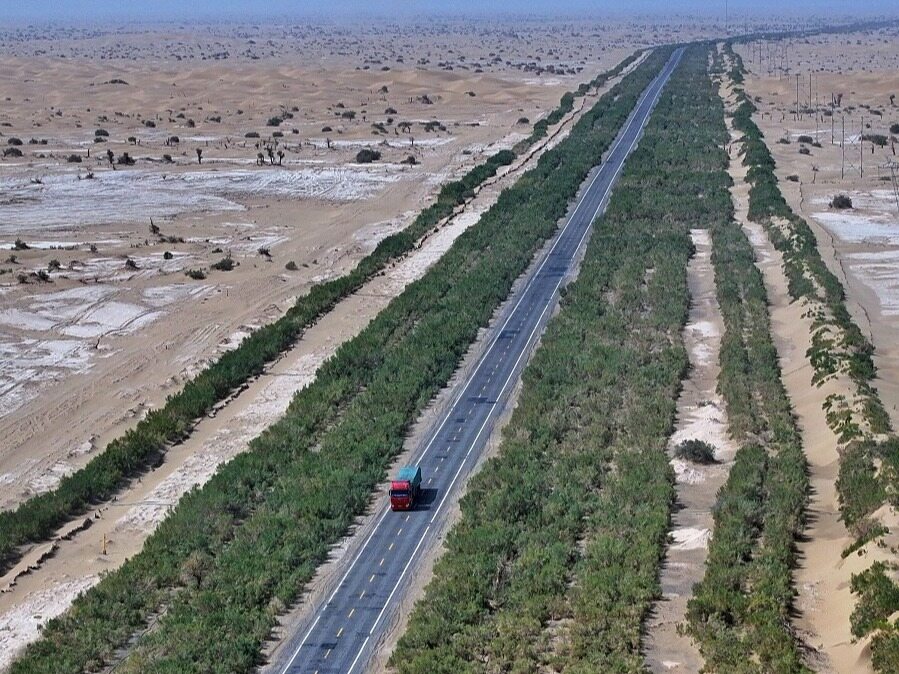
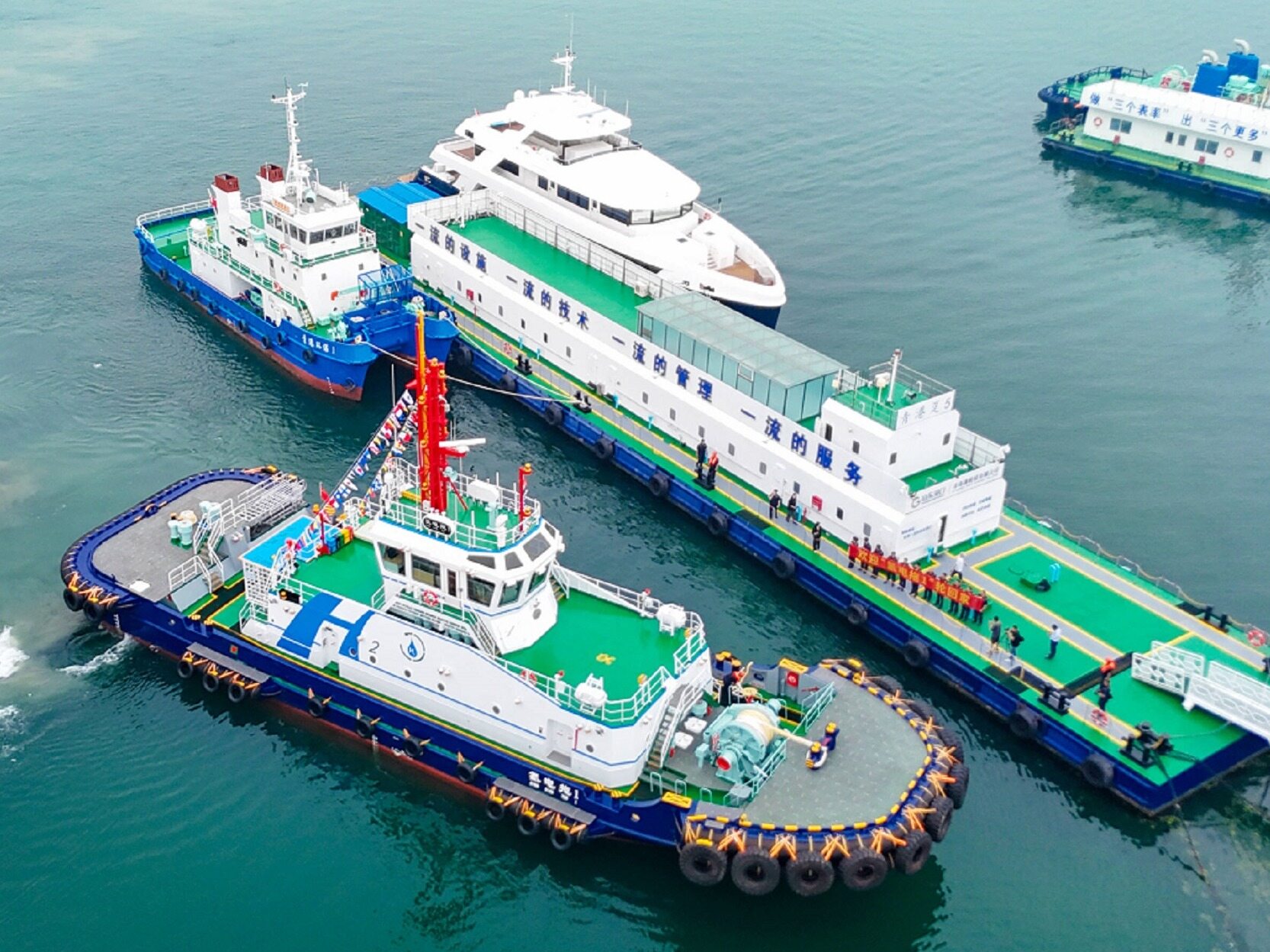
The first track: Sealing off hardware and three-dimensional transportation network. The operation of customs clearance first relies on a complete set of port and regulatory facilities. 8 ports open to the outside world and 10 "second tier ports" regulatory facilities have all been put into use. This is not just about building inspection sites, but also a complex integration of intelligent supervision systems, covering customs, border inspections, maritime affairs, etc. There is a huge demand for new infrastructure such as intelligent inspection equipment, the Internet of Things, and big data platforms. At the same time, in order to match the positioning of "international tourism consumption center" and "dual circulation hub", the traditional "five networks" infrastructure is accelerating the upgrade to an efficient three-dimensional interconnected transportation and logistics system. A batch of projects worth billions of yuan are being promoted: among the annual list of major projects with a total investment of 854 billion yuan, there are as many as 148 infrastructure projects for the "Five Networks". For example, the construction of the Zhanjiang Haikou railway (including the cross sea ferry project) is the "Number One Project" that connects the mainland with the main land route. The expansion project of the G98 Ring Expressway in Sanya aims to alleviate the traffic pressure in the popular economic circle. The 100000 ton public grain and oil terminal project of Guotou Yangpu Port serves international bulk commodity trade.
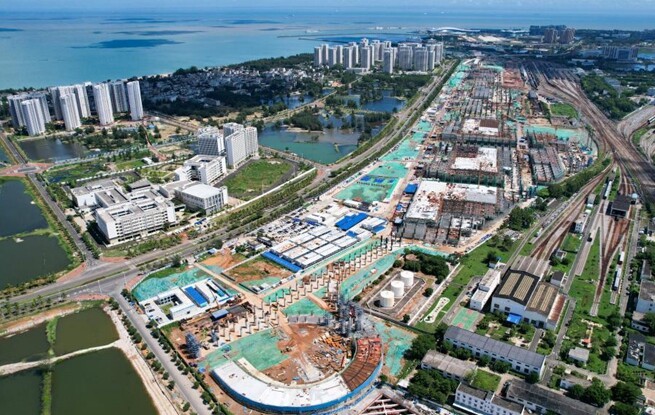
Second track: Industrial carriers and new infrastructure. The policies such as "zero tariffs" brought about by the lockdown aim to attract high-end industries to gather, rather than simple commodity trade. The national land planning guides industries to cluster in 13 key parks and other spaces, which means that there is a strong demand for specialized park infrastructure tailored for modern service industries, high-tech industries, and advanced manufacturing industries. These parks are no longer the traditional model of "seven connections and one leveling", but require high standard factories and laboratories that meet the import of research and development equipment. A data cross-border secure channel and computing power center that supports the digital economy. Green buildings and distributed energy networks that fit the characteristics of tropical islands.
Third track: Integration of culture and tourism with ecological infrastructure. The plan emphasizes "one game of chess for the whole province and urbanization for the whole island", highlighting the coordination of land and sea and the linkage between mountains and seas. This has promoted the construction of linear infrastructure such as the circular island tourism road and the tropical rainforest national park tourism road. These projects go beyond transportation functions and are themselves composite projects that integrate ecological protection, landscape tourism, and cultural experience. They put forward higher requirements for supporting infrastructure such as ecological restoration, smart navigation, and characteristic service areas.
From blueprint to construction site: innovative logic of element guarantee
The blueprint has been drawn, but can the investment of over 800 billion yuan really be 'steadily implemented'? What secret does Hainan have to ensure that these projects do not fall from "planning maps" to "empty talk"? Funds and projects are just the beginning, and the guarantee of resources such as land, sea, and forests is the crucial step towards the implementation of the project. Hainan's innovation in this area may reveal more about the operational logic of the future infrastructure market than the policies themselves.
Hainan has established a "four in one" natural resource guarantee system and promoted it as a case of institutional integration innovation. This system includes: incremental support, optimized approval, and coordinated spatial resources. Stock guarantee: Through innovative models such as "plot ratio drift", a total of 23000 acres of existing land in key parks have been revitalized, and over 190000 acres of idle land have been disposed of. Special guarantee: Establish "green channels" for transportation, energy and other projects. Reverse protection: By optimizing and strictly regulating the region, a closed loop of protection and development is formed. At the same time, the radical approval reform will integrate land and forest approval into the "Eight Ones" system, reducing the average approval time by 18 days. Through intelligent governance systems such as "machine management planning" and "machine management approval", full lifecycle supervision is achieved. Keywords: the Belt and Road, the Belt and Road News
This set of "combination punches" sends a strong signal: the future infrastructure market in Hainan will be a "technology driven" market that prioritizes efficiency, transparent rules, and emphasizes full cycle management. The old mindset of "running horses to conquer land" will be eliminated, and the ability to operate with precision, provide professional services, and digitize management will become the core of a company's competitiveness. Editor/Xu Shengpeng
Comment

 Praise
 Collect
 Comment

 Share
Share


Write something~