 Search


- The construction of the China Vietnam West Line marks the substantial construction of the Lao Cai Hanoi Haiphong standard gauge railway
- A design with a speed of 160 kilometers per hour is expected to reduce the transportation time from Hanoi to the Chinese border by half by 2030
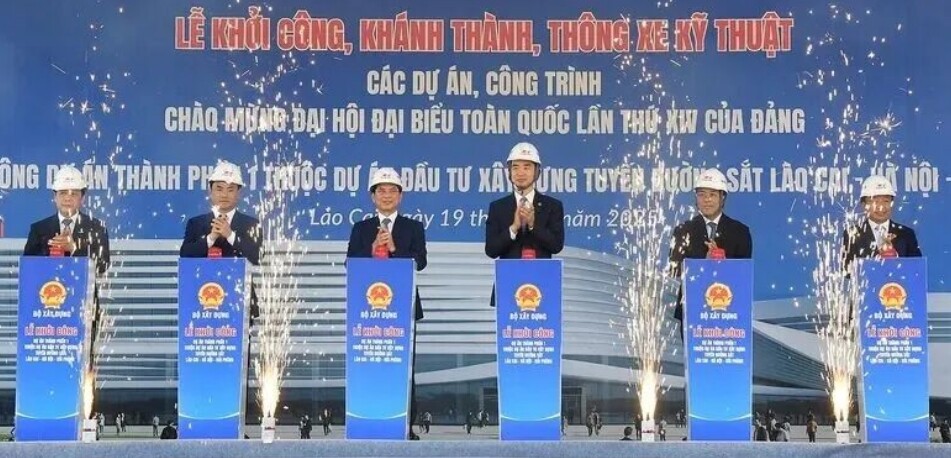
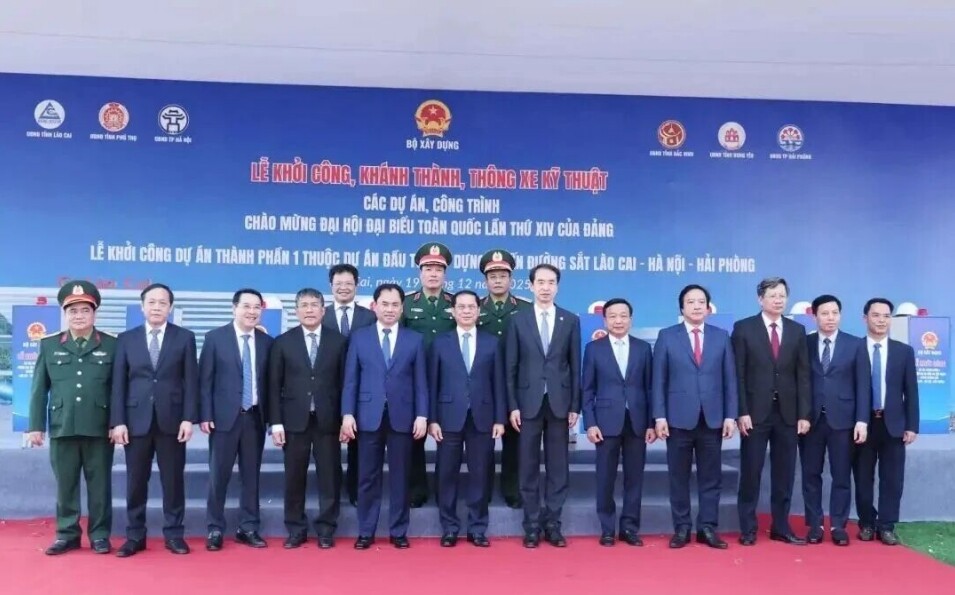
A shovel of yellow soil falls, opening a new chapter in a hundred years of history. On December 19, 2025, at the groundbreaking ceremony of the Lao Cai Railway Station in Vietnam, officials from China and Vietnam jointly laid the foundation for a steel artery that carries the future.
When Ambassador He Wei and Vice Premier Pei Qingshan worked together to cultivate the soil, they opened not just a railway project, but a new era of regional connectivity. This railway extending from Yunnan, China to Haiphong Port in northern Vietnam will completely rewrite the logistics pattern and economic geography of the China Vietnam border. The Lao Cai Hanoi Haiphong standard gauge railway, with a total investment of approximately 54.382 billion yuan and a total length of 418.8 kilometers, is expected to be completed and opened to traffic in 2030, marking a substantial stage in the construction of the China Vietnam West Line railway.
The modernization leap of the century old railway
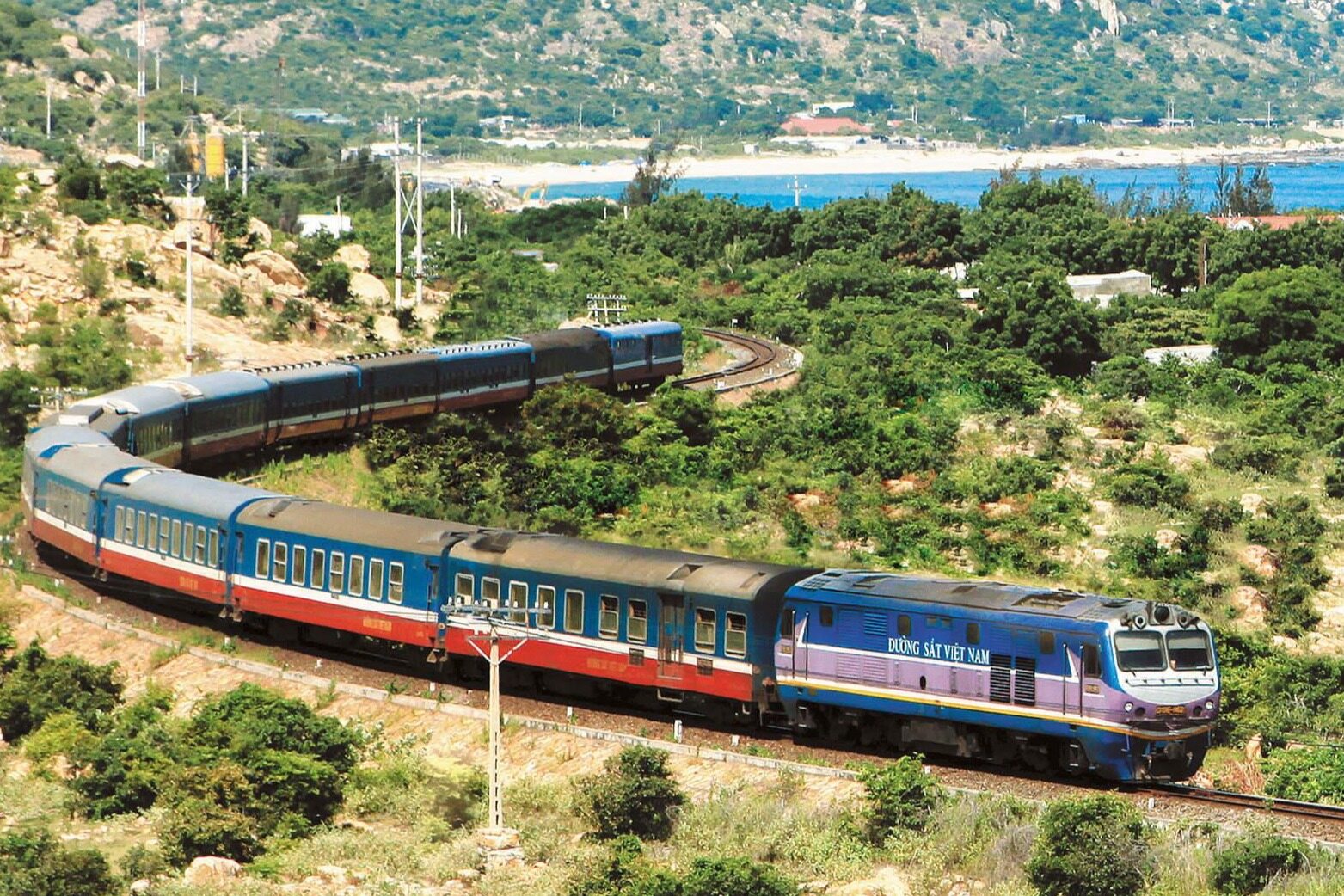
As a historical imprint from a hundred years ago, the Yunnan Vietnam Railway's 1000mm meter gauge standard, although a breakthrough in transportation history, has long been unable to meet the needs of modern logistics. The repeated reloading and slow transportation speed at border ports have become bottlenecks restricting economic and trade exchanges between the two countries.
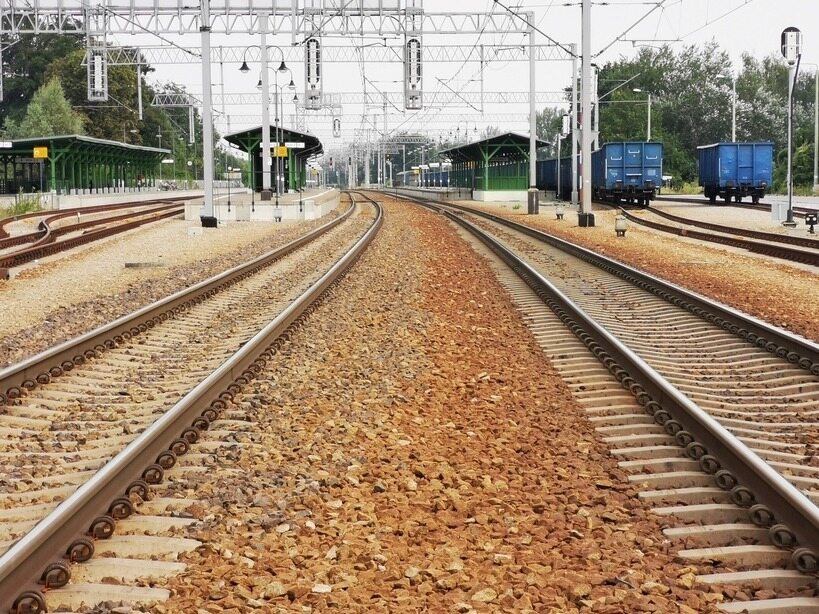
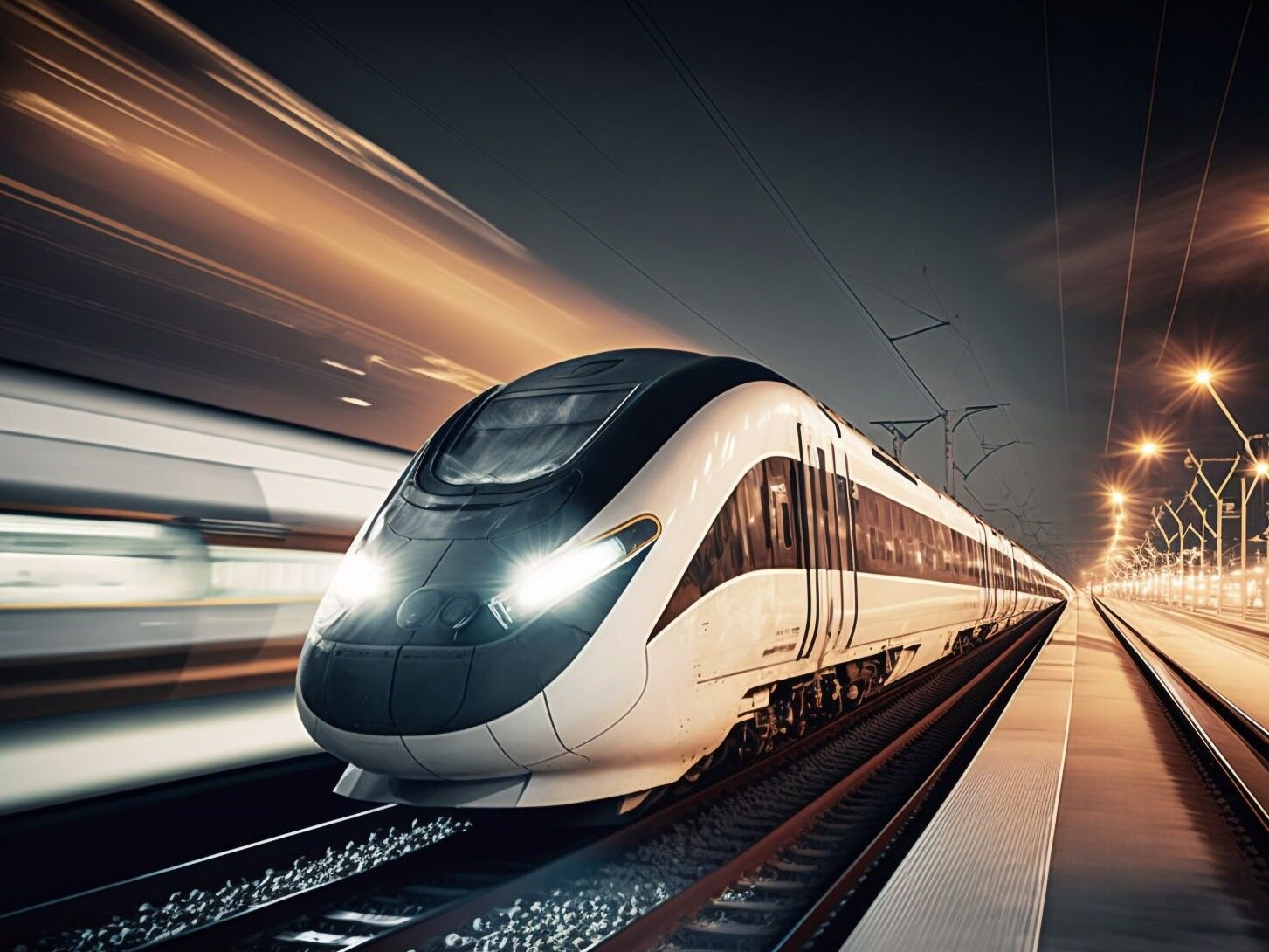
The new railway will adopt the international standard gauge of 1435mm, which is completely consistent with China, and will achieve seamless integration of technical standards. The design speed of up to 160 kilometers per hour not only bids farewell to the era of rail switching in cross-border transportation, but also improves transportation efficiency to an unprecedented level. The construction of this railway marks the transition of China Vietnam railway cooperation from historical relics to modern collaboration.
Strategic reconstruction of economic corridors
The strategic value of this railway far exceeds the transportation infrastructure itself. It directly connects the southwestern region of China with the largest deep-water port in northern Vietnam - Haiphong Port, creating an international logistics corridor that connects inland and maritime areas. After the railway is completed, it is expected that the land transportation time from Hanoi to Yunnan and Guangxi regions in China will be shortened by more than 50%, and logistics costs will be significantly reduced.
For Vietnam, this railway connects the economic center regions that contribute approximately 25.4% of the country's gross domestic product. During the project construction period, approximately 90000 job opportunities will be created, and upon completion, the development potential of industrial zones along the route will be activated. For China, this provides a more convenient seaport for the southwest region and deepens its economic and trade ties with ASEAN.
The Future Blueprint of Regional Interconnection
The Laojie Hanoi Haiphong railway is just a part of the grand blueprint for infrastructure connectivity between China and Vietnam. Among the three cross-border standard gauge railways currently planned, this western railway is given the highest priority for promotion.
The project has been incorporated into the framework of two corridors and one circle in Vietnam and China's regional connectivity planning. In the future, it will complement the China Laos railway and jointly build the China Laos Vietnam railway corridor. Looking further ahead, this railway is expected to connect to Europe through China's railway network, opening up a new land route for Southeast Asian countries to reach the hinterland of the Eurasian continent and reshaping the regional economic geography in a larger context.
The cornerstone laid is not only the starting point of a project, but also a milestone in the process of regional integration. From the ancient meter gauge to the modern standard gauge, what has changed is not only the width of the railway tracks, but also the breadth and depth of regional cooperation. Keywords: the Belt and Road project news/the Belt and Road news

When the first standard gauge train speeds on this new line in 2030, it will witness not only the efficient flow of goods and personnel, but also the solid steps of the two neighboring countries on the path of common development. This steel link connects not only geographical space, but also a shared vision of prosperity for the future.Editor/Cheng Liting
Comment


 Praise
 Collect
 Comment

 Share
Share


Write something~