 Search


- Reducing 1.6 million tons of carbon emissions annually, becoming the core pillar of Egypt's 2030 energy transition goal
- The total investment exceeds 700 million US dollars, making it the largest solar storage project in Africa with a scale of 1GW photovoltaic and 600MWh energy storage
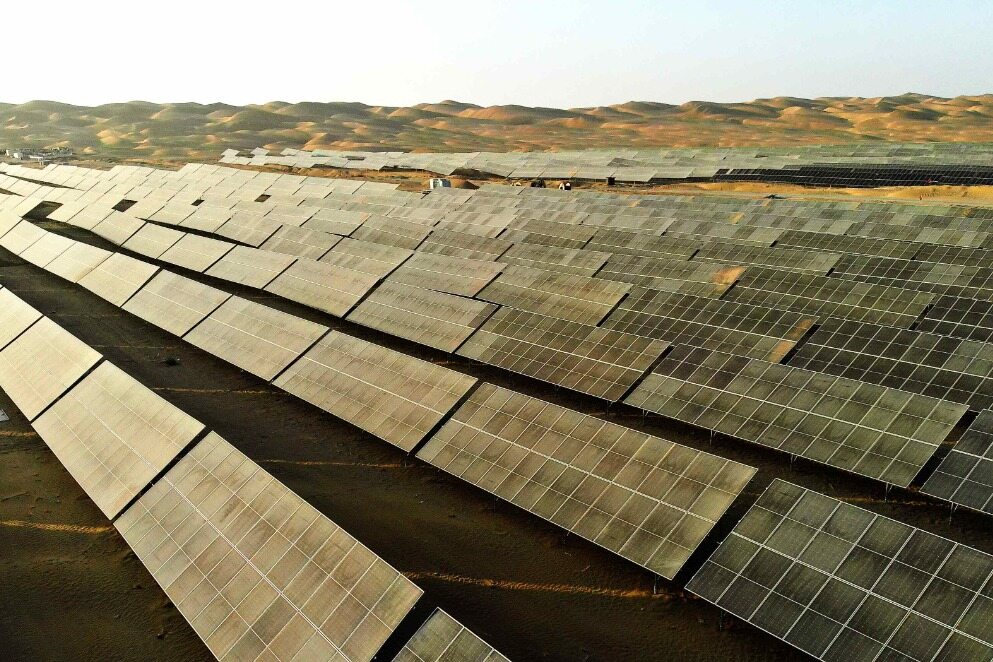
On the vast desert edge of Egypt, the roar of bulldozers broke the silence. This land, once only baked by sunlight, is now transforming into the cradle of a super 'green power station'. With AMEA Power announcing the completion of its financing loop, the largest photovoltaic and energy storage hybrid project in Africa to date, Abidos Phase II, has officially started construction. This project, which integrates modern energy technology and international capital, is like an "electric ark" in the desert, about to rewrite the energy future of Egypt and even Africa.
The technical password for super engineering
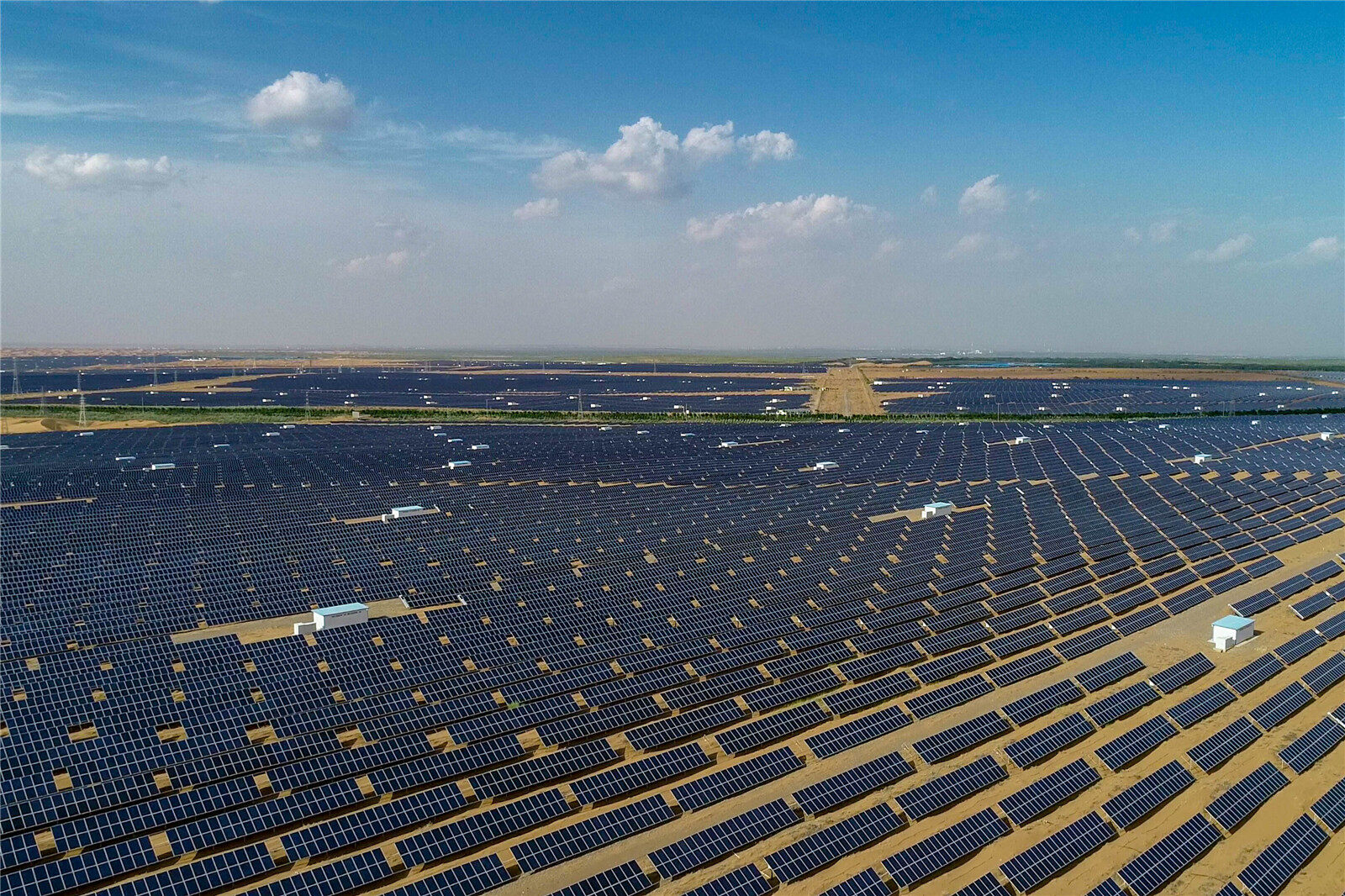
Abidos Phase II is a true energy giant. Its core consists of two parts: a photovoltaic power station with an installed capacity of 1GW, and a supporting 600MWh battery energy storage system. A power generation capacity of 1GW is sufficient to meet the annual electricity demand of over 500000 Egyptian households, while the energy storage system acts as a "giant power bank" for the grid, releasing green electricity at night or on cloudy days, greatly enhancing grid stability. The project is expected to be put into operation in June 2026 and can deliver over 3 million megawatt hours of clean electricity annually, replacing traditional fossil fuels.
Why are international capital betting on Egypt?
Behind this project is the collaborative and win-win situation of multiple forces. The project is jointly developed by Dubai AMEA Power (holding 60% of the shares) and Japan Kyushu Electric Power (holding 40% of the shares), with the latter entering the Egyptian market for the first time. The International Finance Corporation (IFC), a subsidiary of the World Bank, led the provision of $570 million in debt financing, highlighting the confidence of international institutions in Egypt's energy transition. The "4GW Emergency Renewable Energy Plan" launched by the Egyptian government provides policy endorsement for the project, and previously AMEA and Egypt have successfully cooperated to build a 500MW photovoltaic and wind power project, laying a foundation of trust.
The Sample Significance of Energy Transition in Africa
Abidos Phase II is not only a technical engineering project, but also a showcase of development models. The project directly creates over 4000 local job opportunities and drives Egypt towards the goal of '42% renewable energy by 2030'. For African countries facing energy shortages, this project demonstrates that by collaborating with international developers and multilateral financial institutions, solar energy resources can be transformed into tangible development drivers. Egypt has consolidated its regional leadership in renewable energy and provided a valuable path for Chinese companies to participate in photovoltaic and energy storage projects overseas.Editor/Yang Meiling
Comment



 Praise
 Collect
 Comment

 Share
Share


Write something~