 Search


- In the grand blueprint of the Trojena project, Chinese power has become an indispensable core support
- Saudi Arabia achieves dual breakthrough through Trojena project: on the one hand, it enters the global high-end tourism market with the scarcity of "desert ice and snow"
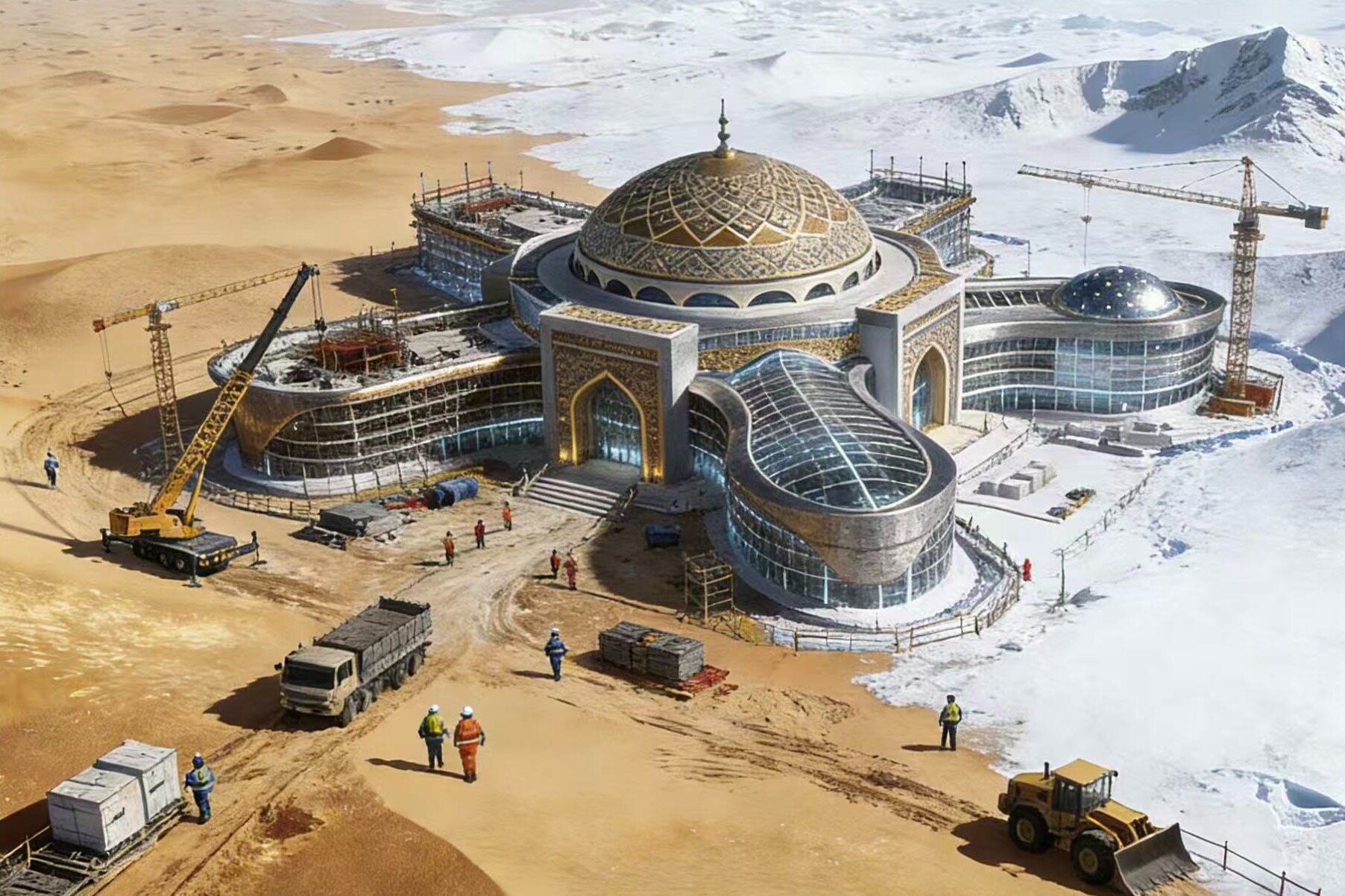
In the heart of the Nefud Desert at an altitude of 2400 meters in northern Saudi Arabia, a super project that subverts natural cognition and development logic is breaking ground - the Trojena Ski Resort with a total investment of 500 billion US dollars, as the core engine of NEOM Future City, will not only host the 2029 Asian Winter Games, but also become the ultimate declaration of Saudi Arabia's "2030 Vision" economic diversification transformation with the pioneering concept of "making snow mountains in the desert". This infrastructure revolution that crosses natural boundaries not only embodies the ambitions of Middle Eastern tycoons, but also marks the era of deep integration of technology and capital between China and Saudi Arabia, providing a new paradigm for global extreme environmental infrastructure and international cooperation.
500 billion leveraged national transformation revolution

The birth of Trojena fundamentally broke the natural shackles of "no ice and snow in the desert" and carried Saudi Arabia's national demand to break free from oil dependence. The project covers an area of 27 square kilometers and plans to build 36 kilometers of professional ski slopes, 2.8 kilometers of artificial ecological lakes, and more than 15 high-end hotel clusters. The goal is to create the world's first "fully operational" desert ice and snow resort - with skiing events and ice and snow experiences as the core in winter, and transforming into an immersive destination for mountain biking, high-altitude exploration, and digital tourism in summer. It is expected to receive over 700000 tourists annually from 2030, directly creating tens of thousands of job opportunities.
As the first West Asian country to host the Asian Winter Games, Saudi Arabia has achieved a dual breakthrough through the Trojena project: on the one hand, it has entered the global high-end tourism market with the scarcity of "desert ice and snow", reshaping its national image; On the other hand, through project guidance, we aim to cultivate non oil industry clusters such as ice and snow equipment manufacturing, high-end tourism management, and ecological operation and maintenance, and promote the transformation of the economic structure towards innovation driven development. To achieve this initiative, the project integrates natural low temperatures in mountainous areas during winter (up to -5 ℃ at night) with the world's top artificial snow making technology, and innovatively adopts a green supply system of "seawater desalination+renewable energy", giving the ice and snow world in the desert the core capability for sustainable operation.
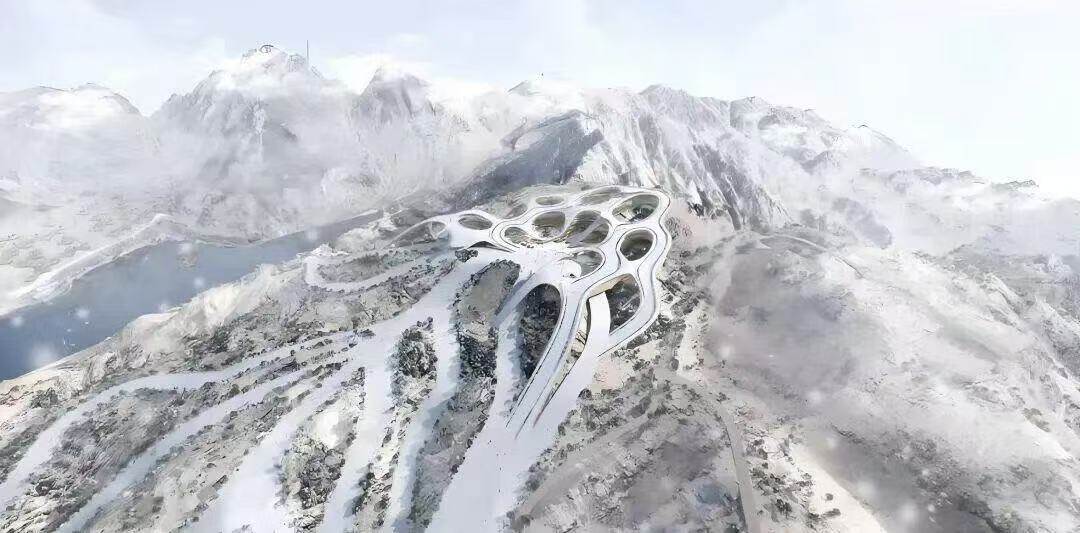
Chinese technology solves extreme environmental infrastructure problems
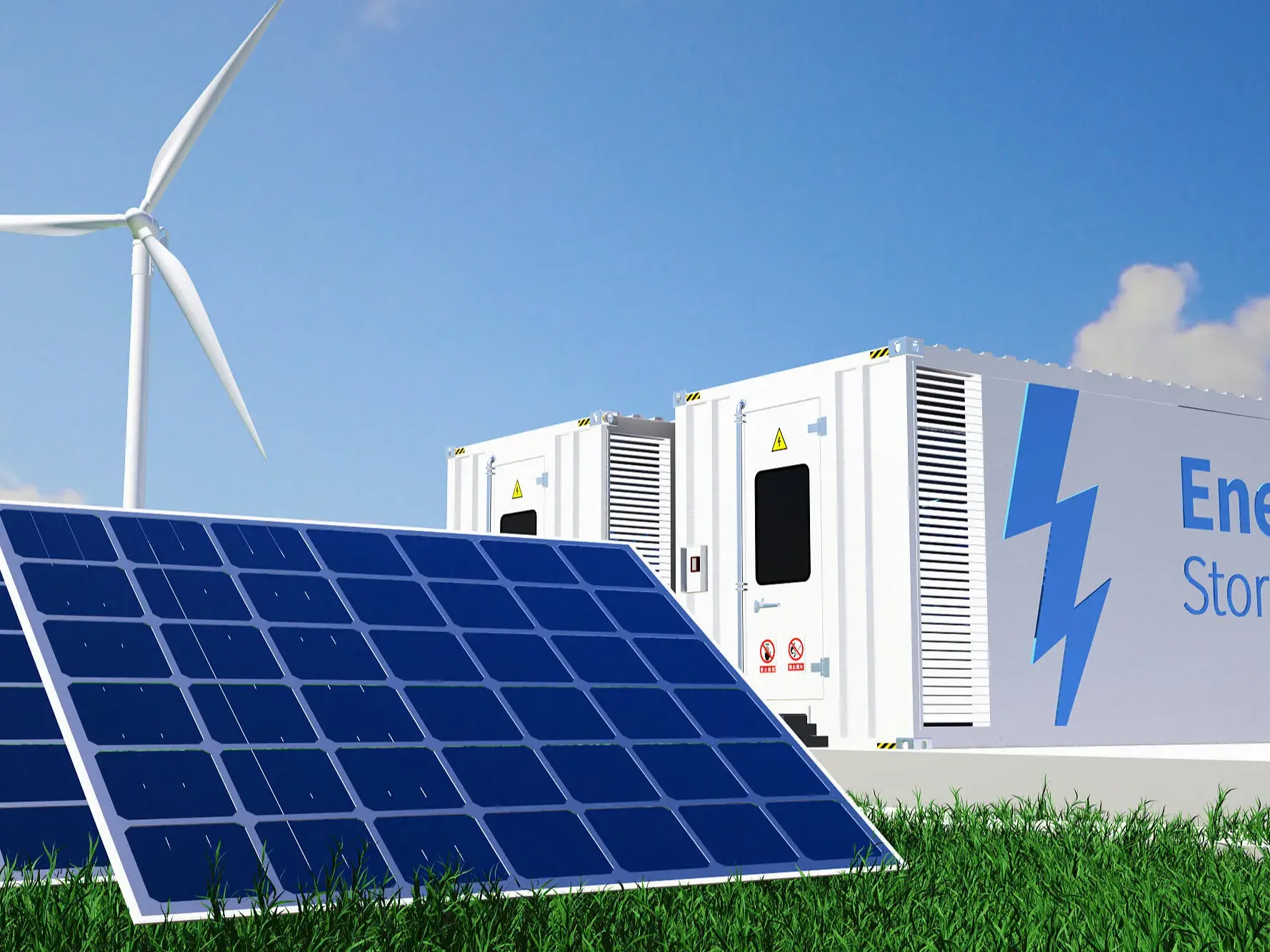
In the grand blueprint of the Trojena project, Chinese power has become an indispensable core support. Faced with the harsh construction environment of high altitude, day night temperature difference exceeding 30 ℃, and frequent sandstorms, Chinese infrastructure companies have brought their experience in extreme working conditions accumulated in the Qinghai Tibet Plateau and northwest desert. From wind and sand fixation and frozen soil treatment in foundation engineering to anti temperature difference design in main buildings, they comprehensively ensure the safety and durability of the project. More importantly, China Saudi Arabia has jointly overcome the world-class problem of high energy consumption in desert snowmaking and developed a closed-loop solution of "photovoltaic+energy storage+intelligent snowmaking".
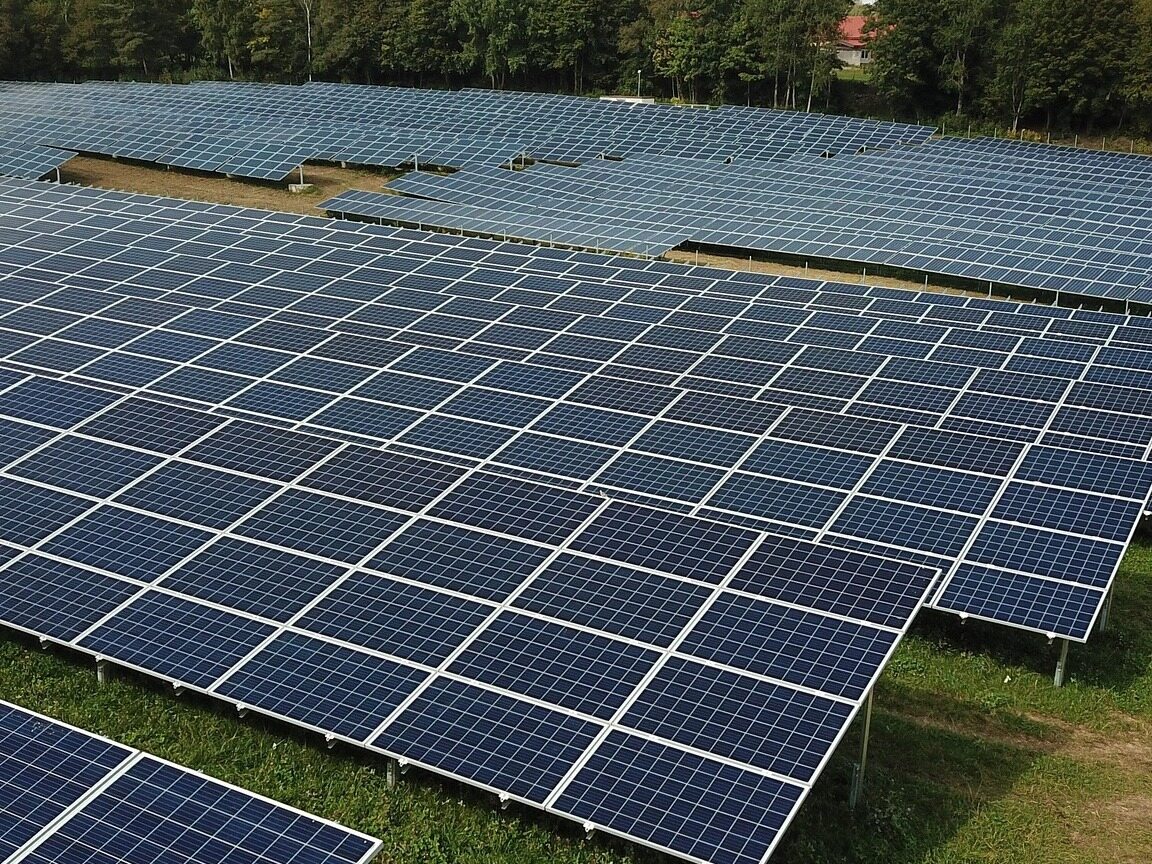
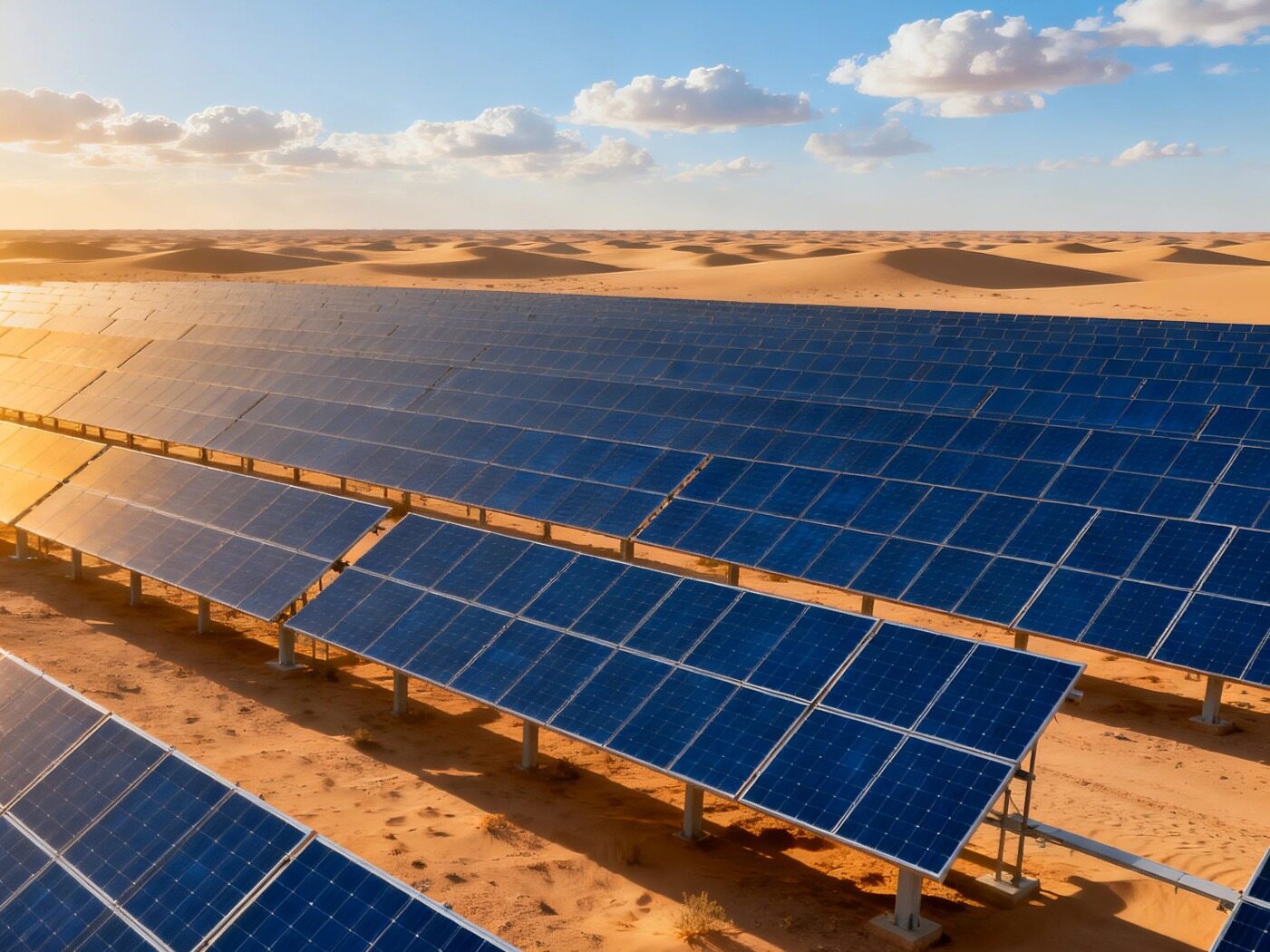
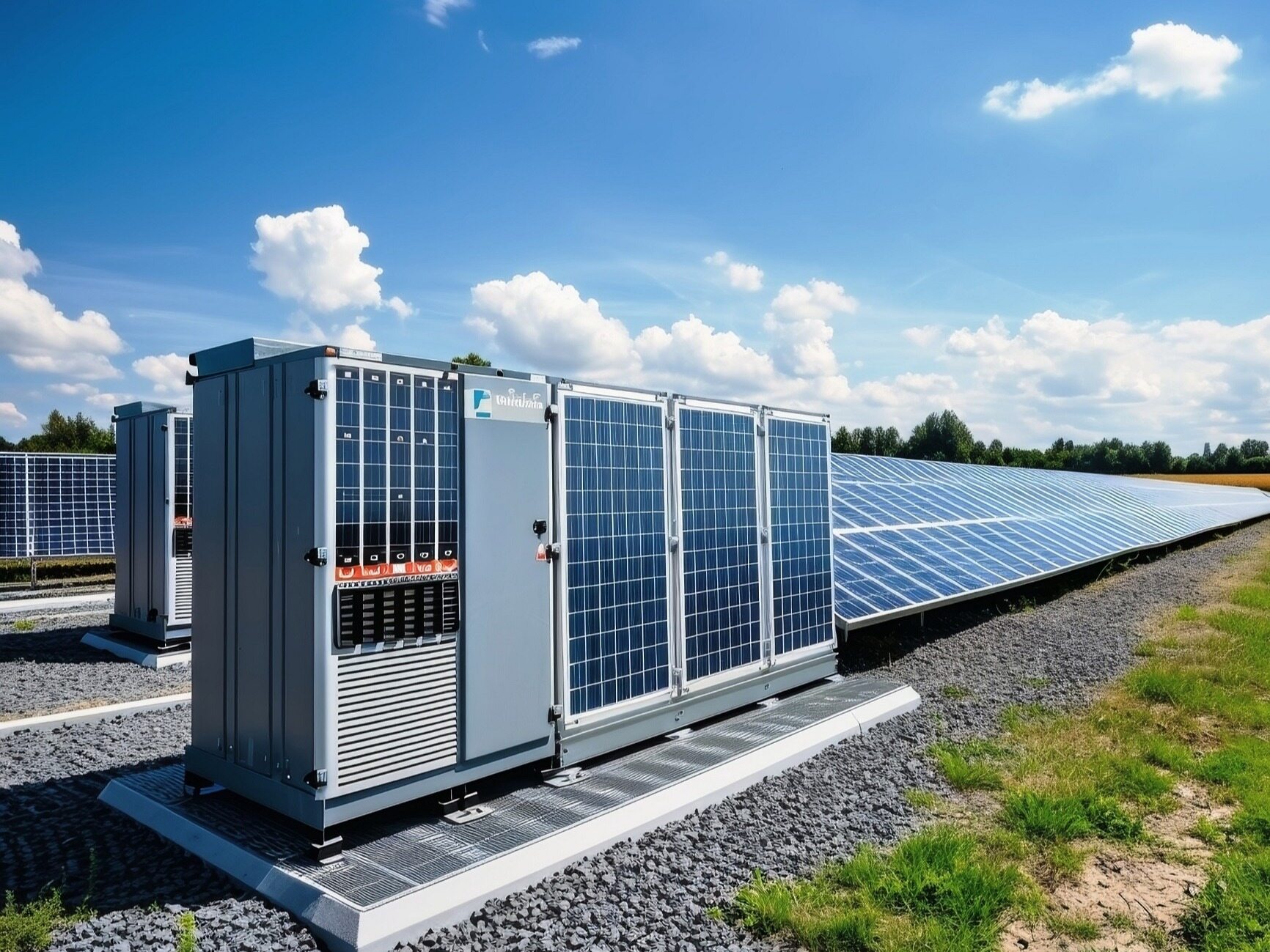
This plan is centered around a gigawatt photovoltaic power station that is paired with a large capacity energy storage system. It releases clean energy to drive snow making machines during low temperature periods at night (with optimal snow making efficiency), reducing carbon emissions to the lowest in the industry and lowering operating costs by more than 40% compared to traditional models. It sets a sustainable benchmark for ice and snow projects in extreme environments worldwide. In addition, China's "full industry chain output" model runs through the entire project: from customized production of core equipment such as snow making machines and snow rollers, to resort planning and design, operation and management system construction, and then to targeted training of local technical talents, forming an integrated empowerment of "hardware+software+talent", helping Saudi Arabia quickly build an independent and controllable ice and snow industry ecosystem.
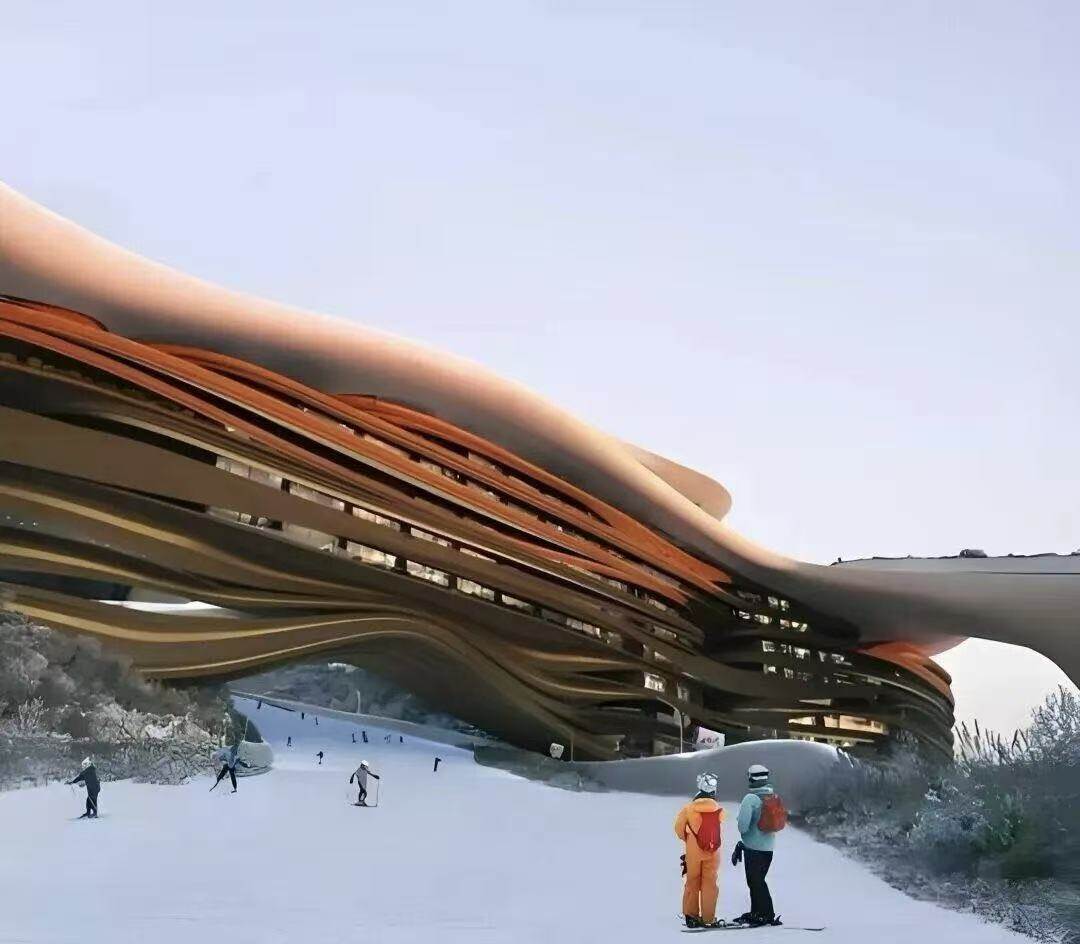
Not just snow capped mountains, but also a model for future cities
The value of Trojena far exceeds that of a ski resort, as it is positioned as a 'future testing ground' leading the comprehensive socio-economic transformation of Saudi Arabia. The project plan includes the construction of a technology research and development park, a green residential cluster, an international school, and a medical center, forming a smart new city that integrates tourism, industry, and life, attracting innovative talents and enterprises from around the world to settle in. At the industrial level, the project will drive the upgrading of modern service industries such as high-end equipment manufacturing, digital cultural tourism, and ecological governance, and lead Saudi Arabia's local industrial chain to extend towards high value-added fields; At the societal level, through large-scale skill training programs, Saudi youth will be cultivated into professional talents such as ice and snow sports coaches, intelligent operation and maintenance engineers, and high-end service managers, promoting the transformation of the labor force structure from resource dependent to skill intensive.
More profoundly, Trojena has become a model for the integration of the "the Belt and Road" initiative and Saudi Arabia's "Vision 2030". The cooperation model of "Chinese technology+Saudi capital" not only achieves complementary advantages, but also opens up a new path for international infrastructure cooperation - no longer simply engineering contracting, but deeply participating in the full life cycle cooperation of planning, research and development, and operation, jointly addressing global challenges such as climate change and resource constraints. This snow capped mountain rising in the desert is not only a miracle of human engineering to transform nature, but also a symbol of mutual learning and win-win development among civilizations, lighting up new possibilities for the transformation of the Middle East region.
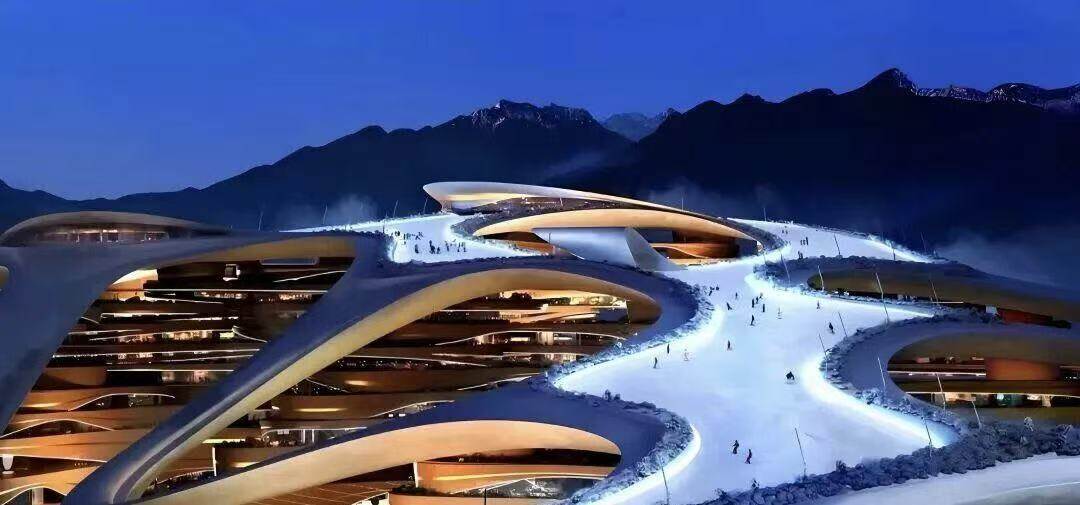
When the torch of the 2029 Asian Winter Games is lit on the top of desert snow capped mountains, Trojena will prove to the world that natural boundaries can be crossed, development models can be innovated, and the depth and breadth of international cooperation will ultimately define the future development heights. This strategic practice, which cost $500 billion, not only rewrote Saudi Arabia's economic map, but also left a profound mark on the history of global infrastructure cooperation between China and Saudi Arabia.Editor/BIanWenjun
Comment

 Praise
 Collect
 Comment

 Share
Share


Write something~