 Search


- This expansion will strengthen transportation services in the core area of Delhi and fill network gaps
- The addition of new routes not only meets the continuously growing demand for passenger transportation, but also guides more citizens to use green travel methods
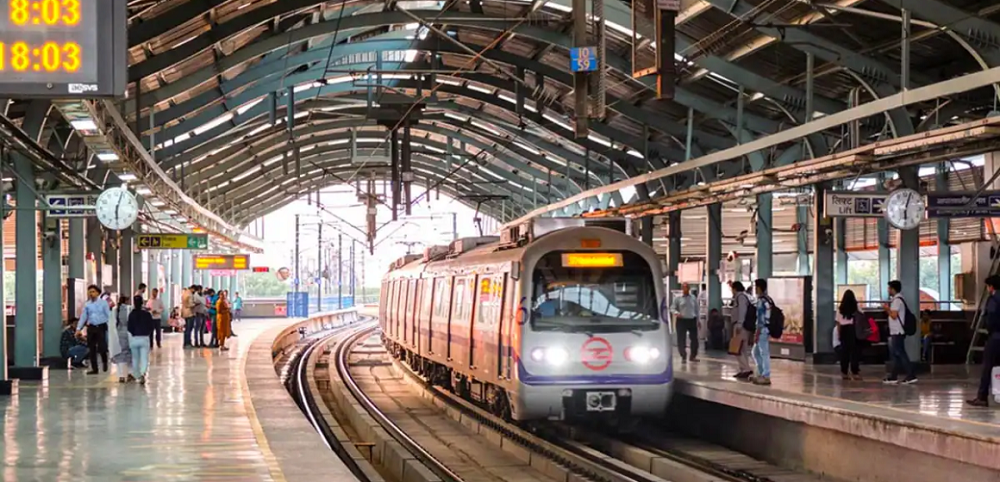
As one of the largest subway systems in the world, carrying the dreams of nearly millions of passengers every day, the Delhi subway network in India is undergoing another critical expansion. Recently, Indian Prime Minister Modi officially approved a new construction plan with a total investment of 12.15 billion rupees, which will add three new corridors with a total length of 16 kilometers to the already nearly 400 kilometer network, including 13 new stations. This is not only a simple increase in mileage numbers, but also marks the evolution of the public transportation framework of this super city towards a smarter, more efficient, and greener direction, aiming to fundamentally reshape the operational logic and living experience of the city.
Three new corridors connecting the core and the future
The approved expansion project, known as Phase 5 Part A, focuses on accurately filling network gaps and strengthening connections in key areas. The three new corridors each have their own focus, together forming a denser transportation network.
The most eye-catching one is the extension of the botanical garden to the RK Ashram Avenue corridor, which is nearly 10 kilometers long. It will cross the heart of New Delhi and reach the Central Vision Area, which is undergoing large-scale modernization. This corridor promises to provide seamless and convenient subway access for the daily 60000 to 200000 visitors and staff of this national level political and administrative center, making it a track under the country's borders. In addition, the short distance connecting line from Aerocity to Terminal 1 of Indira Gandhi International Airport will greatly enhance the efficiency of air rail intermodal transportation for international passengers; The extension from Tughlakabad to Kalindi Kunj will extend the subway network deep into the southern part of Delhi, serving densely populated areas such as Tughlakabad and Saket, easing the local ground transportation pressure. It is worth mentioning that out of the 13 stations on the new line, 10 are underground stations, demonstrating the determination to advance the project in the complex urban fabric.
Subway as the engine of urban sustainable development
Every extension of the Delhi Metro has a significance far beyond transportation itself. The official estimate is that this expansion will directly reduce millions of metric tons of carbon dioxide emissions, becoming an important urban practice for India to fulfill its climate commitments. The subway network reduces congestion and pollution at the source by attracting people to switch from private transportation to public transportation.
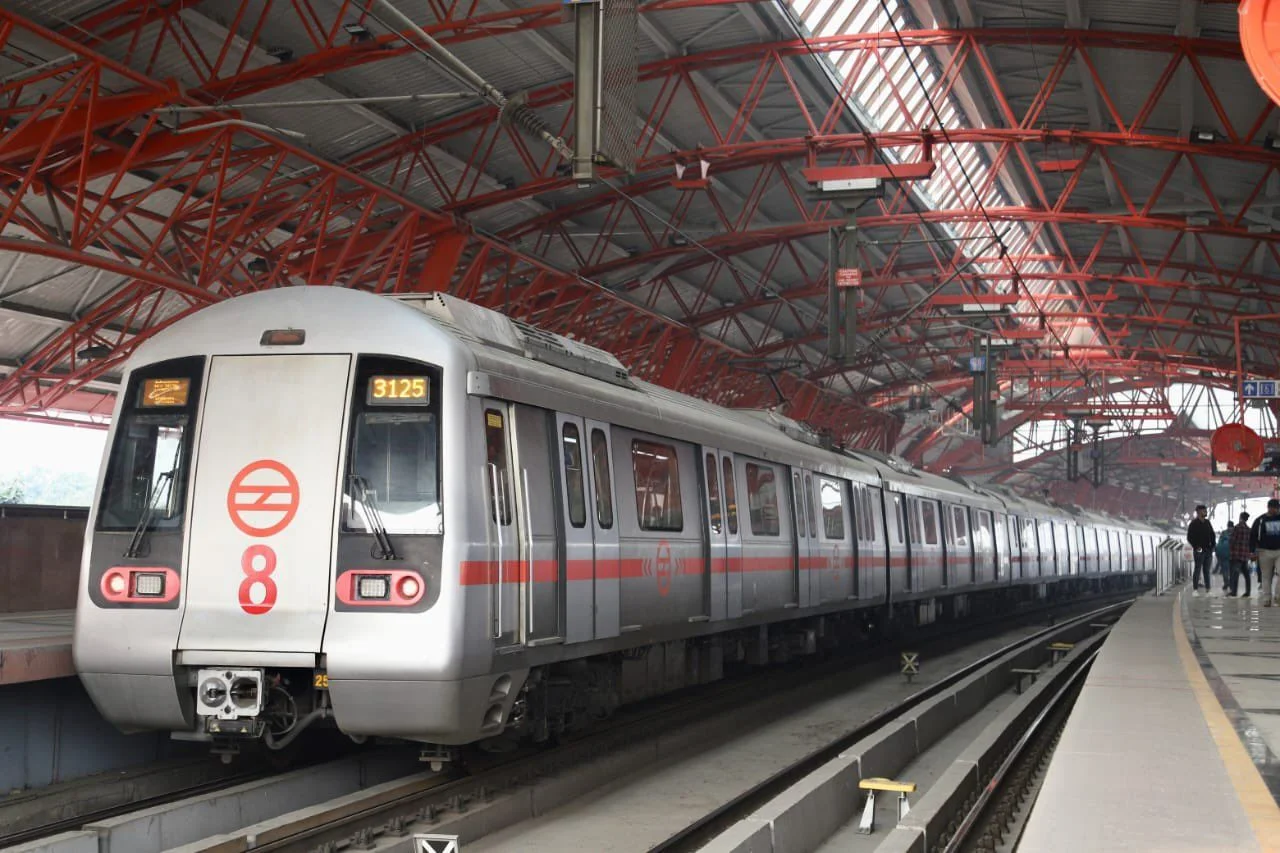
Currently, the larger fourth phase, with a total length of 111 kilometers and 83 stations under construction, is progressing at full speed and is expected to be completed in stages by December 2026. At that time, the total length of the Delhi metro network will further increase significantly. The background of this continuous expansion is the growing demand for passenger transportation in the system: the daily average passenger flow of the Delhi Metro has stabilized at 6.5 million and set a historical record of 8.187 million passengers per day in August 2025. This proves that the subway has become an indispensable lifeline for this mega city. Keywords: Southeast Asian Engineering Information Network, Transportation
The new blueprint of Delhi Metro clearly indicates that its goal is not only to move people, but also to guide the optimization of urban structure, promote regional balanced development, and ultimately drive a profound green travel revolution, from serving as the political artery of the central administrative region, to the efficient channel connecting air gateways, and to the livelihood lines penetrating residential areas. Every new excavation of this underground railway dragon is painting a more connected and livable future for Delhi.Editor/Cheng Liting
Comment


 Praise
 Collect
 Comment

 Share
Share


Write something~