 Search


- This project will increase its annual throughput to 30 million people and provide core transportation support for the 2030 World Cup
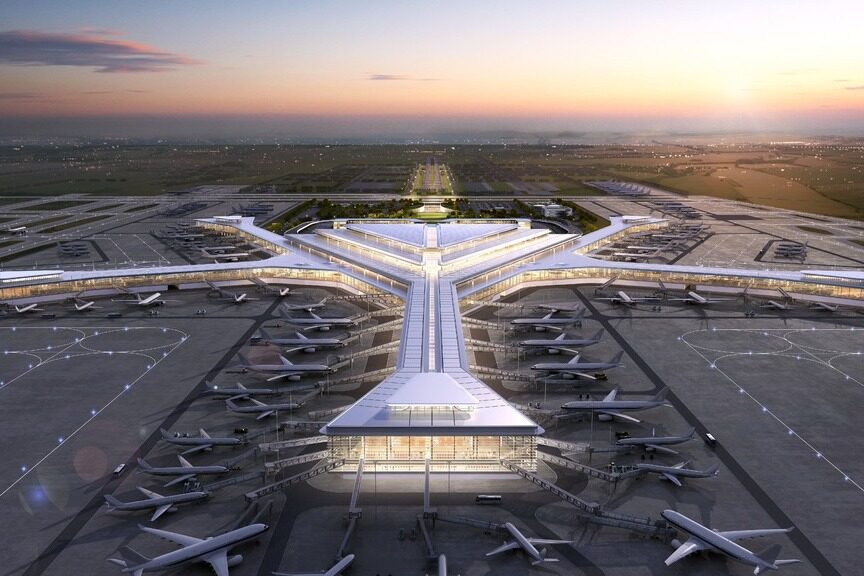
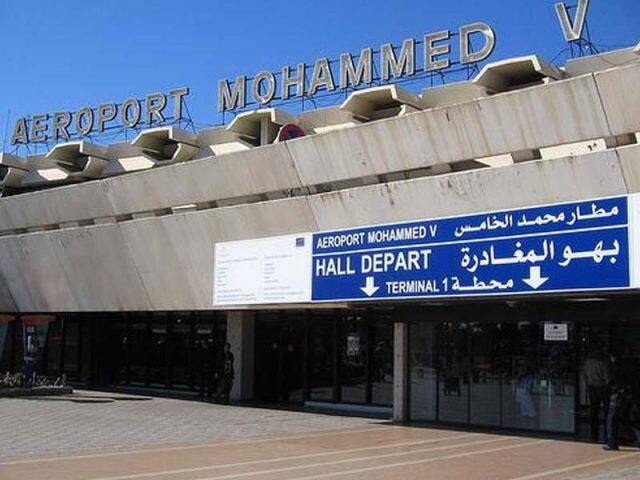
The sunset fell on the runway of Casablanca Mohammed V International Airport, with planes taking off and landing non-stop. As the gateway to Morocco, this airport is undergoing its biggest transformation in seventy years. Recently, the Moroccan National Airport Office (ONDA) awarded a contract to a consortium consisting of local construction giants SGTM and TGCC for a new terminal project worth approximately 12 billion Moroccan dirhams (approximately 1.2 billion US dollars). The project is about to start, and it is expected that by 2029, a modern terminal building with a construction area of over 600000 square meters will be erected, with an astonishing annual passenger throughput capacity of 30 million.
This is not only an expansion of the airport, but also a national strategy. With Morocco, Portugal, and Spain jointly securing the hosting rights for the 2030 FIFA World Cup, Casablanca is positioned as a core aviation gateway. The new terminal must be put into operation before the World Cup to welcome the global tide of fans and tourists. Moroccan Minister of Transport and Logistics Abdessamad Kayouh has revealed that the expansion research of Casablanca Airport has reached a perfect level, and it is the flagship project in the national airport network upgrade plan with a total investment of about 42 billion dirhams (about 4.3 billion US dollars). The plan also includes upgrading airports in multiple locations such as Tangier, Marrakesh, Agadir, Rabat, and Fez, to comprehensively weave a modern aviation network.

What is even more remarkable is the blueprint for future transportation connections: the new terminal will directly connect to Morocco's Ganitra Marrakesh high-speed railway network, achieving seamless air rail intermodal transportation, allowing passengers to quickly reach major cities. This series of actions demonstrates Morocco's ambition to become a key hub connecting North Africa and even the European and African continents.
The 'Chinese Opportunity' in the Billion Dollar Project
Although the general contracting contract falls on local enterprises, the "flesh and blood" of this future hub - that is, a large number of high-value, high-tech professional systems and equipment - still opens its doors to global suppliers. This means huge market opportunities for Chinese companies with strong competitiveness in the fields of electromechanical, digital, and airport specific systems.
The project covers a wide range, from preliminary earthwork to the main structure, as well as complex electrical, mechanical, and plumbing engineering (MEP), data centers, HVAC systems, and even the construction of an airside airport hotel. Among them, the procurement of many core equipment and systems will become the focus of competition for Chinese enterprises.
Which fields are the most competitive?
Analyzing project requirements, opportunities for Chinese enterprises mainly focus on three major areas:
Electromechanical and energy equipment: including large chillers, cooling towers, air handling units (AHUs), transformers, high and low voltage switchgear, uninterruptible power supplies (UPS), emergency generator sets, and intelligent lighting control systems. These are the advantageous areas of Chinese manufacturing, and many products already have international top quality.
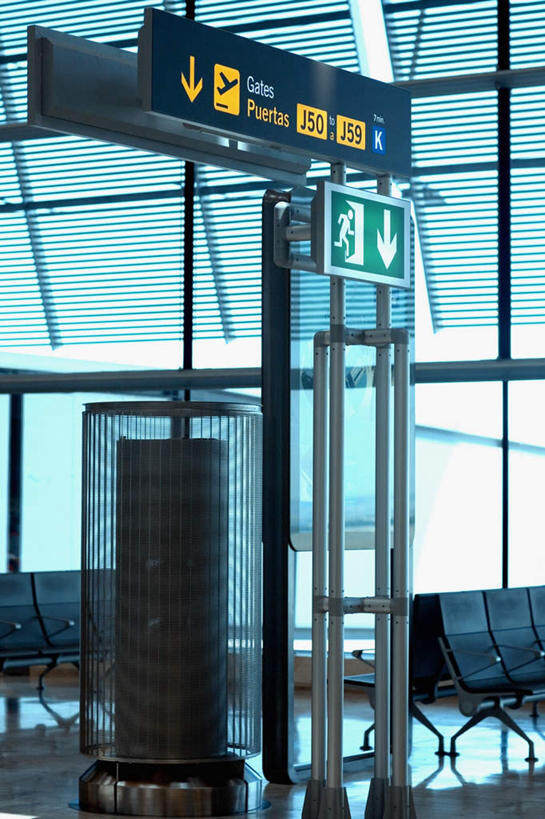
Airport specific system: This is the core of technology integration, including automated baggage handling system (BHS), passenger boarding bridge, security system interface equipment, flight information display system (FIDS), and comprehensive security system (closed-circuit television, access control). Chinese suppliers have rich overseas project experience in such large-scale system integration.

Digitization and Smart Airports: Future oriented terminals cannot do without a powerful 'brain'. The complete set of equipment (servers, networks) in data centers, as well as intelligent building management platforms (IBMS) or overall smart airport solutions, are the stage where Chinese technology companies can showcase their strengths.
Compliance with standards and deep cooperation
However, entering this market is not without barriers. ONDA has extremely high requirements for project equipment to adopt European standards and international certifications. Chinese enterprises must ensure that their products comply with the CE and EN series standards, as well as the relevant recommended measures of the International Civil Aviation Organization (ICAO).
Usually, these high-value devices are not purchased directly by the general contractor, but through professional subcontractors and reference to the brand shortlist specified by the project. This means that Chinese companies not only need to have excellent products, but also need to actively establish close contacts with local general contractors, design consortia (including well-known institutions such as Egis in France and RSHP in the UK), and potential subcontracting partners, deeply understand project requirements, in order to successfully enter the supply chain. Keywords: infrastructure engineering, engineering construction news
As the project enters the substantive promotion stage (the preliminary engineering contract was signed in July this year), the construction of this future largest aviation hub in North Africa has fully begun. It is not only Morocco's "air gateway" to the 2030 World Cup, but also an important stage for Chinese infrastructure, equipment, and technology companies to deeply participate in major engineering projects in North Africa, showcasing China's manufacturing and creative strength.Editor/Yang Meiling
Comment




 Praise
 Collect
 Comment

 Share
Share


Write something~