 Search


- These projects will significantly improve the internal accessibility and overall efficiency of the road network in northeastern Algeria
- This series of key projects such as road construction form a linkage, jointly contributing to Algeria's efforts to promote economic diversification and reduce dependence on oil and gas
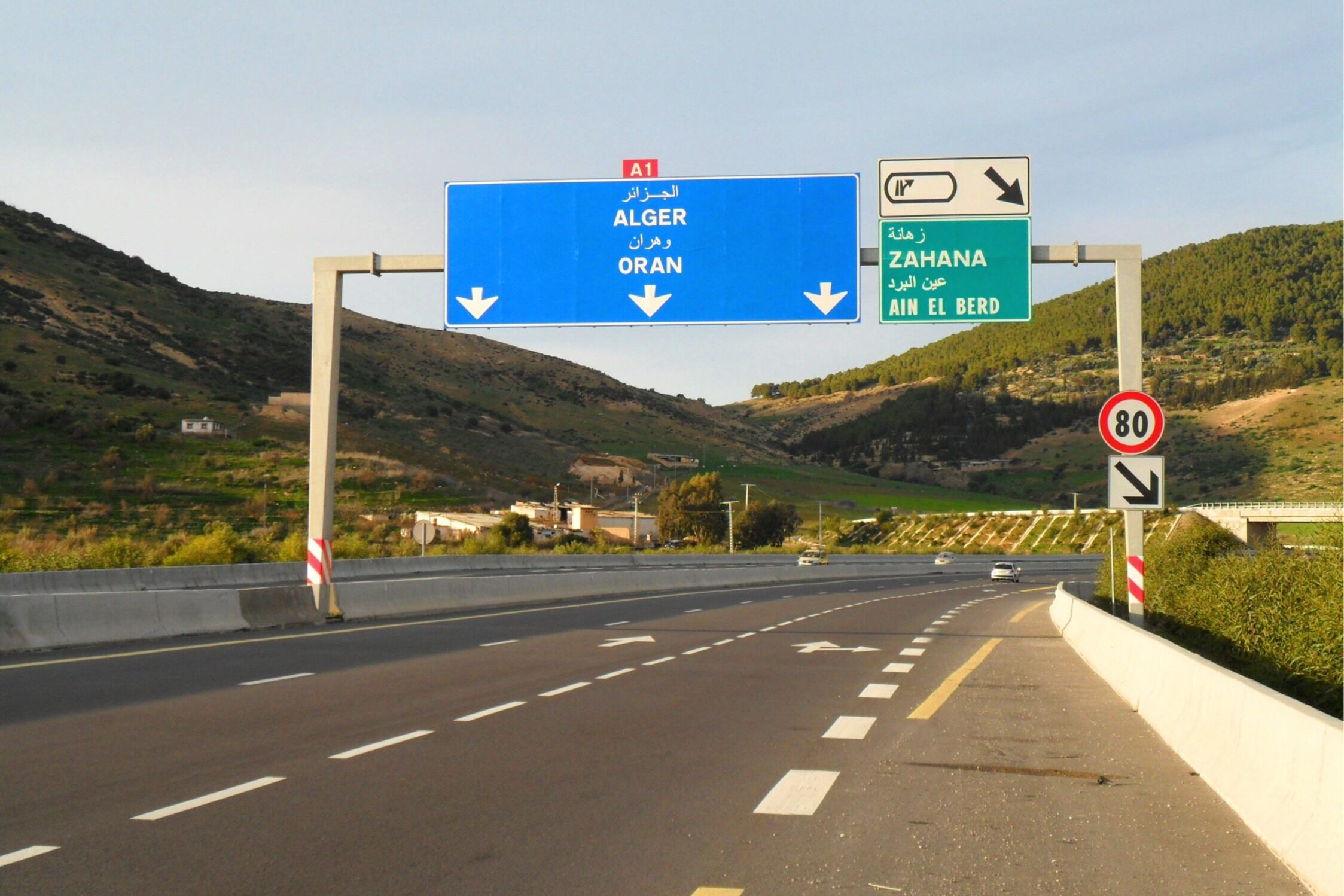
As the largest country in Africa, Algeria is weaving a more efficient and extensive modern transportation network with unprecedented efforts. This is not a scattered repair, but a part of a grand national strategy: on the one hand, the government is restarting and promoting the connecting roads of the historic Northeast region, improving the regional capillaries; On the other hand, a grand blueprint for the development of the eastern region has been launched, aiming to build the entire eastern region into a new engine driving the country's economic transformation. These measures collectively aim at a core goal - to break down regional barriers and pave the way for the diversification and sustainable development of the national economy through hard connectivity of infrastructure.
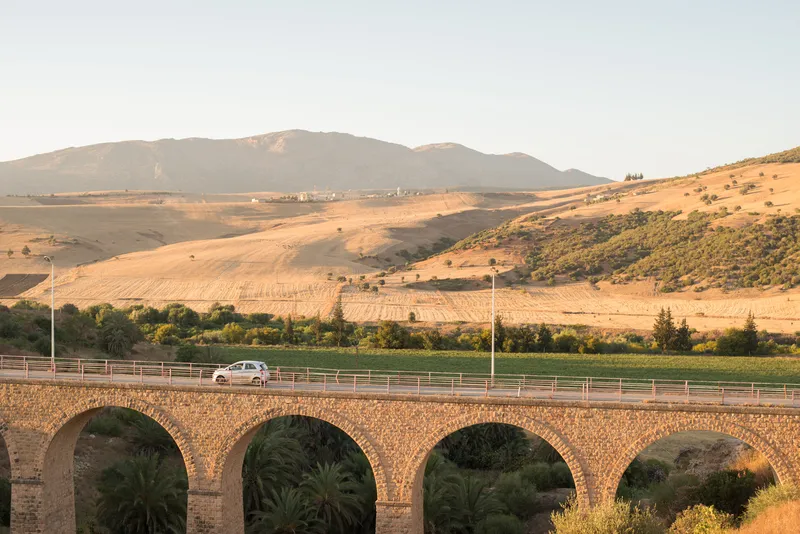
Restart the Historical Corridor
Recently, there have been new developments in transportation planning in northeastern Algeria. A new road project connecting the historic city of Gulema with the national level east-west expressway has been put on the agenda, and the first 18 kilometer section will start construction in a timely manner, connecting Gelima and Nehemiah. As the capital of the province, Gelma is one of the important central cities in the eastern region. This 35 kilometer road, passing through Heliopolis and Gourat Busaa, will become a key link connecting the inland historical region with the coastal transportation artery, and is expected to significantly improve local transportation conditions and promote the flow of people and goods.
At the same time, road improvement projects are also being carried out simultaneously in multiple regions across the country. For example, in Medea Province, a 10 kilometer detour connecting Jandel and Hannacha has been completed, and another 12 kilometer connecting road is also planned to be completed by March 2026. In addition, several national highway widening projects, including National Highway 127, are underway to enhance the capacity and safety of trunk roads. These projects are like constantly smoothing and activating the country's transportation network, enhancing the overall resilience of the network.
Eastern Development and the Rise of Phosphate Corridor
What has a more profound impact than a single road project is the systematic Eastern Development Strategy launched by the Algerian government. The Minister of Public Works and Infrastructure recently conducted intensive inspections of the four eastern provinces, with a focus on the construction of highways, railways, and ports that are complementary to large-scale integrated phosphate projects. This marks the government's determination to transform the resource rich eastern region from a marginal zone to a logistics and industrial platform that supports national economic growth and promotes export diversification.
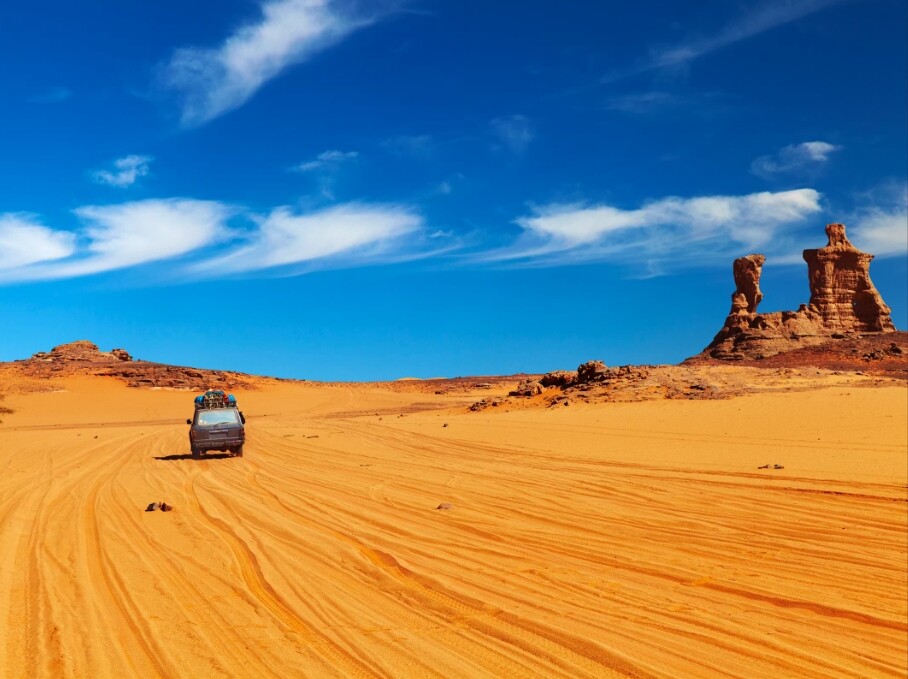
The core of this strategy is to create an efficient phosphate corridor. On land, the 16th National Highway, which handles nearly 30% of the country's heavy truck traffic, is undergoing rapid upgrades; A 121 kilometer mining railway with extremely high technical difficulty is passing through the complex terrain of Sukhakalas province. At sea, the mineral terminal and supporting projects of Annaba Port are the endpoint of the entire chain. It is expected that after completion in 2026, it will be directly connected to the inland phosphate mining area by railway, forming a complete export industry chain. This series of measures aims to help Algeria reduce its traditional dependence on oil and gas exports and enter the ranks of global fertilizer producing countries.
China Arab cooperation provides support for road network construction
Algeria's current ambition to promote the construction of a national road network is based on the successful large-scale infrastructure cooperation in the past two decades. The most representative one is the East West Expressway, which runs through the entire country and has a total length of 1216 kilometers. On this road, which is considered a huge challenge by the international engineering community, Chinese builders have constructed the key sections of the central and western sections, as well as the eastern section, which have the longest mileage and the most complex geological conditions. Faced with world-class engineering challenges such as mudstone and landslides, the Chinese team successfully overcame technical difficulties and ensured the full connectivity of this economic artery. This project not only shortens the land transportation time between the east and west from a few days to about 10 hours, greatly reducing logistics costs, but also cultivates tens of thousands of local technical talents for Algeria.
Similarly, the 53km Xifa section of the north-south expressway crossing Atlas, which is the most difficult to construct, was also contracted and successfully completed by Chinese companies. These completed century projects are like solid backbones, providing valuable technical experience, talent reserves, and cooperation confidence for the expansion and upgrading of a more detailed road network throughout Algeria today. Keywords: traffic news, international news and information
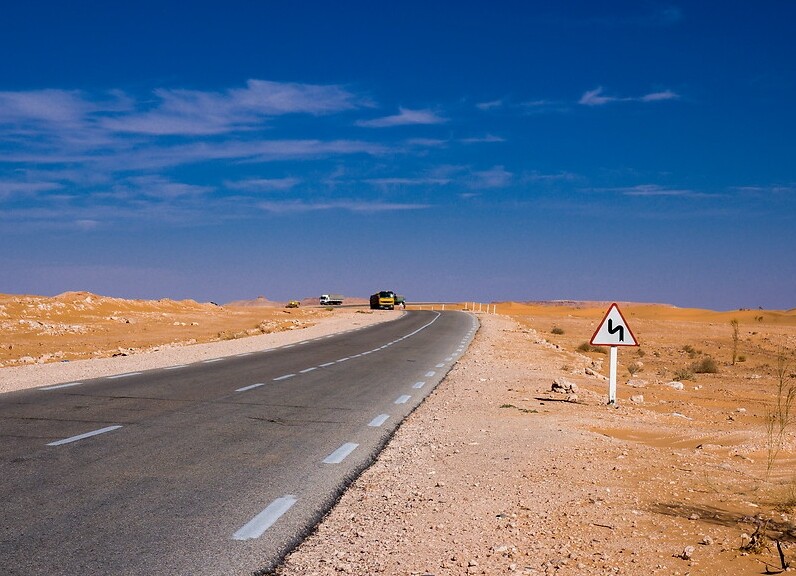
From restarting a corner of the road connection to planning a grand eastern development, Algeria's transportation map is undergoing a profound transformation. This is not only a practical need to activate regional economy and optimize industrial layout, but also a long-term layout for this North African country to seek diversified development and enhance international competitiveness. The constantly improving infrastructure network is connecting different regions of this country more closely and linking it more effectively with the world.Editor/Cheng Liting
Comment

 Praise
 Collect
 Comment

 Share
Share


Write something~