 Search


- As a key project of Morocco's 42 billion Moroccan dirhams national airport expansion plan
- The expansion of Casablanca Airport will not only enhance Morocco's position as an aviation hub
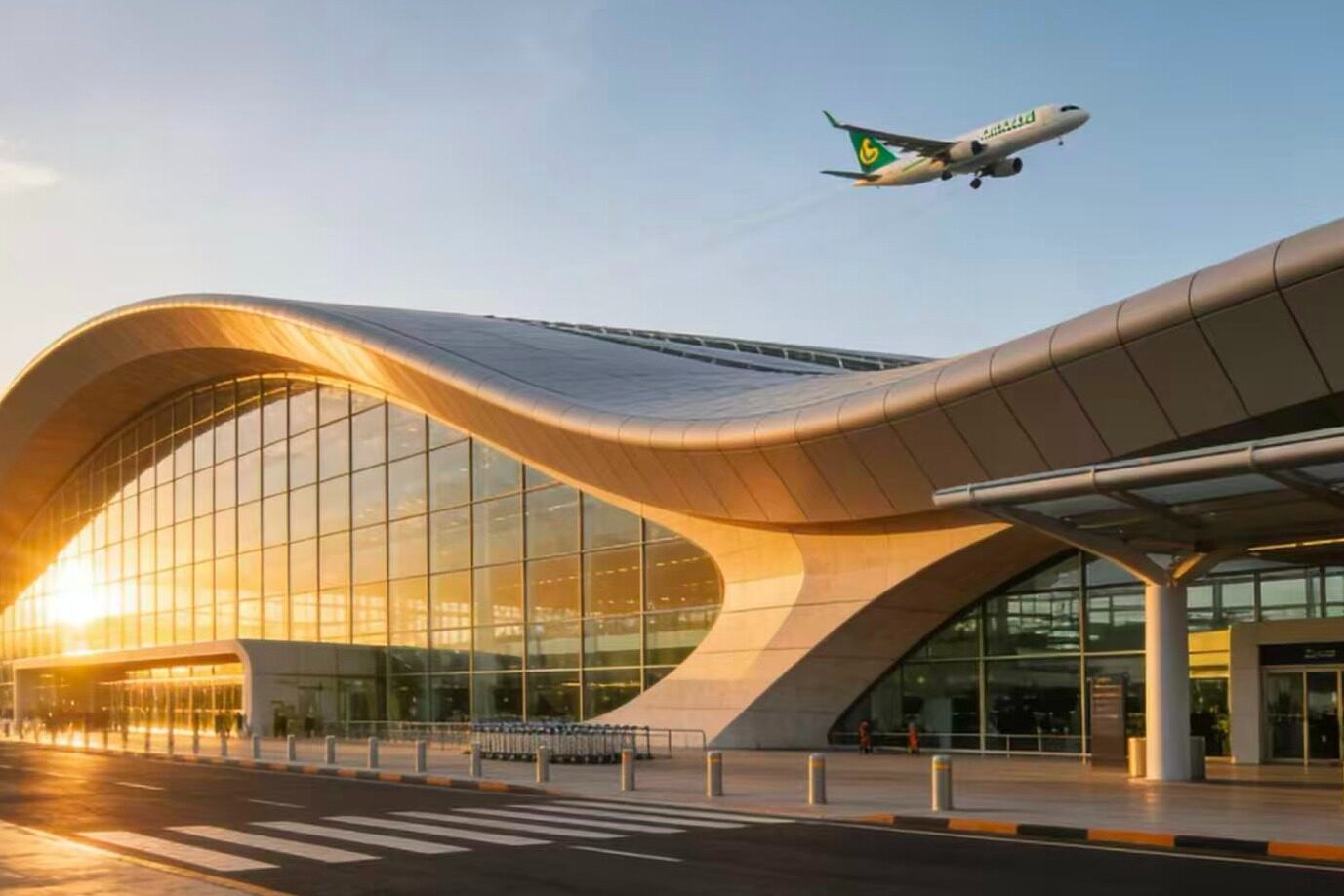
The Moroccan National Airport Office (ONDA) recently officially awarded the contract for the construction of a new terminal at Casablanca Mohammed V International Airport, with a contract amount of approximately 12 billion Moroccan dirhams (approximately 1.2 billion US dollars). The project was awarded to a consortium consisting of two major local Moroccan contractors, Soci é t é G é n é rale des Travaux du Maroc (SGTM) and Travaux G é n é raux de Construction de Casablanca (TGCC), marking the substantial progress of the core aviation hub expansion project serving the 2030 World Cup.
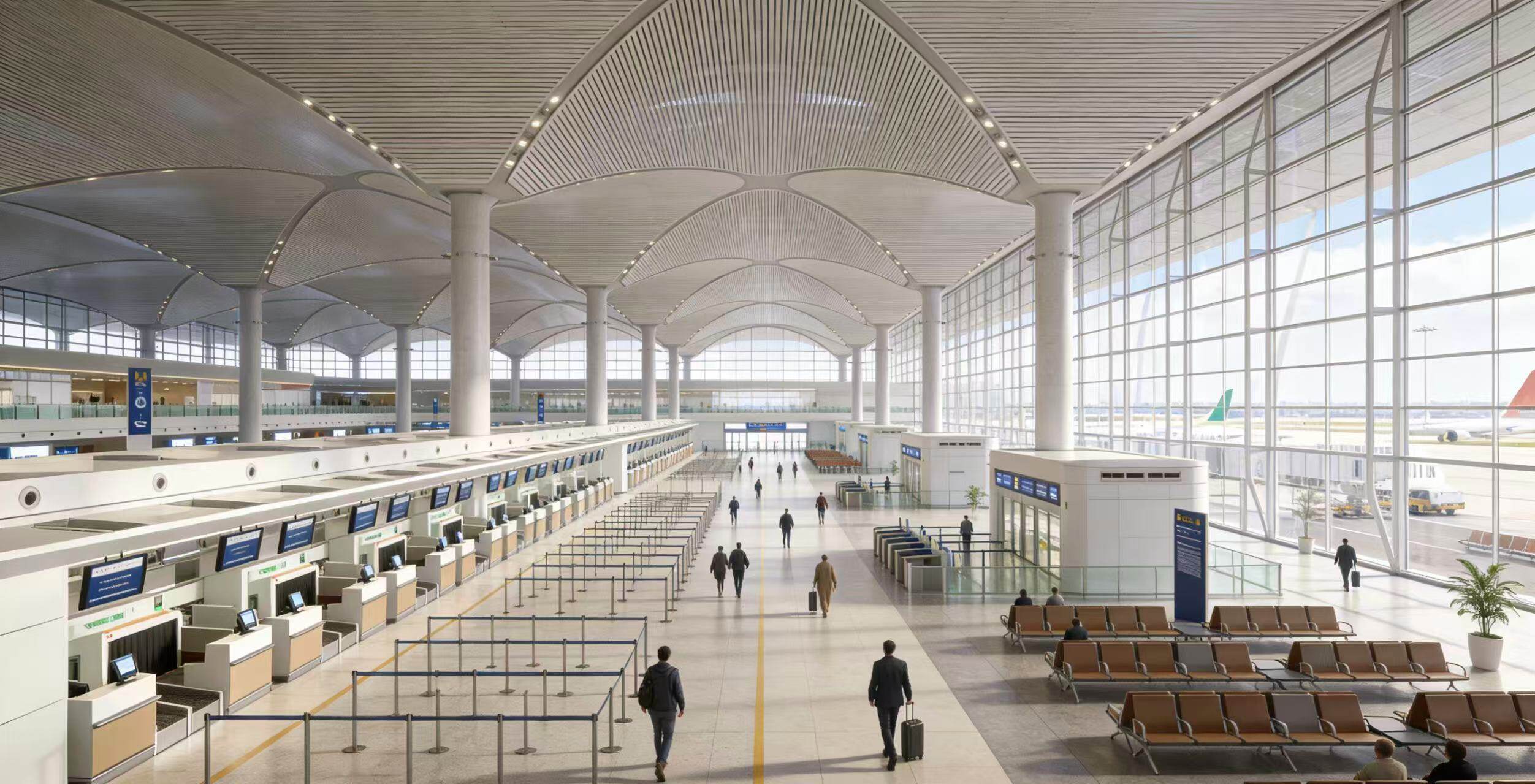
The new terminal building has a construction area of over 600000 square meters, and after completion, the annual passenger throughput capacity of the airport will be increased to 30 million, achieving significant expansion compared to the existing scale. The project design was jointly completed by international and local institutions, including the Moroccan branch of Egis Batiment International in France, local design firm Ala Concept, and RSHP Architects in the UK. The scope of the project includes preliminary preparation, main and steel structure engineering, waterproofing and curtain wall engineering, as well as electrical, mechanical and piping engineering (MEP works), data center engineering, HVAC systems and other professional construction contents. It will also be accompanied by the construction of an airport hotel with 300 rooms on the airside.
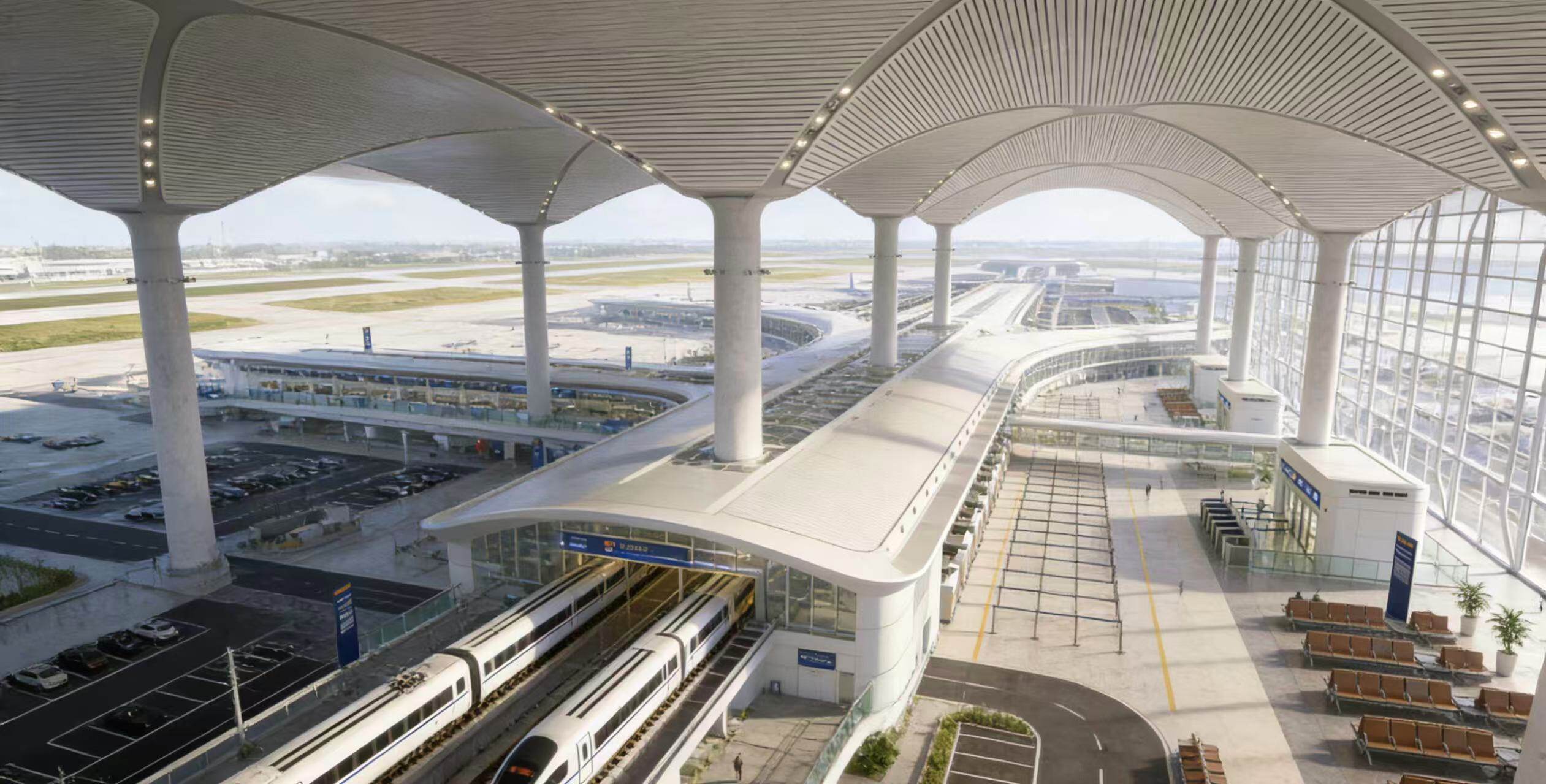
As a key project of Morocco's national airport expansion plan with a total amount of 42 billion Moroccan dirhams (approximately 4.3 billion US dollars), the expansion of Casablanca Airport aims to meet the demand for the 2030 World Cup and medium - to long-term air passenger growth. The project is scheduled to be completed in 2029 and put into operation before the 2030 World Cup. At that time, it will be directly connected to the Ganitra Marrakesh high-speed railway line, strengthening the air rail intermodal transportation capacity. Morocco is simultaneously promoting the upgrading of airports such as Tangier, Marrakesh, and Agadir. Rabat Sar é Airport will build a new terminal, while Fez Airport plans to expand to form a modern aviation network covering the whole country.
Although the project was awarded to the local general contractor, the fields of mechanical and electrical systems, professional engineering packages, and high-end equipment are highly open to international enterprises, providing important opportunities for Chinese enterprises to participate. Against the backdrop of Morocco, Portugal, and Spain jointly hosting the World Cup in 2030, Casablanca Airport, as the core aviation gateway, has become a highly valuable infrastructure project in North Africa due to its expansion project. Chinese enterprises can seek cooperation space in professional fields such as mechanical and electrical equipment supply and system integration by leveraging their technology and experience in airport construction.
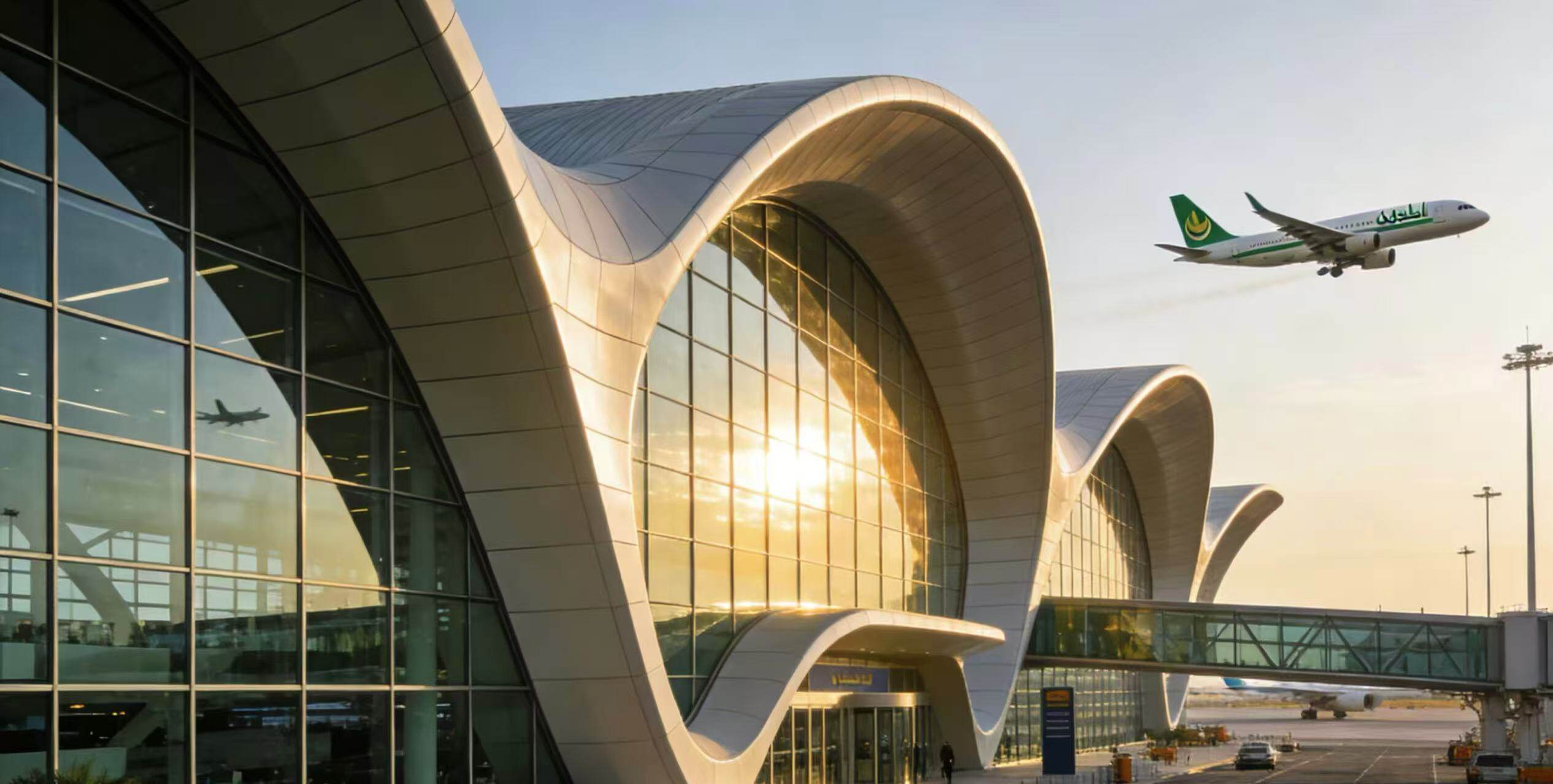
The expansion of Casablanca Airport will not only enhance Morocco's position as an aviation hub, but also strengthen regional transportation integration through the air rail intermodal network, providing efficient aviation support for the 2030 World Cup. The promotion of this project has also created favorable conditions for Chinese enterprises to deeply participate in large-scale infrastructure construction in North Africa and share the economic dividends of the World Cup.Editor/Bian Wenjun
Comment

 Praise
 Collect
 Comment

 Share
Share


Write something~