 Search


- Faced with the investment blue ocean of over $3 trillion in the Middle East power grid and the localization layout of Egyptian
- Egyptian giant Elswedy Electric invested $467 million to expand its transformer manufacturing footprint in the Middle East
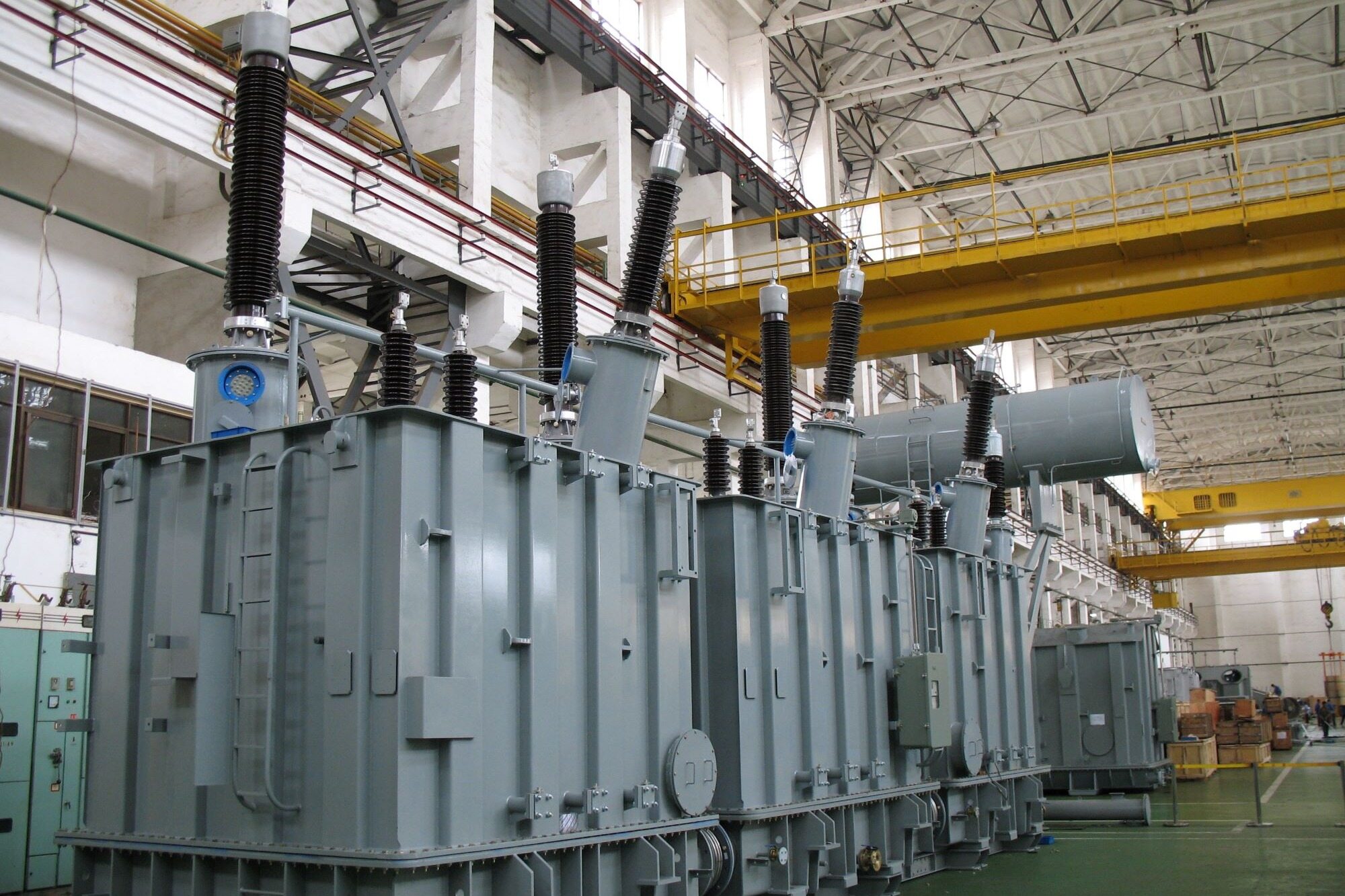
A news from the Middle East has shocked the global power equipment industry - Egyptian electrical giant Elsewedy Electric announced that it will invest $467 million in Saudi Arabia and Qatar to build a localized transformer manufacturing base. This significant move not only alters the regional industrial landscape but also sends a strong signal to the world: amidst the wave of energy transformation, transformers have become a strategic industry that countries are vying to develop.
The International Energy Agency has long warned in its "Grid and Energy Security 2024" report that global grid investment is becoming a key bottleneck in the energy transition. Data shows that by 2040, the cumulative global grid investment will need to exceed $3 trillion. As the "heart" of the grid, transformers are moving from silently supporting to being at the forefront, ushering in a historic development opportunity. Faced with the strong entry of Egyptian enterprises, how should Chinese power equipment enterprises, which possess UHV technology and smart grid experience, seize this opportunity to go global?
From "selling products" to "taking root locally": The overseas expansion model urgently needs to be upgraded
The door to the Middle East market is shifting from "product import" to "value chain localization". The case of Elswedy Electric is highly representative - by establishing a local production base, the company can not only avoid tariff barriers of up to 15%-20%, but also shorten supply chain uncertainty from a lengthy 4-6 months to just a few weeks. Its goal of localizing over 60% of the supply chain profoundly interprets the new competition principle of "closer to the market, faster response".
For Chinese enterprises, the traditional export trade model has become inadequate. What is needed now is a paradigm shift: establishing joint ventures with local capable partners through technological cooperation and capital integration; or setting up assembly plants and technical service centers in the Middle East Free Trade Area, utilizing a combination of "technology + capital + localized services" to truly integrate into the local industrial chain. This deep integration is the golden key to unlocking the Middle East market.
High-end and intelligent: the application field of Chinese technology
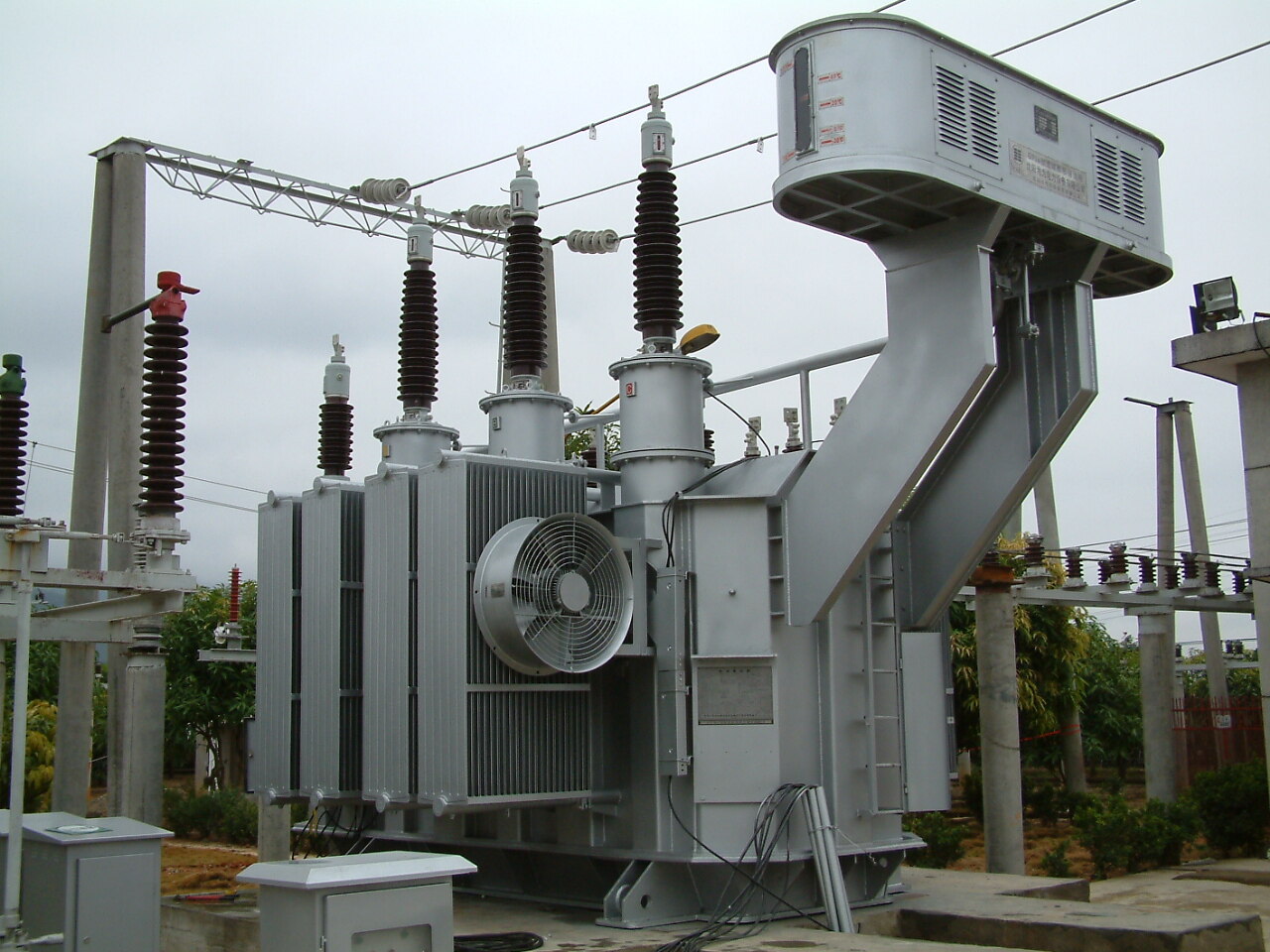
The upgrading of power grids in Middle Eastern countries is clearly technology-oriented. On the one hand, it involves future-oriented ultra-high voltage transmission networks. Saudi Arabia is building an "energy hub" and a transnational power grid, which requires a large number of ultra-high voltage transformers of 400 kV and above. This is precisely the area of strength for Chinese enterprises - China possesses world-leading ultra-high voltage transmission technology and a complete supply chain. These technologies, which have been verified in complex environments, possess strong international competitiveness.
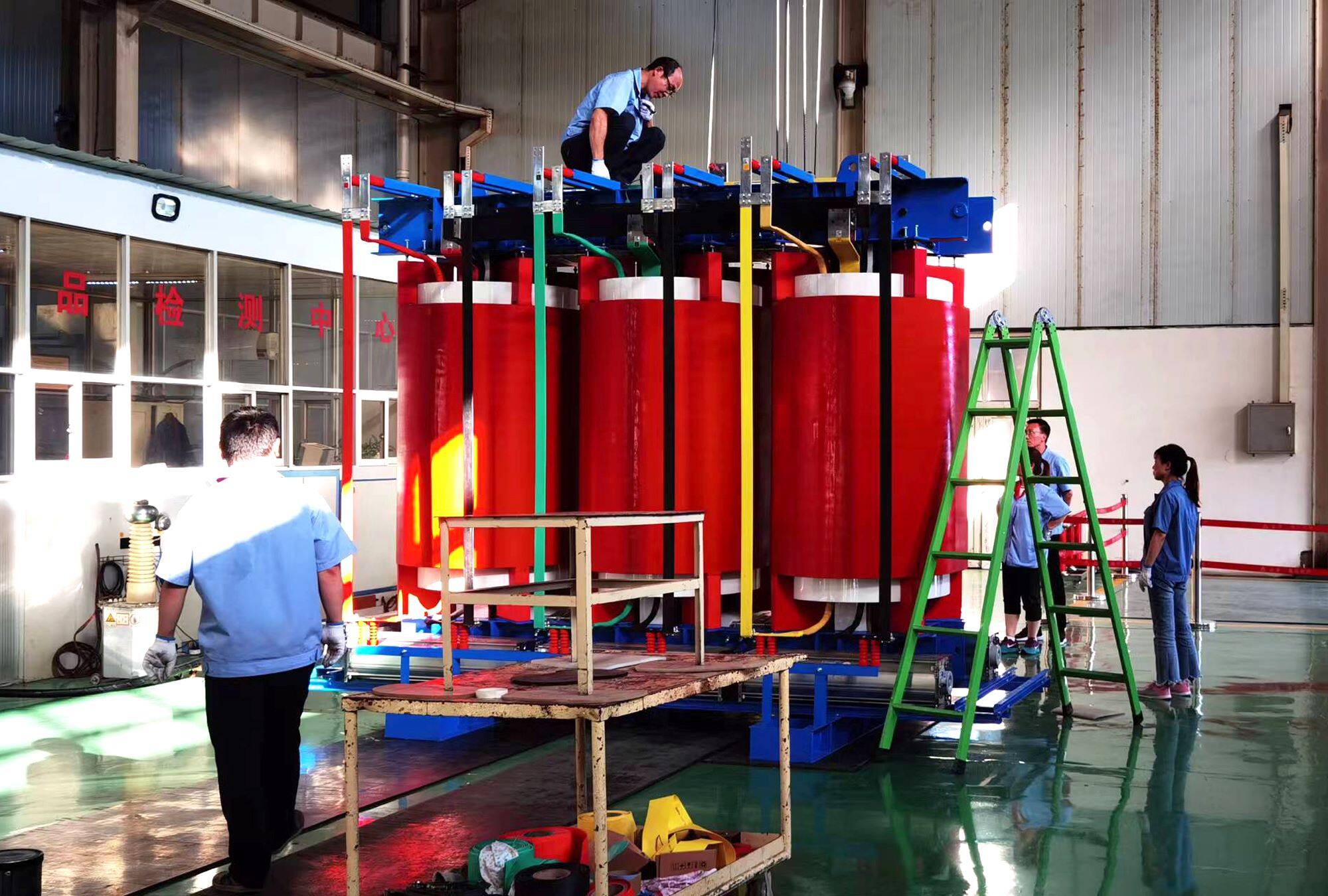
On the other hand, it is the capillary of smart cities. Countries such as the United Arab Emirates and Qatar have focused on the construction of smart cities and data centers, and there is a strong demand for intelligent distribution transformers that can achieve condition monitoring and energy efficiency management. China's profound accumulation in the fields of smart grids and digital solutions perfectly matches this demand. The key lies in combining China's technical experience with the unique climatic conditions of high temperature and sandy conditions in the Middle East to complete localized adaptive innovation of products.
"One country, one policy": Understanding the diverse puzzle of the Middle East
The Middle East market is by no means a singular entity, but rather a mosaic of multiple distinct segments. Careful cultivation and meticulous management require differentiated market strategies.
Saudi Arabia is a "heavy asset" market, focusing on large-scale national energy projects and backbone power grids, and is the main battleground for ultra-high voltage equipment; the United Arab Emirates represents "high-precision and advanced" demand, with smart cities and high-end commercial complexes in Dubai and Abu Dhabi requiring more intelligent and reliable power distribution solutions; Egypt, as a regional manufacturing hub and populous country, is both a huge incremental market and a production base that can radiate to North Africa and the Arab world; while Qatar and Oman, with the expansion of industry and tourism, are seeing steady growth in urban distribution networks and industrial zone power support.
Action Window: Delve into the frontline, connect with the future
In the Middle East in 2025, the energy transition has entered its second half. The dimension of competition has expanded from a single product cost-effectiveness to technical adaptability, capital strength, localized service capabilities, and sustainable cooperative ecosystems. The $467 million investment by Eljowdy Electric is like a mirror, reflecting the core position of power equipment in regional energy security. Keywords: Middle East news, Middle East international news
For Chinese transformer and power equipment enterprises, the window of opportunity has already opened. Going deep into the front line of the market through high-end business inspections, directly connecting with key resources, and accurately planning the localization path will be the crucial first step to seize this historic opportunity to go global. From "Made in China" to "Created in China", from product export to value chain export, amidst the wave of upgrading the Middle East's power grid, the wisdom and presence of Chinese enterprises are eagerly anticipated. Edited by Yang Beihua
Comment

 Praise
 Collect
 Comment

 Share
Share


Write something~