 Search


- Eleven data center and computing power projects, with a total investment of approximately 4.06 billion yuan, have been centrally registe
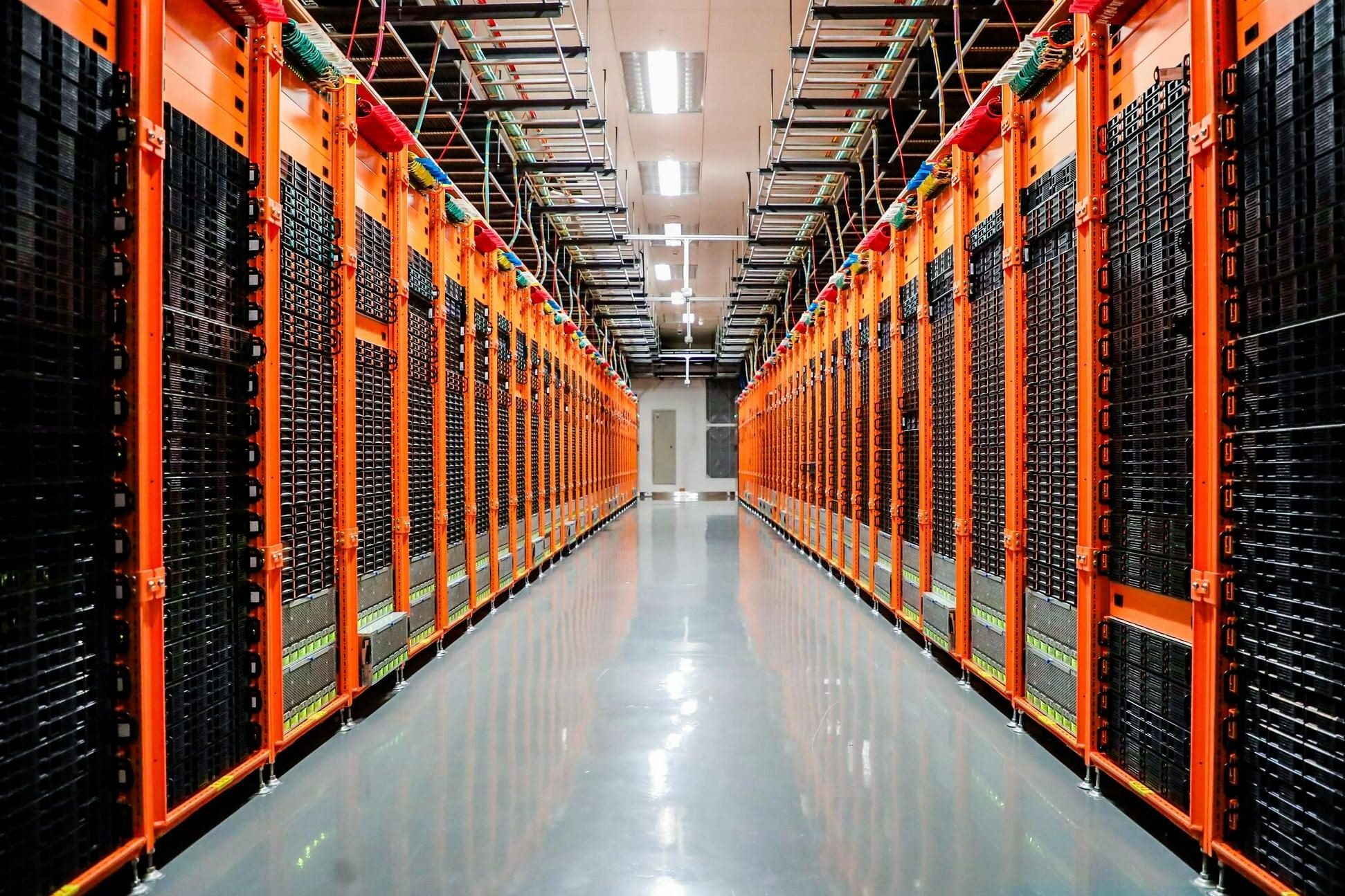
Today, as the wave of artificial intelligence sweeps across the globe, computing power has become the core driving force for economic and social development. Recently, a batch of data centers and computing power projects, planned to be launched or completed by 2026, have been approved for record-filing, with a total investment of approximately 4.06 billion yuan, outlining a vibrant picture of China's computing power infrastructure construction. From Ningbo, Zhejiang, on the coast of the East China Sea, to the vast grasslands of Inner Mongolia, from supporting the transformation of traditional industries to empowering emerging fields such as the low-altitude economy, a comprehensive layout centered around the key foundation of "new productive forces" is accelerating.
Dual-core drive of computing power landscape
Looking at this batch of projects, a clear strategic pattern of "advancing east and west simultaneously" emerges vividly. In the economically developed eastern coastal areas, projects place more emphasis on the deep integration of cutting-edge technological innovation and industry.
In Zhejiang, the Ningbo Maritime Smart Computing Center construction project aims to achieve a computing power scale of 1000P, with a total investment of 389 million yuan. The project aims to adopt a new generation of high-energy efficiency FSD computing power architecture, creating a benchmark that integrates computing power services, industrial empowerment, and zero-carbon demonstration. Also in Wuxing District, Huzhou, Zhejiang, two computing power data center projects with total investments of 785 million yuan and 395 million yuan respectively focus on upgrading computing power cluster services and multi-dimensional intelligent modules to serve the local digital economy development.
In the western region, especially in Inner Mongolia, relying on advantages such as energy, land, and climate, it is emerging as a national-level computing power hub. Multiple major projects have been launched here: the domestic 1000P (PetaFLOPS) computing power pool project of Inner Mongolia Gaosu Big Data Co., Ltd., which plans to construct a 1000P FLOPS computing power cluster in one go with a total investment of up to 812.5 million yuan; the Shengda Data Analysis and Intelligent Computing Center project in Dalad Banner, which invests 499 million yuan to build a 3800P computing power scale; and the Xunli Distributed Computing Power Center in Balinzuo Banner and the Inner Mongolia Jingmeng Intelligent Computing Center, which have invested 300 million yuan and 248 million yuan respectively, with the latter aiming to deploy artificial intelligence computing power up to 20000P. These projects together form a powerful computing power base supporting the "east data, west computing" strategy.
Computing power moves from general-purpose to scenario-specific deep cultivation
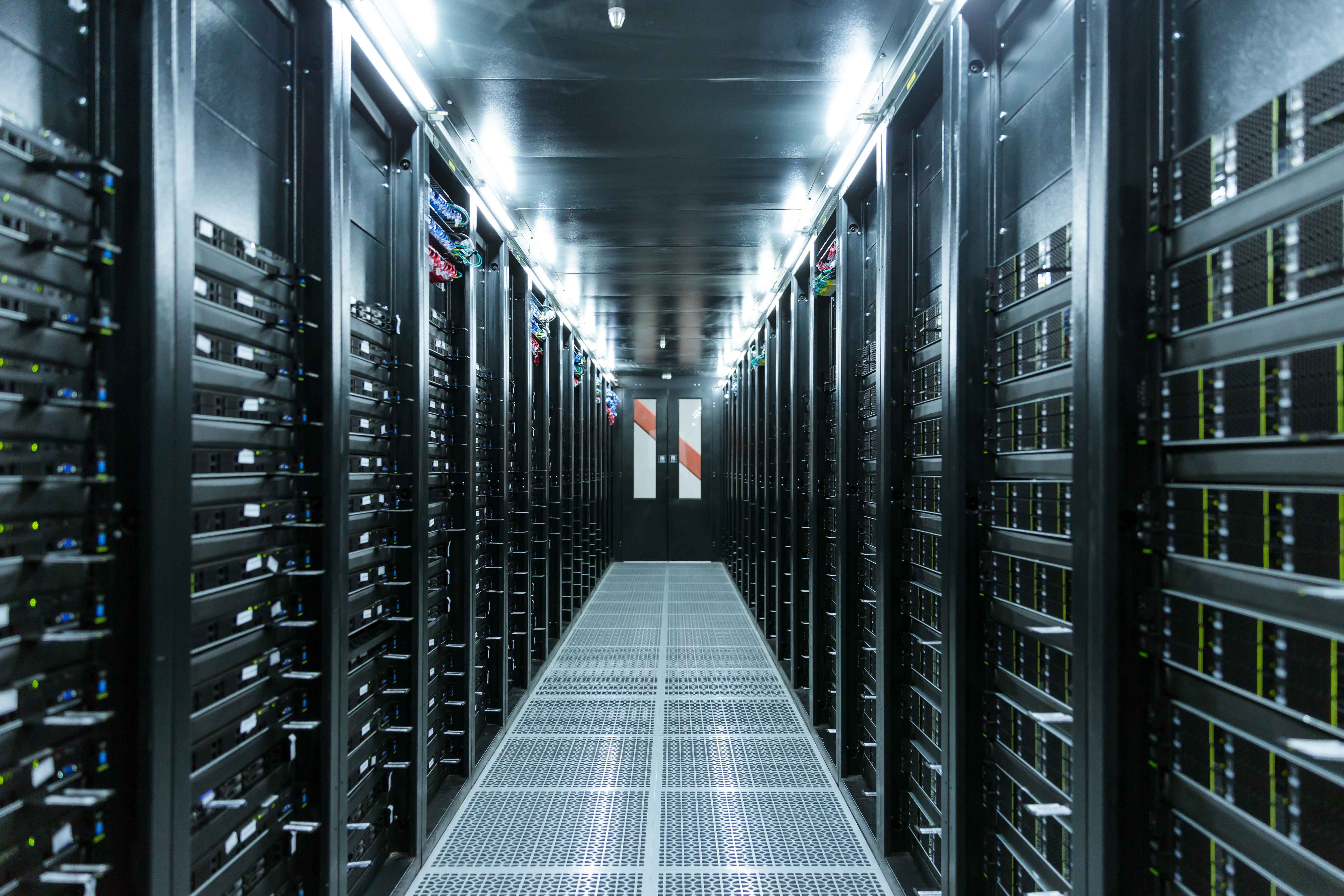
The computing power projects announced this time are not only of considerable scale, but also exhibit a clear trend of deep penetration into vertical industries and provision of specialized services. This signifies that computing power supply is transitioning from a general-purpose basic resource to a productivity tool optimized for specific scenarios.
In Hubei, this trend is particularly evident. Wuhan Yangtze River Computing Technology Co., Ltd. invested 30 million yuan to focus on the research and development of key technologies for a new generation of domestically produced high-performance intelligent computing systems and their industrial applications, aiming to break through the full-chain capability of domestically produced intelligent computing from hardware to software. Meanwhile, the low-altitude computing infrastructure construction project in Hubei Province invested 25 million yuan to build a high-performance dedicated intelligent computing cluster for the low-altitude economy, providing optimized computing power for unique scenarios such as low-altitude 3D modeling and real-time data fusion, marking the beginning of a close coupling between computing infrastructure and the cutting-edge industry of the low-altitude economy.
In addition, projects such as the Computing Power Sub-center in Fufeng County, Shaanxi, and the Cloud Terminal Computing Power Center in Xinyi, Guangdong, also reflect the trend of computing power resources sinking into regions and specific applications, and are committed to providing solid support for local digital transformation and broader cloud applications.
The dual cornerstones of future computing power development
While pursuing computing power scale and efficiency, green, low-carbon, security, and autonomy have become common keywords for these projects, indicating two core directions for the evolution of future computing power centers.
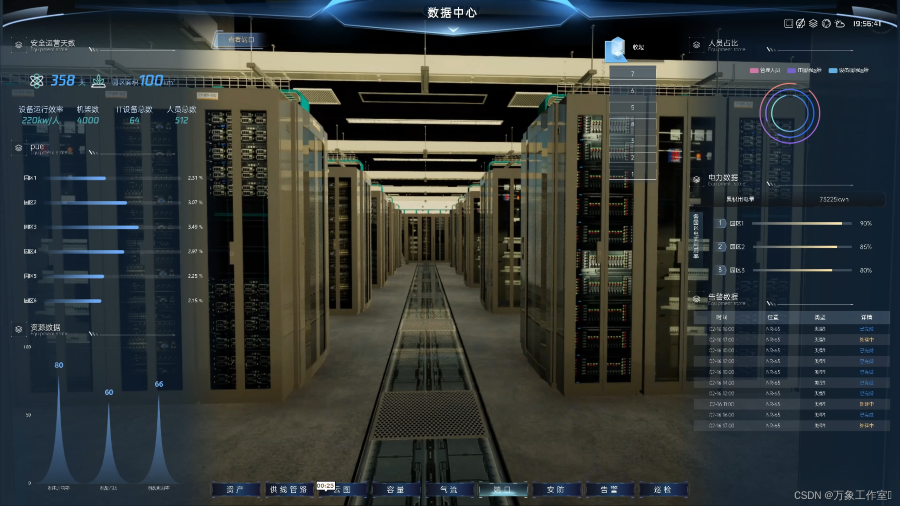
Multiple projects have explicitly proposed the construction of "green and low-carbon power supply and cooling facilities" in their construction content, adopting intelligent modular data center design. This is not only an inevitable choice to reduce huge energy consumption and operating costs, but also an industry consensus to achieve sustainable development. On the other hand, the independent and controllable technology route has received much attention. In addition to the aforementioned localization intelligent computing system research and development project in Wuhan, the project name of "domestic tera (P) computing power pool" of Inner Mongolia Gaosu also directly demonstrates the determination to build an independent computing power system. This reflects that under the guidance of national strategy, promoting independent innovation in computing architecture, key components, and even the entire computing power ecosystem has become a core task to ensure the security of digital economy development.
It can be foreseen that with the successive implementation of these projects, which have a total investment of over 4 billion yuan, around 2026, China's computing infrastructure will reach a new level in terms of layout, efficiency, and autonomy, injecting stronger and more reliable impetus into the intelligent transformation of various industries. Edited by Yang Beihua
Comment




 Praise
 Collect
 Comment

 Share
Share


Write something~