 Search



- Xinzhoubang announced that it will invest 260 million US dollars to build a lithium battery material project in Yanbu, Saudi Arabia
In the face of the global energy transition wave, the Xinzhoubang Saudi Arabia project will produce core electrolyte raw materials, directly radiating to the Middle East and European markets. This move not only responds to Saudi Arabia's 2030 vision, but also demonstrates the strategic upgrade of Chinese enterprises from "product output" to "capacity export" in the international new energy competition.
On December 31, 2025, as people around the world were preparing to welcome the New Year's bell, China's new energy industry quietly completed a layout across the Red Sea. Domestic electrolyte leader Xinzhoubang announced late at night that its subsidiary will build a lithium-ion battery material production base in Yanbu Industrial City, Saudi Arabia, with a total investment of about 260 million US dollars. This project, located at the intersection of the desert and the Red Sea, is like a new chess piece embedded in the global new energy map, reflecting that Chinese lithium battery material companies are heading further into the fertile land of resources.
Why Saudi Arabia?
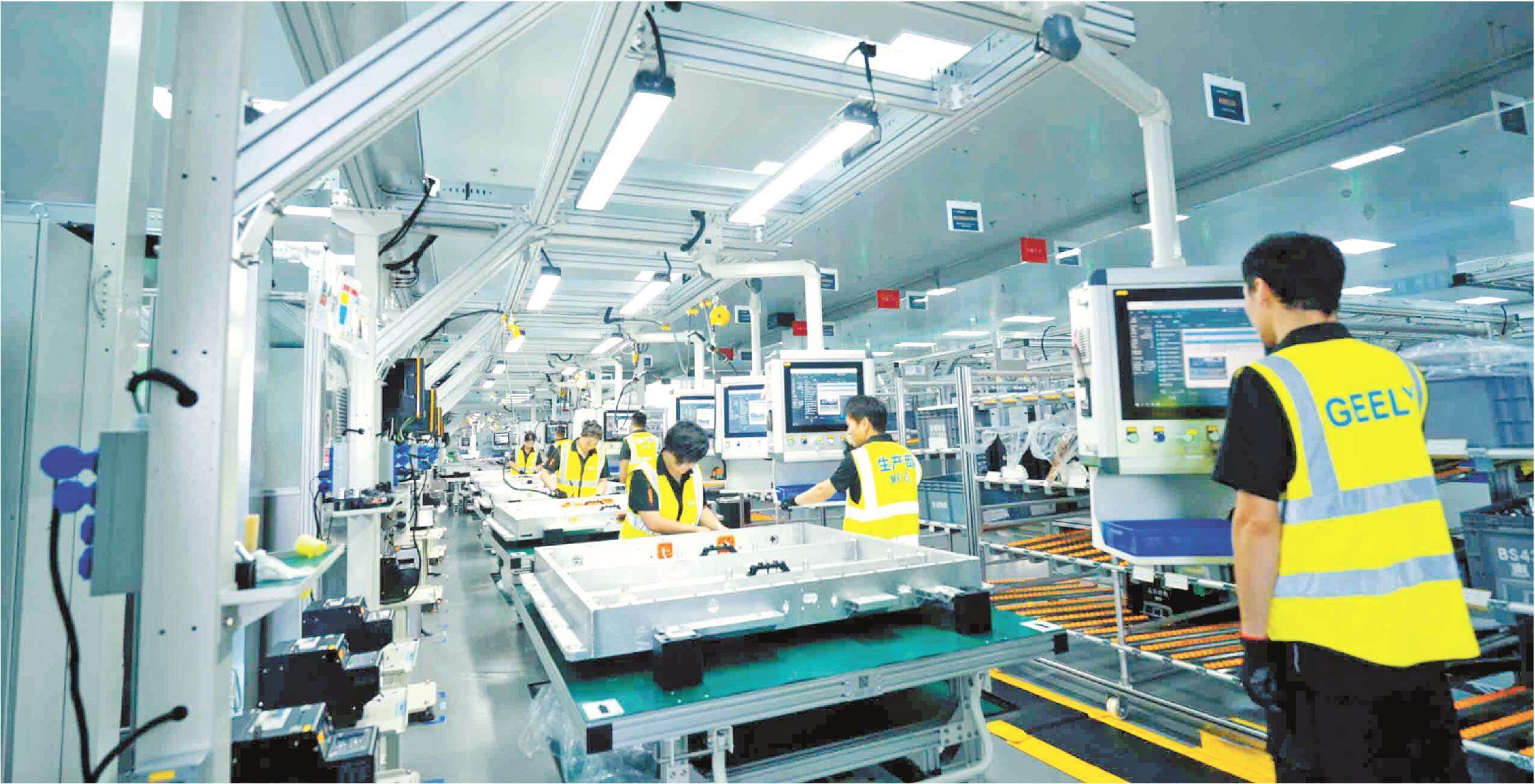
Yanbu Industrial City in Saudi Arabia has a mature petrochemical infrastructure and port logistics network, and has always been the heart of heavy industry in the Middle East. For Xinzhoubang, choosing to build a factory here is not accidental - Saudi Arabia's abundant chemical raw materials such as ethylene oxide can significantly reduce production costs; At the same time, the carbonate solvents and ethylene glycol produced by the project will be directly supplied to the emerging new energy markets in the surrounding areas, shortening the supply chain response time. Furthermore, Saudi Arabia's "2030 Vision" is vigorously promoting economic diversification, with the new energy vehicle industry chain becoming a key area of support. Policy dividends and financial support provide rare development opportunities for Chinese enterprises.
What kind of global chess game is hidden in the ambition of 300000 square meters?
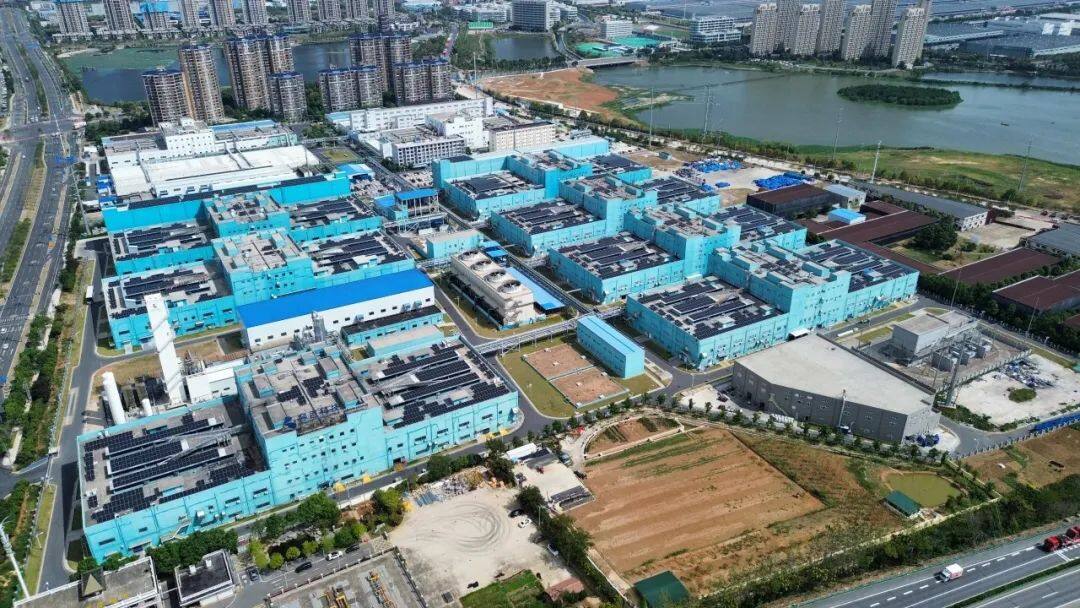
According to the plan, Xinzhoubang will purchase approximately 300000 square meters of land, equivalent to 42 standard football fields. On such a vast land, the company will establish a complete production system covering raw material processing, synthesis and purification, warehousing and logistics. It is worth noting that although Xinzhoubang temporarily holds 100% equity of the project, it has made clear plans to introduce local strategic investors from Saudi Arabia to deeply cultivate the market through a joint venture model. This "localization and integration" approach is a microcosm of Chinese lithium battery material companies shifting from single capacity replication to ecological co construction when going global. Previously, Xinzhoubang had already laid out production capacity in Poland and the United States, and the Saudi project will connect the three major markets of Kia, Europe, and Africa, forming a global supply network that radiates.
Chinese lithium battery materials are on the rise
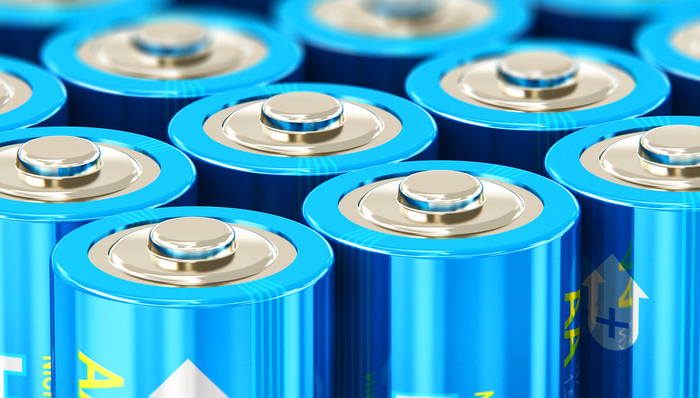
The trip of Xinzhoubang to Saudi Arabia is another milestone in the globalization process of China's new energy industry chain. With the acceleration of localized production of electric vehicles in Europe and America, Chinese material companies are shifting from simply exporting products to directly building factories and supporting facilities overseas. This transformation can not only avoid trade barriers and reduce transportation costs, but also enhance international discourse power through technological cooperation. At the intersection of the development strategies of China and Saudi Arabia, whether the New Zebang project can become a benchmark for new energy cooperation along the the Belt and Road will directly affect the confidence and path choice of subsequent Chinese enterprises. Keywords: Middle East News, New Energy News
In the next three years, a modern lithium battery material factory will emerge on the desert edge of Yanbu Industrial City. Its story began with a single announcement on the last night of 2024, but will continue to be written in the grand narrative of China's new energy industry connecting the world. When the sound of the waves in the Red Sea resonates with the buzzing of the electrolyte production line, the Saudi journey of New World State may be the prelude to the answer.Editor/Yang Meiling
Comment

 Praise
 Collect
 Comment

 Share
Share


Write something~