 Search


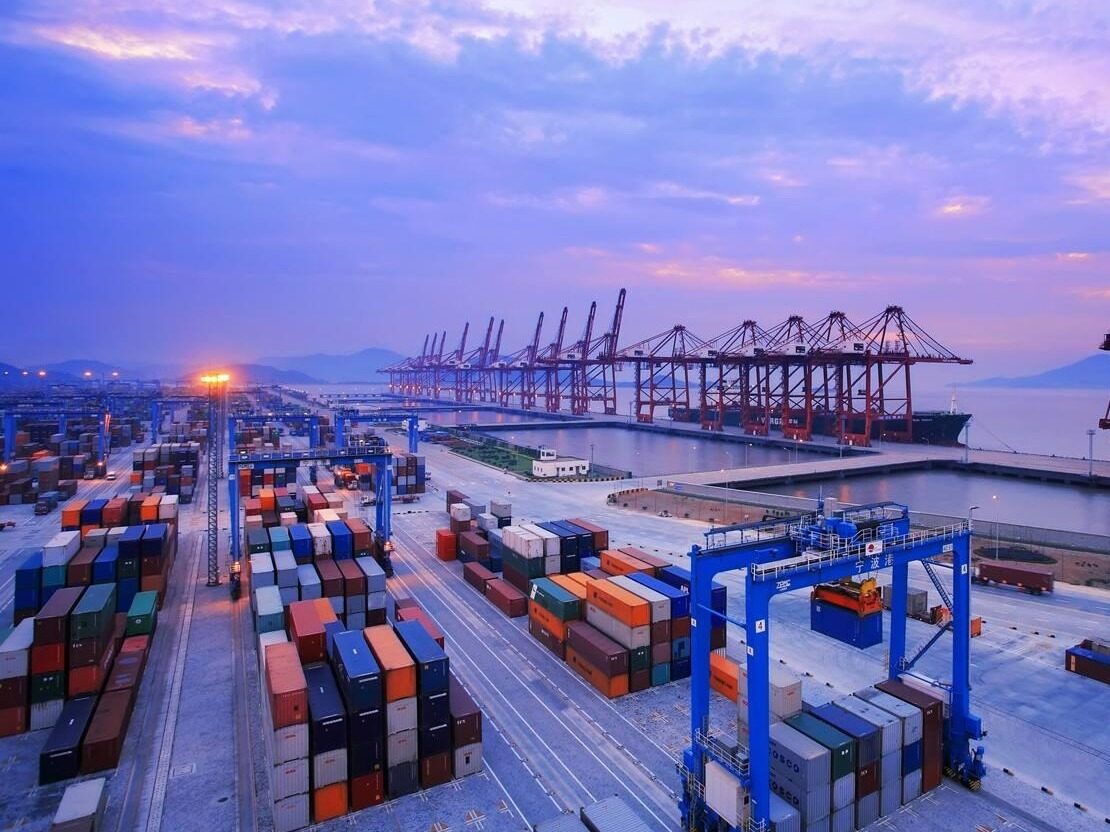
- At the beginning of 2026, Iran has entered the top 20 in the world for the first time with its port throughput capacity
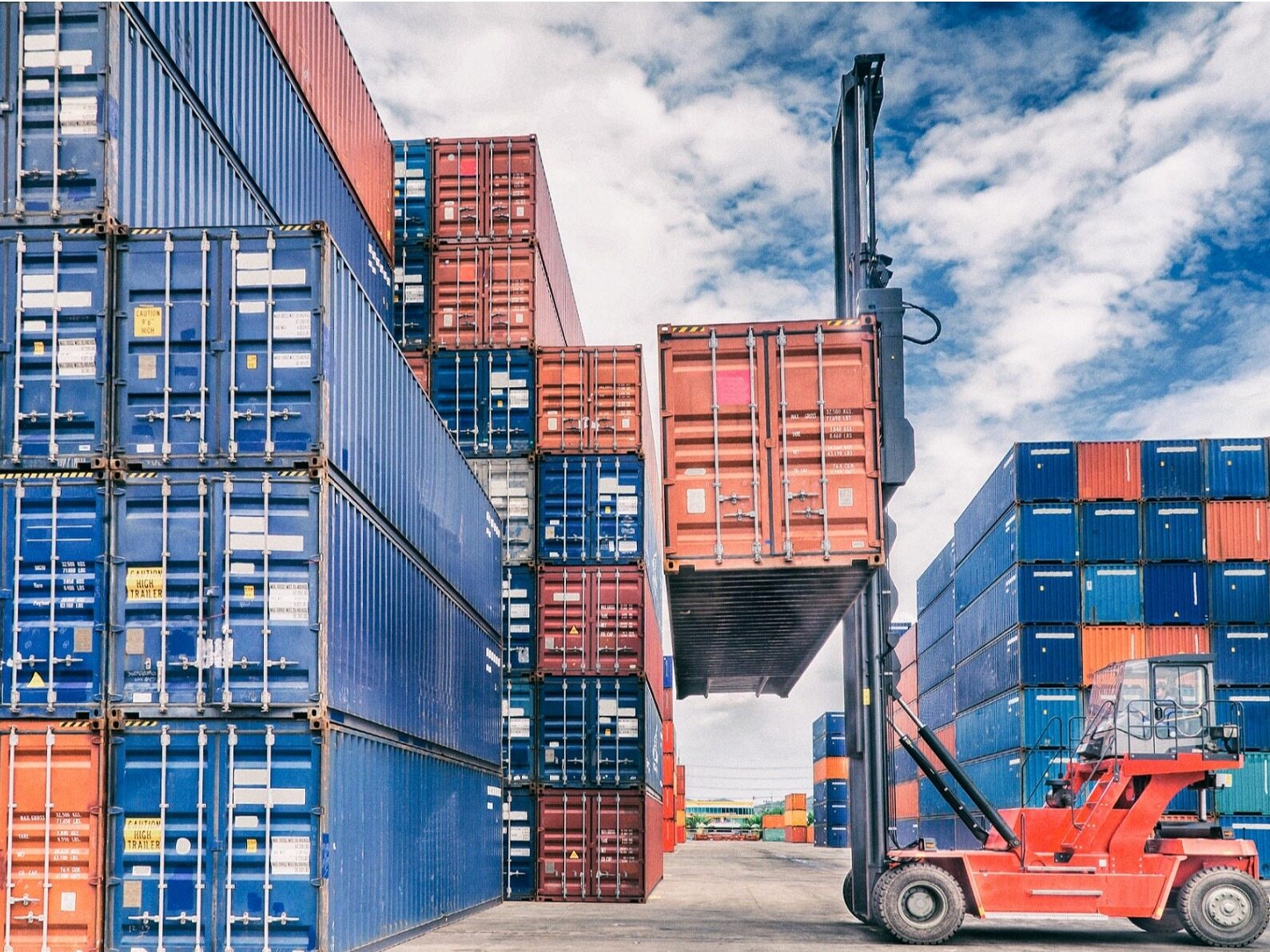
The morning sun shines on Shahid Rajai Port on the southern coast of Iran, with cranes roaring and containers neatly stacked like building blocks. Dock worker Ali Hassan wiped away the sweat from his forehead and pointed to the newly expanded berth in the distance with a smile, saying, "Five years ago, there were only sporadic cargo ships here, and now even European giant ships have to queue up to enter the port." Behind his figure is a microcosm of the rise of Iranian ports - and this microcosm is stirring up the chessboard of global shipping.
Iran's' dark horse 'rising
Iran's sprint is not accidental. In the past five years, the country has continued to invest in port infrastructure, with the throughput capacity of Shahid Rajai Port alone increasing by 40%, attracting ships on Indian Ocean routes to make detours and stops. Ferreidon Wahidi, a trade professor at Tehran University, pointed out that "Iran is making use of its geographical advantages to turn its ports into a 'transit springboard' to compete for the supply of goods traditionally controlled by the United Arab Emirates and Singapore." This change has a direct impact on China's port cooperation network along the "the Belt and Road".
Will global ports experience overcapacity?
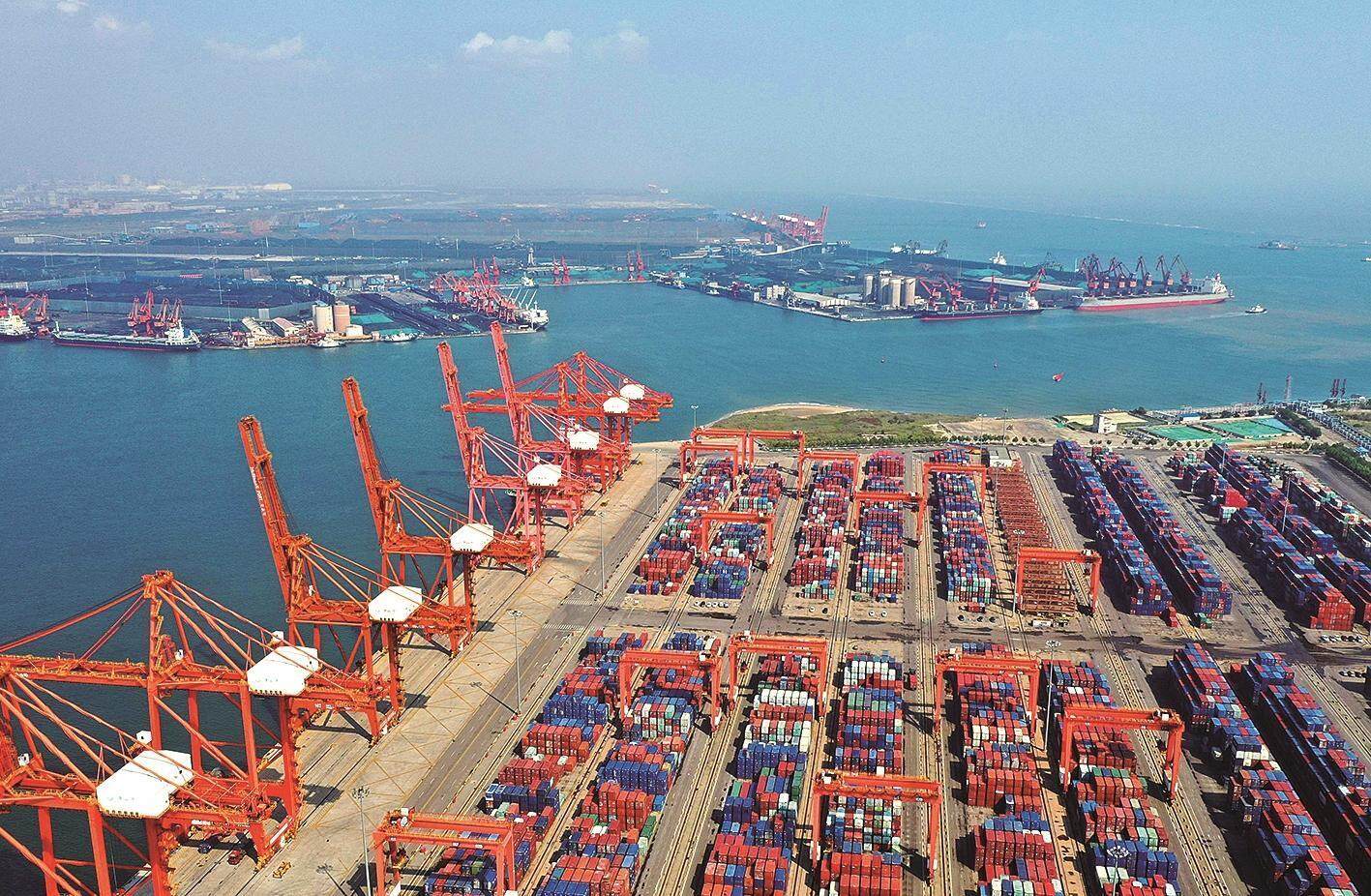
The global container port throughput capacity is still growing, but the shadow has appeared. According to a report by SeaIntel, an international shipping consulting firm, the utilization rate of some new terminals in Asia is less than 60%, but there are still dozens of projects under construction. The competition between ports is shifting from a 'scale competition' to an 'efficiency competition,' "analyst Linda Chen emphasized." Digitization and value-added services have become the key to survival. "For example, Yangshan Port in Shanghai, China has piloted an AI scheduling system, while Iranian ports are still catching up with the automation process.
Challenges and opportunities under the new pattern
The rise of Iran is both a challenge and an opportunity for China. On the one hand, ports invested by China in Sri Lanka and Pakistan may face diversion pressure; On the other hand, there is a strong demand for upgrading Iranian ports, which opens up the market for China's infrastructure and technology exports. Keywords: International News
Wang Tao, a researcher at the Chinese Academy of Social Sciences, believes that "China needs to shift from 'construction led' to 'operational cooperation', empower ports through digitization, and consolidate its shipping influenceEditor/Yang Meiling
Comment


 Praise
 Collect
 Comment

 Share
Share


Write something~