 Search


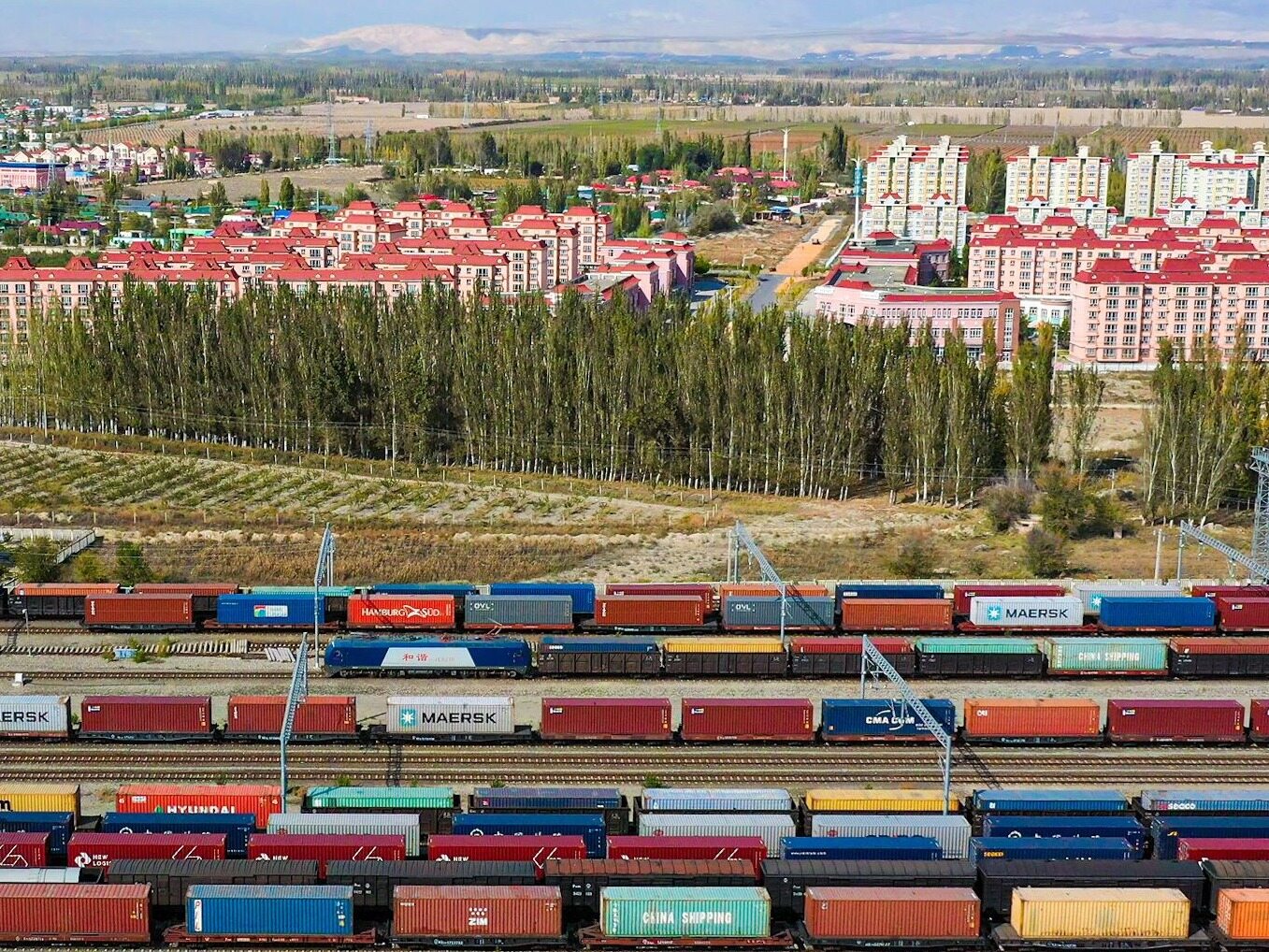
- Central Asian countries accelerate the construction of a multimodal transport corridor connecting China
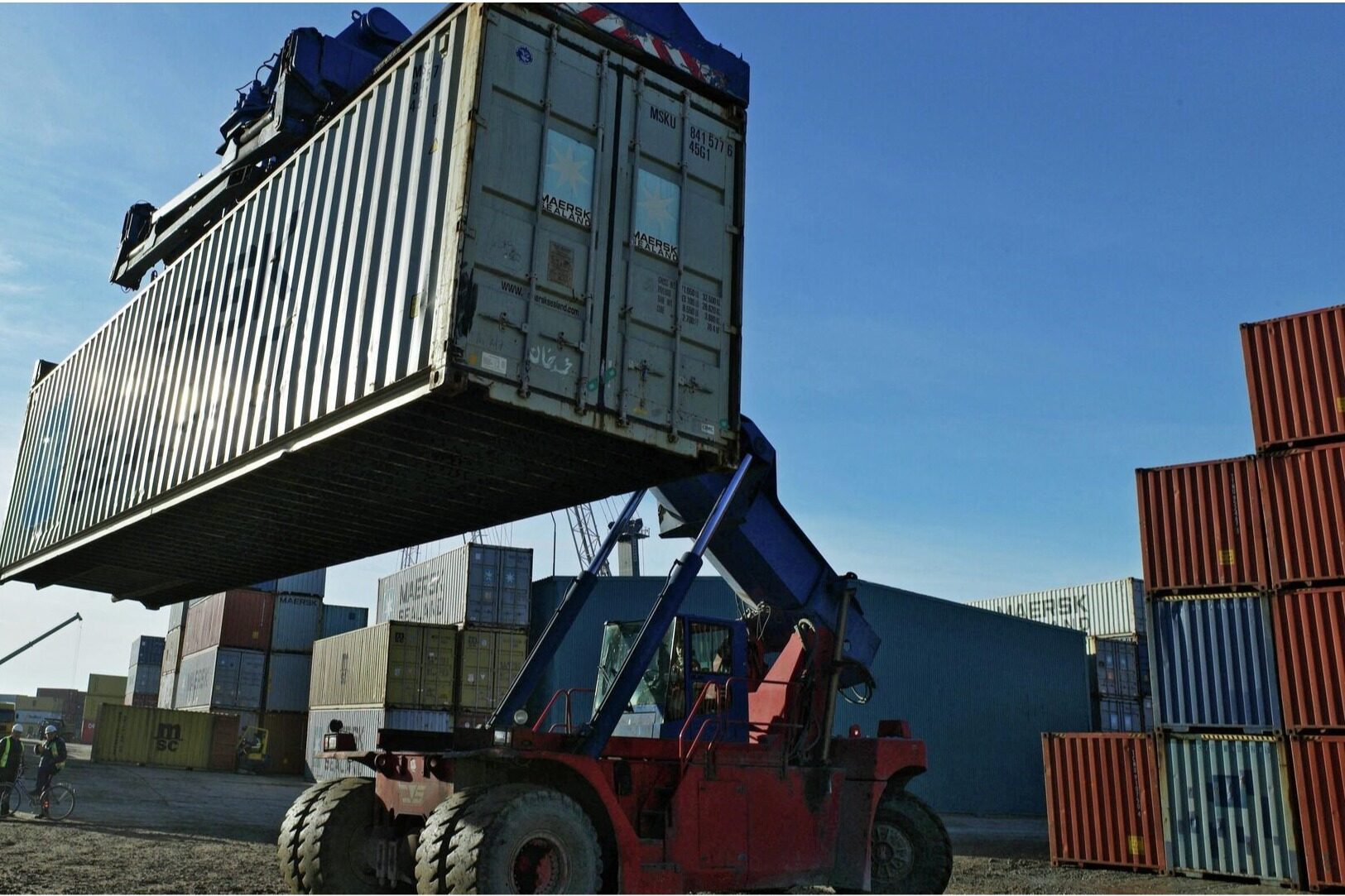
A logistics center that can handle hundreds of trucks per day on the border between Uzbekistan and Tajikistan will become a new anchor for the regional economy, and an innovative passport free travel system is changing cross-border trade rules.
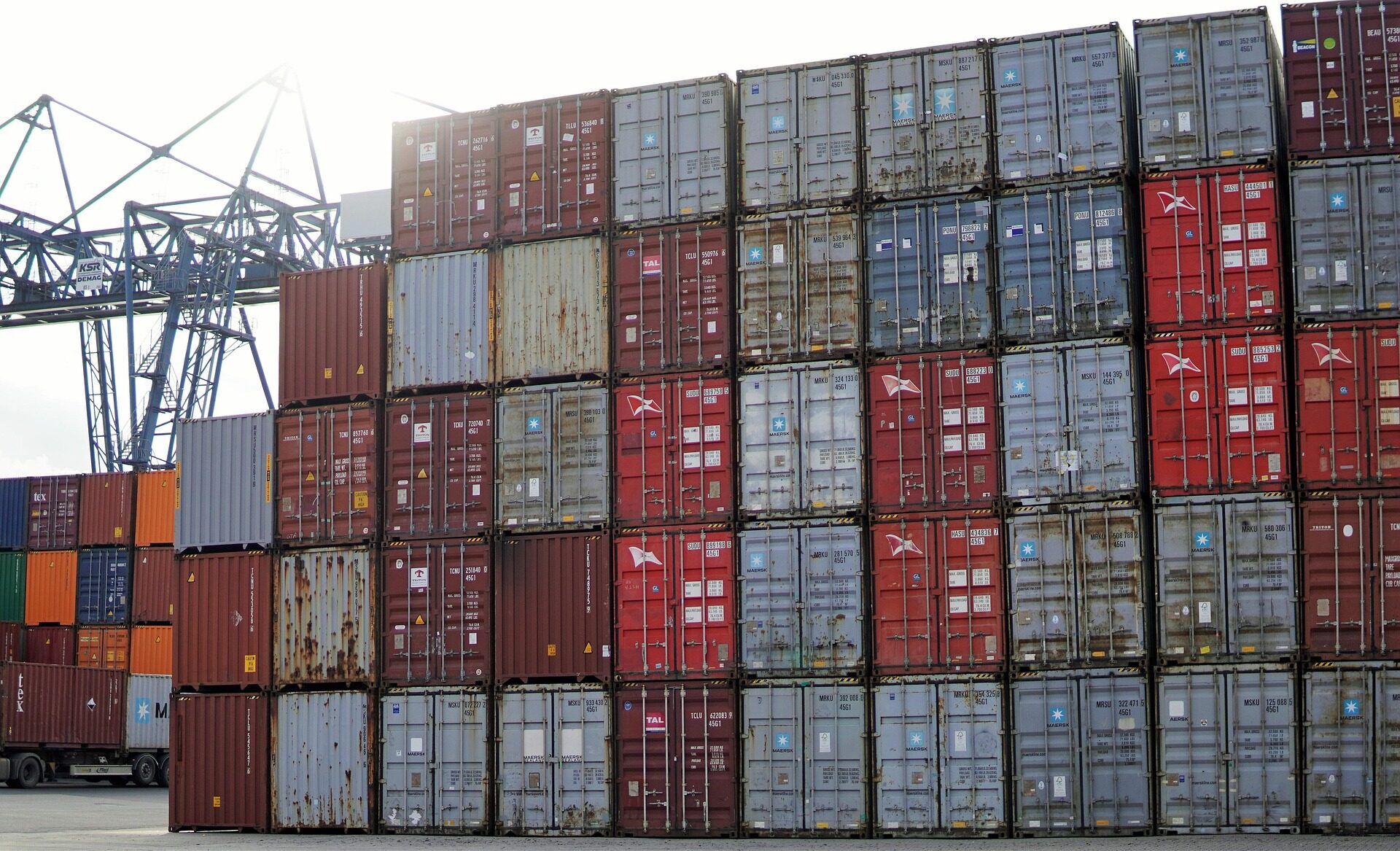
Comprehensive upgrade of logistics channels
Shortly before the new round of talks, the Joint Committee on International Road Transport held a special meeting. The Uzbekistan delegation was led by the First Deputy Minister of Transport, Mamambi Omarov, while the Tajikistan delegation was attended by the Deputy Director of the relevant agencies, Shaista Said Murozova. The two sides focused on discussing the technical details of utilizing the potential of bilateral transit and making institutional preparations for increasing cross-border freight volume.
The focus is on the Yaltpa Sarazm border crossing. This port is considered a key node for future integration into China's transportation system, but with the introduction of multimodal transport, the existing infrastructure has become significantly outdated, and the urgency of modernization has increased significantly.
Tashkent and Dushanbe are evaluating the feasibility of fully digitizing international road transport permits, which is expected to shorten border waiting times and reduce the risks of human intervention and corruption.
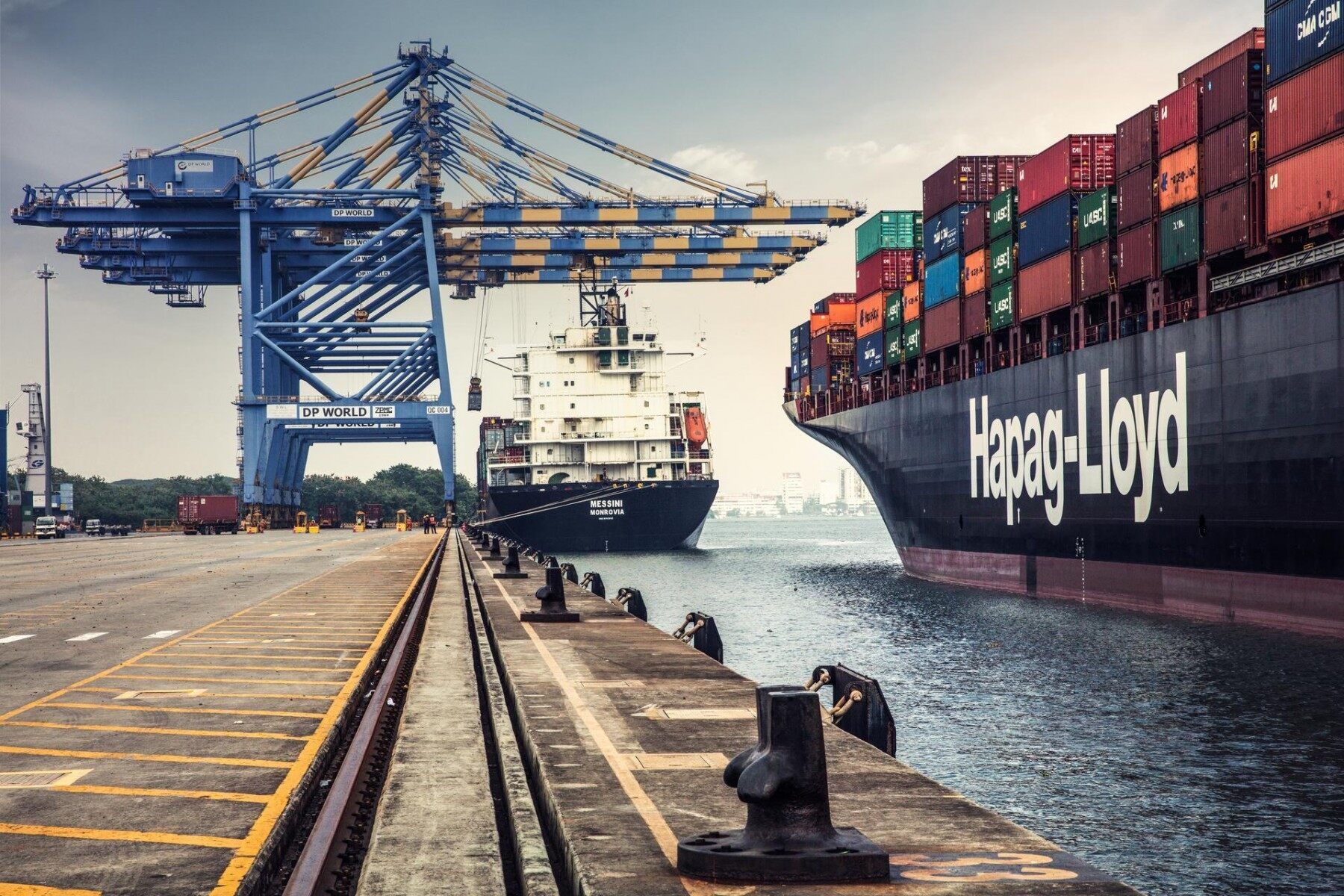
The economic potential of ports is enormous
Saida Mirziyoyeva, the head of the Communication and Information Policy Department of the Executive Office of the Presidential Office of Uzbekistan, recently inspected the trade and logistics center project in Urgut District of Samarkand Oblast. The project is located adjacent to the Tajikistan border and is positioned as a new anchor point for regional border economy.
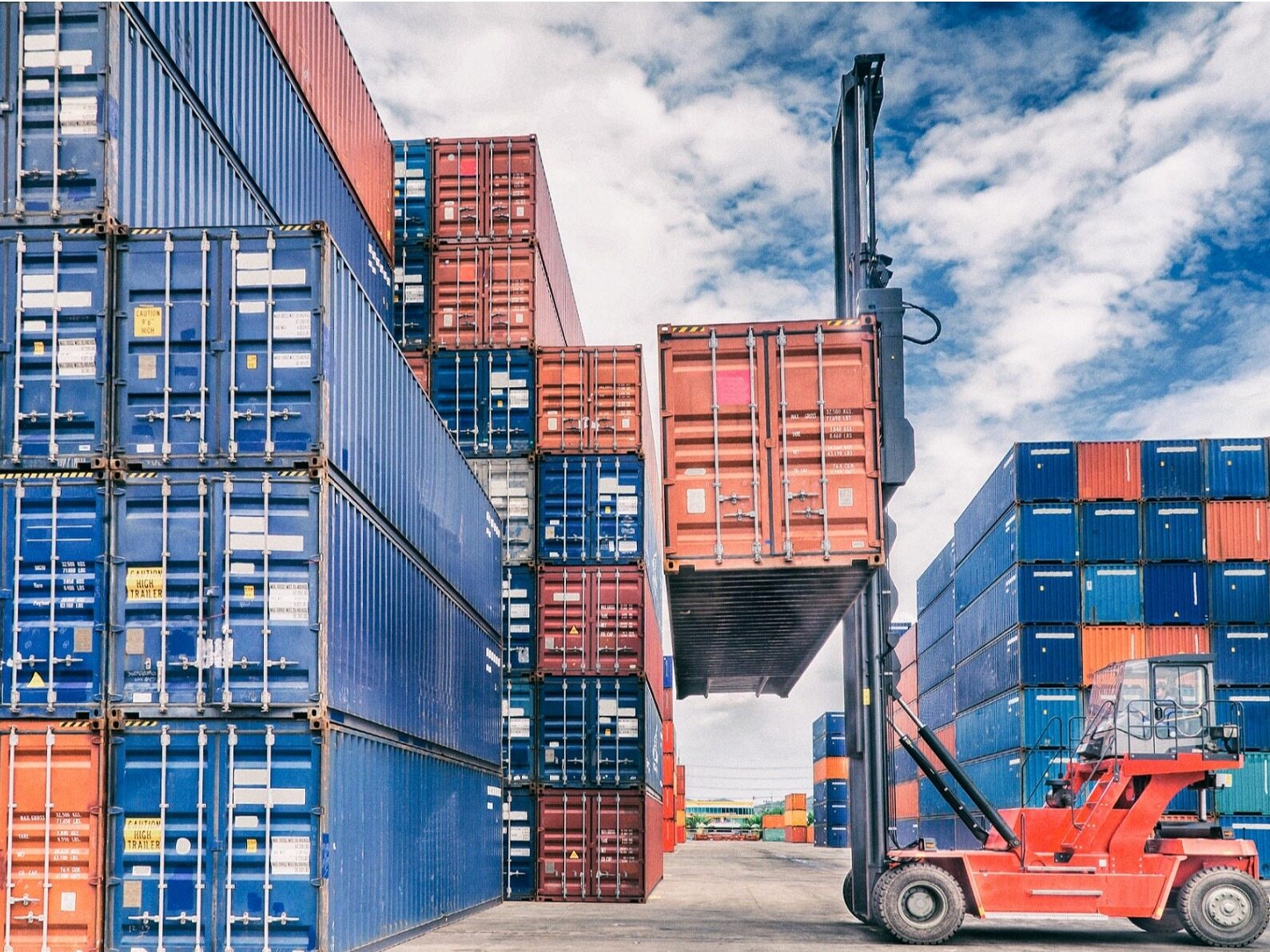
The logistics terminal can handle up to 100 heavy trucks per day, and the goods will be cleared through expedited customs procedures.
The spillover effects of the project are not limited to logistics: the accompanying diagnostic medical center is expected to receive 150 to 200 patients per day, and the large shopping center is expected to provide employment space for about 800 entrepreneurs.
A more groundbreaking arrangement is that Tajik citizens can enter markets and medical facilities on the Uzbek side without standard passport checks, thereby reducing queuing and procedural costs. This arrangement is seen as an important institutional innovation to promote cross-border trade and social connections. Keywords: the Belt and Road news, the Belt and Road latest information
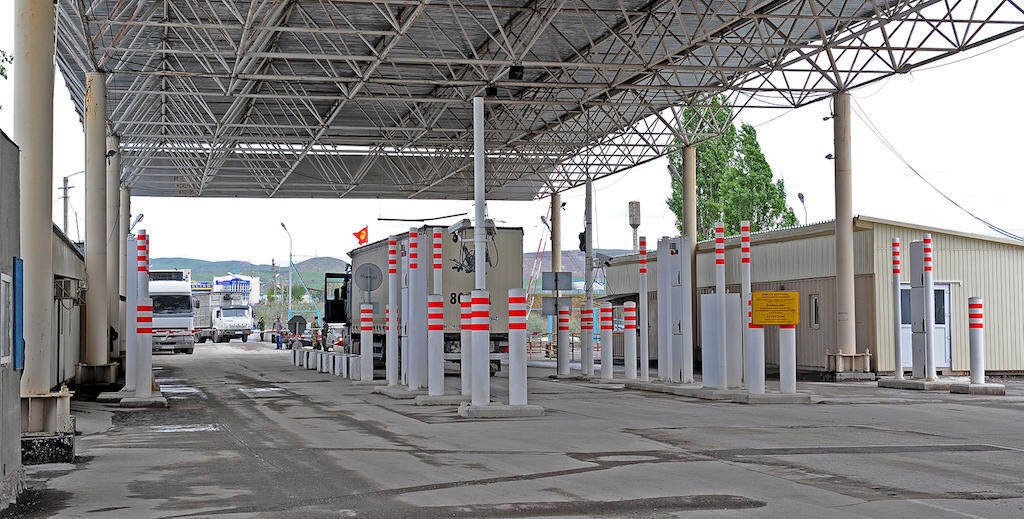
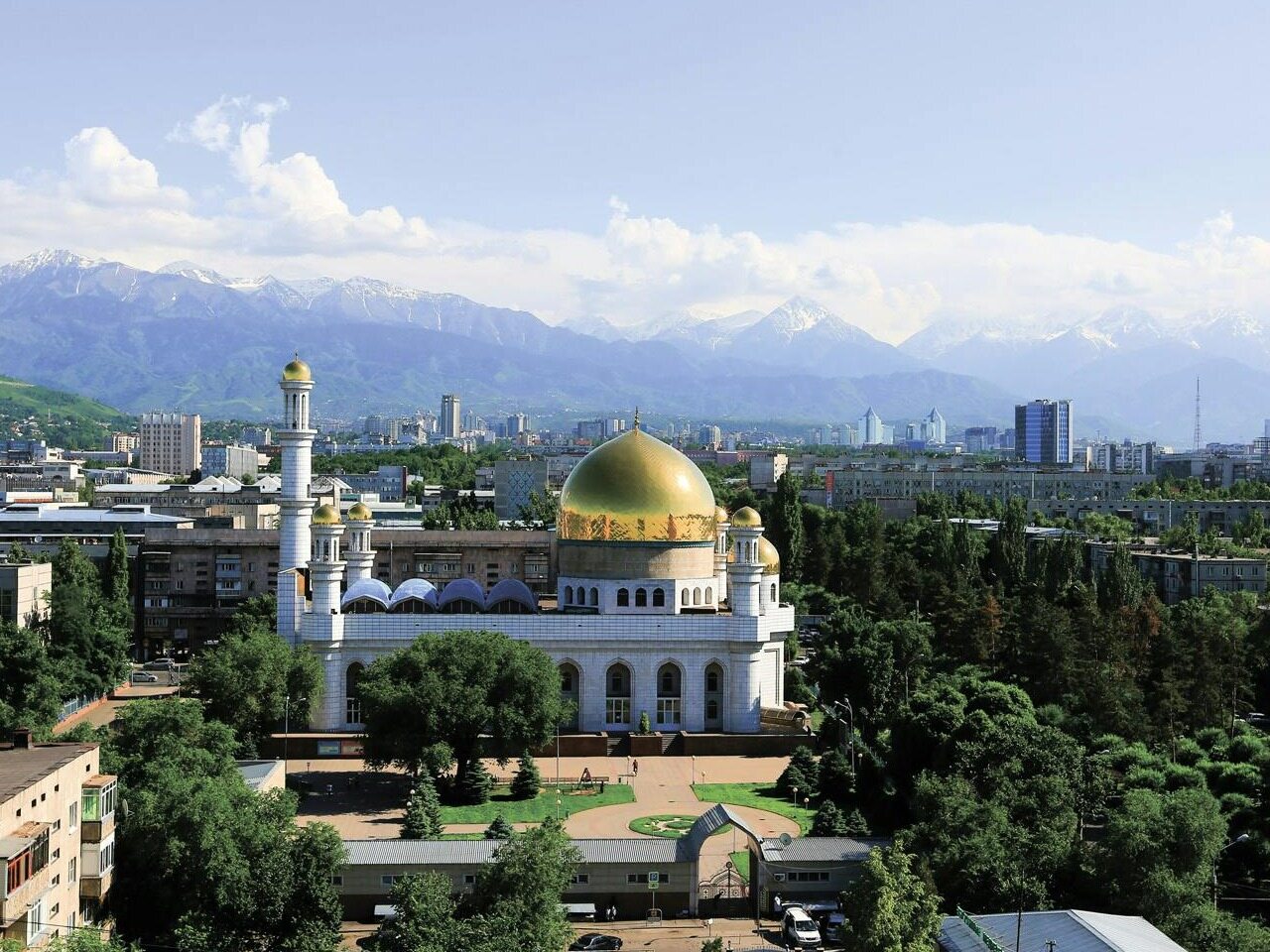
With the pilot launch of multimodal transportation routes, Samarkand is becoming an important hub connecting China and Central Asia. This is not only an adjustment in transportation arrangements, but also a profound transformation in regional trade structure and infrastructure investment logic.Editor/Cheng Liting
Comment



 Praise
 Collect
 Comment

 Share
Share


Write something~