 Search


- With the upgrading of the Yaltpa Sarazm port, the Central Tajikistan Uzbekistan Corridor is moving from blueprint to reality
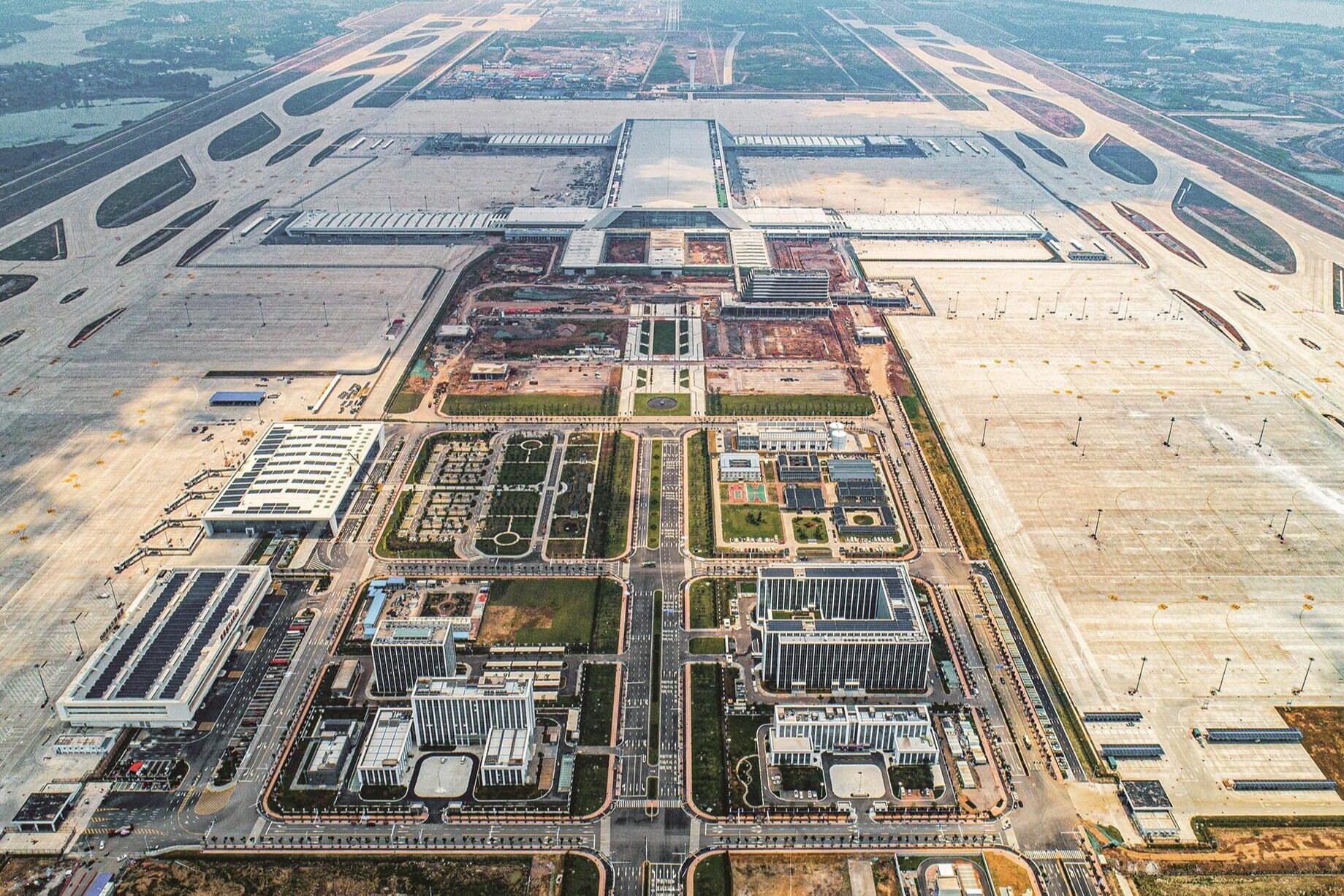
On January 5, 2026, Uzbekistan and Tajikistan reached an agreement in Samarkand, officially launching the pilot of the China Tajikistan Uzbekistan multimodal transport corridor. This new channel, with Samarkand as its hub, will not only improve cross-border freight efficiency, but also herald a profound transformation in the trade pattern and infrastructure investment logic of Central Asia.
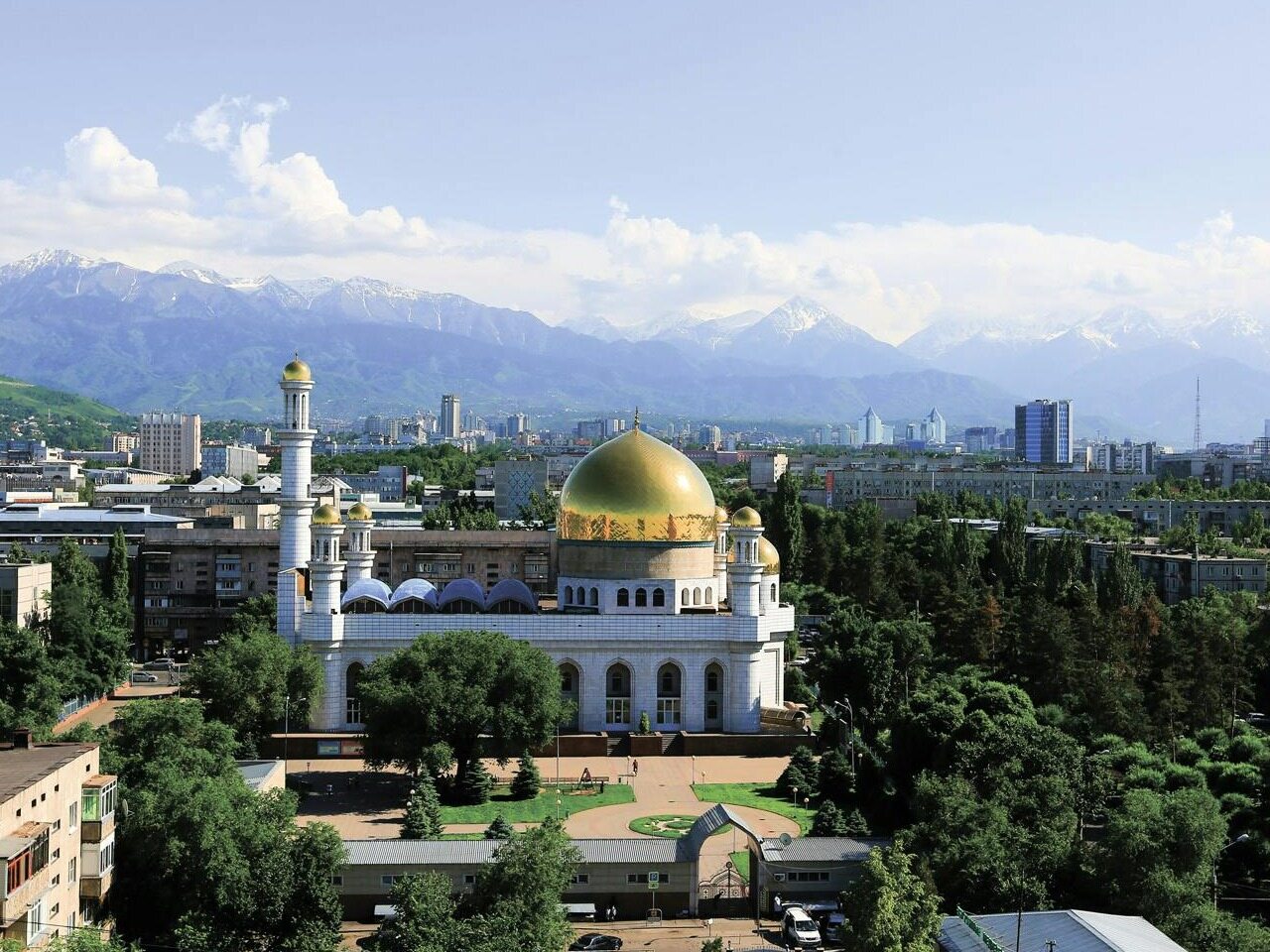
Samarkand in the depths of winter, an important hub on the ancient Silk Road, is ushering in a far-reaching modern dialogue. The hands of the First Deputy Minister of Transport of Uzbekistan, Mamambi Omarov, and the Deputy Director of Tajikistan's relevant agencies, Shaista Said Murozova, were tightly clasped together. Both parties jointly announced the launch of the pilot project for the China Tajikistan Uzbekistan multimodal freight corridor. This is not only an adjustment of transportation routes, but also reflects a reassessment of transit potential in Central Asia and a clear signal of accelerated regional economic integration.
The landing of the corridor takes a crucial step forward
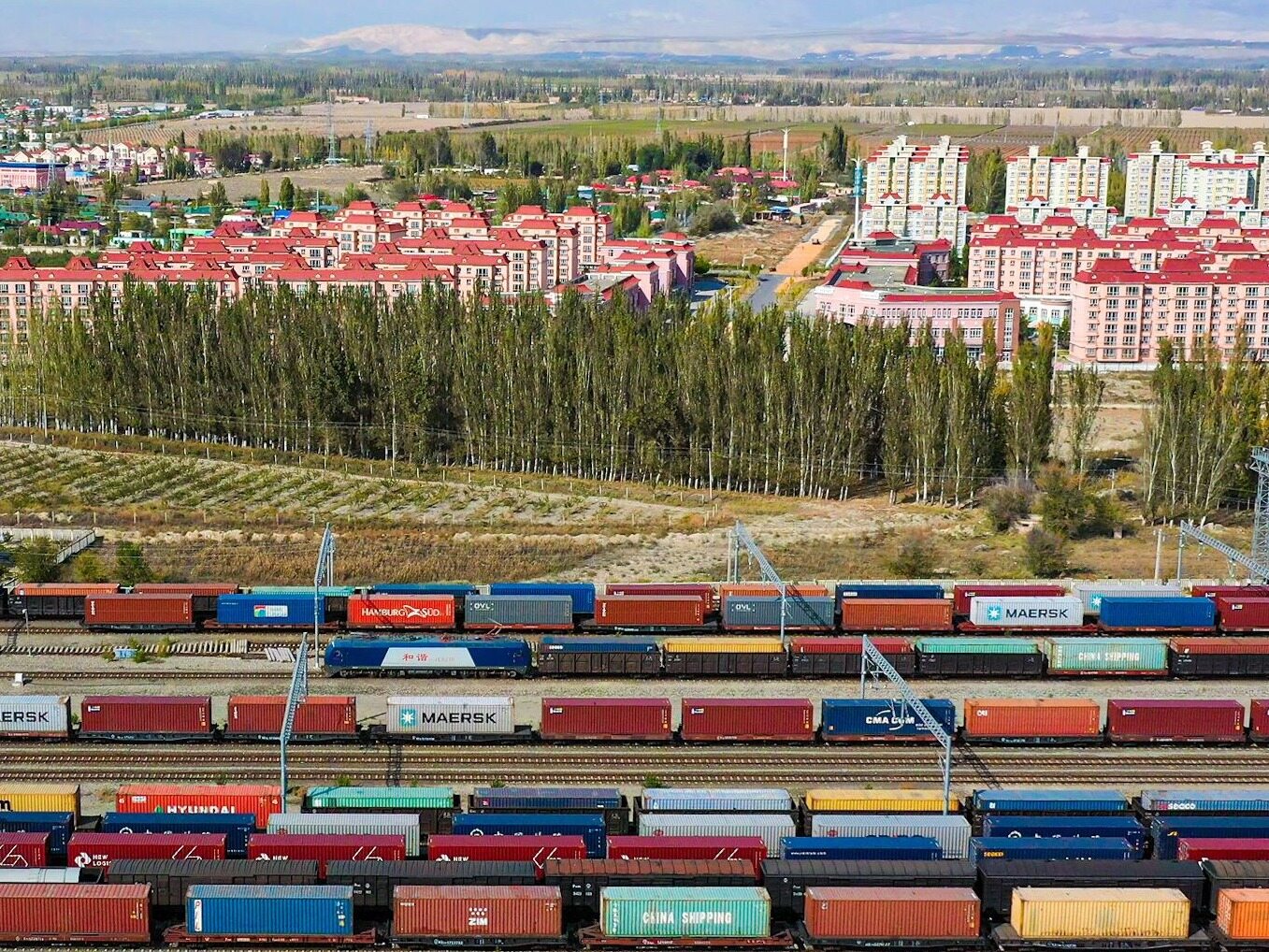
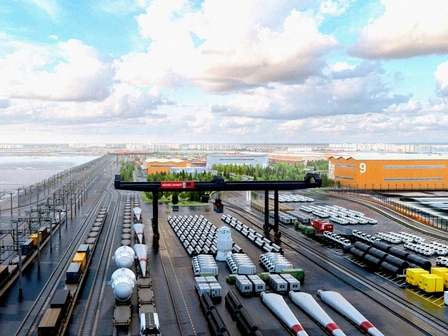
The core outcome of the Samarkand talks this time is to reach an agreement on significantly increasing the freight flow among the three countries and promoting the corridor to enter a substantive pilot transportation phase. Prior to the talks, the International Road Transport Joint Committee had held a special meeting to lay the technical groundwork. The focus of the discussion between the two sides is highly concentrated on the Yaltpa Sarazm border port, which is regarded as a key node connecting China's future transportation system. At present, the infrastructure of the port is unable to meet the growing demand, and modernization is urgently needed. The pilot launch means that goods will be transported through a more efficient combination of railways and highways, passing through Tajikistan and connecting China and Uzbekistan, highlighting Samarkand's core hub position.
Two pronged approach of electronicization and quota increase
To make the corridor truly "smooth", institutional upgrades are being carried out simultaneously. During the meeting, both sides of Uzbekistan and Tajikistan explicitly proposed to accelerate the digitalization process of cross-border documents and evaluate the feasibility of fully digitizing international road transport permits. Industry insiders point out that the implementation of E-permit system can significantly shorten the waiting time of goods at the border and reduce the risk of human intervention and non-standard operations. At the same time, increasing license quotas has also been put on the agenda, which directly echoes the positive expectations of both countries for a significant increase in trade volume and cargo throughput before 2026. These measures collectively target the pain points in the transit process, aiming to clear institutional barriers for the increase in cross-border freight volume.
New 'anchor points' in border areas and integration with people's livelihoods
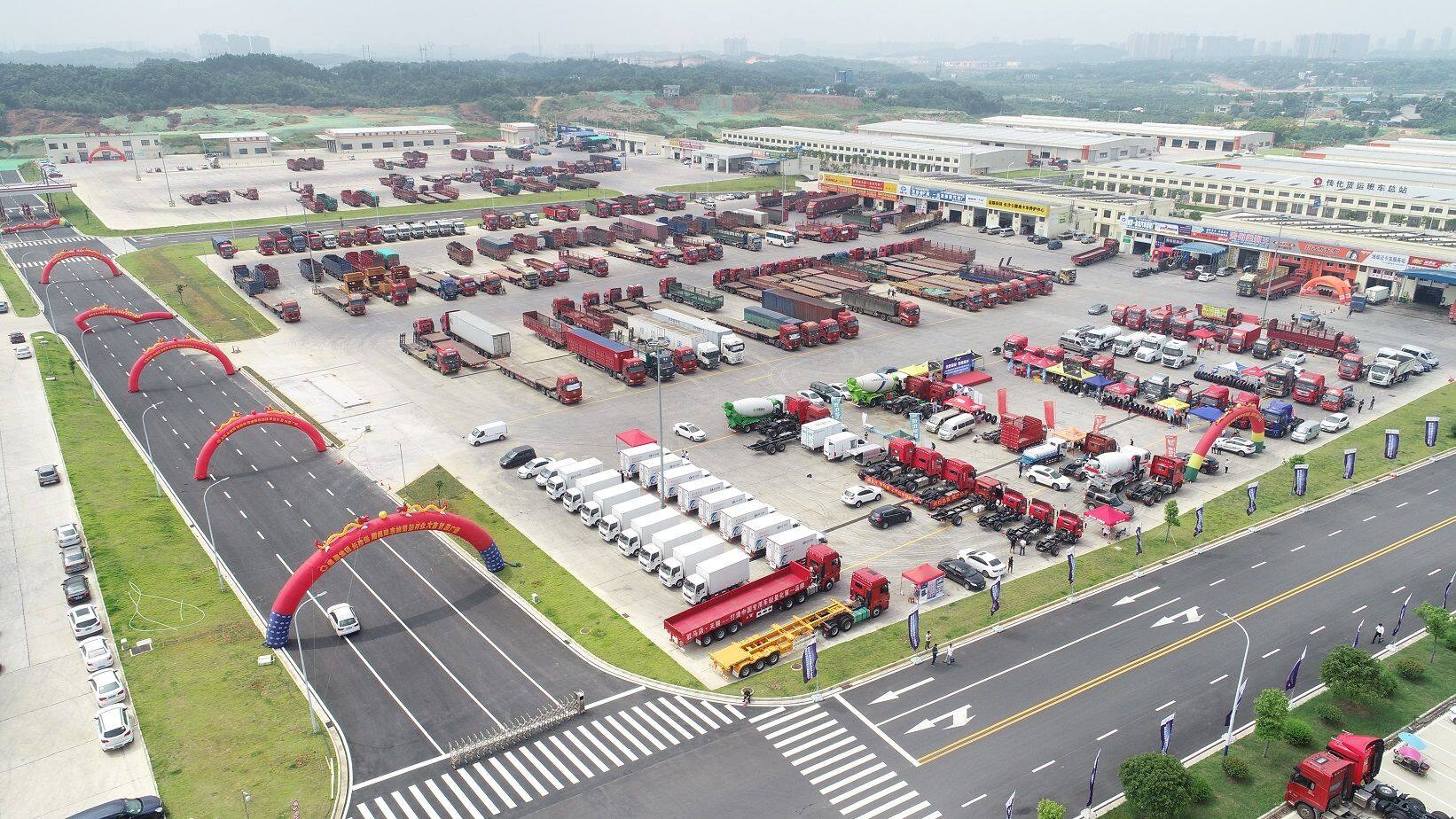
The effect of corridor construction has long exceeded the scope of simple logistics. At the same time as the talks, Saida Mirziyoyeva, an official from the Uzbekistan Presidential Office, inspected a comprehensive trade and logistics center project in the Urgut district of Samarkand Oblast. This project adjacent to the Tajikistan border is positioned as a new "anchor point" for regional development. The plan shows that its logistics terminal can handle 100 heavy trucks per day and is equipped with expedited customs procedures. What is even more distinctive is that the project integrates a diagnostic medical center (accommodating 150-200 people per day) and a large shopping center (expected to provide space for 800 entrepreneurs), aiming to form an economic ecosystem that integrates logistics, trade, and services.

The most groundbreaking design is reflected in the travel system: in the future, Tajikistan citizens are expected to enter the markets and medical facilities on the Ukrainian side without standard passport checks. This innovative arrangement will greatly reduce the queuing and procedural costs of cross-border personnel, not only promoting small-scale trade and people's livelihood exchanges, but also enhancing social connections more profoundly, reflecting the integrated thinking of "people-oriented" in regional cooperation. Keywords: the Belt and Road news, international news
The accelerated formation of the China Tajikistan Uzbekistan Corridor is a strategic choice for landlocked Central Asian countries to actively integrate their transit potential and deepen their economic connections with China. From the "hard connectivity" of infrastructure to the "soft connectivity" of rules and standards, and then to the "heart connectivity" of the people, this emerging channel is redrawing the economic and trade map of Central Asia, injecting new practical connotation into the the Belt and Road cooperation.Editor/Yang Meiling
Comment



 Praise
 Collect
 Comment

 Share
Share


Write something~