 Search


- Intersect will maintain brand and operational independence, led by the original management team
- Alphabet and Intersect have already established a deep partnership. Accelerate the large-scale implementation of energy infrastructure models
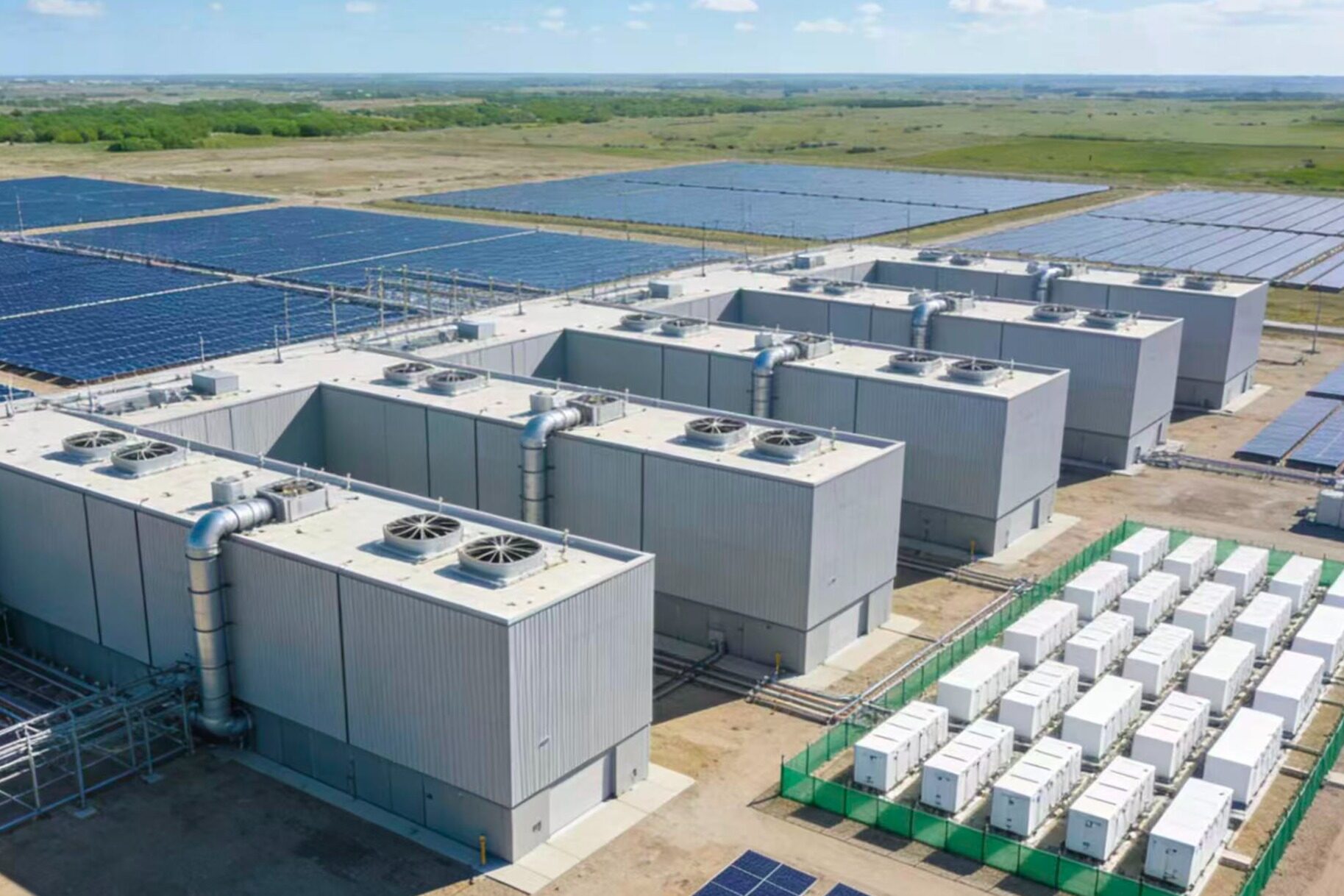
The explosive growth in demand for artificial intelligence computing power is forcing tech giants to delve deeper into the energy sector. Recently, Alphabet, the parent company of Google, announced that it will acquire Intersect, a US data center and integrated energy infrastructure service provider, for $4.75 billion in cash (approximately RMB 33.2 billion) and assume debt. This heavyweight transaction is expected to be delivered in the first half of 2026, marking the official call for this tech giant with a market value of over $3 trillion to seize the integrated track of "data center+energy storage".
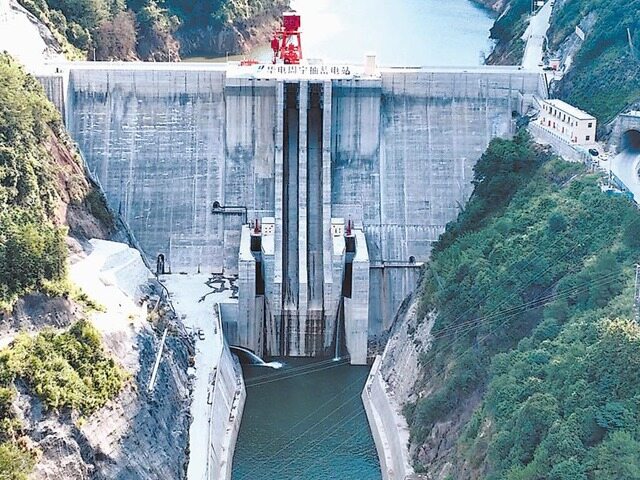
This acquisition did not happen out of thin air. The transaction covers the core team of Intersect, as well as multiple gigawatt level data centers and supporting energy projects jointly developed by both parties, directly addressing the power security pain points of the computing power base in the AI era. As a rising star in energy infrastructure founded in 2016, Intersect was founded by CEO Sheldon Kimber and backed by American private equity giant TPG. It focuses on creating an integrated power supply solution of "renewable energy+energy storage" for ultra large data center parks. At present, its assets under operation and construction have reached 15 billion US dollars. By 2028, the total installed capacity of the company's planned operation and development projects will exceed 10.8 GW, which is more than 20 times the power generation capacity of the Hoover Dam.
It is worth noting that this acquisition sets clear asset boundaries: Intersect's operating assets located in Texas, as well as all operating and developing assets in California, will be spun off to other investors for independent operation, with Alphabet focusing on core energy projects that both parties collaborate on. After the transaction is completed, Intersect will maintain brand and operational independence, with the original management team at the helm and deep collaboration with Google's technology infrastructure department to accelerate the construction process of the first benchmark project - the Haskell County data center and supporting power facilities in Texas.
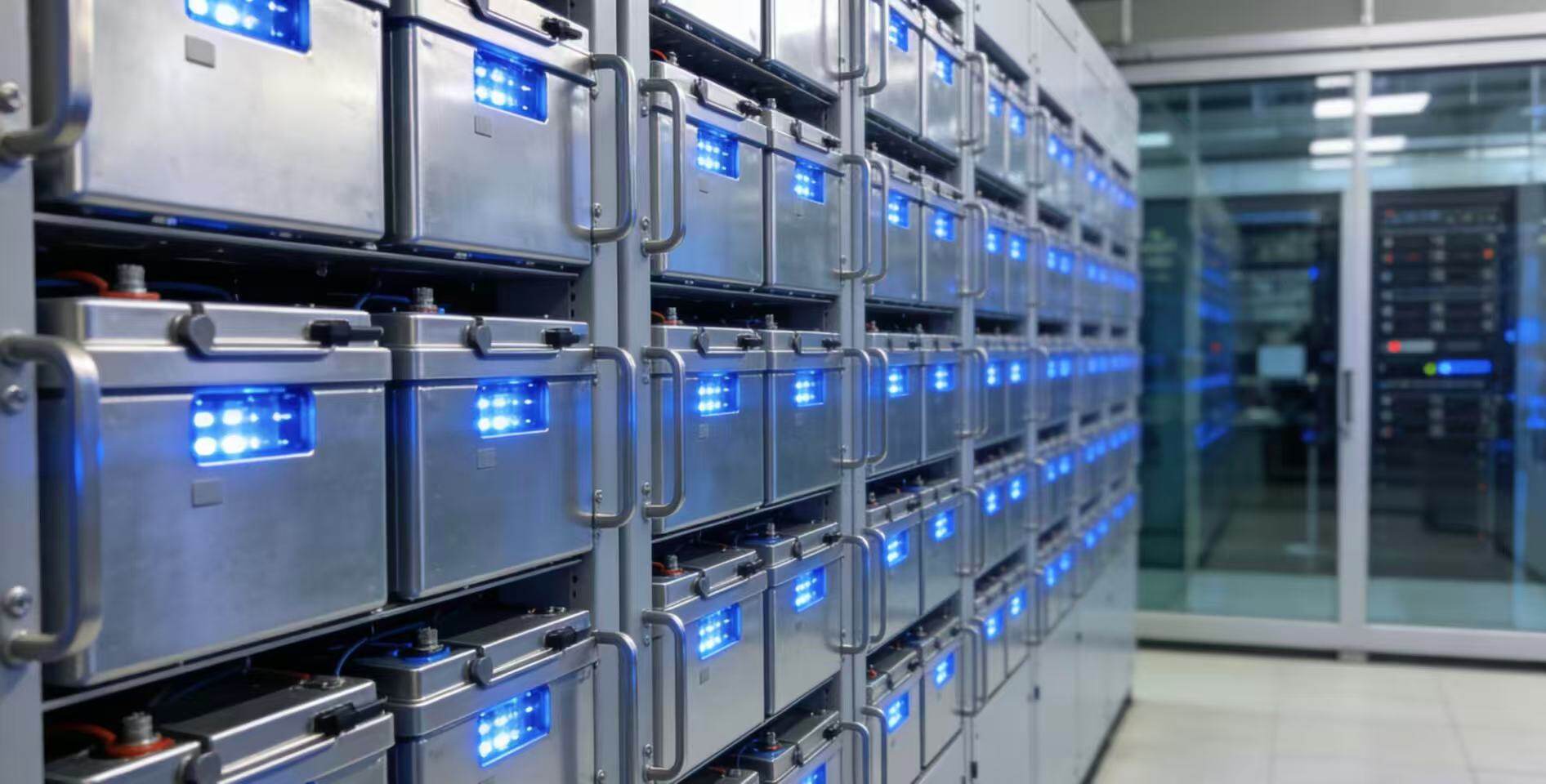
In fact, Alphabet has already established a deep partnership with Intersect. In December 2024, Google participated as the lead investor in Intersect's $800 million financing and acquired a minority stake, laying the groundwork for this wholly-owned acquisition. Regarding this transaction, Alphabet and Google CEO Sundar Pichai stated that Intersect's technology and resources will help Google achieve "efficient collaboration between data center load addition and power generation facility construction", and strengthen the global competitiveness of the US technology industry with innovative energy solutions. Sheldon Kimber stated that after joining Alphabet, Intersect will receive more sufficient capital and scenario support to accelerate the large-scale implementation of energy infrastructure models.
This acquisition is a crucial step for Alphabet to increase its energy layout. Just last month, utility giant NextEra announced an expansion of its partnership with Google Cloud to build a dedicated new energy supply network for its US operations. In October 2025, Google had already finalized the power supply plan for its West Memphis data center in Arkansas - purchasing electricity from Entergy Arkansas Power Company's newly built 600 MW solar energy storage project, accompanied by a 350 MW battery energy storage system that would provide stable and reliable power support for the data center.
At present, the traditional power grid in the United States is unable to bear the power load brought by the surge in AI computing power. The integrated energy park of "data center+clean energy+energy storage" is becoming a battleground for technology giants. Amanda Peterson Corio, the head of global data center energy at Google, has publicly stated that the core of unleashing the potential of AI is to match sufficient clean energy, and restructuring the data center construction model to layout it in clean energy rich areas is the key to achieving sustainable operation. The acquisition of Intersect is an important lever for Google to implement this concept.
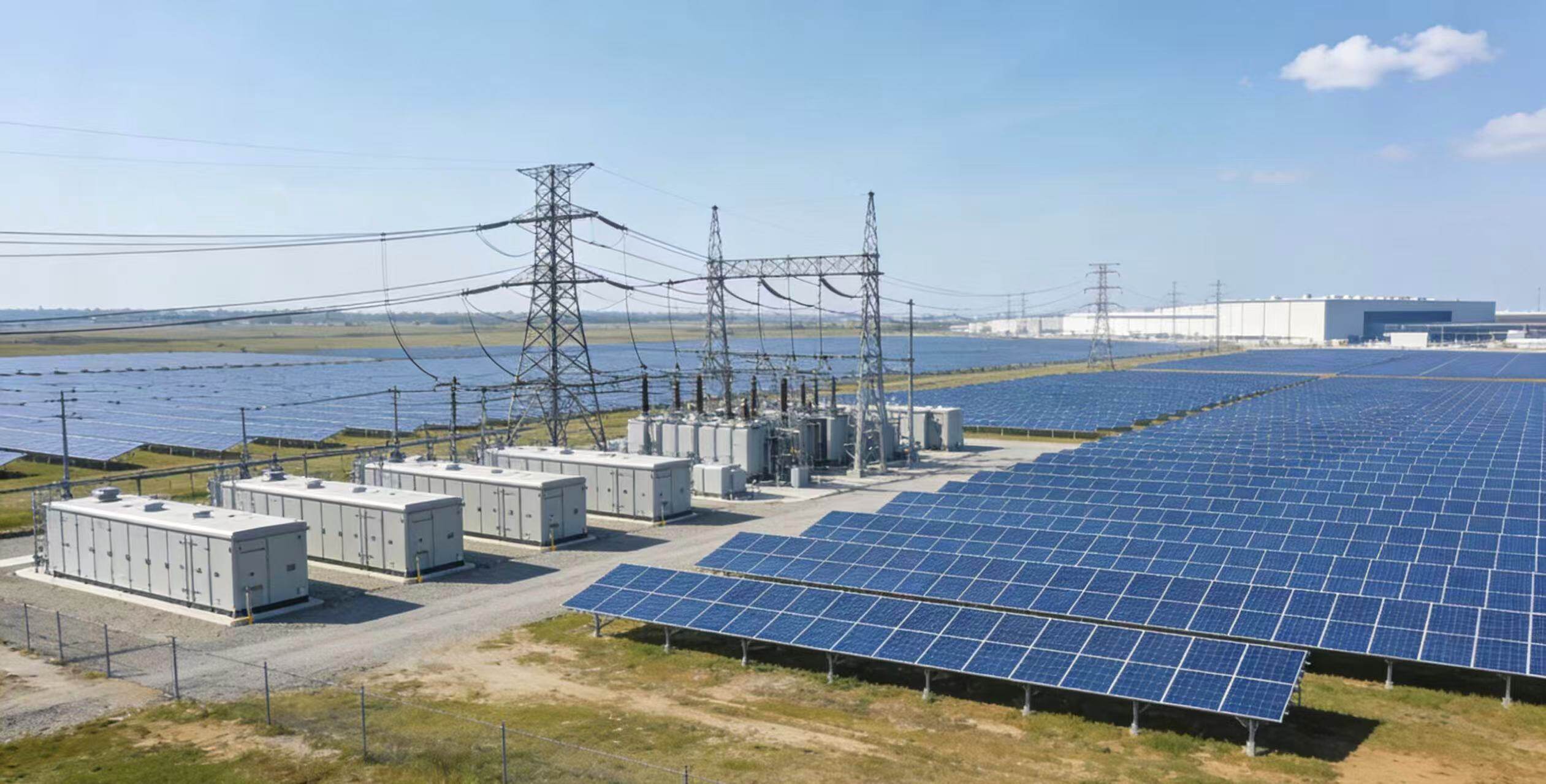
Industry analysis indicates that as the penetration rate of renewable energy increases, the role of energy storage systems in smoothing power fluctuations and ensuring grid stability becomes increasingly prominent. Alphabet's massive investment of 33.2 billion yuan in the energy storage field is not only paving the way for its own AI computing power, but also has the potential to drive a paradigm shift in the entire industry. Driven by both policy support and technological iteration, the energy storage industry is entering a golden period of large-scale and intelligent development.Editor/Bian Wenjun
Comment

 Praise
 Collect
 Comment

 Share
Share


Write something~