 Search


- From 'follower' to 'lead dancer'! China's grid based energy storage overcomes the problem of extremely weak power grids and stabilizes
- Delivery of 7.8GWh in 58 days! China's energy storage is rewriting the energy landscape in the Middle East. This scale exceeds
Riyadh, Saudi Arabia, summer afternoon temperatures soar to 50 degrees Celsius. The outdoor air conditioning units of the entire city roared, and on the screen of the power grid dispatch center, the load curve climbed steeply like a roller coaster. No one knows that the power grid of the world's largest oil exporting country is experiencing a silent crisis.
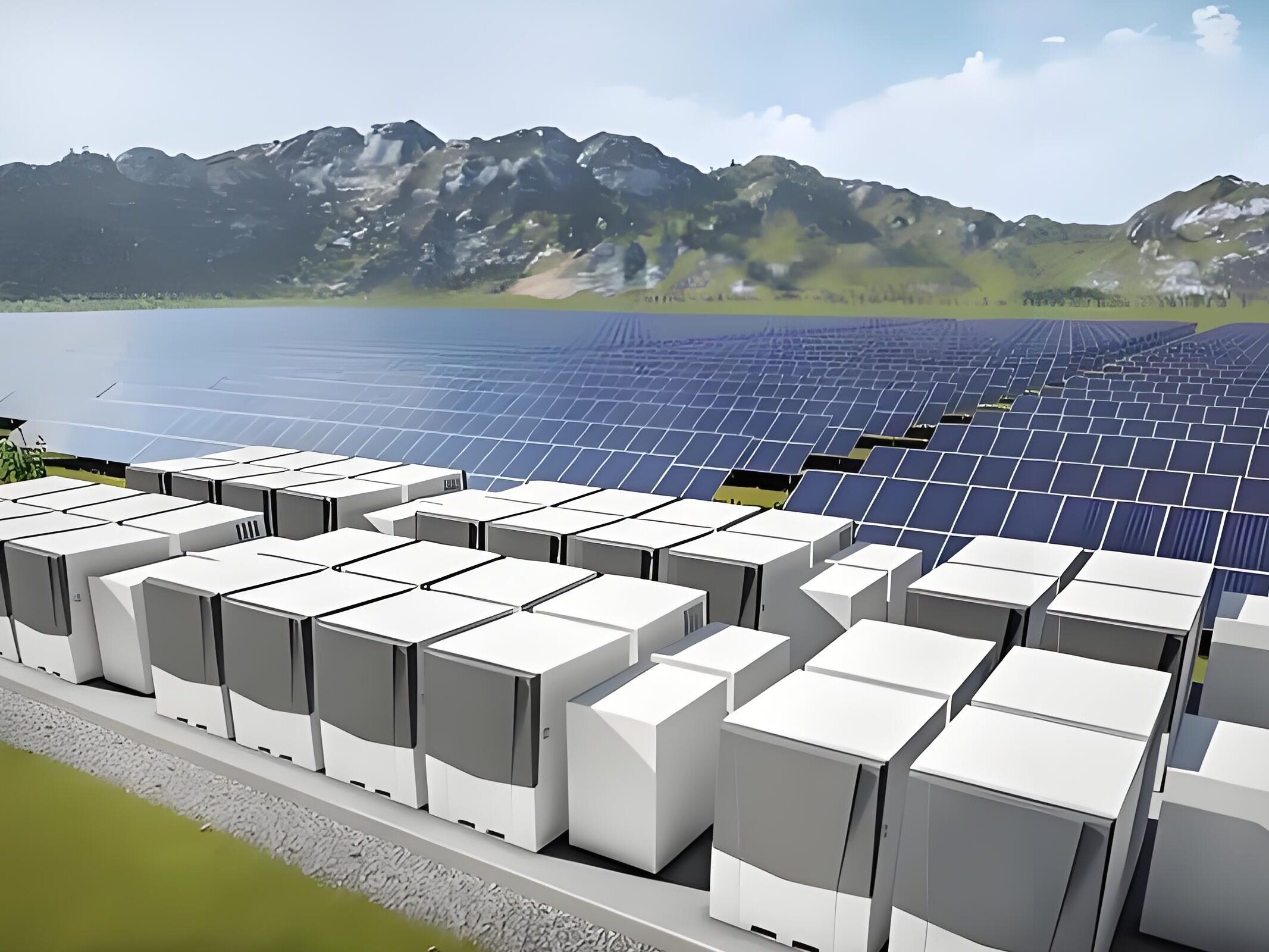
And the glimmer of hope in the crisis comes from the East. At the beginning of 2026, a shocking news came to the global energy storage industry: Chinese companies landed a 7.8GWh energy storage project in Saudi Arabia, which took only 58 days from placing the order to completing 1500 sets of systems leaving the factory, and all were connected to the grid within 40 days. This scale is equivalent to the total historical energy storage installed capacity in the UK, with an annual discharge capacity of 2.2 billion kWh, which can meet the annual electricity consumption of 400000 households.
But what really shocks people is not the numbers themselves, but behind this race against time to save the power grid, a technological revolution from "follower" to "leader" is unfolding.
The 'Triple Curse' of Saudi Electricity Grid
The dilemma faced by Saudi Arabia's power grid is like a carefully designed trap.
The first issue is the dependence on air conditioning in extreme weather conditions. The summer temperature in Saudi Arabia often exceeds 50 degrees Celsius, and air conditioning accounts for 70% of the total electricity load. Equivalent to 70% of the country's electricity being used to power air conditioning.
The second one is the time bomb planted by the old-fashioned motor. Saudi Arabia widely uses old-fashioned single-phase induction motors, which have a fatal flaw: they will stall when the voltage drops. The stalling motor will absorb current crazily, reaching 5 to 6 times the normal operation, triggering a chain reaction - voltage drop leads to more motors stalling, further voltage drop, and ultimately large-scale power outage. The power industry refers to it as "fault induced voltage delay recovery", and once the power grid gets stuck, it is difficult to recover like a computer crash.
The third factor is the fragile structure of the power grid. The southern part of Saudi Arabia is connected to the central and western power grids through a long-distance 380 kV line, with a short-circuit ratio of only about 1.5. 1.5 is already the warning line of the extremely weak power grid.
Extreme weather, outdated equipment, and weak grid structure - these "triple curses" make the Saudi power grid vulnerable to collapse at any time due to a voltage fluctuation.
There are only two traditional solutions: one is to build new transmission lines, which cost billions of dollars and have a cycle of 3 to 5 years; The second option is to install a static reactive power compensator, but the response speed is too slow, and by the time it reacts, the motor will already be stuck. What Saudi Arabia needs is a solution that can stabilize voltage in milliseconds, operate stably in extremely weak power grids, and have a very short construction period.
That's why manufacturing must be completed within 58 days and grid connected within 40 days - Saudi Arabia's power grid cannot afford to wait.
The technological revolution from 'follower' to 'lead dancer'
Traditional energy storage is called grid following type, which requires seeing the voltage and frequency of the power grid before deciding how much power to output. It's like a follower, following wherever the power grid points. This is not a problem under a strong power grid, but in an extremely weak power grid like Saudi Arabia, once the voltage drops, the phase-locked loop of the grid type energy storage will lose synchronization, unable to find a reference, and ultimately can only go on strike off the grid.
However, purchasing grid type energy storage is completely different. It does not wait for grid commands, but actively builds voltage and frequency, telling the grid: 'Don't be afraid, I'll support you.' This is a fundamental shift in control philosophy: from passive adaptation to active support.
The purchasing network technology of Chinese enterprises has achieved four major innovations: microsecond level voltage construction. The traditional solution requires several tens of milliseconds to resynchronize the phase-locked loop, while the grid type technology can directly output the supporting current in microseconds - delaying the voltage at the moment of motor stalling.
Virtual synchronous generator technology. The stability of the power grid relies on inertia, while traditional thermal power plants rely on rotors weighing hundreds of tons to provide physical inertia. What if there is no rotor in the energy storage system? Simulate the motion equation of the generator rotor using algorithms and provide virtual inertia. Equivalent to turning hundreds of tons of physical flywheels into digital flywheels.
Broadband oscillation suppression. There are various oscillations in the power grid ranging from 0.1Hz to 2500Hz - from low frequencies like elephant heartbeats to high frequencies like hummingbirds flapping their wings. Traditional control systems can only suppress a certain frequency band, while the all stem cell power grid technology has an active damping algorithm built-in, which can identify and suppress all frequency band oscillations, equivalent to putting full frequency band noise cancelling headphones on the power grid.
Extremely weak adaptability to the power grid. Traditional grid connected energy storage is prone to instability when the short-circuit ratio is less than 1.5, while the Chinese solution can operate stably under extreme conditions with a short-circuit ratio of 1.0. This is like dancing on a steel wire that is about to break, while also maintaining balance.
Triple economic accounts and the confidence of 'China speed'
The significance of this project goes far beyond technological breakthroughs. By calculating three economic accounts, one can understand its strategic value: the first one is to replace investment in transmission lines. The construction of a new 380 kV line requires billions of dollars and 3 to 5 years. The 7.8GWh grid based energy storage solution does not require the construction of new lines, but instead installs "virtual power plants" at the end of existing lines to enhance transmission limits. For example, the original speed limit on highways was 80 kilometers, but through intelligent scheduling, it can reach 120 kilometers - there is no need to build a new highway.
The second step is to save on crude oil consumption. During the summer peak of power generation in Saudi Arabia, the daily consumption of crude oil exceeds one million barrels. Based on current oil prices, it is estimated to burn approximately $60 million per day to generate electricity. The energy storage system replaces fuel units at night, releasing crude oil that can be exported and creating huge fiscal revenue.
The third step is to avoid power outage losses. Referring to the 2021 Texas power outage in the United States, which resulted in direct economic losses exceeding $100 billion, Saudi Arabia has significantly improved grid stability by deploying grid based energy storage, avoiding similar catastrophic consequences.
These three accounts combined: replacing billions of dollars in infrastructure investment, increasing annual crude oil export revenue, and avoiding billions of dollars in power outage losses - the return on investment far exceeds the traditional peak valley arbitrage model.
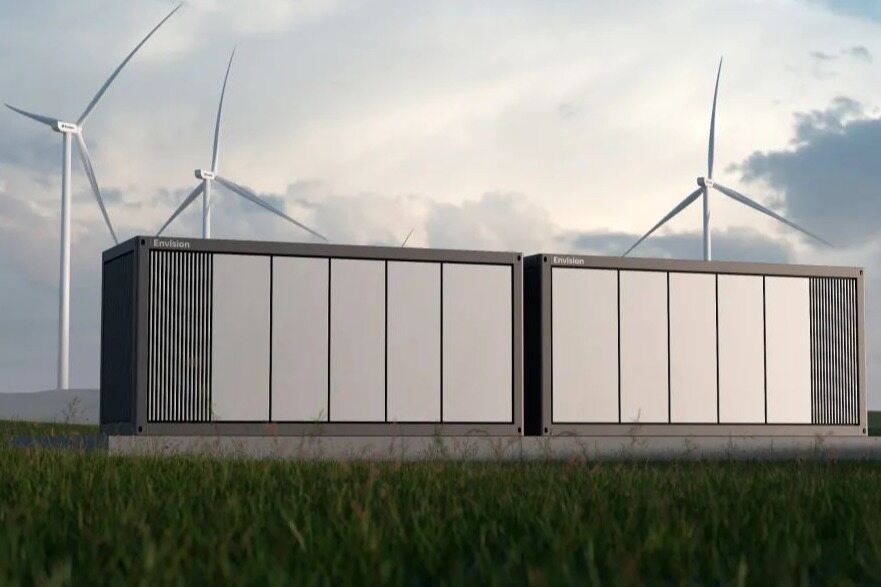
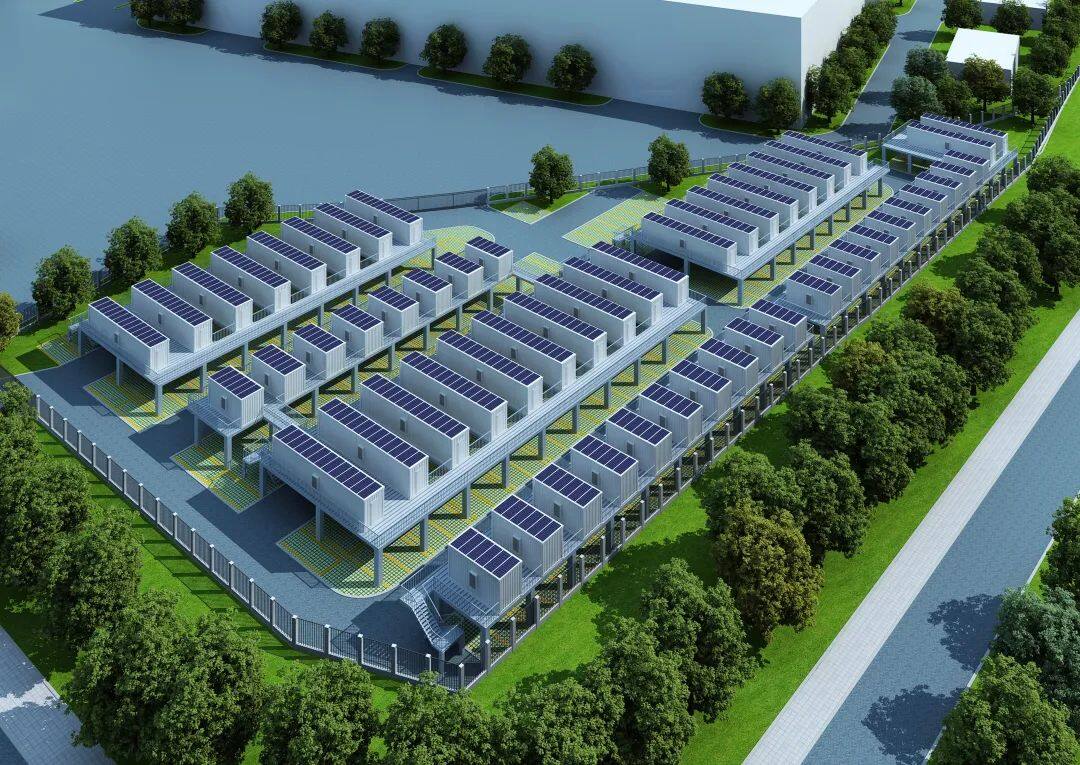
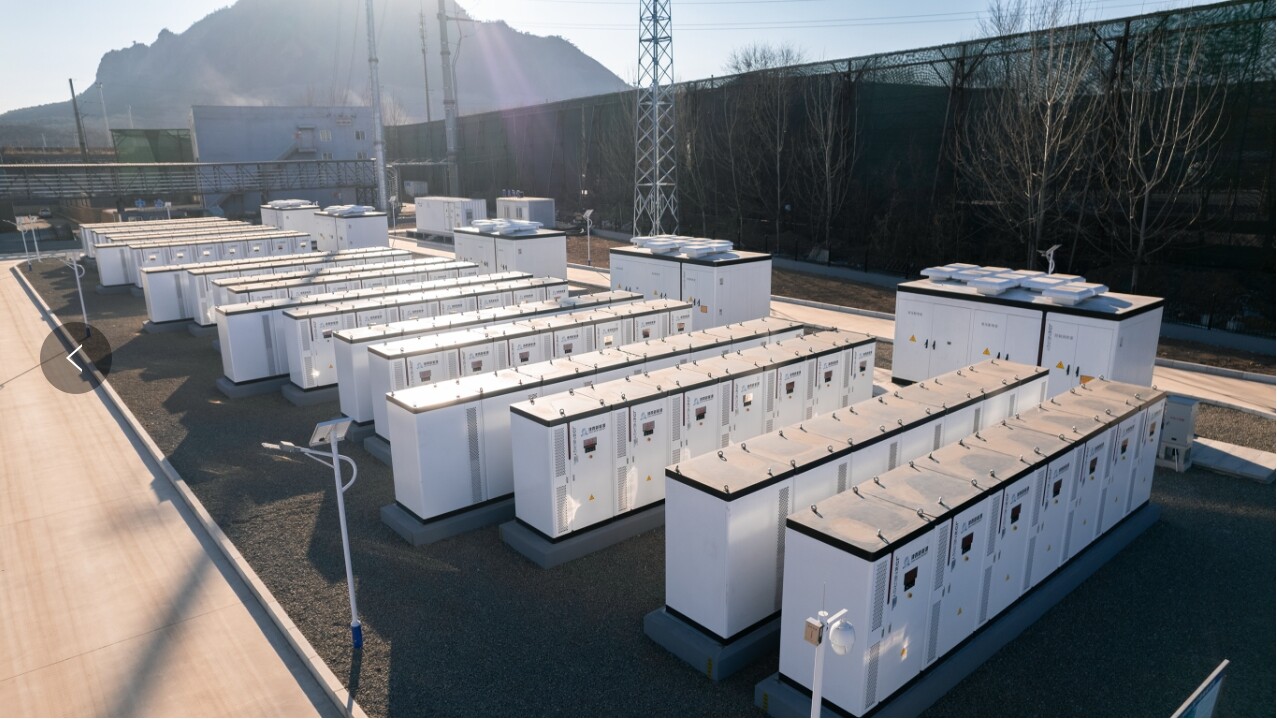
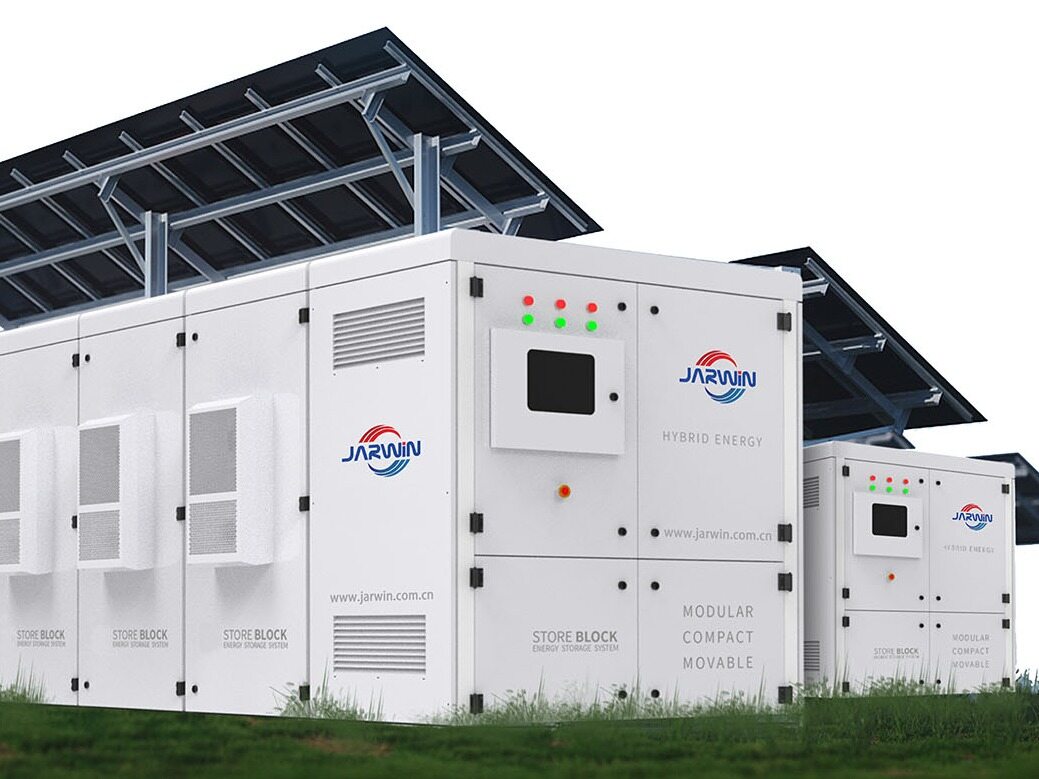
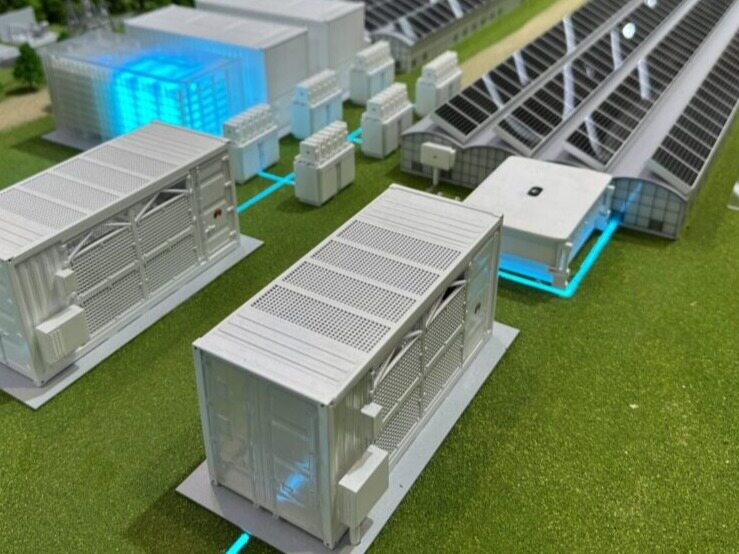
And what supports all of this is the 20-year accumulation of power electronics technology by Chinese enterprises, their deep cultivation in PCS control algorithms starting from inverters, and their innovative AC Block design - integrating 5MWh batteries, 2.5MW PCS, and liquid cooling systems in a 20 foot standard container. The battery's DC power is directly converted to AC inside the box, simplifying on-site installation to "connect to the grid with high-voltage cables", saving 55% of the floor area, and shortening the installation cycle by more than half.
More importantly, the advantages of global manufacturing and supply chain include six research and development centers, three major factory layouts to shorten delivery radius, strategic partnerships with top suppliers, and scale advantages, which provide the confidence to deliver 1500 sets of systems in 58 days. The "nanny style service" of dispatching a technical team of over 200 people to reside in Saudi Arabia and having more than 40 experts on-site at the headquarters is even more difficult for European and American companies to match.
The Saudi 7.8GWh project has demonstrated three points: the purchase network technology is mature and can operate stably in extreme environments; Energy storage systems can replace traditional generator sets and become the main force of power grid safety; The deep-water zone of global energy transition has been conquered. Keywords: Middle East news and information, Middle East international news
This is not a simple technological upgrade, but a paradigm shift: from passive following to active support, from accessories to main force, from follower to leader. Ten years ago, Chinese companies were catching up; Five years ago, started and ran; Today, Chinese companies have taken the lead in core technologies related to energy transformation. Editor/Yang Beihua
Comment

 Praise
 Collect
 Comment

 Share
Share


Write something~