 Search


- The deep driving force behind this project directly stems from South Australia's ambitious energy transition goals
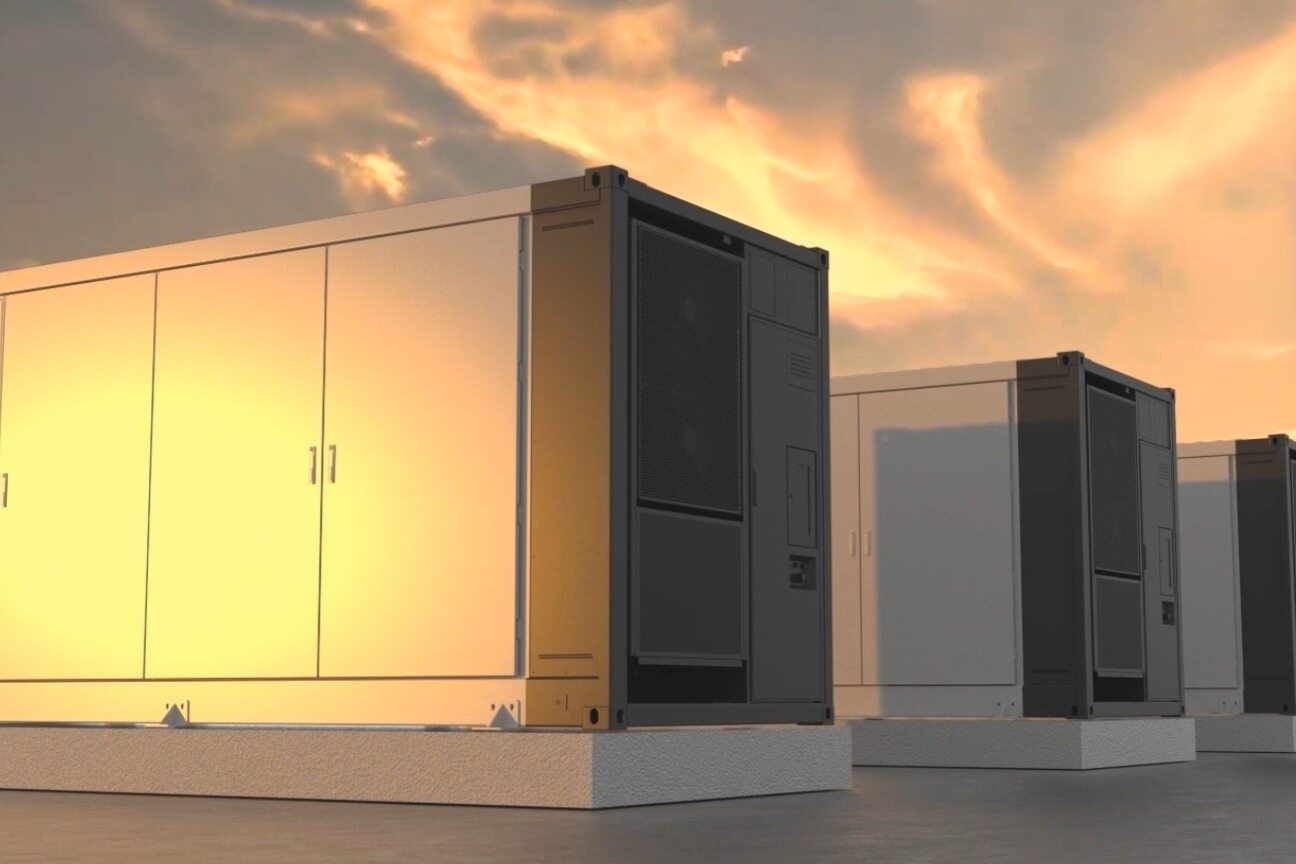
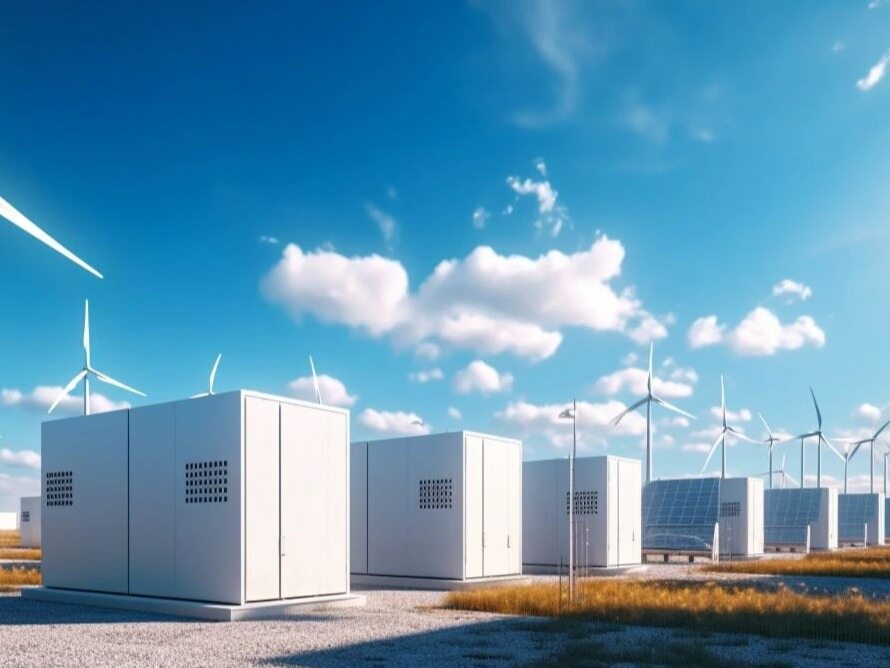
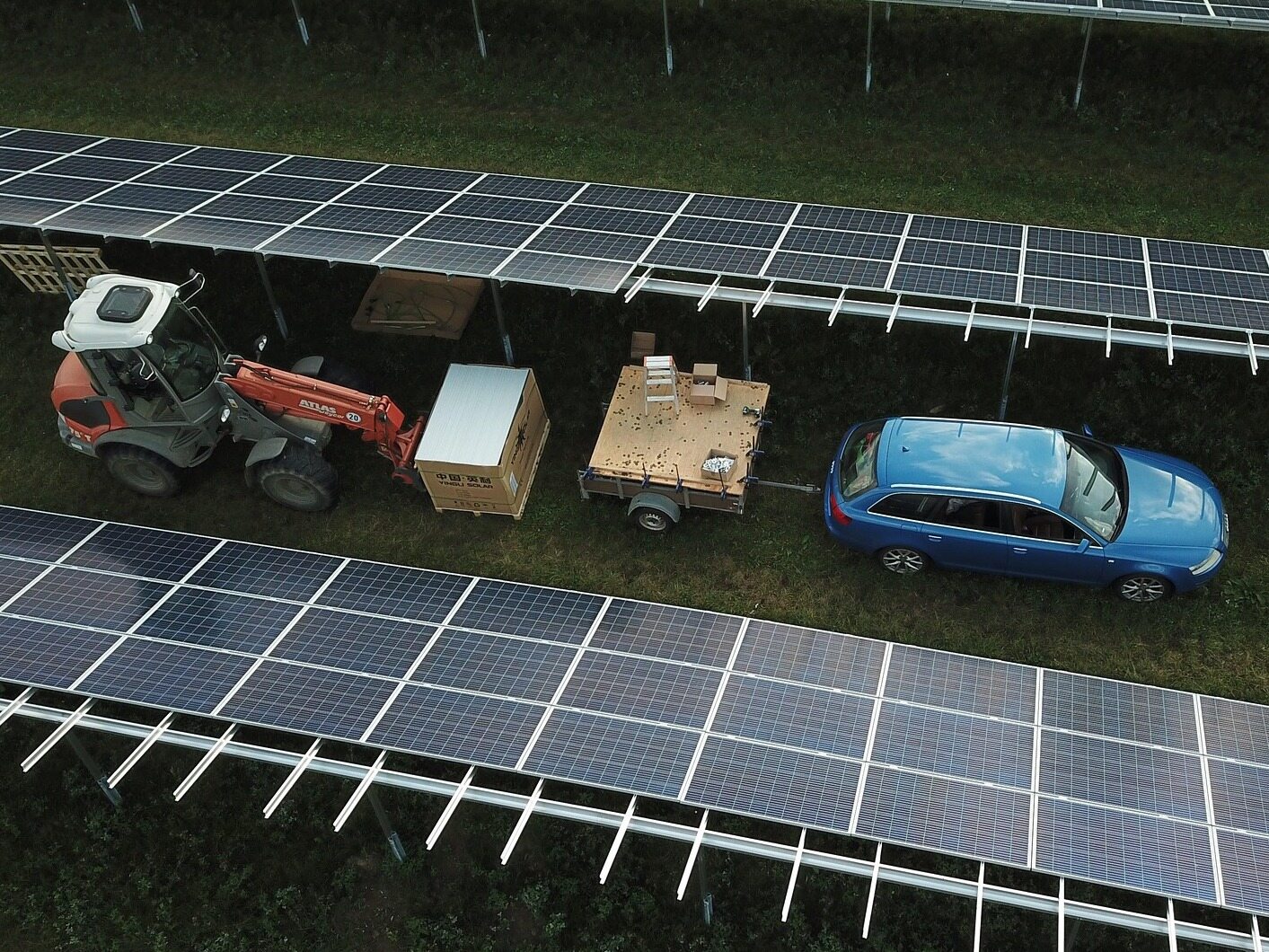
In the town of Tailham Bend, located approximately 85 kilometers southeast of Adelaide, the capital of South Australia, a vast expanse of land is witnessing the grand narrative of the clean energy era. Here, a 127MW solar farm and a 41.5MWh battery system of Singapore's Veyron Group have already been put into operation, and now another large-scale energy storage power station with a capacity of 204MW/408MWh, Tailem Bend BESS 3, has officially started construction. Its addition integrates and upgrades three independent facilities into a powerful "photovoltaic storage collaborative" energy hub, like installing a high-power and highly reliable "grid stabilizer" for South Australia to move towards the goal of 100% renewable energy supply. It also marks a new stage of large-scale and systematic energy storage competition in Australia.
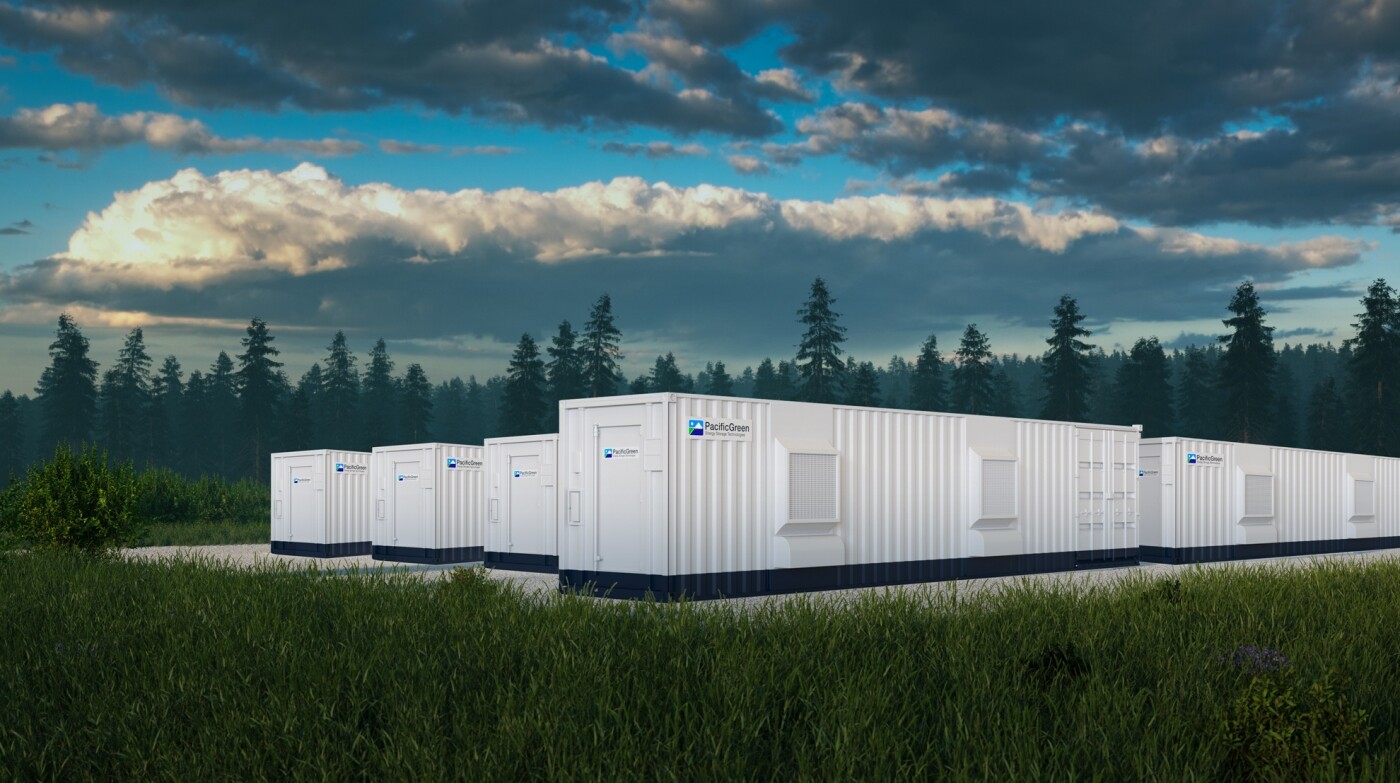
Weineng builds core energy base in Australia
The "Tailem Bend BESS 3" project, which has started construction this time, is the third large-scale energy storage project deployed by Veyron in Australia and a key part of its strategic layout in the Tailem Bend region. The project has a huge investment, with a designed capacity of 204MW/408MWh, and is planned to be put into operation in 2027. The project's location here is not accidental, but rather utilizes existing solar power generation and energy storage infrastructure, and through the addition of large-scale energy storage, forms a composite energy center of "photovoltaic power generation+multi cascade energy storage", greatly enhancing the flexibility, regulation capacity, and power supply reliability of the regional power grid. Veyron's layout is not limited to this. Its planned energy storage projects in Belhaven and Belamby, totaling over 800MW, in New South Wales, more clearly outline its long-term commitment to the Australian energy storage market and demonstrate the firm confidence of global capital in Australia's energy transition prospects.
Tes wins key orders with technology
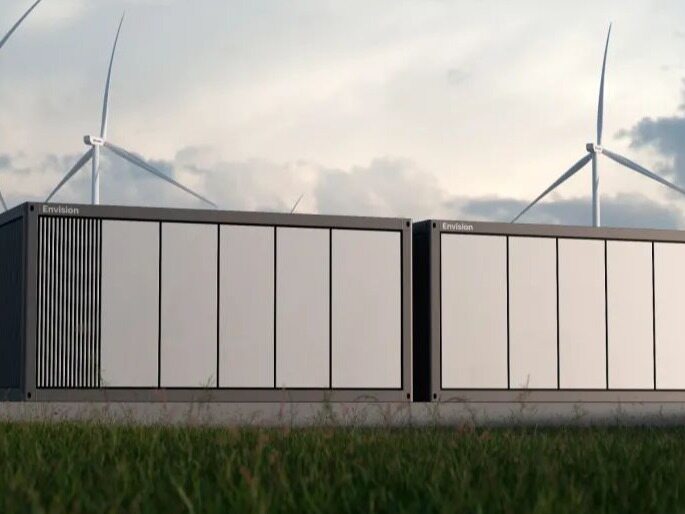
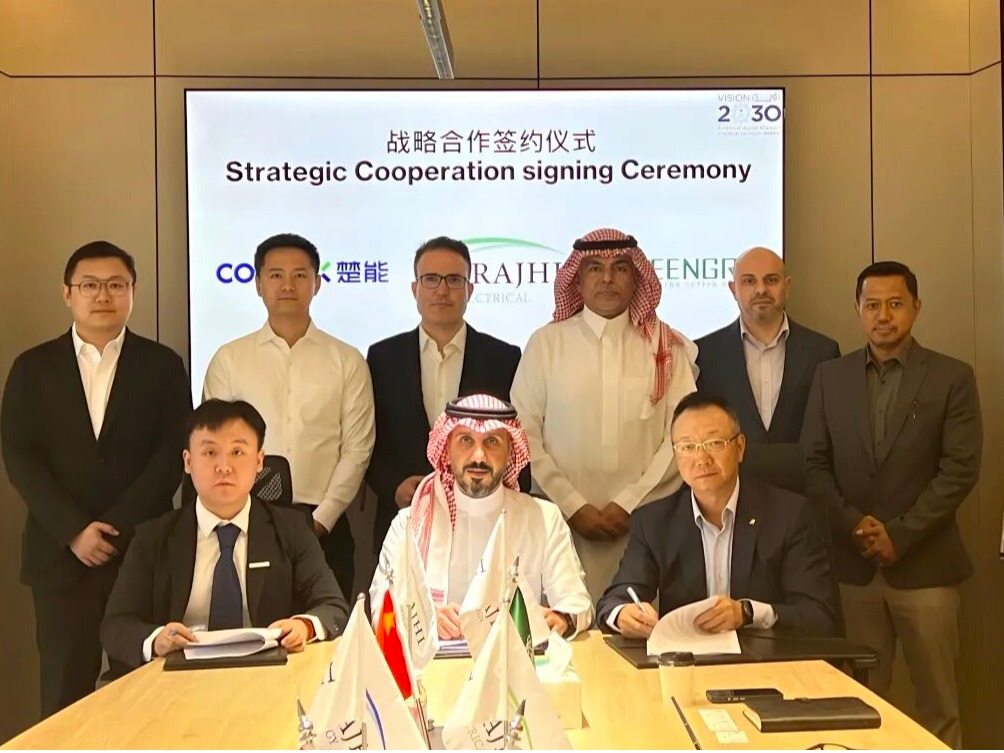
The successful progress of the project cannot be achieved without the support of globally leading energy storage system solutions. The project adopts the EPC mode of engineering general contracting, and is fully managed by the well-known Chinese enterprise Artus Energy Storage, including providing about 100 sets of its latest generation SolBank 3.0 energy storage system and undertaking long-term operation and maintenance services for a period of five years. This collaboration is a milestone for Ates: it is their fourth large-scale energy storage order in Australia and has successfully surpassed the 2GWh mark for the total capacity of delivered and under construction projects in the country, consolidating their position as a core supplier in Australia. By collaborating with local enterprise Consolidated Power Projects CPP to deepen grid access, Ates has demonstrated its ability to provide localized and integrated solutions, setting an example for China's high-end manufacturing to go global. Keywords: Energy Storage Latest News, Energy Storage New Energy News
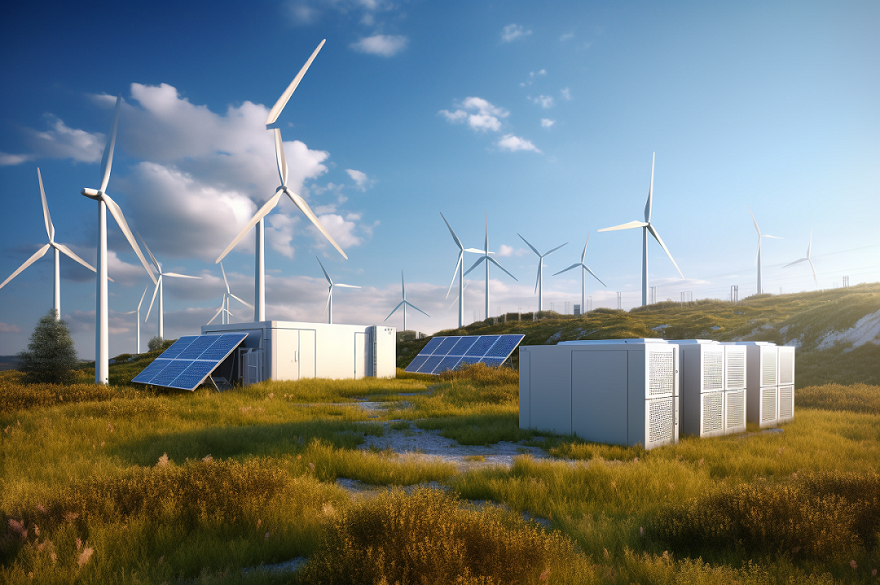
Energy storage safeguards South Australia's 100% green electricity target
The deep driving force behind this project directly stems from South Australia's ambitious energy transition goals. The state plans to achieve 100% renewable energy supply by the end of 2027, and currently about 75% of its electricity comes from wind and solar power. However, the intermittency of renewable energy poses a challenge to grid security. The large-scale, grid side battery energy storage system is the core technology to solve this pain point. It can efficiently store electricity when there is excess power generation, quickly release it when there is insufficient power generation or peak electricity consumption, effectively stabilize fluctuations, and is an indispensable "buffer" and "emergency power source" for the power grid. The advancement of the Tailham Bend project is not only a commercial project, but also a strategic infrastructure for South Australia to build a new power system, ensure energy security, and successfully transform. It provides a model for the stability of the power grid in regions with a high proportion of renewable energy worldwide. (This article is from the official website of Jian Dao www.seetao.com. Reproduction without permission is prohibited, otherwise it will be prosecuted. Please indicate Jian Dao website+original link when reprinting.) Jian Dao website energy storage column editor/Gao Xue
Comment

 Praise
 Collect
 Comment

 Share
Share


Write something~