 Search



Battery
Deyang, Sichuan: The 10.5 billion lithium salt project is rushing to start production!
01-07
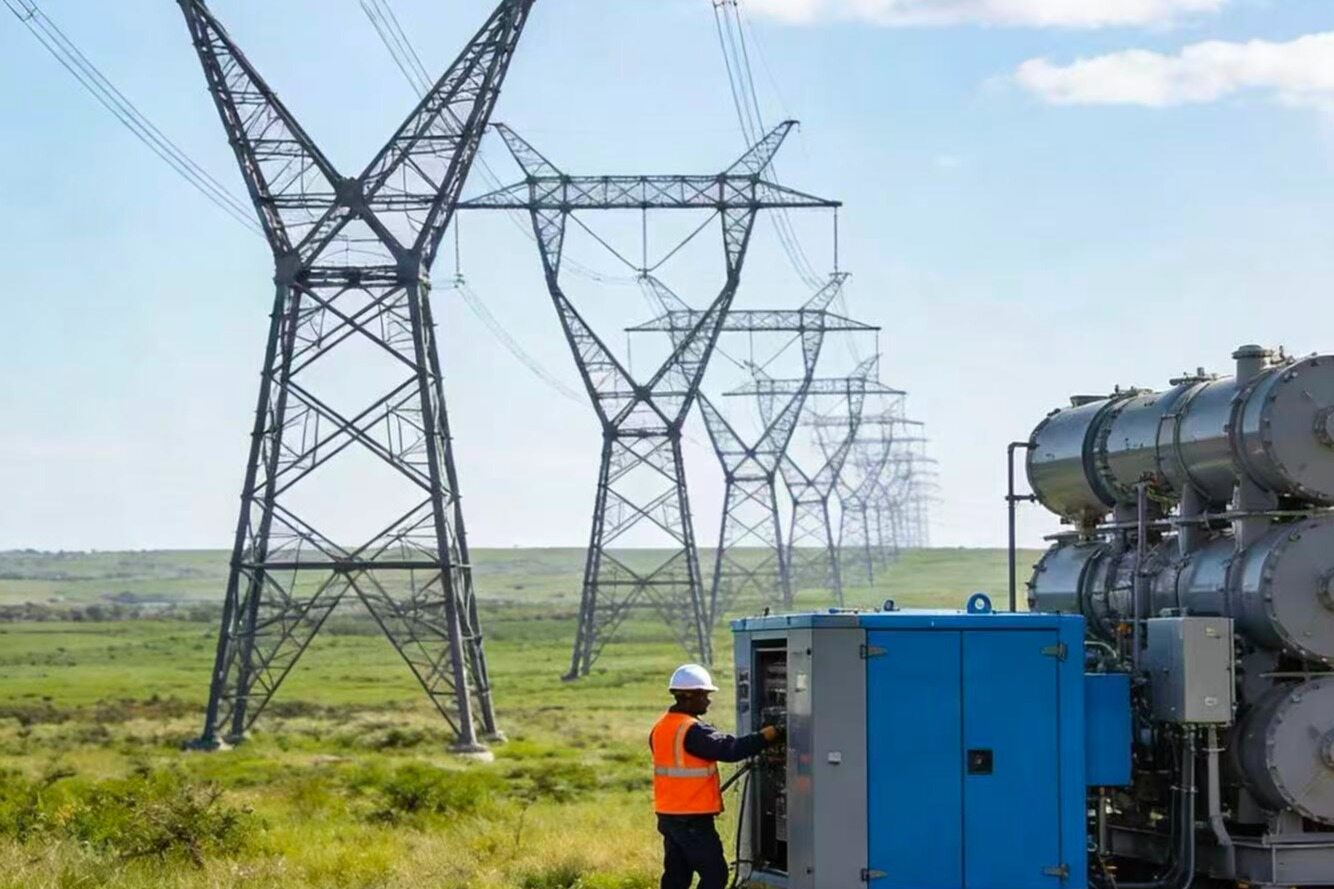
To overcome the long-term power shortage dilemma and accelerate the transition of energy structure to renewable energy, South Africa is advancing the largest transmission infrastructure expansion project in history. As the core program of this strategy, the South African National Transmission Company has released the "2025-2034 Transmission Development Plan", which clearly proposes to build 14500 kilometers of transmission lines in the next decade, expand 133000 megavolt ampere transformers, and increase the carrying capacity of the power grid's new generation capacity to 56 gigawatts. The project focuses on strengthening the power grid in high demand coastal and inland areas, with a focus on creating long-distance transmission channels from renewable energy rich areas to power load centers, clearing key bottlenecks for South Africa's energy transformation.
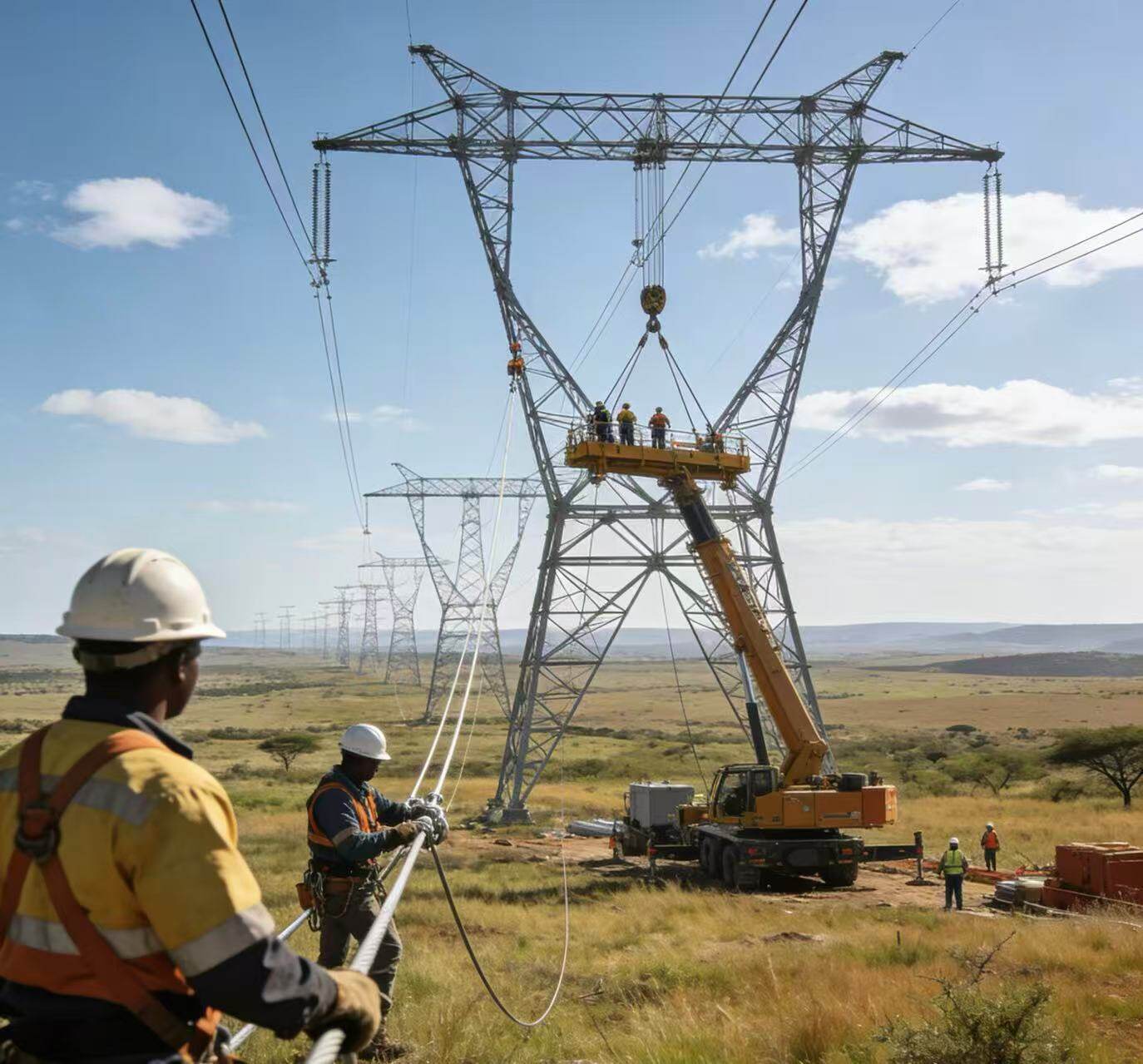
Currently, the insufficient capacity of South Africa's transmission network has become a core obstacle to energy transformation. Although the installed capacity of renewable energy sources such as wind and solar power continues to grow, the shortage of high-voltage transmission channels has resulted in a large number of power stations being unable to efficiently deliver electricity, further exacerbating the nationwide problem of power outages. In this context, the promotion of the three key transmission projects injects key impetus into the upgrading of South Africa's energy system from three dimensions: strengthening the integration of existing power sources, unleashing the potential of renewable energy, and ensuring stable operation of the power grid.
Connect the main power station's external transmission artery
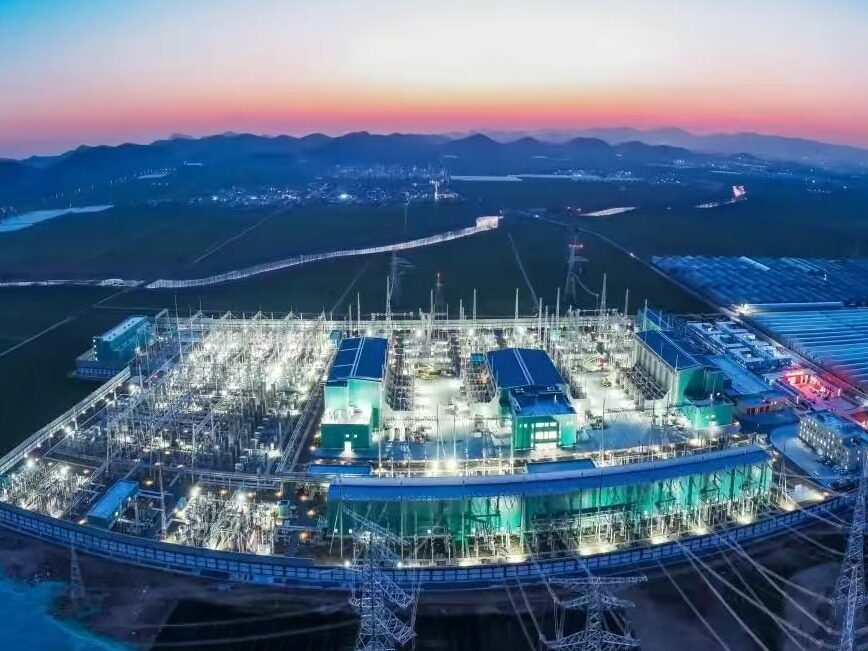
The Medupi Witkop 400 kV transmission line is a key project in the core transmission corridor of northern South Africa, responsible for connecting the Medupi power station to the national power grid. The project covers the construction of approximately 200 kilometers of transmission lines and the upgrading of supporting facilities, with the core goal of ensuring stable power transmission during full load operation of the Medupi power station. As of December 2025, the overall completion rate of the project has reached 98%, with only a small section of wire tensioning and final electrical testing work to be completed. Previously, the project had experienced delays in construction due to local land acquisition issues. With the resolution of this problem, the project is about to enter the countdown to operation. After the completion of the project, it will not only enhance the stability of the regional power grid and support the integration of new power sources, but also effectively resolve the risk of power reduction caused by local transmission bottlenecks, providing a solid guarantee for South Africa's power supply.
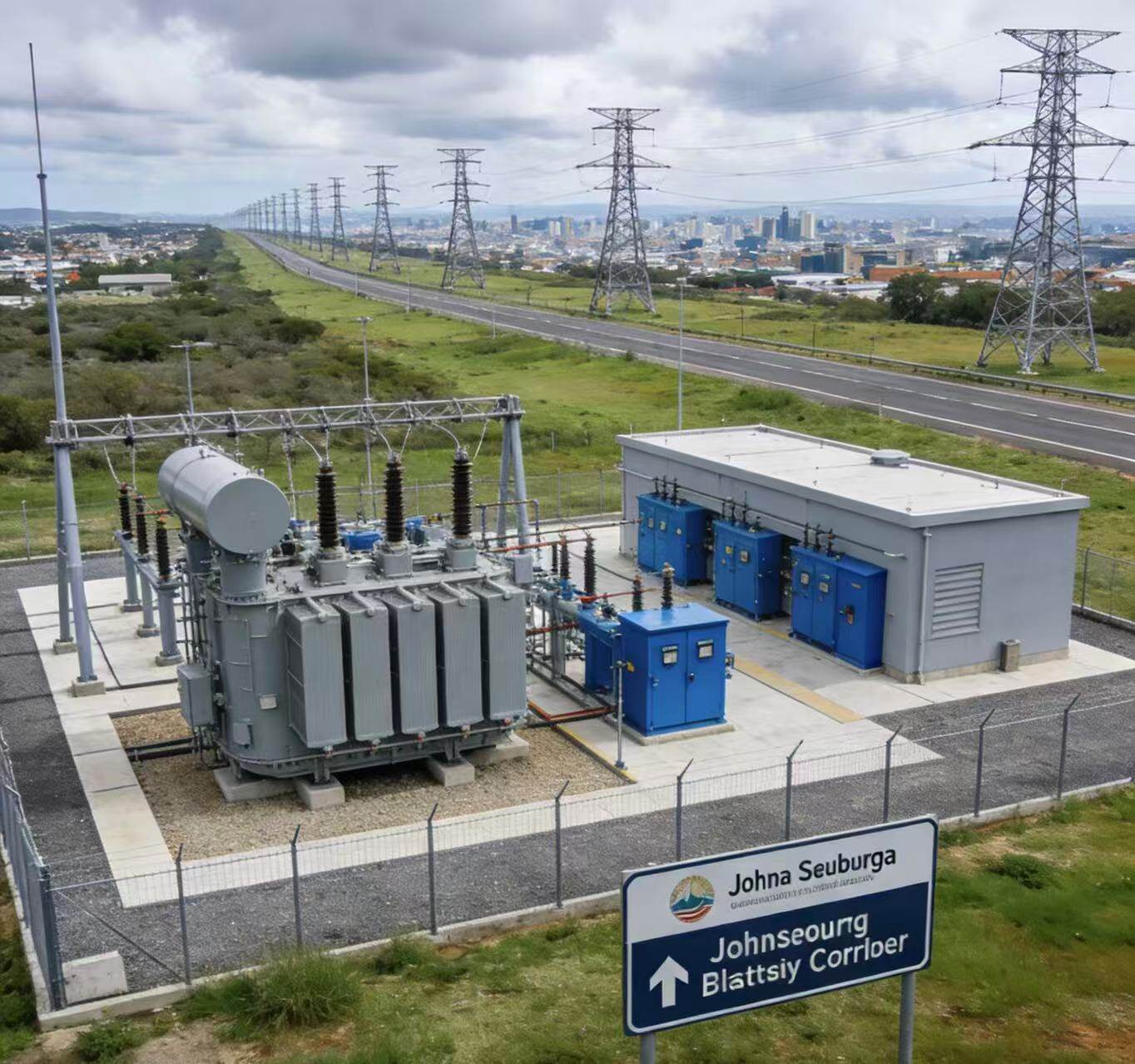
Unlocking the Potential for Photovoltaic Energy Development in the Northern Cape Province
The Abington Enhancement Plan targets the transmission congestion problem in the Northern Cape province - as the most active area for solar energy resource development in South Africa, the existing grid capacity is approaching saturation, and there is an urgent need to release a large number of photovoltaic projects that need to be connected to the grid. The core content of the project is to build a 45 kilometer 400 kV transmission line between the Iris substation and the Abington substation, and complete the supporting connection project. The completion of this new transmission corridor will significantly enhance the transmission capacity of clean electricity in the Northern Cape province, and open up channels for more large-scale solar power projects in the region to connect to the grid. At the same time, the improvement of transmission capacity will further leverage private capital investment, accelerate the large-scale development of the renewable energy industry in the Northern Cape Province, and promote the region to become an important base for clean energy supply in South Africa.
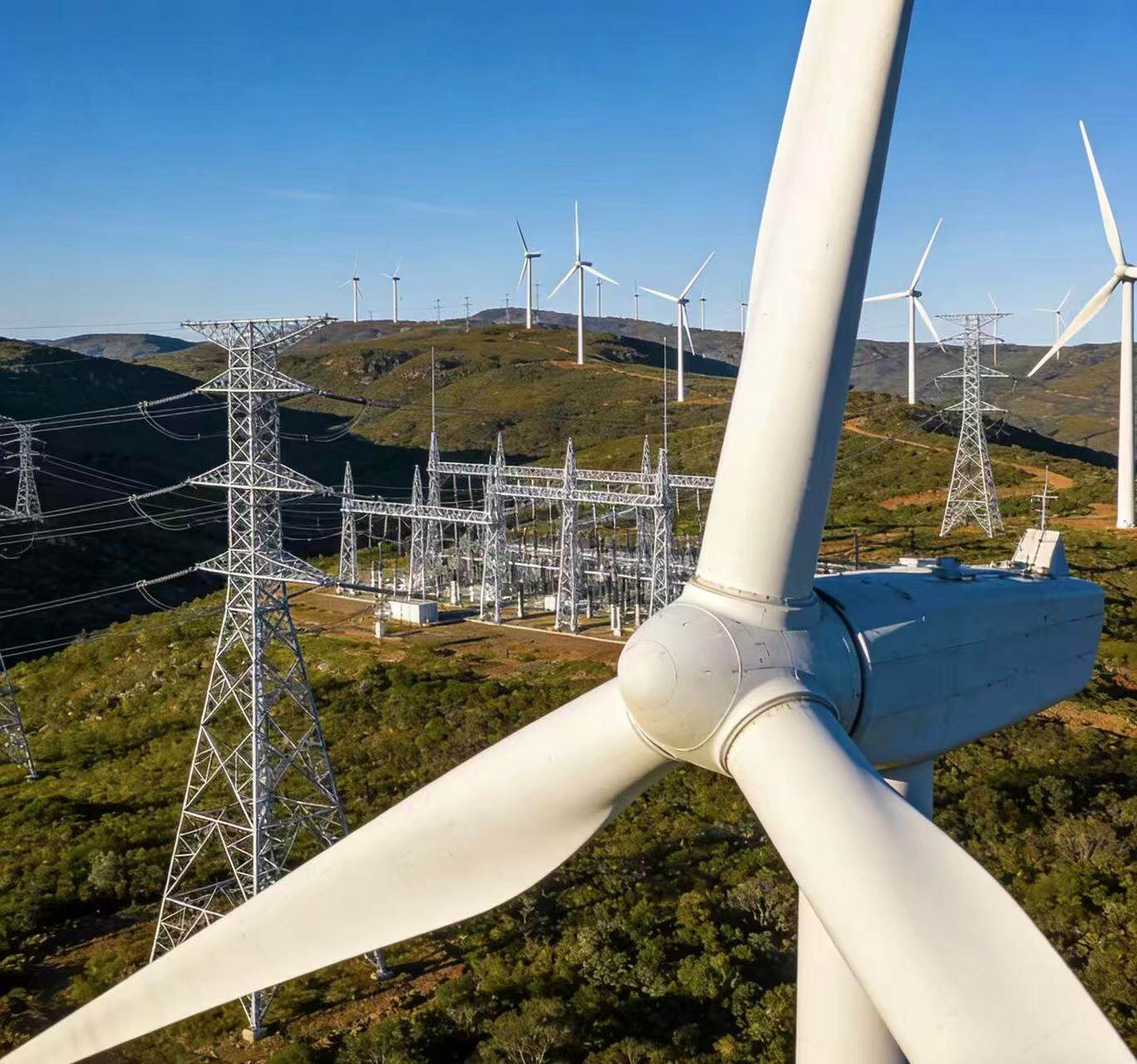
Upgrading substations to build a stable foundation for the power grid
The Waters Herd Enhancement Project focuses on the expansion and renovation of the Waters Herd Substation in Northwest Province, by adding a 400/132 kV, 500 MVA transformer to fill the capacity gap of the existing two units in the station. At present, the civil engineering of the project has been fully launched, and the delivery time of the core equipment transformer is tentatively scheduled for August 2026. Due to factors such as tight global supply chains and long equipment manufacturing cycles, project timelines have been extended to a certain extent, which is also a common challenge facing the global energy infrastructure industry. After the project is put into operation, the power acceptance capacity of the Waters Heard substation will be significantly improved, the voltage stability of the regional power grid will be enhanced, and sufficient space will be provided for the grid connection of solar power projects in the surrounding areas, helping the energy structure of Northwest Province to transform towards green and low-carbon.
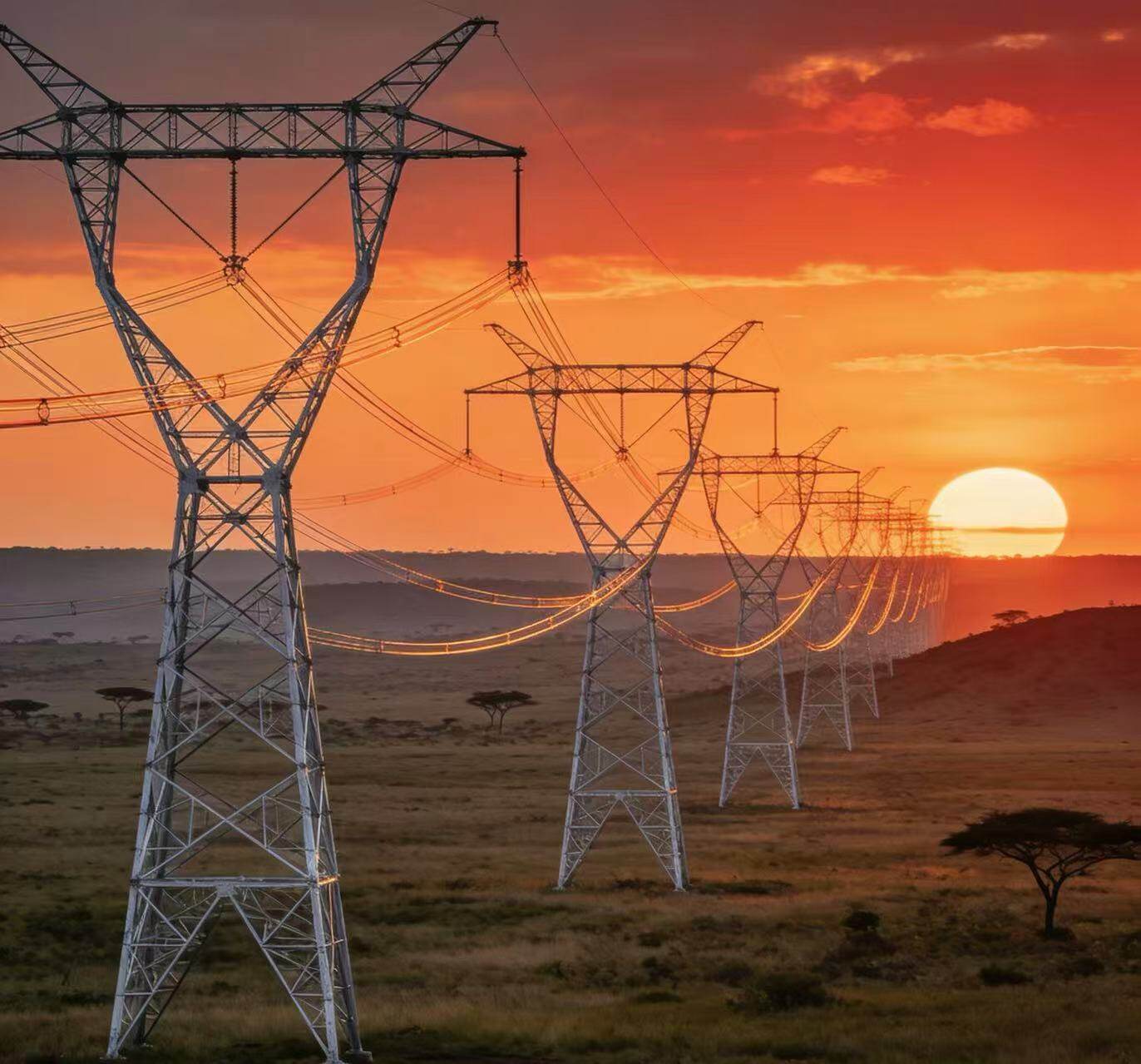
The steady progress of the three key transmission projects marks the substantial breakthrough stage of the South African transmission network expansion project. With the successive operation of these projects, South Africa will gradually break through the transmission bottleneck of energy transformation, pave the way for large-scale integration of renewable energy, and promote fundamental reshaping of the national energy supply pattern.Editor/Bian Wenjun
Comment

 Praise
 Collect
 Comment

 Share
Share


Write something~