 Search


- The project will adhere to the construction concept of "green, intelligent
- The project is planned to be constructed in three phases. After the first phase of the basic phosphorus chemical, fluorine chemical, and coal chemical sectors are put into operation
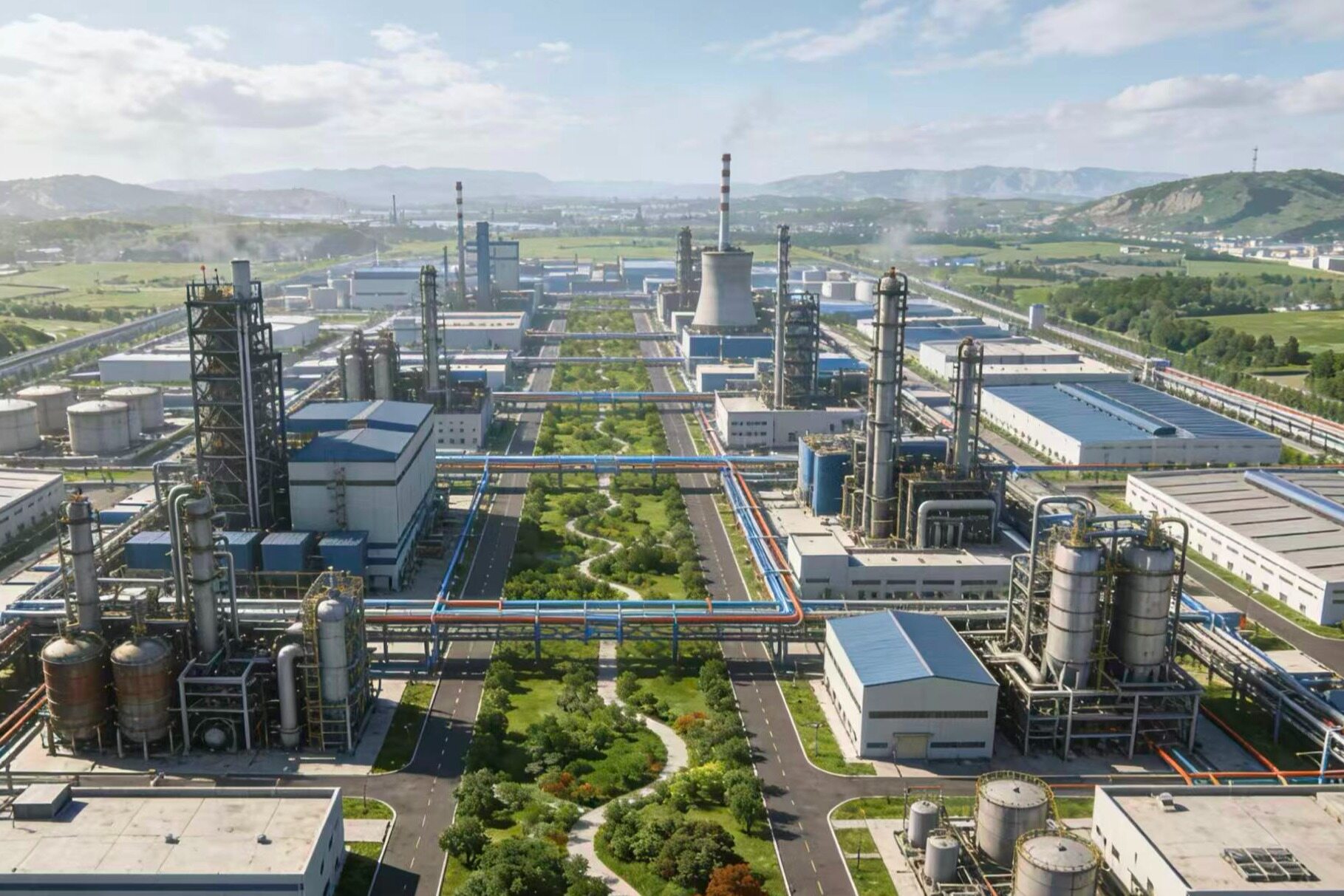
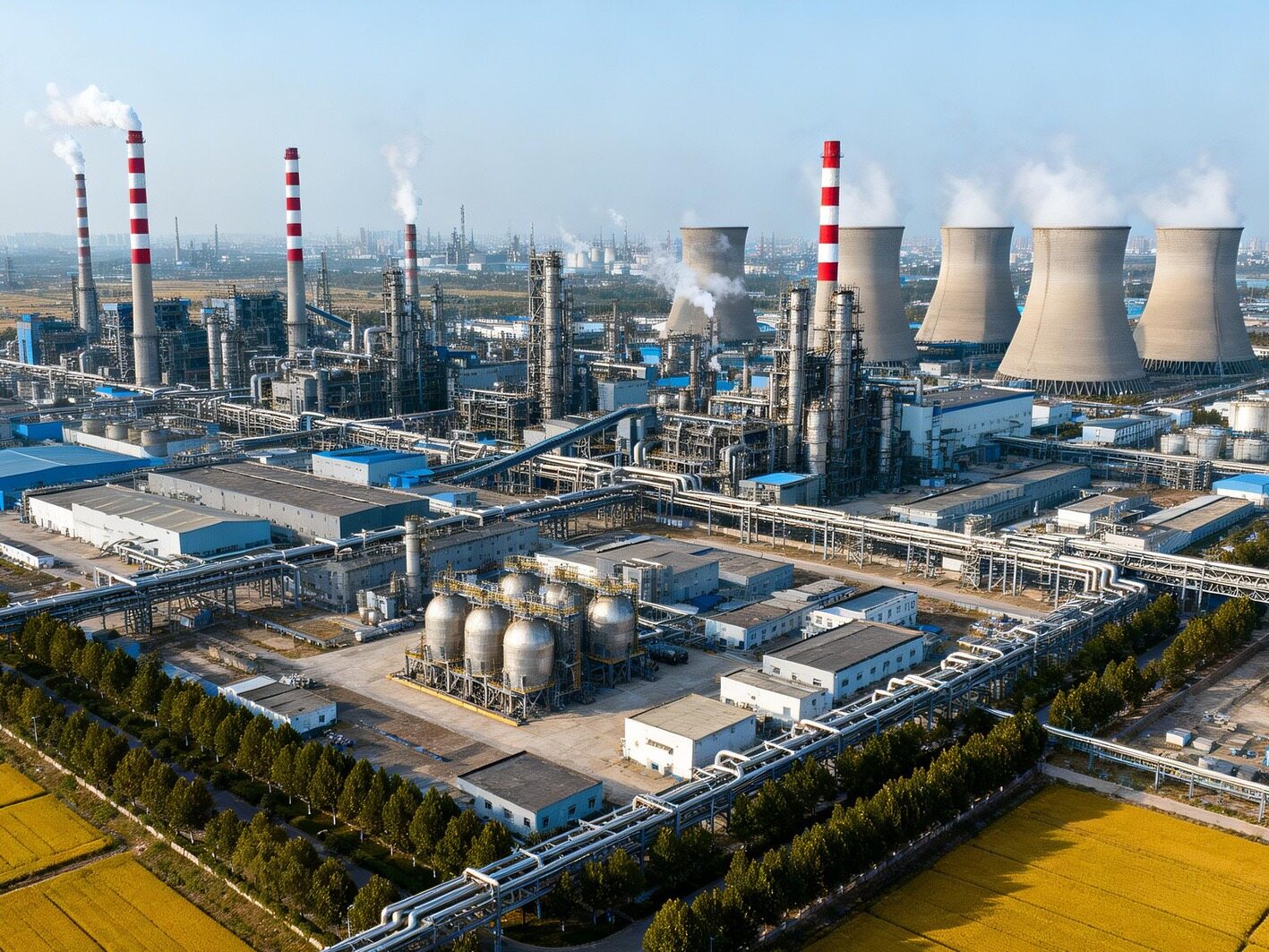
On January 6, 2026, a new engine was added to the upgrading of the chemical industry in Jingchu Dadi. The first phase of the Xiangyang Phosphorus Coal Fluorine Industry Base project of Hubei United Investment Group Co., Ltd. officially started construction in Yicheng City. The total investment of the project is 30 billion yuan, covering an area of about 3000 acres. It aims to anchor the goal of becoming the first demonstration base for integrated resource recycling of phosphorus, coal, and fluorine in China, and build a green industrial system with full resources and multi-element coupling circulation, injecting strong impetus into the high-quality development of the regional chemical industry.
The first phase of investment of 12 billion yuan will be implemented first to build a basic chemical industry matrix
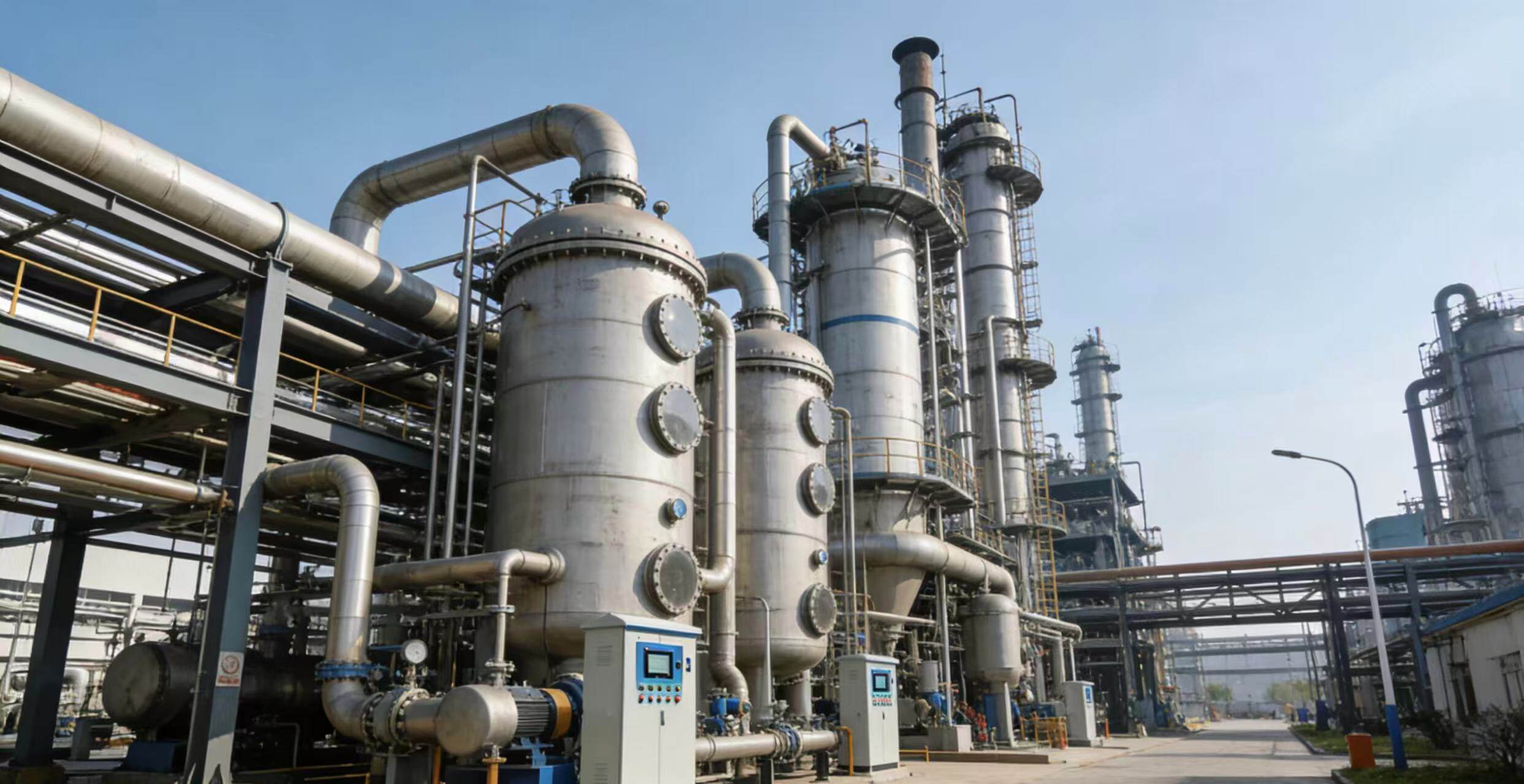
As the "first move" in project construction, the total investment of the first phase of the project is about 12 billion yuan, and it is planned to be completed and put into operation in June 2027. The project focuses on the core sector of basic phosphorus chemical industry, synchronously supporting the layout of fluorine chemical and coal chemical industry chains, and focusing on the construction of large-scale plant clusters such as wet process phosphoric acid, purification, and synthetic ammonia. The project adopts leading domestic clean production technology to achieve cascade utilization of phosphorus, coal, and fluorine resources, reducing pollutant emissions from the source. According to estimates, after the first phase of the project is put into operation, it can achieve an annual output value of 10.8 billion yuan, directly driving more than 2000 job opportunities and providing solid support for local economic growth.
Empowering the entire chain cycle and establishing a green benchmark for the chemical industry
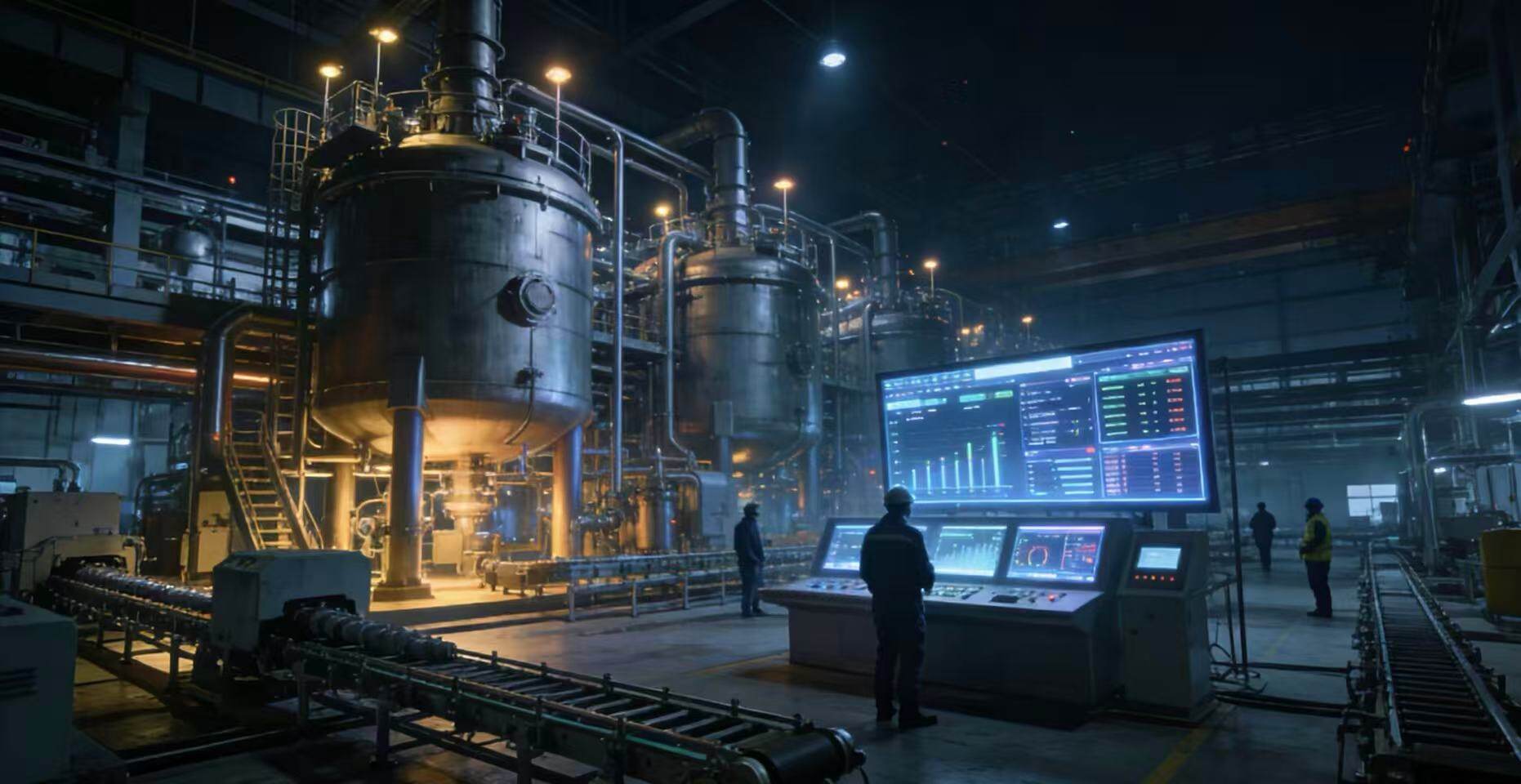
Unlike the traditional single layout of chemical projects, this base innovatively creates a "phosphorus coal fluorine integrated" circular economy model, maximizing resource utilization through multi industry coupling. In the production process, the synthetic ammonia produced by the coal chemical industry sector can be directly supplied to the phosphorus chemical industry sector, and the fluorine containing by-products produced by the phosphorus chemical industry sector provide raw materials for the fluorine chemical industry sector. The waste of each industrial chain can be put into production again after treatment, forming a closed-loop system of "resources - products - waste - renewable resources". This model can not only significantly reduce the cost of raw material transportation and environmental treatment, but also solve the pain points of low added value and resource waste in the traditional phosphorus chemical industry.
The project plan is divided into three phases to promote construction. After the first phase of the basic phosphorus chemical, fluorine chemical, and coal chemical sectors are put into operation, the second phase of the project will focus on the research and production of fine phosphorus chemical and high-end fluorine materials, with a focus on the layout of high-end products such as electronic grade phosphoric acid and lithium battery electrolyte additives, extending the industrial chain and enhancing product added value; The third phase of the project aims at the field of new energy materials, constructing production lines for lithium iron phosphate, fluorocarbon coatings, etc., deeply connecting with emerging industries such as new energy vehicles and energy storage, and creating a full industry chain layout of "basic chemical industry+fine chemical industry+new energy materials".
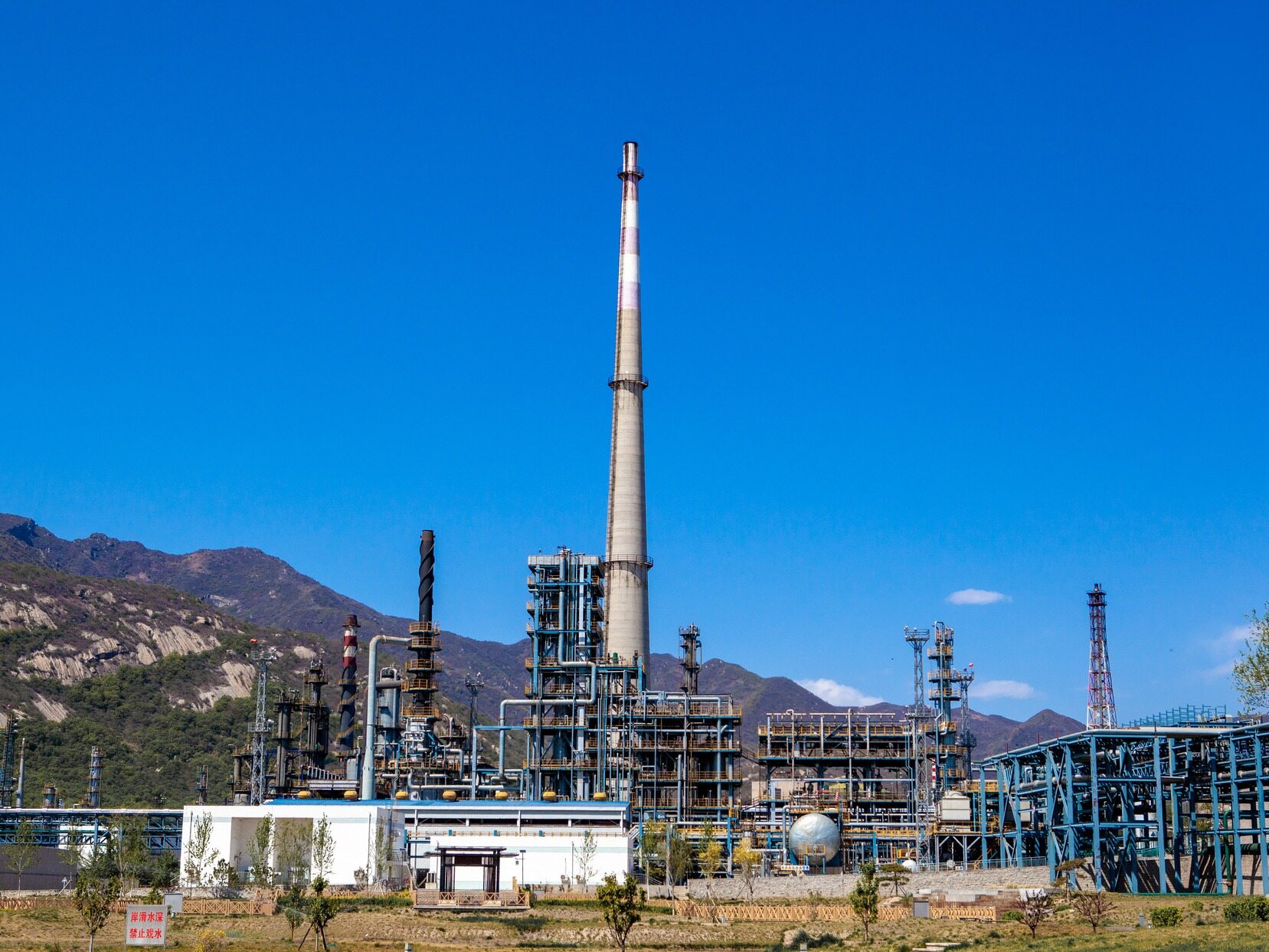
With the gradual implementation of the project, Xiangyang Phosphorus Coal Fluorine Industry Base will become an important pivot for the transformation of the chemical industry in Central China. The person in charge of Hubei United Investment stated that the project will adhere to the construction concept of "green, intelligent, and efficient", introduce a digital control system, and achieve intelligent monitoring and scheduling of the entire production process. In the future, the base will also build a research and development center and a pilot base, cooperate with universities and research institutes to carry out technological breakthroughs, and promote the iterative upgrading of phosphorus, coal, and fluorine resource recycling technology. Industry experts point out that the construction of this project not only provides a replicable model for the transformation and upgrading of Hubei's chemical industry, but also helps China seize the technological high ground in the efficient utilization of phosphorus, coal, and fluorine resources, and promote the chemical industry to move towards green, high-end, and intensive directions.Editor/Bian Wenjun
Comment

 Praise
 Collect
 Comment

 Share
Share


Write something~