 Search


- From January 3 to 5, 2026, Li Qiang emphasized during a survey in Guangdong that the life of technology lies in application
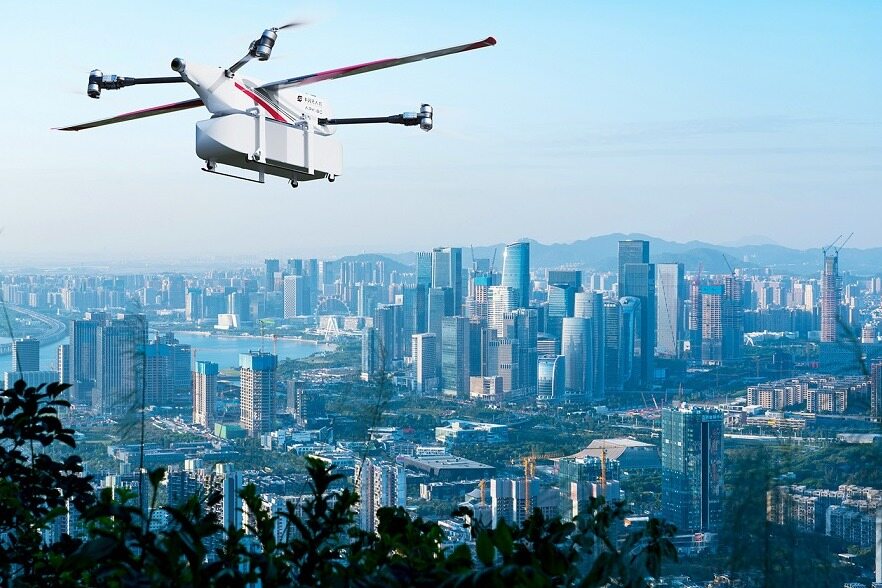
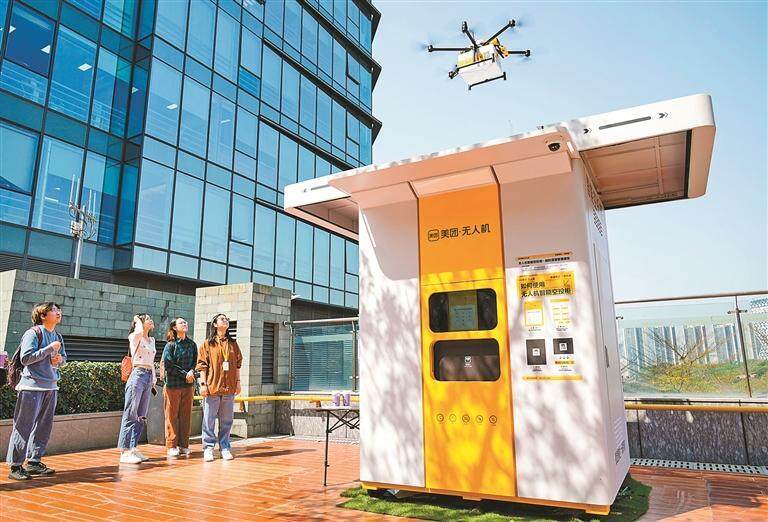
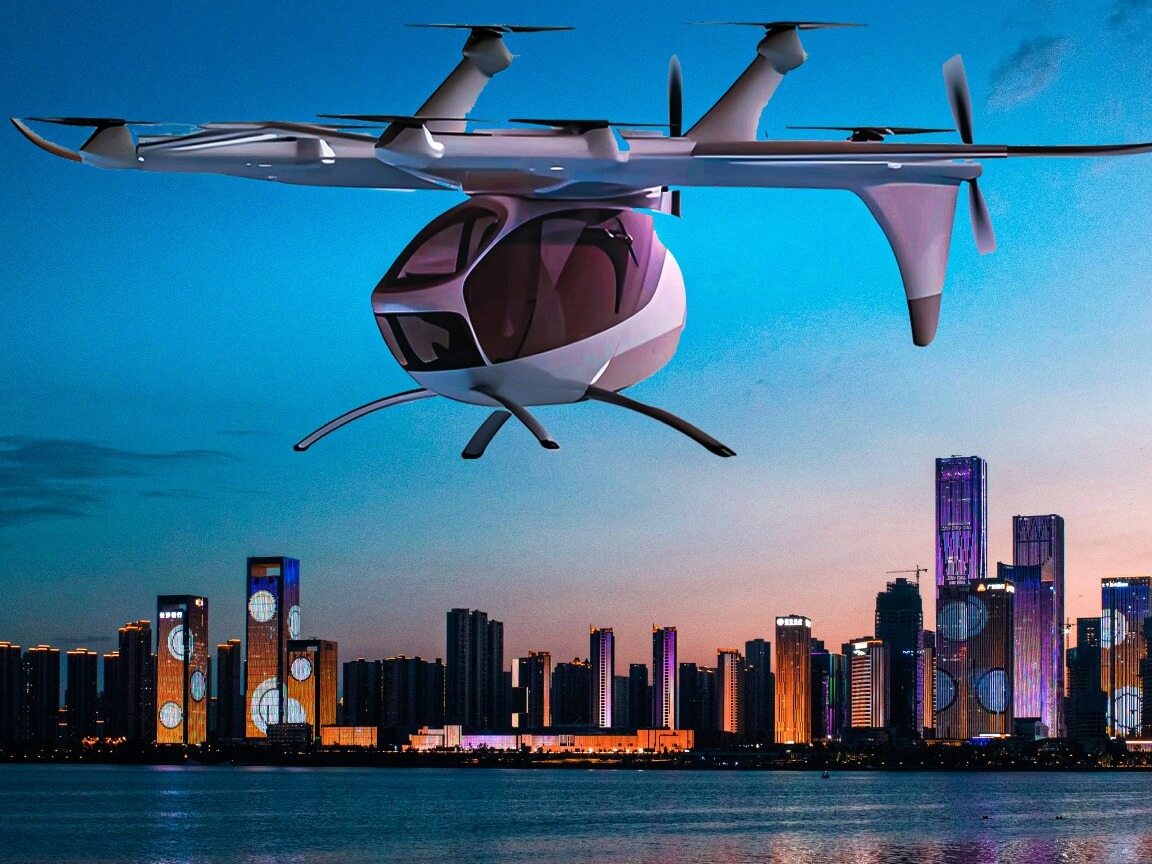
On January 4, 2026, at the Shenzhen Shekou Cruise Home Port Heliport, a drone slowly took off and accurately delivered the goods to the designated location. Not far away, in the Robot Valley, industrial robots flexibly complete tasks such as transportation and assembly. This is what Li Qiang, member of the Standing Committee of the Political Bureau of the CPC Central Committee and Premier of the State Council, saw during his investigation in Guangdong. During a survey in Guangdong from January 3 to 5, Li Qiang emphasized that the life of technology lies in application. It is necessary to further improve the industrial ecology, cultivate and expand application scenarios, explore effective business models, and promote new technologies and new products such as robots and drones to accelerate iterative upgrades in the expanded application.
Research trip
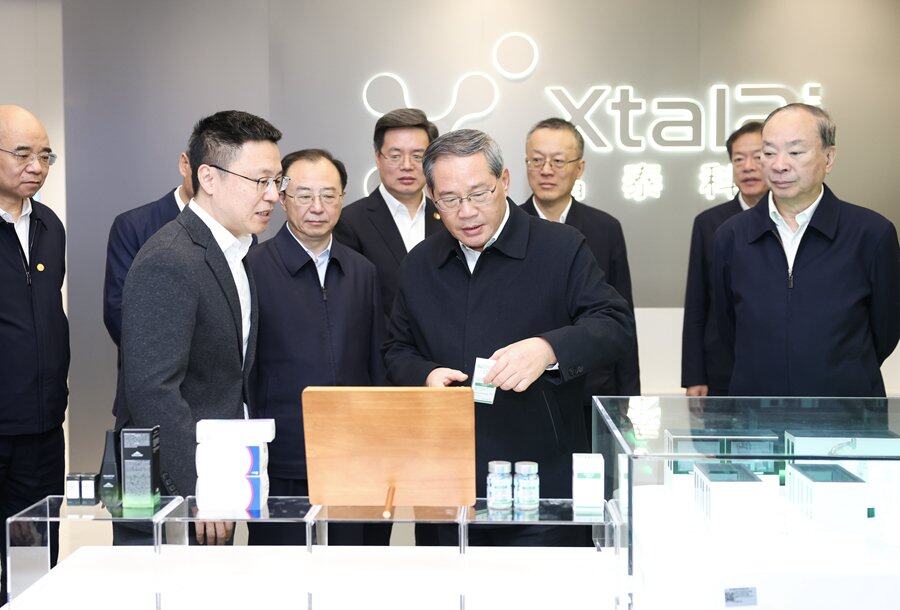
Li Qiang’s research trip covered Shenzhen and Foshan, focusing on scientific and technological innovation and industrial development. While in Shenzhen, Li Qiang listened to a report on the planning and development of the Shenzhen-Hong Kong Science and Technology Innovation Cooperation Zone, and learned about the research and development progress of enterprises in the park using artificial intelligence to empower new materials, biomedicine and other fields. He also inspected BYD's new energy vehicle display to gain an in-depth understanding of technology research and development and marketing.
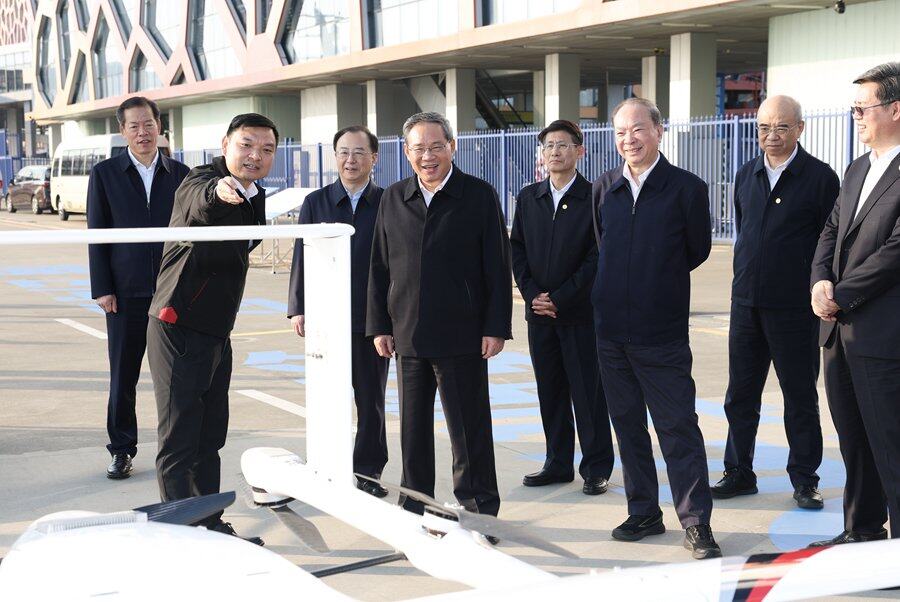
What is particularly interesting is that at the Shenzhen Shekou Cruise Home Port Heliport and Robot Valley, Li Qiang learned in detail about the development of low-altitude economics, watched product demonstrations of robot companies, and inquired in detail about the company's technology transformation and application, and the development of industrial clusters. While in Foshan, Li Qiang inspected Guangdong Midea Kitchen Appliances Manufacturing Co., Ltd., visited the digital intelligent production line, and proposed to speed up the research and development and production of more high-quality products to promote the formation of a virtuous cycle in which demand drives supply and supply creates demand. In addition, Li Qiang also learned in detail about the development and operation of cross-border e-commerce and bonded logistics at Foshan International Dry Port, emphasizing the need to unswervingly expand high-level opening up to the outside world.
core instructions
Li Qiang clearly pointed out during the survey that technological innovation is the key to winning the future. He emphasized the need to strengthen the dominant position of enterprises in innovation, improve policies, funds, talent and other support, rely on the advantages of the Guangdong-Hong Kong-Macao Greater Bay Area to gather innovative resources, target emerging fields and key core technologies to strengthen research and development cooperation, and achieve more breakthrough results.
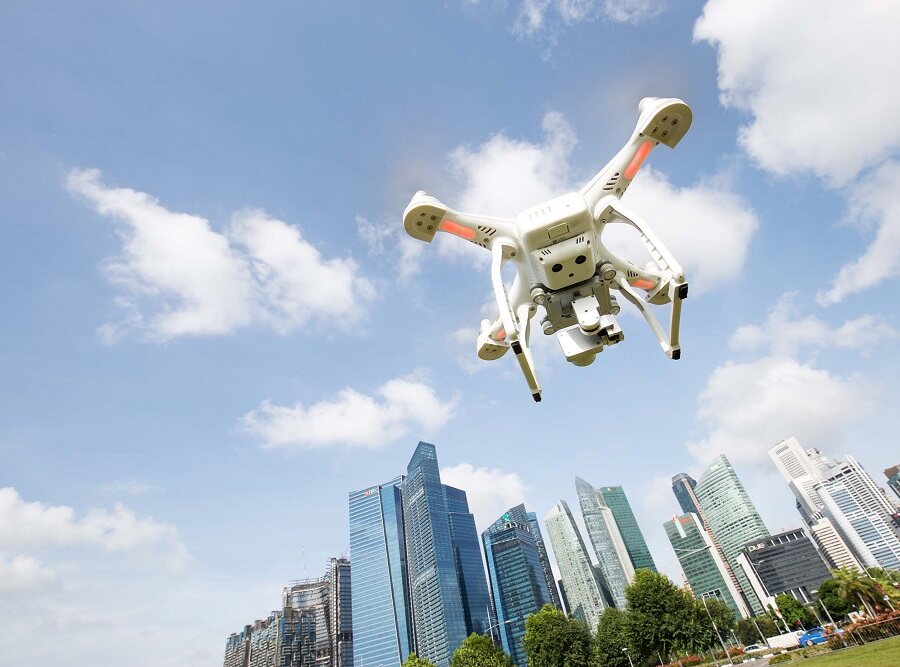
Li Qiang specifically pointed out that the life of technology lies in application. It is necessary to further improve the industrial ecology, cultivate and expand application scenarios, explore effective business models, and promote new technologies and new products such as robots and drones to accelerate iterative upgrades in the expanded application. This instruction points out the direction for the development of low-altitude economy and robot industry in Guangdong and even the whole country.
Guangdong Action
Guangdong Province has made systematic plans for the development of low-altitude economy and robotics industry. According to the "Guangdong Province Action Plan to Promote High-Quality Development of Low-altitude Economy", by 2026, the scale of low-altitude economy will exceed 300 billion yuan. The plan plans that by 2026, the province's general aircraft flight will reach 150,000 hours, and the drone flight will reach 3.5 million hours. Positive progress will be made in pilot demonstrations such as urban air transportation, low-altitude logistics, and all-space unmanned systems.
In terms of application scenarios, the plan proposes to support qualified cities such as Guangzhou, Shenzhen, and Zhuhai to open intra-city and intercity low-altitude passenger routes, and create low-altitude air transportation corridors covering the main areas of the Guangdong-Hong Kong-Macao Greater Bay Area. In the field of logistics, the plan focuses on trunk-branch-end logistics distribution needs and promotes the large-scale implementation of low-altitude logistics distribution applications in cities, villages, mountainous areas, islands, etc. In terms of emergency rescue, Guangdong Province will increase the demonstration application of low-altitude aircraft in emergency rescue, fire rescue, water rescue, emergency communications and other fields.
In the field of robotics, Guangdong aims to become the province with the highest density of robots. According to the "Guangdong Province Action Plan to Cultivate Intelligent Robot Strategic Emerging Industry Clusters (2021-2025)", by 2025, the operating income of the intelligent robot industry will reach 80 billion yuan, of which the operating income of the service robot industry will reach 20 billion yuan, the operating income of the drone (ship) industry will reach 50 billion yuan, and the annual output of industrial robots will exceed 100,000 units, with an average annual growth rate of about 15%.
The "Prospects for the Development of my country's Low-Altitude Economy in 2026" released by the China Electronics Information Industry Development Research Institute points out that China's low-altitude economy will gradually enter a critical stage of large-scale and high-quality development in 2026. With the refinement of airspace management, the acceleration of infrastructure networking, and the continuous breakthroughs in core technologies and the deep integration of application scenarios, the modernization level of the low-altitude economic industry chain will be significantly improved.
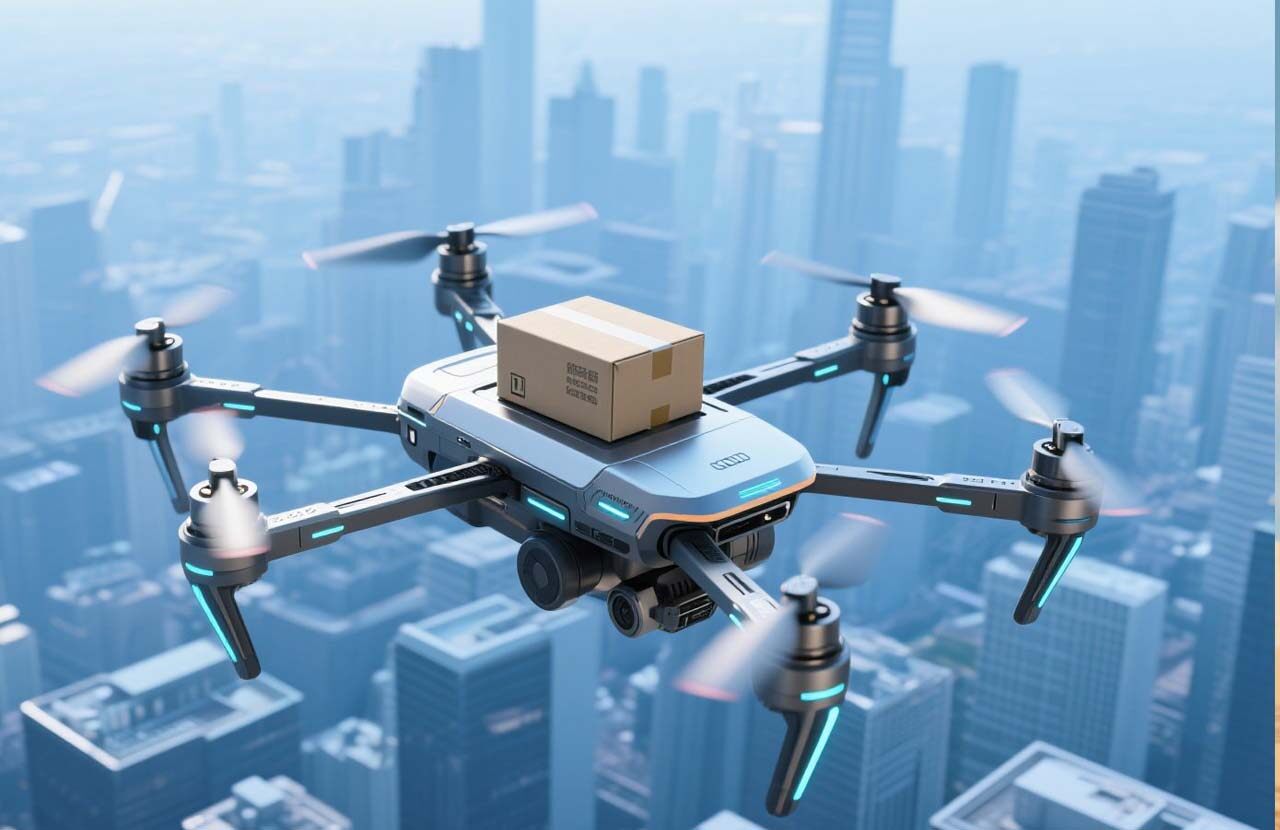
When Premier Li Qiang left Foshan International Dry Port, he particularly emphasized: The life of technology lies in application. It is necessary to further improve the industrial ecology, cultivate and expand application scenarios, explore effective business models, and promote new technologies and new products such as robots and drones to accelerate iterative upgrades in the expanded application. As Guangdong Province sets the goal of achieving a low-altitude economic scale of more than 300 billion yuan by 2026, these high-tech products are about to move from R&D laboratories to thousands of industries in the Guangdong-Hong Kong-Macao Greater Bay Area.Editor/Yang Meiling
Comment


 Praise
 Collect
 Comment

 Share
Share


Write something~