 Search


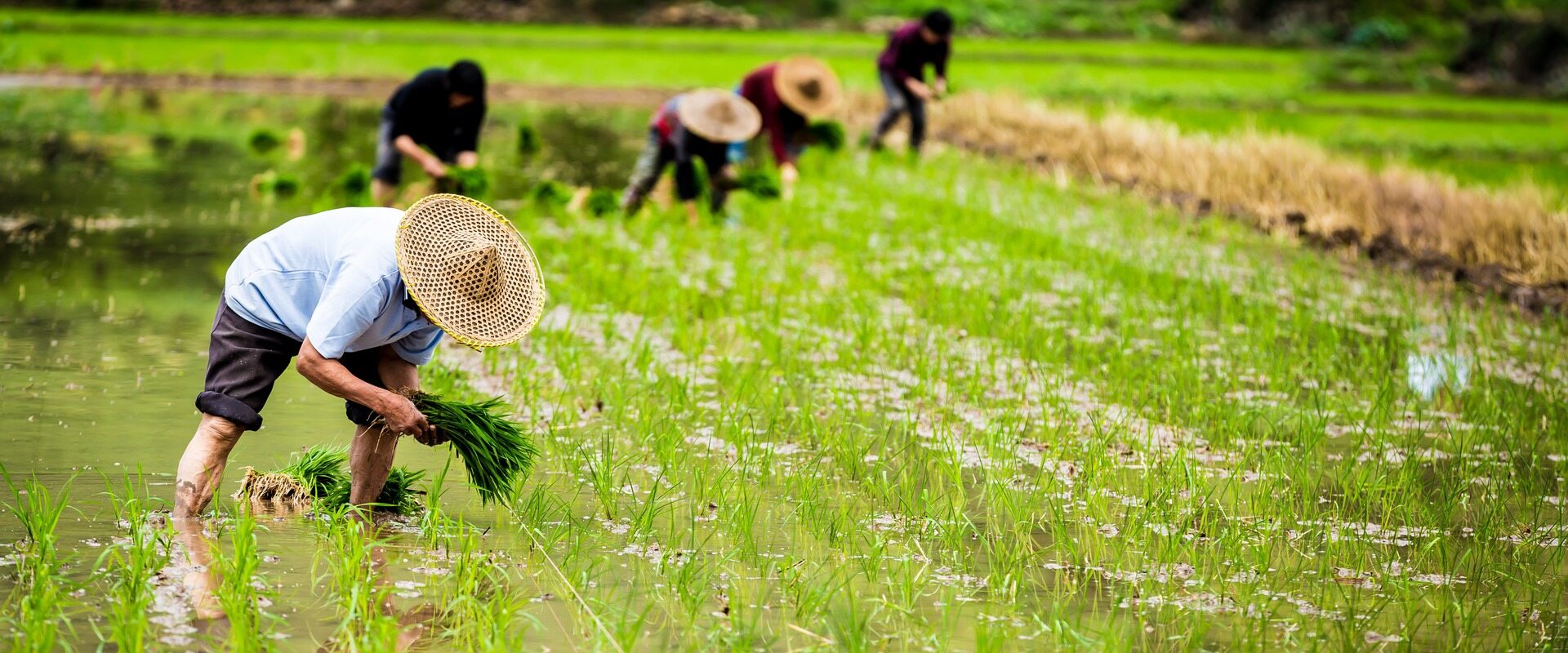
- Expand the export of agricultural products to China and inject new impetus into bilateral cooperation
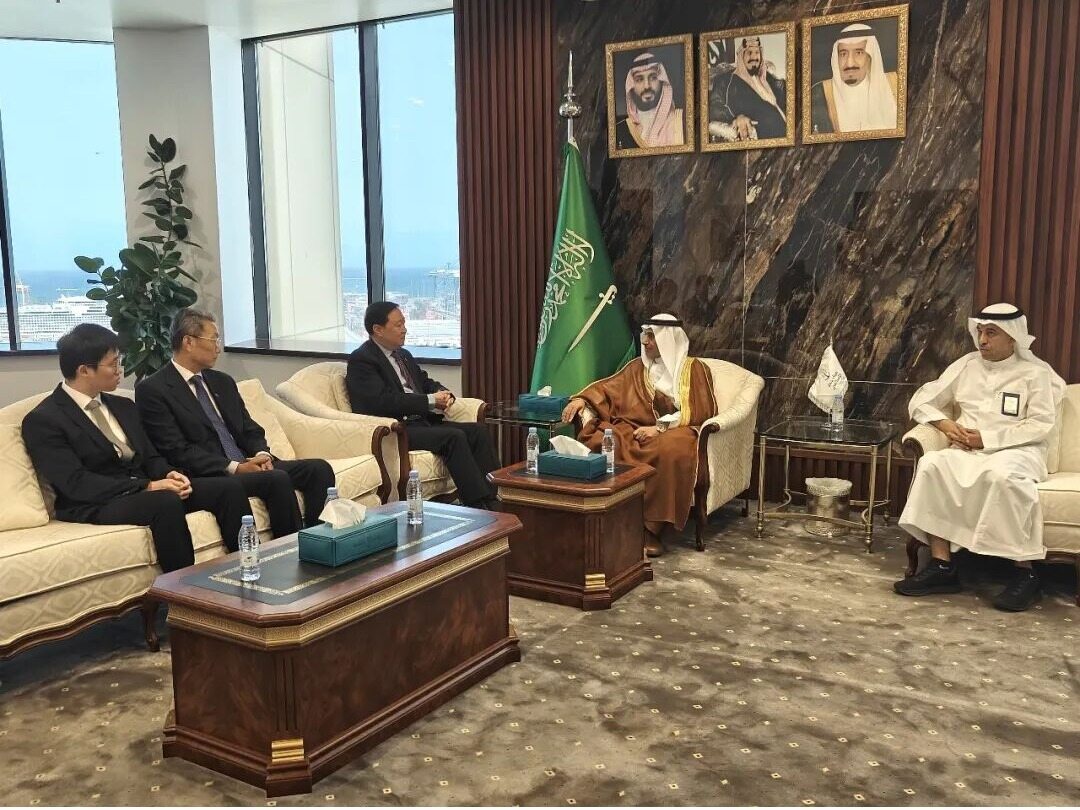
In January 2026, Astana, the capital of Kazakhstan. Murat Ilgebayev, Vice Chairman of the National Inspection Committee of the Ministry of Agriculture of Kazakhstan, sat around a table with representatives from the Chinese Embassy in Kazakhstan. The table was filled with samples of agricultural products such as wheat, barley, oil beans, flax, and rapeseed. This is not an ordinary meeting, but a crucial step in upgrading Kazakhstan's agricultural export strategy to China - by activating the inspection activities of the General Administration of Customs of China in Kazakhstan and opening up channels for more production areas and categories of agricultural products to be exported to China.
Upgrading inspection mechanism: connecting more production areas and product categories
During the talks, the Kazakh side explicitly stated that in order to expand the production areas and product categories for exports to China, it is necessary to activate the inspection activities carried out by the General Administration of Customs of China in Kazakhstan to improve customs clearance efficiency and export certainty. This measure will help expand the administrative area of Kazakhstan that is allowed to export to China and increase the types of agricultural products that are allowed to enter.
Representatives of Kazakh enterprises and regulatory authorities confirmed at the meeting that they will fully cooperate with the Chinese inspection within the existing procedural framework and provide the necessary information to accelerate the pace of entry for new products and production areas. After the talks, both sides reached a consensus on continuous interaction and technical communication, laying the foundation for subsequent institutional docking.
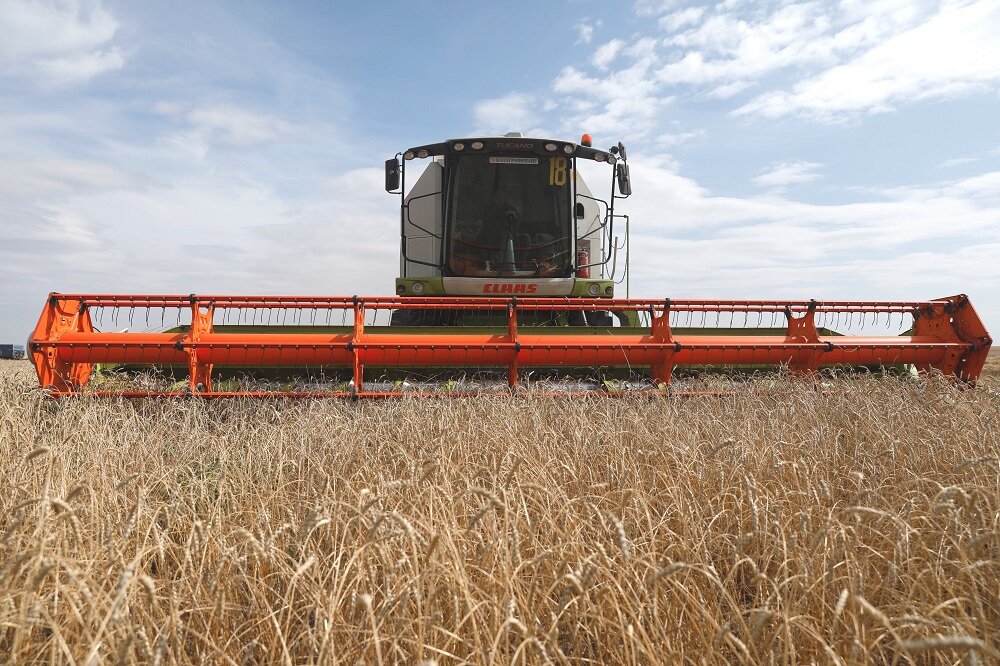
Institutional synergy: determining the 'ceiling' of exports
The news department of the Ministry of Agriculture of Kazakhstan pointed out that the promotion of inspection work will directly affect the supply of agricultural products to China and is regarded as an important institutional foundation for consolidating economic and trade cooperation between the two countries. In the early stage of cooperation, both sides have conducted in-depth exchanges in the fields of plant quarantine and animal health, and explored specific measures to expand Kazakhstan's agricultural products exports to China.
Previously, a delegation from the General Administration of Customs of China conducted a working visit to Kazakhstan, inspecting multiple meat processing and poultry breeding enterprises, with a focus on production technology processes, implementation of biosafety standards, veterinary and laboratory monitoring systems, as well as product storage and transportation conditions. After the visit, the General Administration of Customs of China will issue a formal report, laying the foundation for adding Kazakh enterprises to the list of suppliers for market access in China.
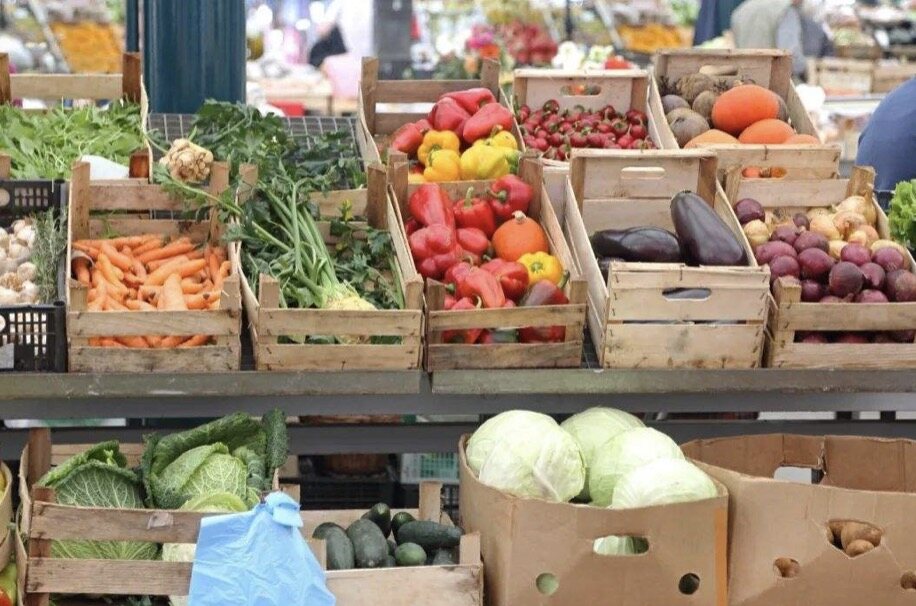
Export entities continue to expand: 2800 enterprises have been granted access
Data shows that Kazakhstan has previously signed agreements with China on plant quarantine requirements for 21 products, including 16 core agricultural products such as wheat, barley, oil beans, flax, and rapeseed. At present, more than 2800 Kazakhstani enterprises have been included in the registration list of the General Administration of Customs of China and have the qualifications to export agricultural products to the Chinese market.
Against the backdrop of the continuous expansion of the number of enterprises and product structure, this round of dialogue is seen by the market as a key step for Kazakhstan to deepen its agricultural layout with China and unleash its export potential. With the improvement of inspection mechanisms and the deepening of institutional coordination, Kazakhstan's agricultural exports to China are expected to usher in a new round of growth, injecting new impetus into the economic and trade cooperation between the two countries.Editor/Yang Meiling
Comment




 Praise
 Collect
 Comment

 Share
Share


Write something~