 Search


- From Yu the Great's flood control to digital twins, it is an epic of the survival wisdom and struggle of the Chinese nation
The Yellow River, with its nine bends and ten thousand miles of sand, is washed away by the waves and winds from afar. This mother river, which nurtured Chinese civilization, not only nurtures millions of acres of people, but also leaves behind more than two thousand years of profound pain due to its "good dredging, good decision-making, and good migration" temperament. Managing the Yellow River has been a major concern for the Chinese people since ancient times. The history of the Chinese nation's struggle against the Yellow River flood, from the legend of Yu the Great in ancient times to the modern smart hub built with high-tech means such as digital twins, is gradually transforming into a win-win history of pursuing harmonious coexistence with nature.
Wisdom of Water Control: A Thousand Year Exploration from "Diversion" to "Bundle Water and Attack Sand"
The management of the Yellow River runs through the history of Chinese civilization. In the 21st century BC, Dayu transformed "blocking" into "dredging", quelled floods, and laid the foundation of agricultural civilization. During the Warring States period, systematic embankments began to appear on both sides of the downstream. The real leap in the strategy of controlling the Yellow River was the theory proposed by Pan Jixun in the Ming Dynasty, which called "using embankments to restrain water and using water to attack sand".
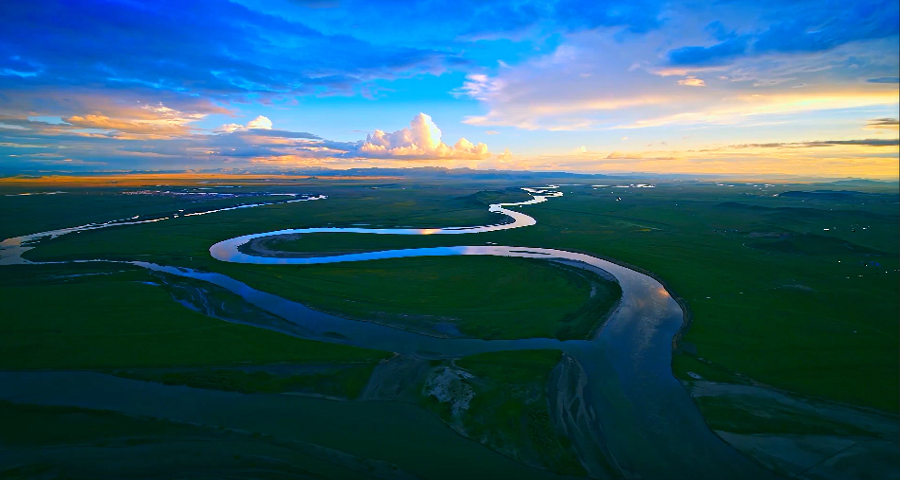
This idea breaks free from the limitations of simply blocking and rescuing, actively utilizing the power of water flow to wash away sediment in the river, and pushing river management to a new height of "water and sediment management". The wisdom and practice of our predecessors are like lighthouses, illuminating the journey of contemporary Yellow River control.
Modern backbone: the rise of super hubs, locking in the 'Yellow Dragon' to ensure security
Entering modern times, the management of the Yellow River has been given wings of technology and engineering. The Xiaolangdi Water Conservancy Hub, built in 2001, serves as the "ace" of the flood control system in the lower reaches of the Yellow River, controlling the vast majority of water and sediment. Since 2002, through continuous water and sediment regulation, not only has the riverbed of the downstream "suspended river" been cut down by an average of 3.1 meters, greatly increasing its flood carrying capacity, but also an effective path for using natural forces to transport sediment into the sea has been explored.
And even more exciting chapters are being continued in the Jinshan Gorge in the middle reaches of the Yellow River. The Guxian Water Conservancy Hub, which will officially start construction in July 2024, is a super project with a total investment of approximately 61.5 billion yuan. It controls 65% of the basin area, 73% of the water volume, and 60% of the sediment in the Yellow River, and is a key link in the Yellow River water and sediment regulation system. On December 28, 2025, its construction reached its first major milestone - the diversion tunnel was fully connected, and the project has shifted to subsequent operations such as tunnel lining, creating decisive conditions for achieving river closure and fully launching the main dam project by 2026.
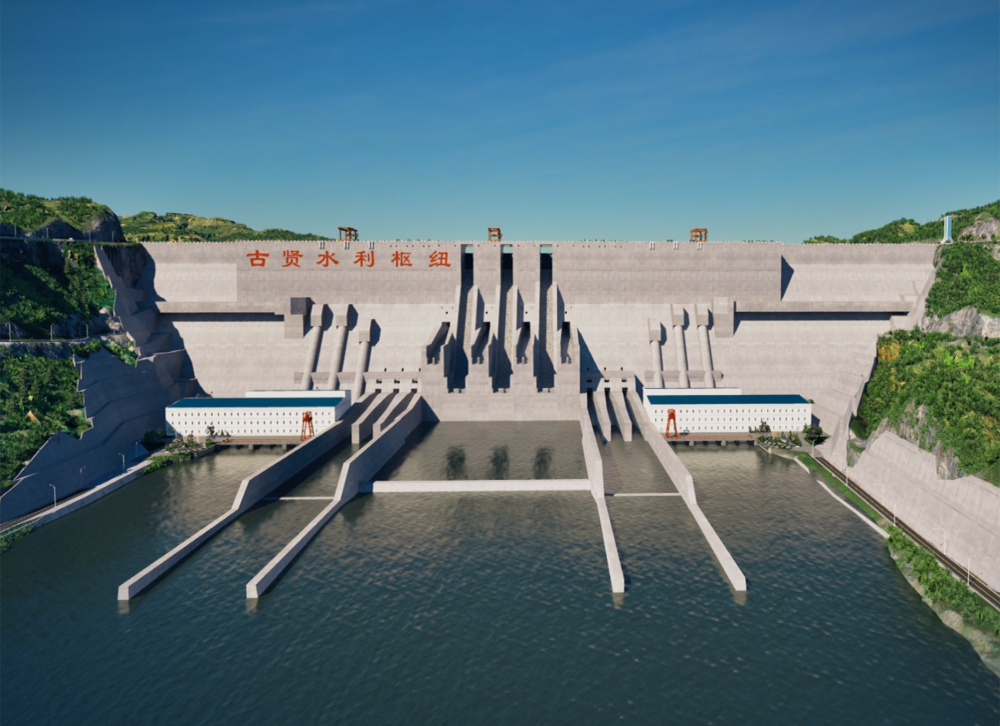
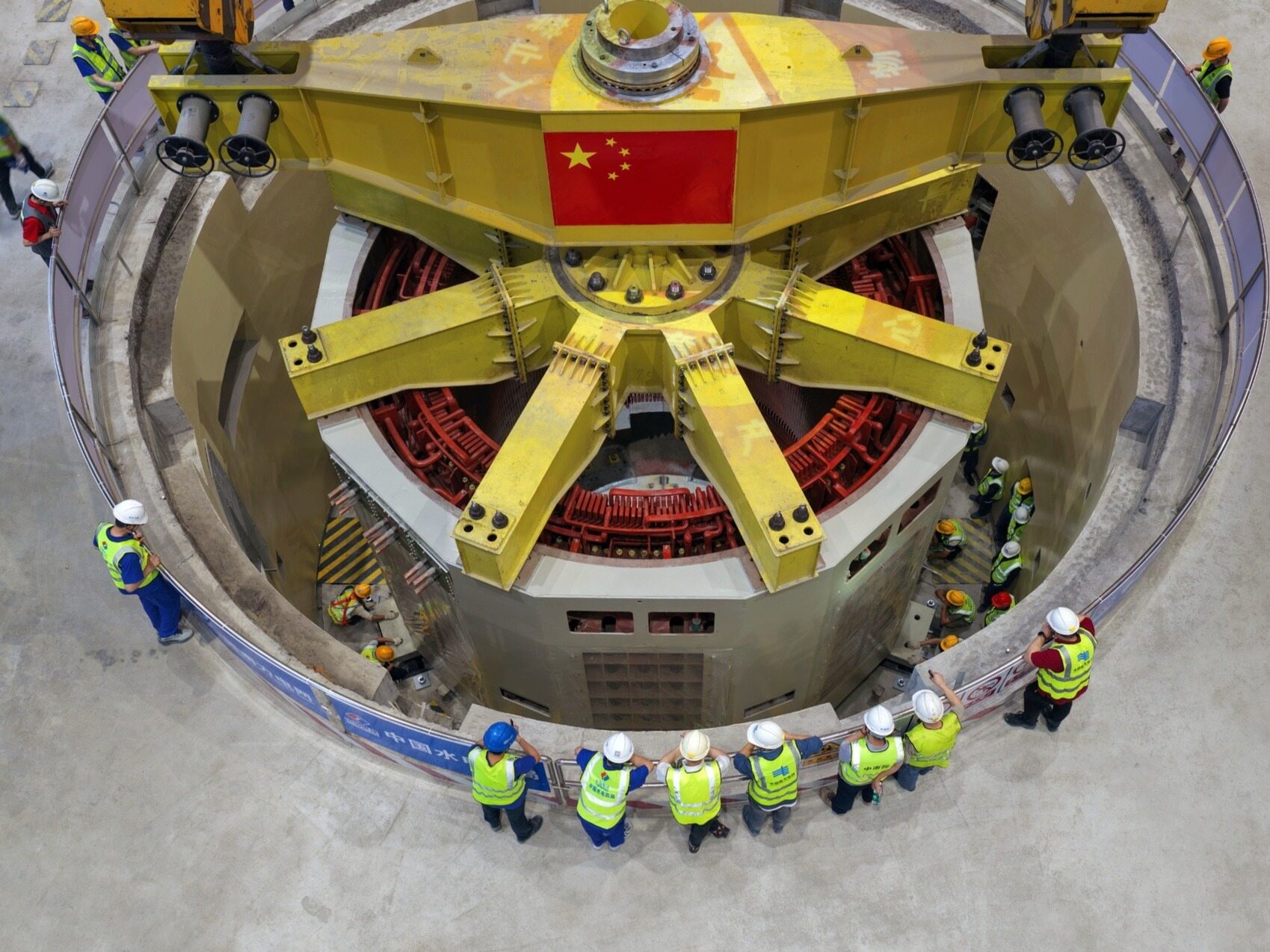
This project will form a "cascade linkage" with the Xiaolangdi Reservoir in the future, producing a "1+1>2" flood control and sediment reduction effect. Faced with complex geological conditions, the builders adopted innovative technologies such as deep tooth grooves and shear resistant tunnels, and integrated digital twins and intelligent construction systems, which can be regarded as the technological benchmark of water conservancy engineering in China in the new era.
Ecological Empowerment: From Flood Control to Symbiosis, Creating a New Picture of Human Water Harmony
The current Yellow River water conservancy projects have a mission that goes far beyond flood control and disaster reduction, and are fully supporting the ecological protection and high-quality development of the Yellow River Basin. The water and sediment regulation in the summer of 2025 is a win-win "ecological regulation": while freeing up storage capacity to ensure flood season safety, 150 million cubic meters of water will be replenished to the wetlands in the Yellow River Delta, 188 square kilometers of wetlands will be restored, and natural vegetation coverage will be significantly increased. After the completion of the Guxian Hub, its ecological and social benefits will become more prominent.
It will completely change the dilemma of "high land and low water" in some areas of the Fenwei Plain, enabling some regions of Shanxi and Shaanxi to achieve self flowing water supply, significantly reducing the energy consumption and cost of water intake in areas like Yan'an. In the past 25 years, the Xiaolangdi Hub has not only ensured the continuous flow of the Yellow River downstream and nourished 44 million acres of irrigation areas, but also transported nearly 150 billion kilowatt hours of clean electricity.
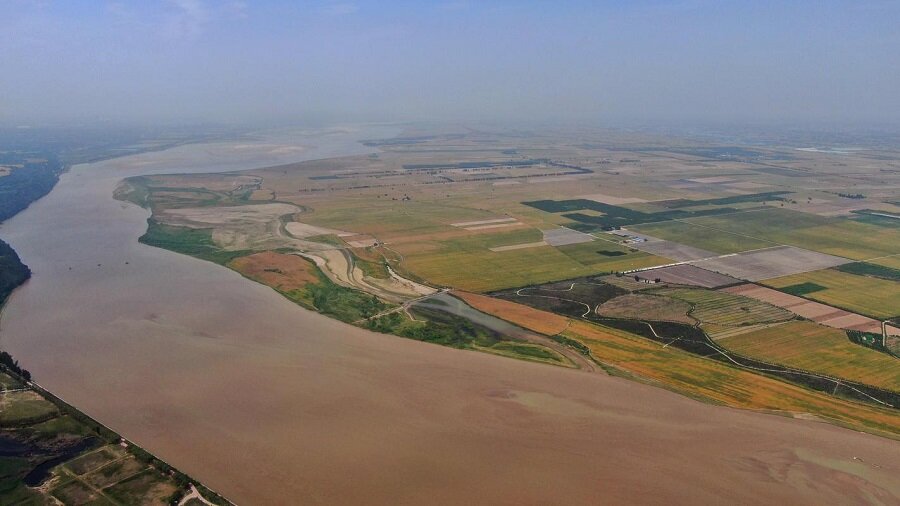
From Dayu's adaptive guidance, to Pan Jixun's dialectical approach to desertification control, and to today's "wise dual support" of Xiaolangdi and ancient sages, every leap in the management of the Yellow River is engraved with the survival wisdom and innovative courage of the Chinese nation. When the water of the Yellow River flows smoothly under the scientific scheduling of modern engineering, when the wetlands of the delta are revitalized, and when the people along the Yellow River live and work in peace and contentment, this ancient mother river continues to nourish the present and future of China with a peaceful posture. The safety of the Yellow River is a major national event.
On a new journey, the Yellow River Water Conservancy Project, which integrates millennium wisdom and cutting-edge technology, will continue to safeguard the sustainable flow of this civilized river and write a new chapter of harmonious coexistence between humans and nature.Editor/Yang Meiling
Comment


 Praise
 Collect
 Comment

 Share
Share


Write something~