 Search


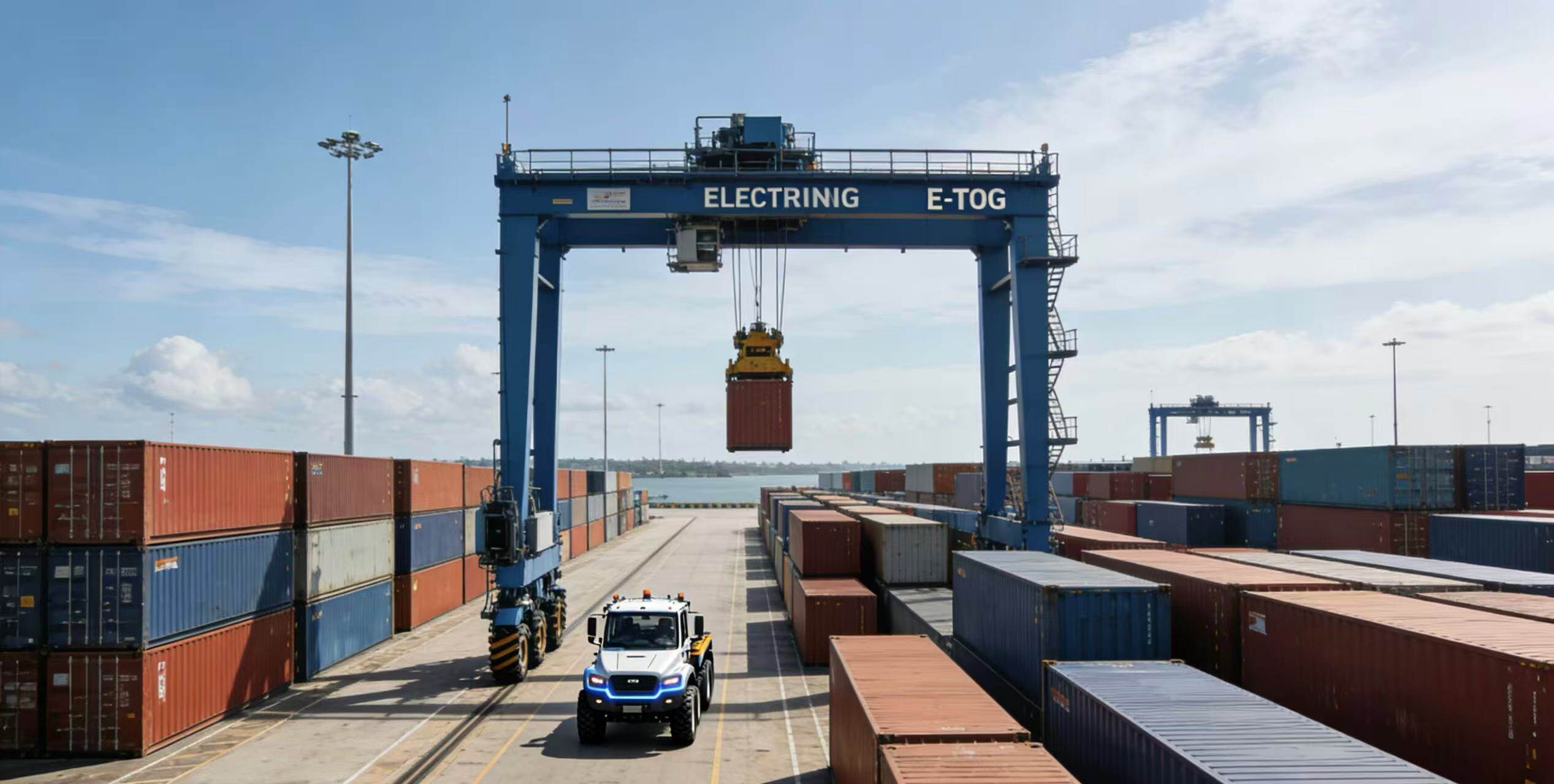
- The landing of autonomous dock tractors further promotes the operation process towards "unmanned"
- The dense layout of the airline network is a key lever for PTP to consolidate its hub position
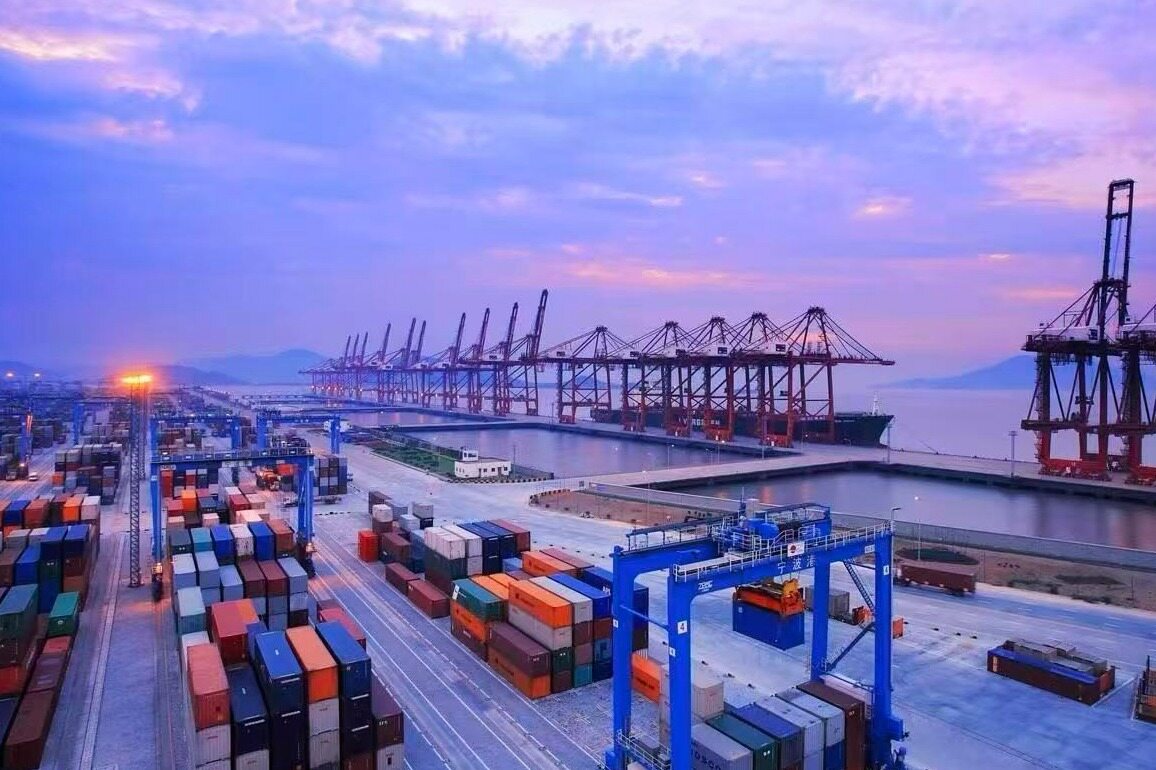
When the global supply chain restructuring is deeply integrated with the "the Belt and Road" initiative, the Malacca Strait, as the "maritime lifeline" connecting the Pacific Ocean and the Indian Ocean, its strategic value is increasingly prominent. Danjung Pelepas Port (PTP), with its unique location advantage, has achieved a leap from a regional new port to one of the top 15 container ports in the world in just 25 years. This deep-water port, located at the western entrance of the strait, is only 10 kilometers away from Singapore and has natural sheltered conditions without tidal restrictions. The 15-19 meter berth depth can accommodate 250000 ton ultra large container ships, saving shipping companies 45 minutes of route deviation time and becoming an irreplaceable transit hub on the trade route between the Far East and the Indian Ocean. Relying on the joint venture operation structure between MMC Group and APM Terminals, PTP is rooted in the local policy soil of Malaysia and incorporates top port operation experience from around the world. From achieving a world record of 1 million TEU throughput in 571 days of port opening to setting a new high of 12.25 million TEU throughput in Malaysia by 2024, its growth trajectory can be regarded as the "efficiency benchmark" of the shipping industry.
Hard core infrastructure and digital empowerment
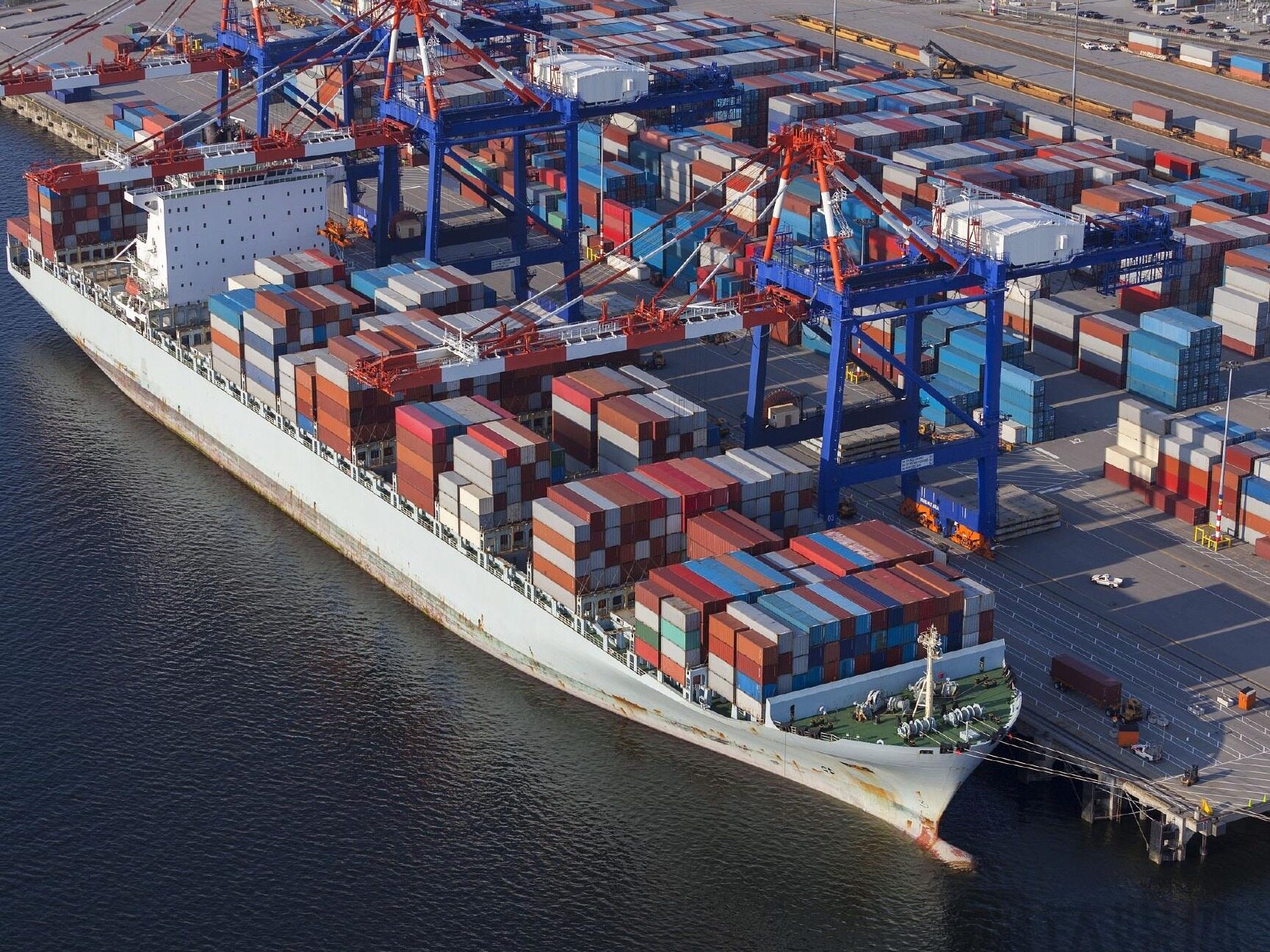
The rise of PTP stems from the dual efforts of infrastructure and technological innovation. The port currently has 14 container berths, with a total shoreline length of 5.04 kilometers, equipped with 66 super Panamax shore cranes, and a crane efficiency of 33 times per hour, ranking among the top in the world; The 1.8 million square meter yard can store 252000 TEU containers, with 4703 refrigerated container sockets and a cold chain center equipped with liquid nitrogen quick freezing technology. It processes over 500000 tons of fresh food annually with a loss rate of less than 0.3%. The "Zero berth" project, which will be launched in 2025, will add a 360 meter linear dock and 4 dedicated cranes, with an expected throughput of over 16 million TEUs by 2028. At the level of digital transformation, PTP has taken the lead in deploying the Navis N4 4.0 terminal operating system and OpsView real-time monitoring system, achieving dynamic updates of containers every 3 seconds. The AI driven port management information system optimizes ship scheduling and resource allocation, and the landing of autonomous terminal tractors further promotes the "unmanned" operation process. It is precisely with the dual guarantee of "infrastructure hard power+digital soft power" that PTP will continuously break monthly throughput records in the first five months of 2025, and maintain congestion free operation throughout the entire process.
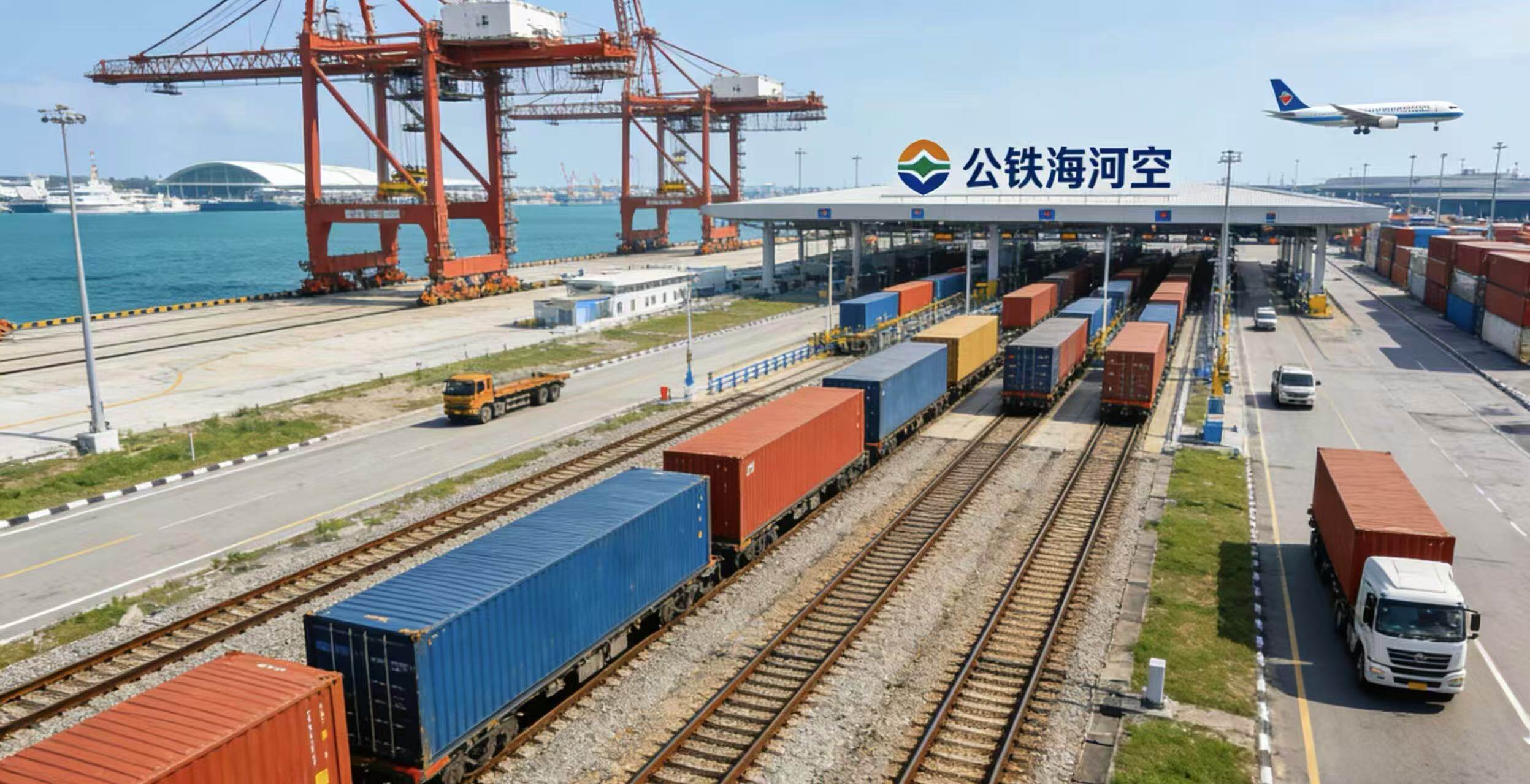
The dense layout of the airline network is a key lever for PTP to consolidate its hub position. At present, the port has attracted over 30 global shipping companies to dock, operating over 90 voyages per week, connecting more than 300 ports worldwide, and building a shipping network of "high-frequency coverage within Asia+direct intercontinental trunk lines". Within the Asian region, PTP provides high-density services with daily trains to Jakarta and every other day to Lincha, creating a 24-hour logistics circle in Southeast Asia; Cross continental routes cover core trade areas such as Europe, North America, and Africa, with Maersk's AE7 route and MSC's Silk Road route both listed as core hubs. The newly opened MSC SAMBAR route in 2025 will further connect ports of China, Vietnam, Thailand and Malaysia, strengthening trade linkage along the "the Belt and Road". At the same time, PTP has built a multimodal transport system of "public rail intermodal transport+sea river intermodal transport+sea air intermodal transport" relying on the terminal of the 4-track railway, the north-south expressway, and the Senai International Airport. The annual barge transport volume exceeds 3 million TEUs, achieving efficient connection of cargo distribution.
Strategic Breakthrough and Future Blueprint
In the competitive landscape of Southeast Asian ports, PTP achieves cornering overtaking through differentiated strategies. Faced with the financial service advantages of Singapore Port and the local supply base of Port Klang, PTP has precise positioning in the international transit market with 30% lower container exchange costs than Singapore, the fifth highest operational efficiency in the world, and a 92.6% proportion of pure transit trade. The strong support of the Malaysian government has become an accelerator for its development - with an expansion investment of 8.6 billion Malaysian Ringgit over the next 15 years and tax incentives for the free trade zone, it has attracted more than 40 companies such as DAMCO and Decathlon to settle in, creating 11000 job opportunities. Under the policy dividend of the "the Belt and Road" and RCEP, PTP opened a 72 hour direct shipping line to China, and used the regional tariff reduction policy to absorb a large number of transshipment goods, promoting Malaysia to become the fifth largest container processing country in the world.
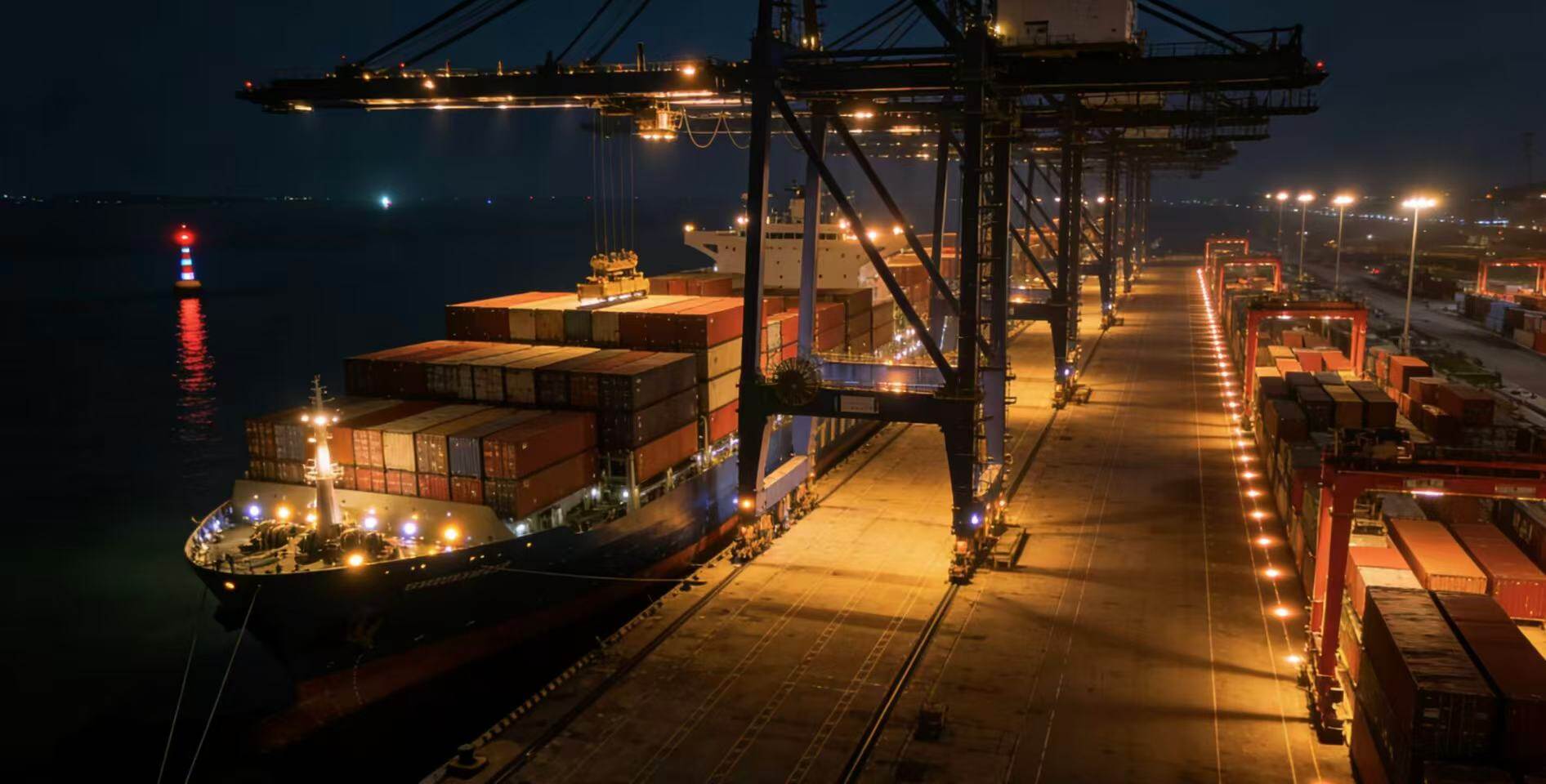
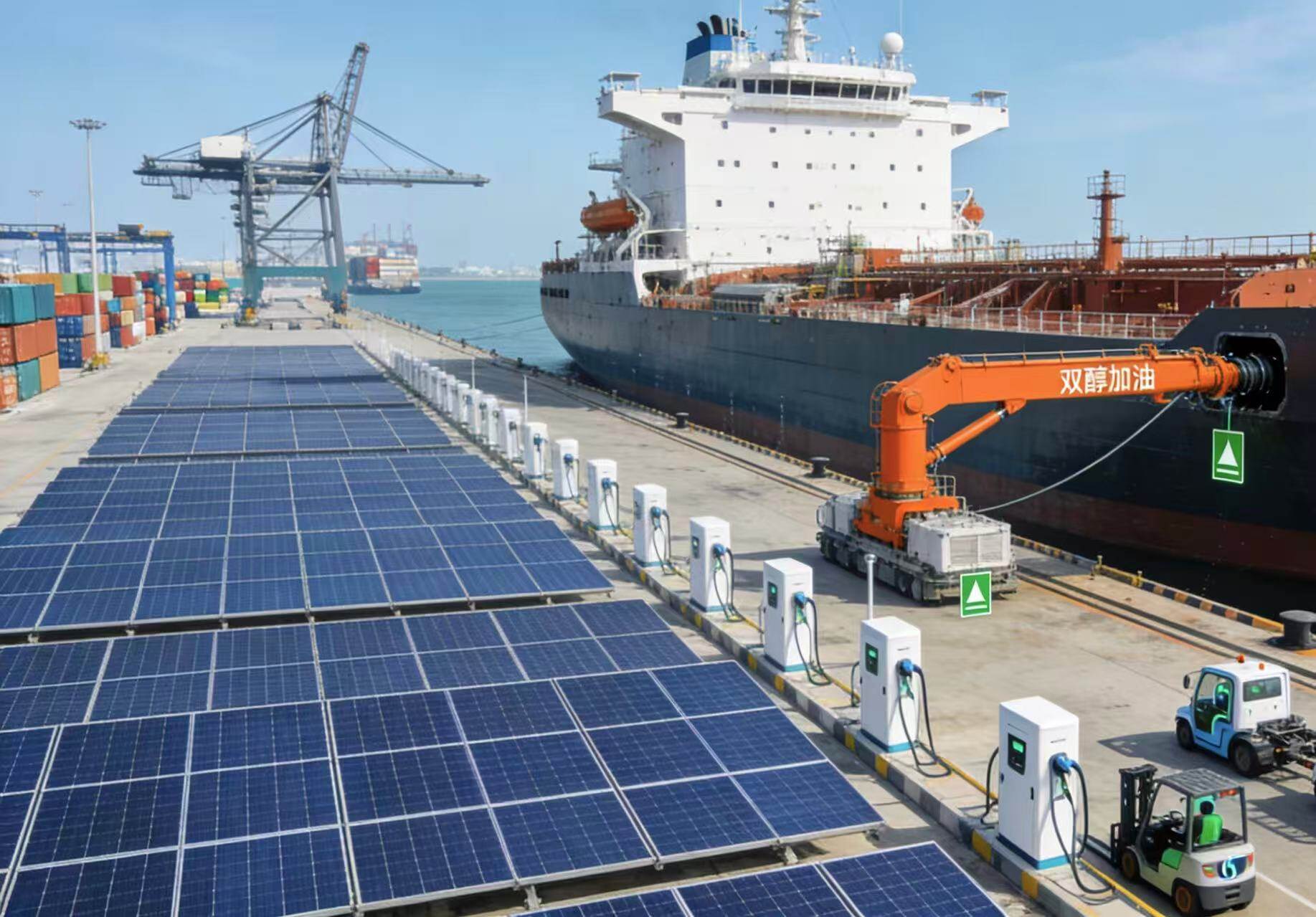
Looking towards the future, PTP has drawn a clear development blueprint, with green transformation and capacity expansion becoming the two core drivers. The port has set a target of reducing carbon emissions by 45% by 2030, completing the first methanol injection operation by 2024, promoting large-scale use of electric tire cranes, tractors and other equipment, and planning to build solar power generation facilities; The issuance of 500 million ringgit green Islamic bonds in 2025 will inject funds into the upgrading of green production capacity. In terms of production capacity planning, PTP will move towards the top ten globally in three steps: in the short term (2025-2028), relying on the "Zero berth" project to achieve a throughput of 16 million TEUs; In the mid-term (2029-2035), fully automated terminals will be built to expand routes to South America and the polar regions; Long term (2036-2050) sprint towards the goal of 30 million TEUs, creating Southeast Asia's first zero carbon port and port industrial ecosystem. This' smart pearl 'of the Malacca Strait is writing a new legend on the global shipping map with efficiency, greenness, and innovation as its engines.Editor/Bian Wenjun
Comment

 Praise
 Collect
 Comment

 Share
Share


Write something~