 Search


- The Chenpo section of the Yuncheng wind power project plans to install 11 wind turbines and simultaneously set up collection lines
- As a provincial key energy project, this project has become a model for tackling challenges in the field of wind power construction due to its large scale, high difficulty, and wide coverage
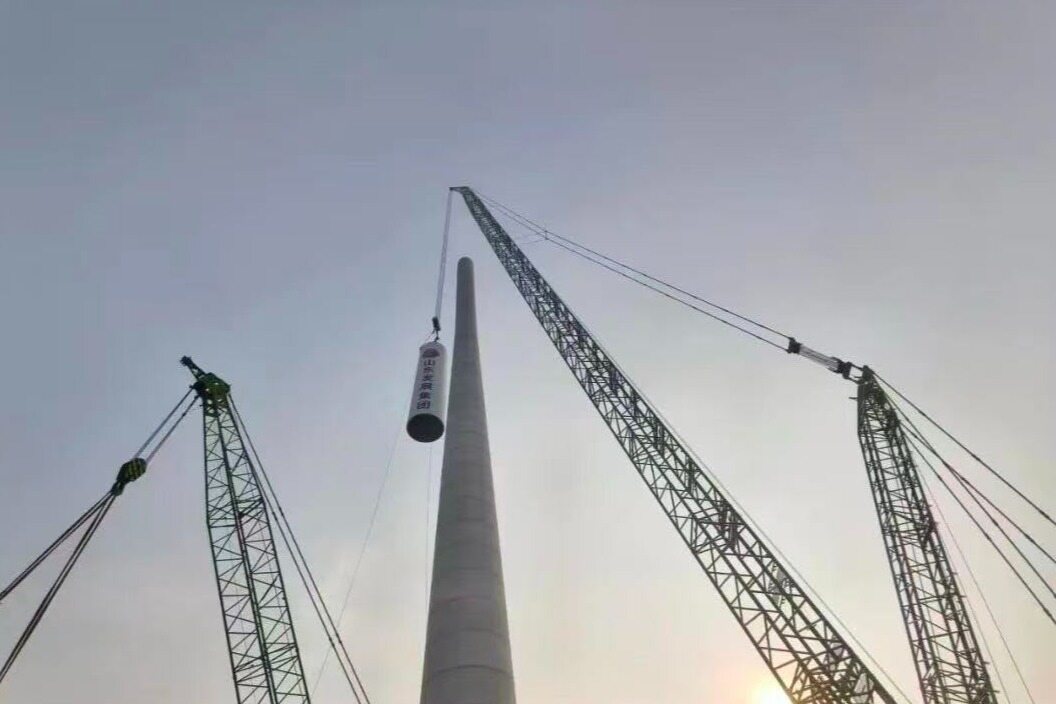
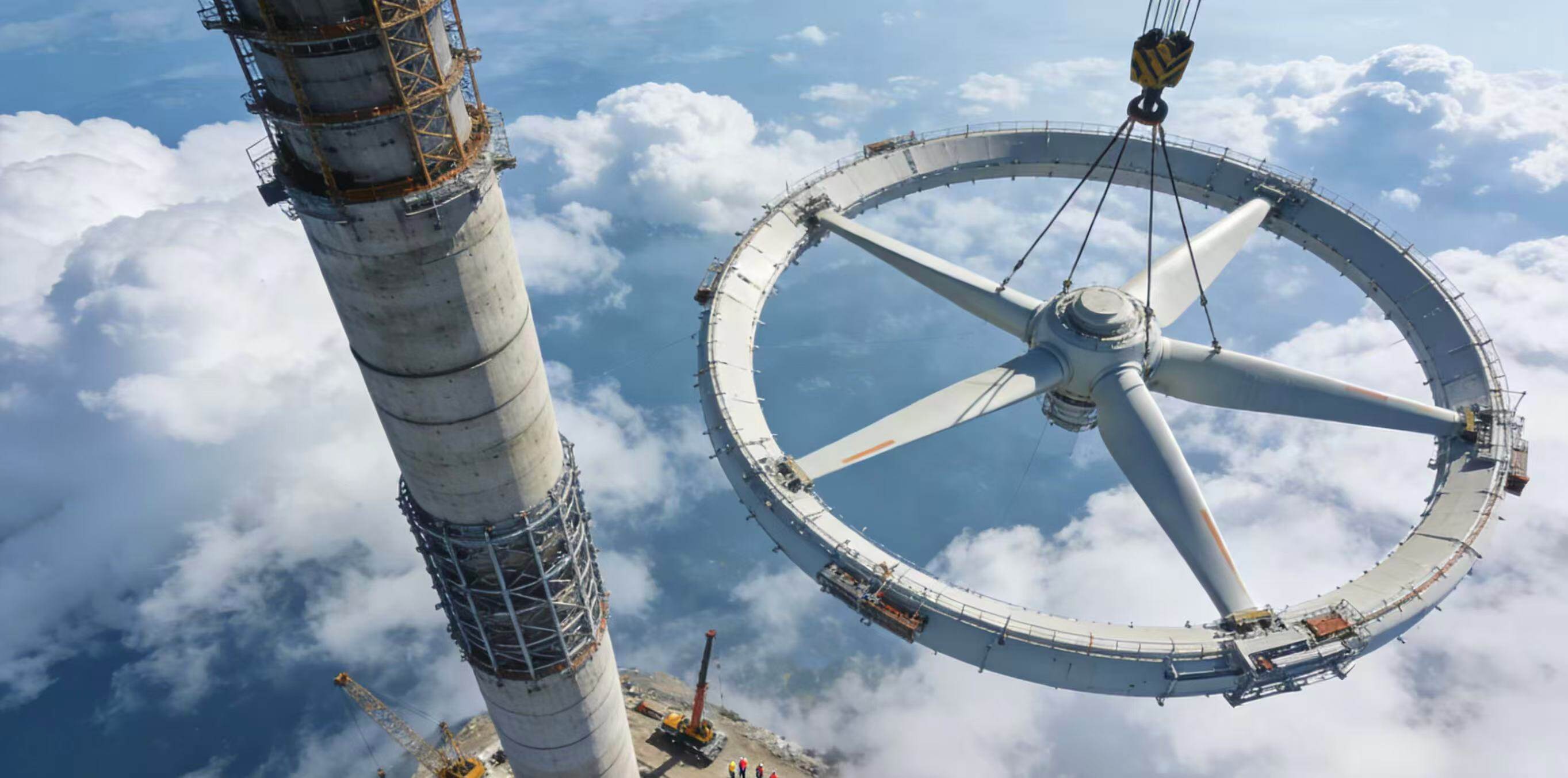
On January 12, 2026, the first wind turbine of the Heze Yuncheng 587500 kW wind power project (Chenpo section) constructed by China Construction Eighth Engineering Division Co., Ltd. was hoisted, marking the official entry of this largest onshore centralized wind power project in Shandong Province into the wind turbine installation stage.
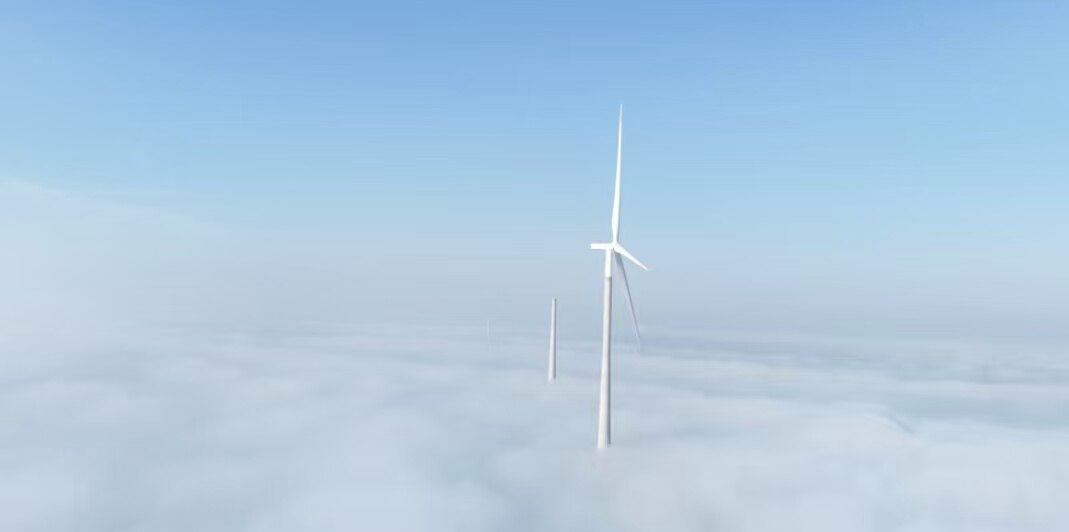
From a high altitude overlooking the construction site, a 100 meter concrete+steel hybrid tower rises from the ground, and a huge impeller with a diameter of 230 meters is precisely installed in the cloud, creating a magnificent scene of clean energy engineering.
It is reported that the Chenpo section of the Yuncheng wind power project plans to install 11 wind turbines and simultaneously deploy 49.3 kilometers of power collection lines. After the project is put into operation, it can output an average of about 200 million kilowatt hours of clean electricity per year, which can save 68000 tons of standard coal and reduce carbon dioxide emissions by 210000 tons per year. It plays an important role in helping to achieve the "dual carbon" goal.
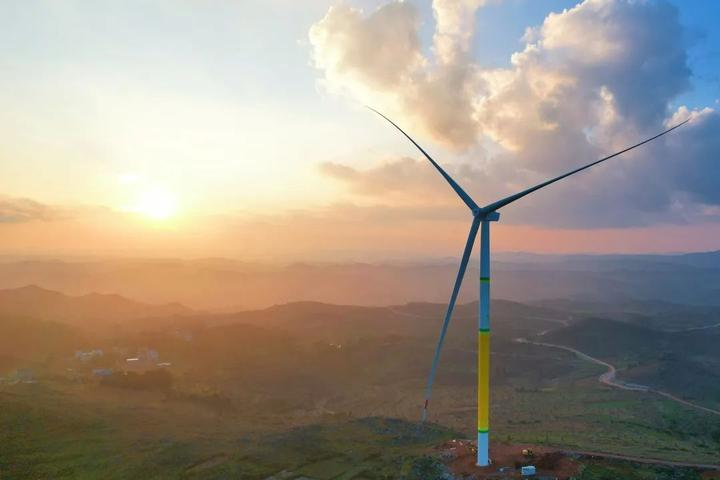
As a provincial key energy project, this project has become a model for tackling challenges in the field of wind power construction due to its large scale, high difficulty, and wide coverage. Its "size" is not only reflected in the installed capacity, but also highlighted in three core aspects: firstly, the transportation volume is "large", with 112 meter long blades and 130 ton transportation load components that need to cross 1268 kilometers from the Bayannur production base in Inner Mongolia, crossing complex road sections such as grasslands, highways, and village roads; Secondly, the coverage area is "large", involving 7 townships and 96 natural villages, with construction sites spaced up to 17 kilometers apart; Thirdly, the installation difficulty is "high", with the lifting of hundred ton level components, 170 meter high-altitude operations, and the addition of soft foundation and other site conditions, which pose extremely high requirements for construction technology and management.
To tackle this' hard bone ', the project team innovatively implemented a combination of punches to overcome difficulties.
In the ultra long distance transportation process, the team adopted a dual approach of "drone escort+road reconstruction" to identify risk points such as height limits, sharp turns, and soft foundations in advance, optimize 6 transportation routes, reinforce 5 bridges, and connect the "last mile" of components entering the village; At the same time, establish a "relay timetable" to achieve seamless connection between transportation, unloading, and lifting, and achieve the efficient operation goal of "zero stacking" and "zero reshipment" of large components.
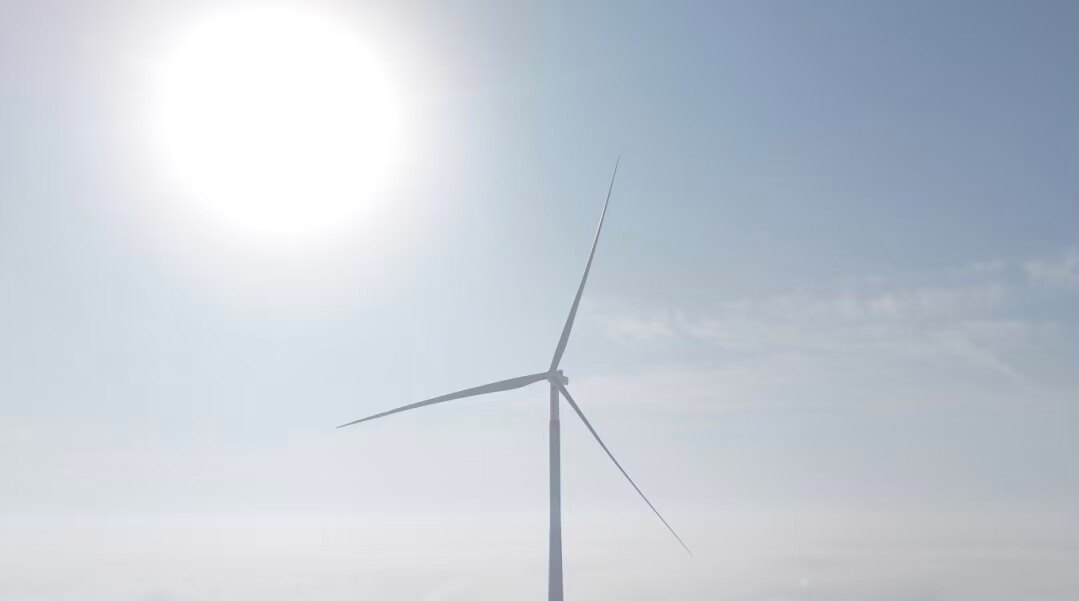
In the multi-point collaborative construction process, the team broke down the construction process into multiple main lines such as wind turbine foundation fabrication, mixed tower hoisting, and main engine hoisting, and compiled 7 key node "assembly instructions" to form a standardized "construction assembly line" for the 11 hoisting points; At the same time, 5 major responsibility areas were divided, and a "grid leader" responsibility system was established. Real time resource scheduling was combined with unmanned aerial vehicle cruising and fixed-point monitoring to ensure that multi area operations were carried out in a coordinated manner without disorder. The first mixed tower lifting was completed in just 8 days, and a total of 32 kilometers of power collection lines were deployed.
In the high-altitude precise lifting process, the team implemented a "layered replacement and filling" treatment for the lifting platform to address the problem of soft and easy settlement of the foundation, and built a stable "base" for the thousand ton lifting equipment; The tower lifting strictly follows the "one machine, one plan" principle, and applies intelligent real-time monitoring technology to accurately lift the 41 ring mixed tower ring into place, constructing a mixed tower structure with a maximum height of 148.4 meters. In addition, the project utilizes BIM technology to carry out "virtual pre assembly", accurately calculating the lifting angle and turning radius, and combining with real-time images of construction recorders and unmanned aerial vehicle cruising to achieve visual and controllable lifting throughout the entire process, ultimately efficiently completing the first wind turbine lifting task within 3 days.
The successful first hoisting has laid a solid foundation for the subsequent full capacity grid connected power generation of the Yuncheng wind power project, and also provided replicable and promotable construction experience for large-scale onshore wind power projects in Shandong Province and even the whole country.Editor/Bian Wenjun
Comment

 Praise
 Collect
 Comment

 Share
Share


Write something~