 Search


- The implementation of this investment plan is closely related to the guidance of the top-level design documents
- The development of smart microgrids presents a historic opportunity. The document clarifies its subject status for the first time

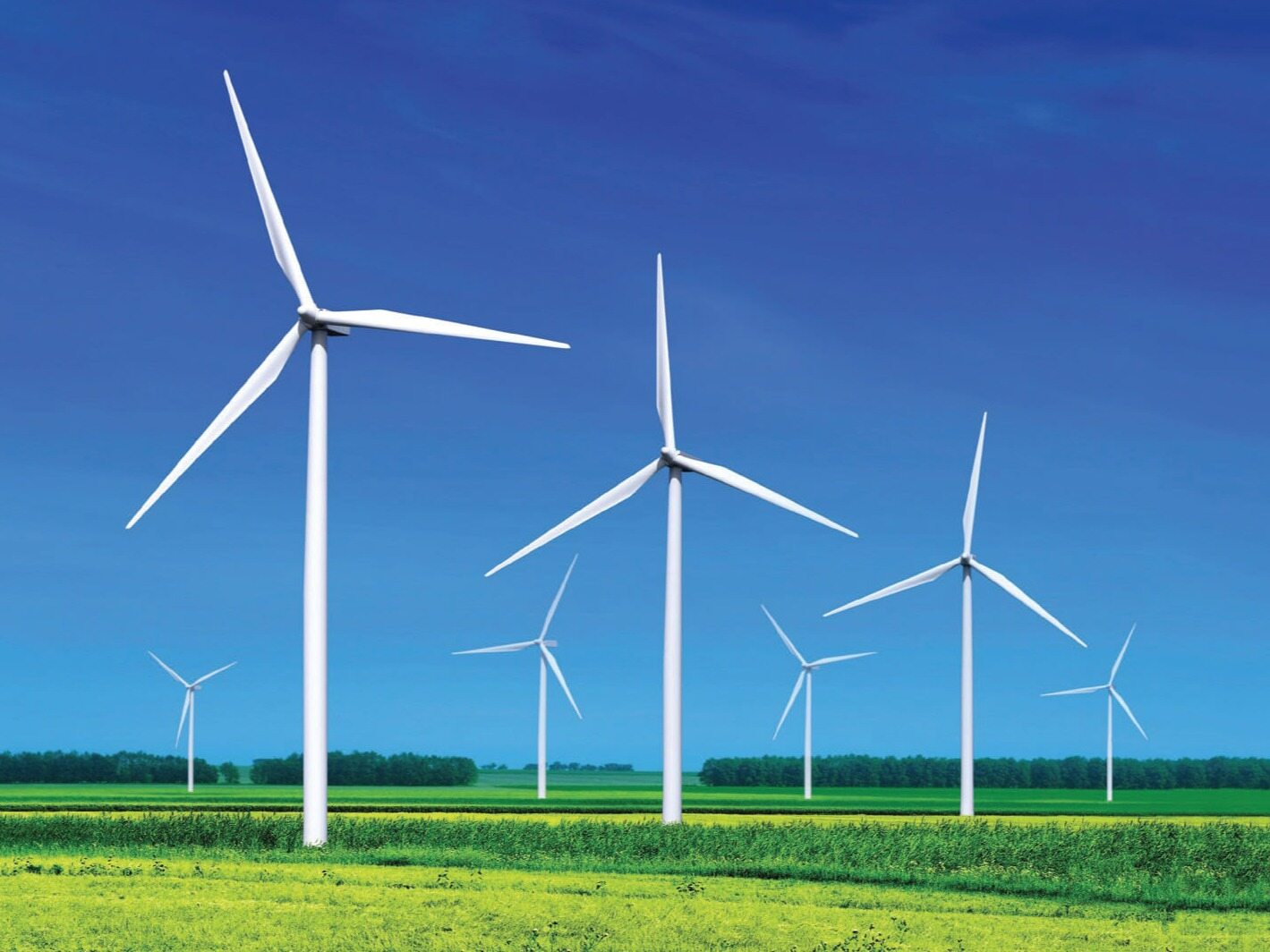
During the 15th Five Year Plan period, China's power grid construction will usher in a historic period of expansion opportunities. State Grid has made it clear that the scale of fixed assets investment at this stage is expected to reach 4 trillion yuan, 40% more than the 14th Five Year Plan, a record high, and the annual increase in installed capacity of wind and solar power in its service business area will reach about 200 million kilowatts; The investment scale of Southern Power Grid will also increase from 740 billion yuan in the 14th Five Year Plan to 1 trillion yuan. Based on this calculation, the total investment in the national power grid will exceed 5 trillion yuan. Behind the huge capital injection is the urgent need for upgrading the power grid in the construction of a new power system. The two major fields of energy storage and smart microgrids are ushering in a golden five-year development with dual support from policies and capital.
The dilemma of new energy consumption is forcing the upgrade of the power grid
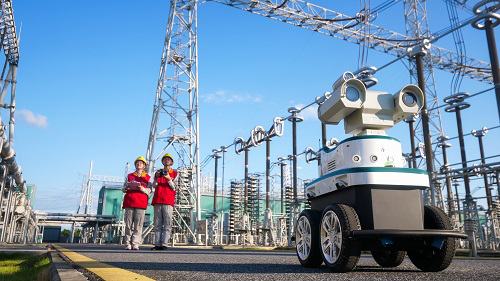
By 2025, the proportion of new energy installed capacity in China will approach 50%, but the proportion of power generation will be less than 25%. Behind the contradiction of "high installed capacity and low power generation" is the practical bottleneck of insufficient grid acceptance capacity. Data shows that more than 150 regions across the country have been classified as "red zones" for distributed photovoltaic access due to the saturation of distribution network carrying capacity, and new projects have almost come to a standstill in grid connection. At the same time, the system cost of new energy consumption is continuously rising. According to data from the Beijing Electric Power Trading Center, for every 1% increase in the penetration rate of new energy, the system cost will increase by 1 cent per kilowatt hour; According to calculations by the State Power Investment Research Institute, when the penetration rate exceeds 15%, the increase in cost per kilowatt hour of electricity system will further expand. For every 5 percentage points increase, the cost will increase by about 0.1 yuan. At present, the penetration rate of new energy generation in the State Grid operating zone has reached 24.2%, corresponding to a consumption cost of nearly 0.3 yuan per kilowatt hour.
Since 2025, the policy side has been continuously making efforts to solve the problem of consumption. From the Notice on Improving the Price Mechanism to Promote the Local Consumption of New Energy Generation to the Guiding Opinions on Promoting the Consumption and Regulation of New Energy, multiple documents have proposed solutions from the dimensions of price mechanism and scheduling mode, but the core breakthrough point still lies in the structural transformation of the power grid itself.
Collaborative architecture of main distribution microgrid reshapes the power grid pattern
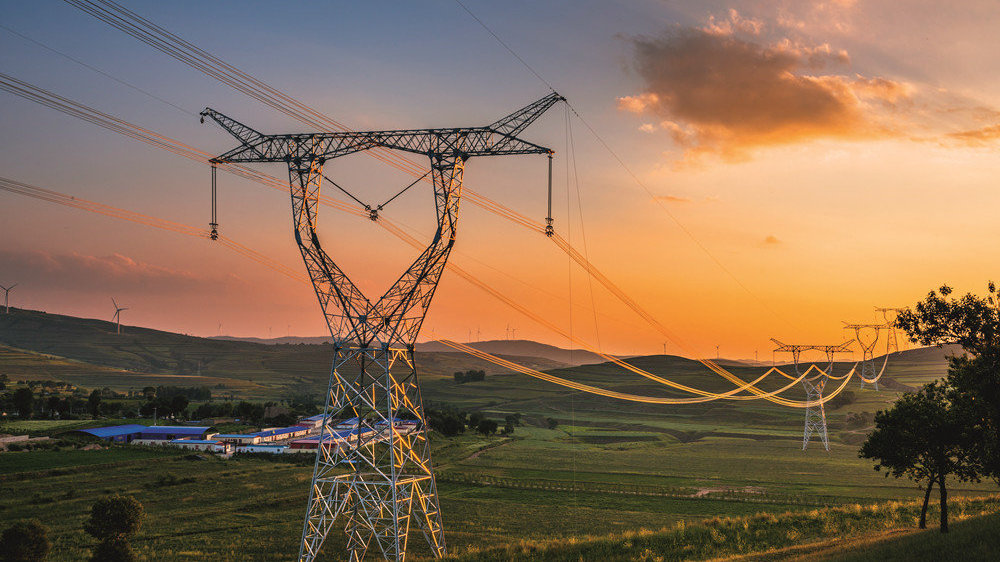
The core innovation of Document No. 1710 lies in subverting the traditional dominant mode of a single large power grid and constructing a new power grid platform with three-level coordination of the backbone power grid, distribution network, and intelligent microgrid, providing an institutional framework for the high-quality development of the power grid.
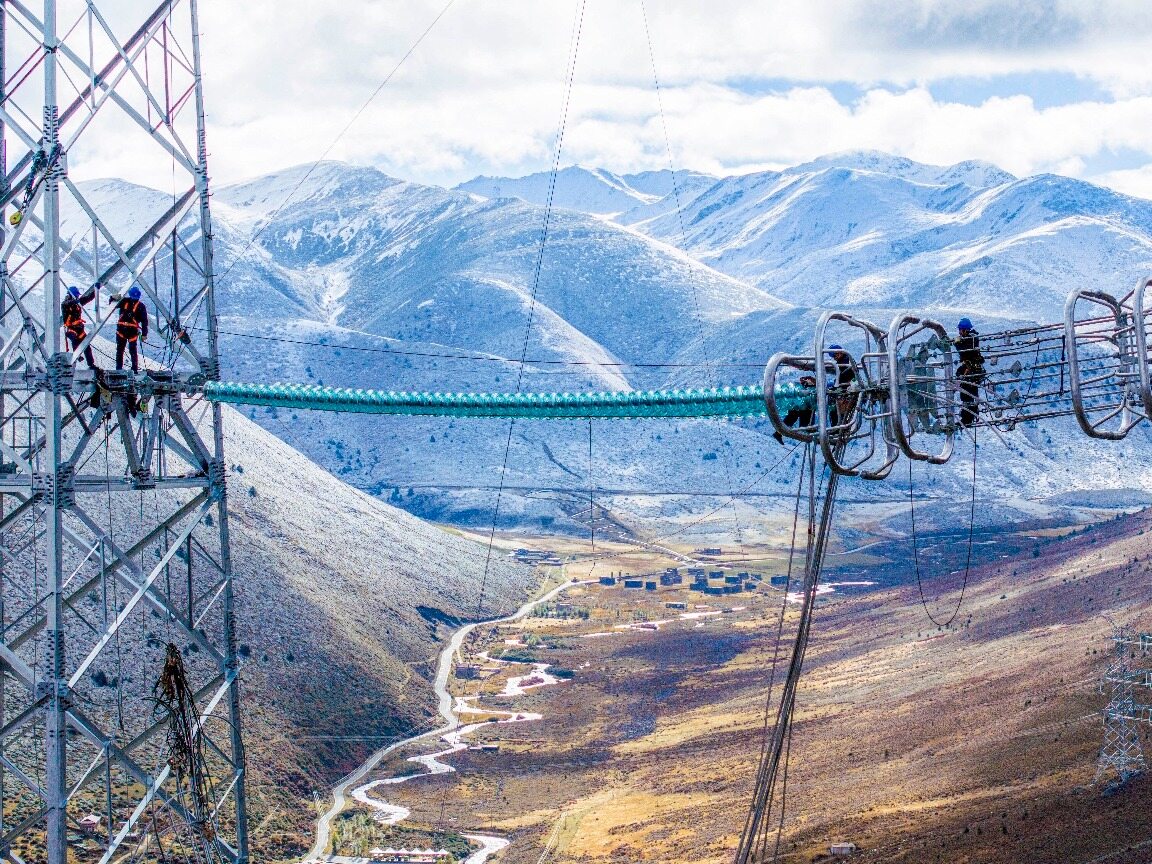
At the level of the backbone power grid, we will focus on promoting the construction of cross provincial and cross regional transmission channels, optimizing the backbone network structure, strengthening the cross regional sharing of reserve capacity and adjustable resources, and helping to achieve the goal of 420 million kilowatts of West East power transmission and 40 million kilowatts of inter provincial mutual aid capacity by 2030. During this process, the cross regional scheduling frequency of energy storage as a flexible regulation resource will significantly increase, and the utilization rate will achieve a qualitative leap.
Trillion capital anchors three core tracks
Based on Document No. 1710 and the State Grid Investment Plan, power grid investment during the 15th Five Year Plan period will focus on three core areas:
Firstly, distributed energy storage and grid based energy storage. Investment in the distribution network is still the "big head", and the model of energy storage replacing grid construction will be widely applied. Coupled with the rigid growth of grid demand, the revenue level of the energy storage industry will see substantial improvement.
Secondly, the overall solution for smart microgrids. Multi energy complementary and collaborative control technology has become the core competitiveness. Data driven prediction and optimization algorithms will support microgrids to participate in multiple scenarios such as electricity market transactions and demand side response. Enterprises such as integrated energy storage and singularity energy have taken the lead in laying out comprehensive energy service tracks.
Thirdly, ultra-high voltage and digital technology for power grids. The upgrade of the backbone power grid cannot be separated from the support of ultra-high voltage and direct current networking technology. The deep integration of artificial intelligence and digital technology will achieve collaborative optimization and scheduling of diverse and massive resources. Equipment manufacturers such as Guodian Nanrui and Xuji Electric are accelerating their transformation into system level solution service providers.
As a guiding document for the development of the power grid in the next decade, the implementation of Document No. 1710 marks the transformation of China's power grid from a traditional transmission and distribution carrier to a new platform hub. Driven by a strong investment of 5 trillion yuan, the energy storage and smart microgrid industry will enter the fast lane of large-scale development, injecting strong momentum into the construction of new power systems.Editor/Bian Wenjun
Comment


 Praise
 Collect
 Comment

 Share
Share


Write something~