 Search


- During the 15th Five Year Plan period, the 20 trillion yuan urban renewal market will be fully launched
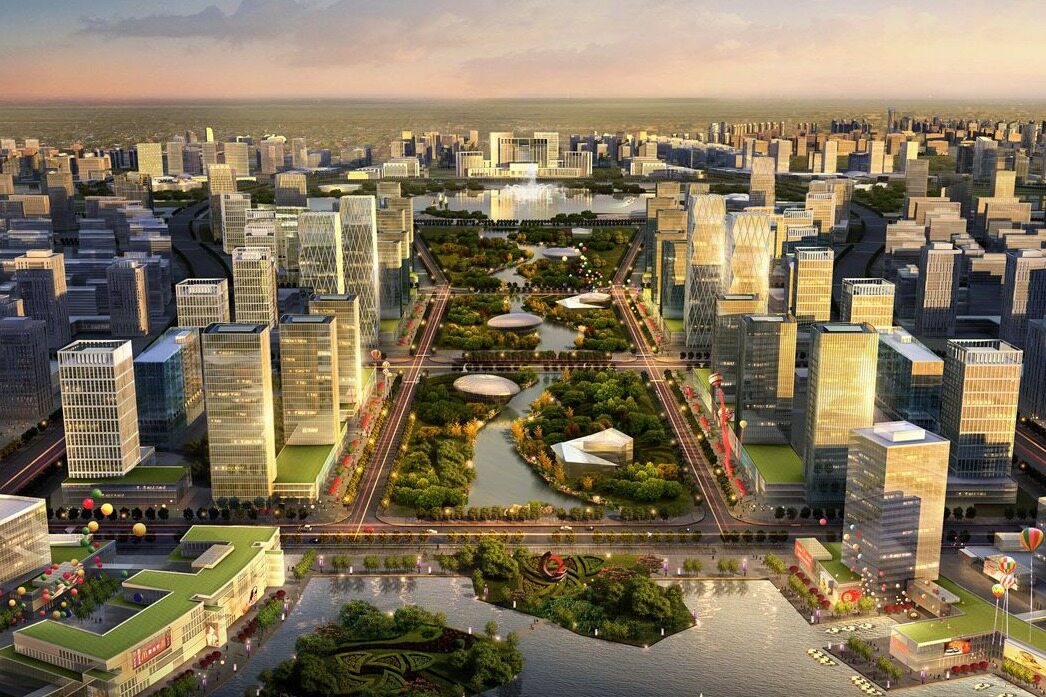
According to China Securities Pengyuan Rating, the total capacity of China's urban renewal market is expected to reach 20 trillion yuan during the "15th Five Year Plan" period from 2026 to 2030. With the urbanization process entering a new stage of "stock improvement", urban renewal is not only a need to improve people's livelihoods, but also a core engine to promote stable economic growth and expand domestic demand. Recently, multiple ministries such as the Ministry of Housing and Urban Rural Development, the Ministry of Finance, and the National Development and Reform Commission have issued a series of policies to establish a complete support system of "top-level design element guarantee", marking the acceleration of this grand market from blueprint to comprehensive implementation.

From 'massive demolition and construction' to 'sustainable renewal'
The recently introduced policy system clearly demonstrates a fundamental shift in the concept of urban renewal. The policy clearly prohibits "large-scale demolition and construction" and the addition of implicit local government debt, and instead emphasizes "sustainable renewal" and market-oriented operation. The core measures include: providing fixed subsidies from the central government, with a focus on investing in model projects in old urban areas; The National Development and Reform Commission has expanded the pilot scope of infrastructure REITs to the field of urban renewal, providing a capital exit channel for revitalizing existing assets; The Ministry of Housing and Urban Rural Development is promoting the establishment of an integrated mechanism of "urban physical examination+renewal", requiring the formation of a three-level system of "special planning area planning project implementation plan". Leading cases such as the Taping area in Jiangbei District, Chongqing, have achieved "border inspection and reform" through refined "physical examinations", becoming benchmarks for policy implementation.
The four core tracks carry a space of 20 trillion yuan
The 20 trillion yuan market presents a clear track pattern. Firstly, there is the renovation of old residential areas with a scale of about 8 trillion yuan, involving about 250000 residential areas and 48 million households nationwide. Projects represented by Shanghai Jinniu Huayuan and Wuhan Zhiyin Dongyuan provide mature models in terms of aging adaptation and functional embedding. Next is the underground pipeline network and urban village renovation with a scale of about 6.5 trillion yuan, among which the upgrading of intelligent pipeline network and the transformation of urban villages (such as the transformation of Hongqi Village in Shanghai into a "realistic" complex) are the key points. The third is the renovation of historical blocks and complete communities with a scale of about 2 trillion yuan, focusing on cultural empowerment and business operation, such as the revitalization and utilization of the Nanzhai historical and cultural block in Zhoukou, Henan. In addition, the supporting service markets such as building materials and technical services will also share huge industrial chain dividends. Keywords: Macro Latest News, Macro News Latest News
Key strategies for funding mix and project application
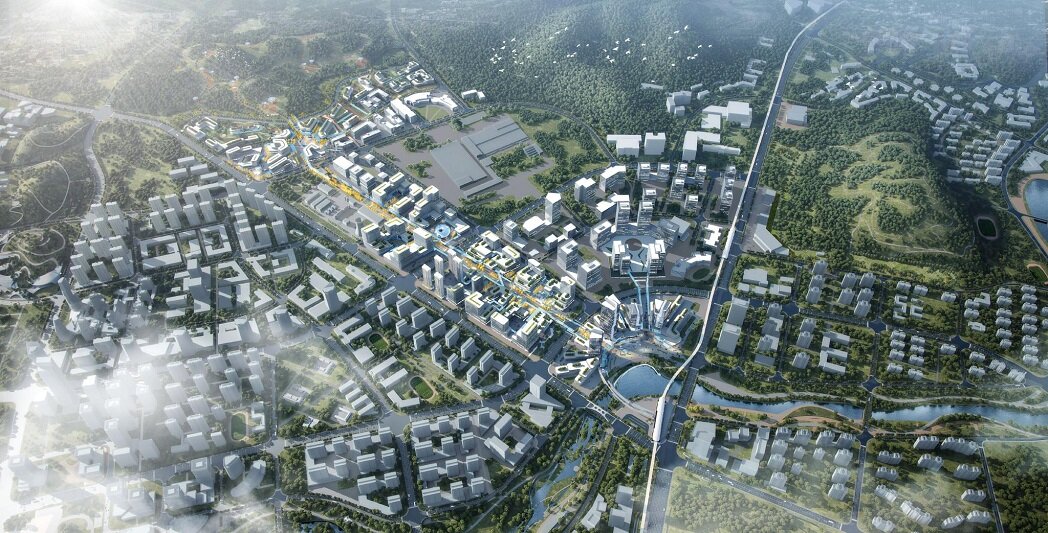
Successful urban renewal projects rely on innovative funding combinations and precise application strategies. On the capital side, a diversified market model of "policy based capital bottoming, financial capital overweight, and social capital replenishment" has been formed, specifically including central subsidies, special bonds, ultra long term special treasury bond, bank credit, REITs, and social capital participation. The cases of Nanqu Community in Pinggu District, Beijing and Baichuanli District in Changsha demonstrate the effective practice of diversified fundraising. At the application stage, the project needs to focus on the concentrated and contiguous areas of the old urban area to create a model effect, highlight mechanism innovation (such as the "big property" model in Taping, Chongqing), and ensure that the application materials are authentic, concise, and fully connected with local planning, so as to stand out in the selection mode of "provincial recommendation+competitive evaluation".Editor/Gao Xue
Comment

 Praise
 Collect
 Comment

 Share
Share


Write something~