 Search


- This system adopts a strategy of combining points, lines, and surfaces to promote the physical implementation of dual carbon work
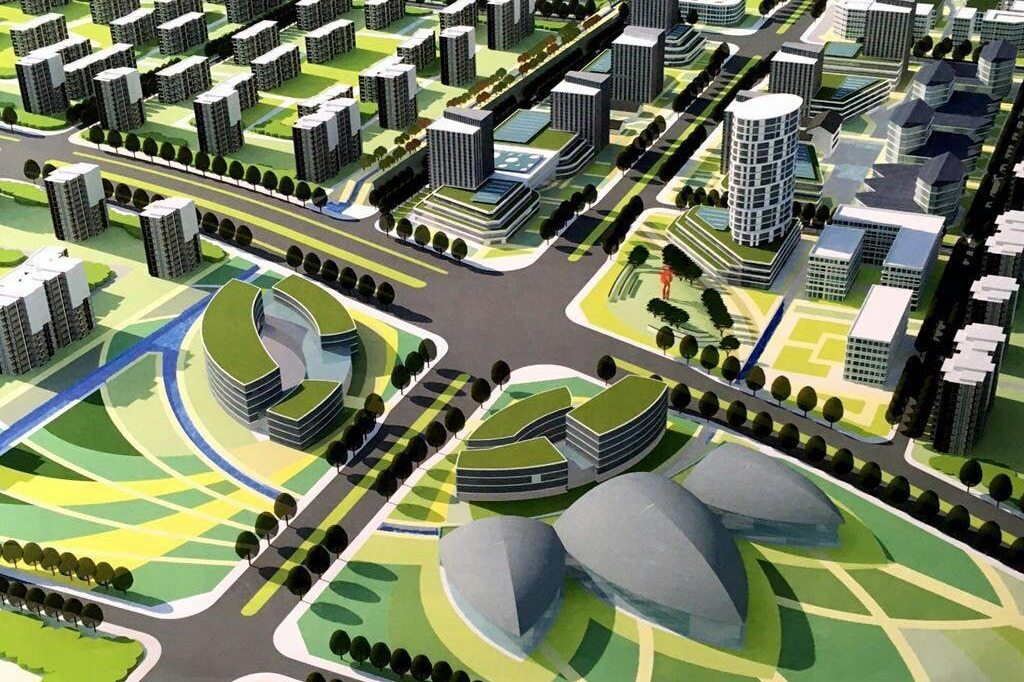
In 2026, the implementation path of China's "dual carbon" strategy is being clearly outlined. A three-dimensional and collaborative promotion system is moving from top-level design to physical implementation, with factories as the "point", supply chains as the "line", and industrial parks as the "surface". This not only means moving from commitment to action, but also indicates that the underlying logic of future industrial competition is undergoing profound changes. The three policy documents released successively, namely zero carbon factories, carbon footprint management, and zero carbon parks, constitute China's "clearance code" during the critical period of green transformation.

Phased and precise promotion
As the smallest physical unit to achieve the "dual carbon" goal, the construction of zero carbon factories adheres to the principle of practicality and science. The policy specifies a gradient cultivation strategy, prioritizing exploration in industries with urgent and relatively easy decarbonization needs such as automobiles, lithium batteries, and photovoltaics, with the goal of building a number of benchmark factories by 2027. For high energy industries such as steel and non-ferrous metals, a longer buffer period has been provided, with plans to gradually expand by 2030. On the path of carbon reduction, factories need to complete the entire process transformation from the source to the end: at the source, accelerate the transformation of energy structure and encourage direct supply of green electricity; In the process, focus on improving energy efficiency and use digital and intelligent technologies to strictly control the energy consumption of unit products; As for carbon offsetting, it is explicitly stated as a last resort and must be based on a traceable accounting system.
Connect the entire industry chain
Taking the carbon footprint management system as the "line", the policy aims to connect isolated green "points" into a collaborative carbon reduction industry chain. Its core driving force comes from both internal transformation needs and the urgency to address external green trade barriers. In the face of new regulations such as the EU Carbon Border Adjustment Mechanism, establishing a carbon footprint database and accounting standards that are in line with international standards has become the key to ensuring the international competitiveness of China's advantageous products. The policy emphasizes the need to use national or international common standards for accounting to ensure the uniformity, transparency, traceability, and verifiability of data. This not only forces individual enterprises to reduce emissions, but also drives the green transformation of the entire supply chain through requirements such as green procurement and green logistics.

Building an industrial ecosystem
Zero carbon parks are regarded as the "bull's nose" of the entire system, undertaking the responsibility of integrating and upgrading "points" and "lines" into regional industrial ecology. It is no longer a simple collection of enterprises, but a collaborative emission reduction of "1+1>2" achieved through systematic planning. At the energy level, the park can coordinate the construction of large-scale renewable energy projects, energy storage systems, and green power supply networks to achieve multi energy complementarity. At the resource level, the park focuses on building an "industrial symbiosis network" to promote the recycling of waste heat, pressure, solid waste and other resources. Unlike before, zero carbon park management has set more rigid quantitative indicators, such as "unit energy consumption carbon emissions" and "proportion of clean energy consumption", marking a new stage of quantitative assessment for green development in the park from qualitative encouragement. Keywords: macro news information, macro news
In summary, China is systematically promoting the implementation of dual carbon work through a three-dimensional support system that combines "points, lines, and surfaces", from building the micro foundation of zero carbon factories, to linking green supply chains with carbon footprints, and then building an industrial ecosystem for zero carbon parks. This is not only an inevitable measure to fulfill international commitments, but also a long-term strategic layout to reshape the core competitiveness of national industries with green and new quality productivity. In the future, the dual drive of digitization and marketization will be the key to the successful implementation of this strategy.Editor/Gao Xue
Comment






 Praise
 Collect
 Comment

 Share
Share


Write something~