 Search


- The green power advantage of Xinjiang is becoming the core competitiveness of zero carbon computing power development
- The project is deeply integrated into the national "East West Calculation" strategy and innovatively launches the "Computing Power Futures" model
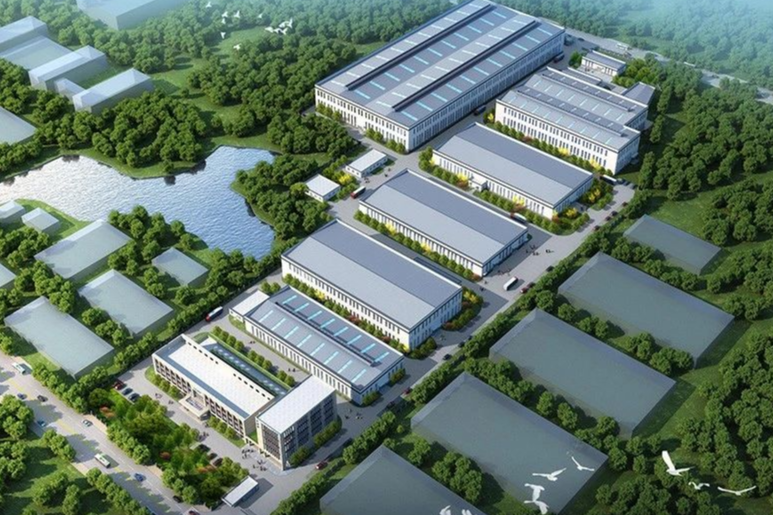
On January 16, 2026, the People's Government of Changji City and CICC Data Group officially signed a cooperation framework agreement, marking the official landing of the largest zero carbon computing power project in Xinjiang - CICC Data Xinjiang Zero Carbon Computing Power Cluster. The project covers a total area of over 1500 acres, with an overall construction goal of 1.44 GW and a total investment of up to 31.368 billion yuan. The pilot project is located in the Xinjiang Information Industry Park, with an investment of 7.842 billion yuan and a planned IT output of 360 MW. The expansion project will form a coordinated layout of multiple points and centers, and after completion, it will become the largest, highest capacity, and most efficient information infrastructure in Xinjiang.

Innovative Mode Efficiency Release
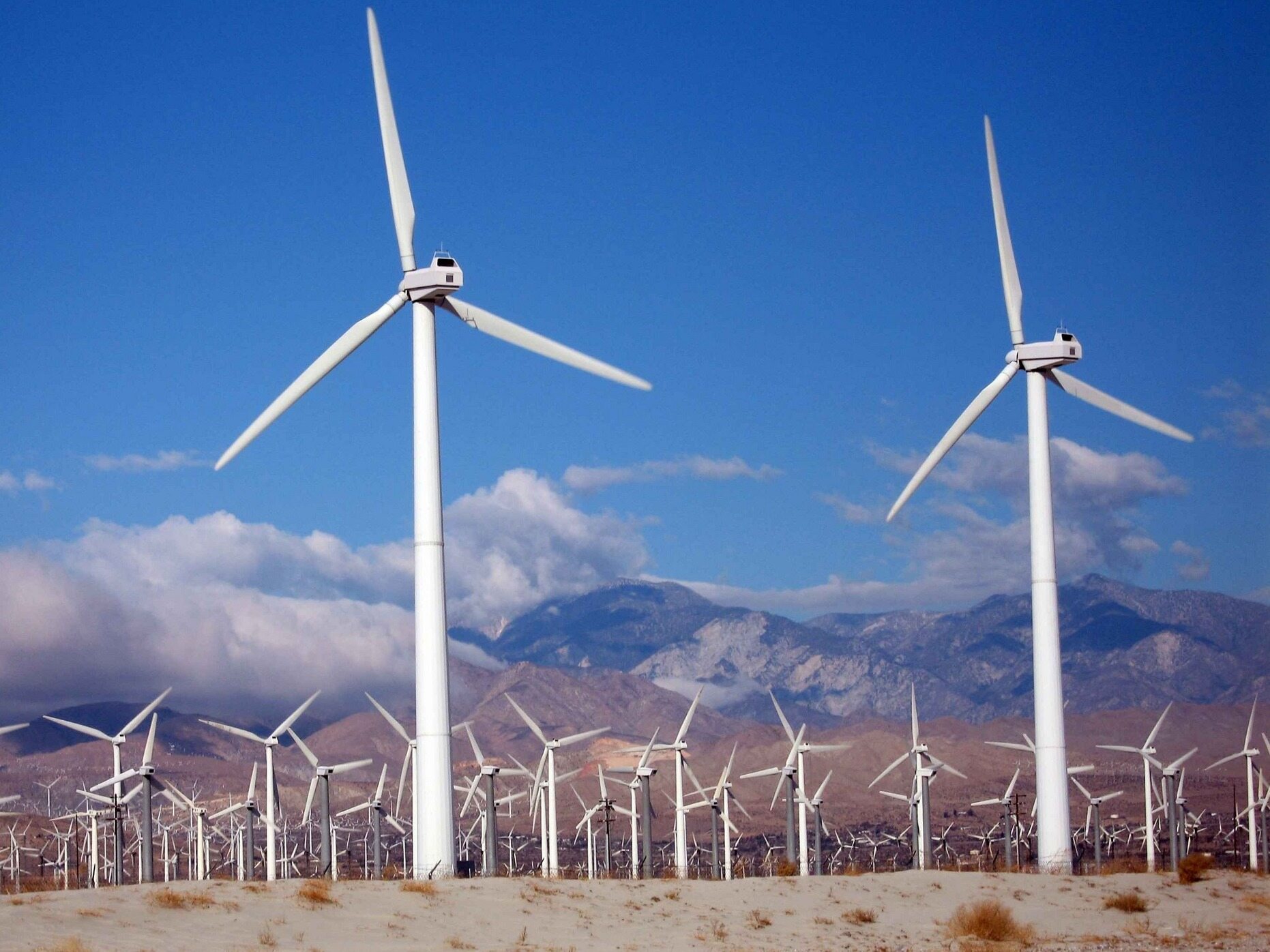
The core of computing power is electricity, and Xinjiang's green power advantage is becoming the core competitiveness of zero carbon computing power development. Zhongjin Data Xinjiang Zero Carbon Computing Power Cluster relies on the wind power project of Changji State Investment Group to build a deep integration model of "green power+computing power". It is expected to build a supporting 5 million kilowatt new energy installed capacity in the next three years, providing over 10 billion kilowatt hours of green power annually, and ensuring the clean nature of computing power from the source. Thanks to the advantages of green power supply and natural cooling in the Gobi region, the PUE value of the project can be as low as 1.15, saving 30% energy compared to the industry average. The annual emission reduction of a single cabinet can reach 8 tons of standard coal, setting a new benchmark for environmental protection in the Western Computing Power Center.
In terms of operation mode, the project is deeply integrated into the national "East Calculation and West Calculation" strategy, innovatively launching the "Computing Power Futures" model, allowing eastern enterprises to book green computing resources in advance, which not only reduces energy costs for enterprises, but also helps them achieve carbon emission reduction targets. Through the coordinated layout of ultra-high voltage power grid and fiber optic network, a "green computing power highway" has been built to achieve efficient allocation of computing power resources across regions. Chongqing intelligent automotive engineers 3000 kilometers away can call on Xinjiang computing power to compress the training cycle of autonomous driving models from 30 days to 24 hours, fully demonstrating the collaborative efficiency of "East data West computing". At the same time, the project will rely on the "industry university research" innovation platform of Xinjiang (Changji) Rongchuang Port to selectively cultivate local digital talents, forming a complete closed loop of technology research and development, achievement transformation, and industrial application.

The Digital Economy Embarks on a New Journey
Based on the strategic positioning of the core area of the Silk Road Economic Belt, this project not only undertakes the mission of undertaking the transfer of computing power from the east, but also will become a digital hub for opening up to the west. Based on the geographical advantages of Xinjiang and Central Asian countries, the project will deeply participate in the construction of the "Digital Silk Road", promote cross-border transfer of computing power and cross-border flow of data, cooperate with research institutions in Kazakhstan, Kyrgyzstan and other countries, and expand the market for "computing power going global". Previously, the Changji International Fusion Computing Center had deployed the Central Asian Remote Sensing Satellite Data Processing System to achieve millimeter level deformation monitoring of the China Kazakhstan crude oil pipeline, reducing the warning response time to 15 minutes and providing a successful example for cross-border computing applications.
The implementation of the project will generate a strong industrial agglomeration effect, expected to attract thousands of upstream and downstream computing power enterprises to settle in, filling the gap in Changji's digital economy and cultivating new economic growth points. From the planning of the 75000P computing power park in Tori County to the construction of the 10000P integrated computing power center in Urumqi, Xinjiang is building a "comprehensive computing power network" with multi-point efforts, creating a core area for computing power demand in the east and a hub for computing power export in the west. Yang Jie, Chairman of China International Capital Corporation (CICC) Data Group, stated that she will strive to build the project into a benchmark project for "East West Calculation", a green and low-carbon demonstration project, and a model project for win-win cooperation, empowering the high-quality development of Xinjiang's digital economy.

On the Gobi Desert, the rotation of wind turbines and the indicator lights of servers complement each other, playing a new chapter on the Silk Road in the digital age. With the gradual establishment of the zero carbon computing power cluster of China International Capital Corporation (CICC) in Xinjiang, Xinjiang is transforming from an energy "rear area" to a digital economy "forefront". With the dual opportunities of undertaking the transfer of industries from the east and deepening digital cooperation in Central Asia, this zero carbon computing power hub in the core area of the Silk Road will inject lasting momentum into the high-quality development of the region, and write a new answer to the industrial upgrading and opening-up of border areas.Editor/Bian Wenjun
Comment


 Praise
 Collect
 Comment

 Share
Share


Write something~