 Search


- Relying on resource and energy advantages, replicating the nickel industry model and rewriting the global aluminum industry pattern
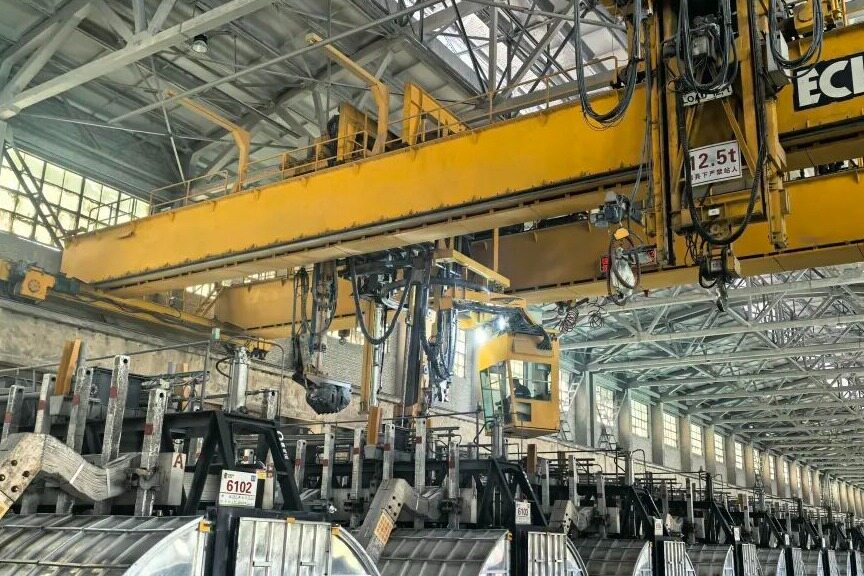
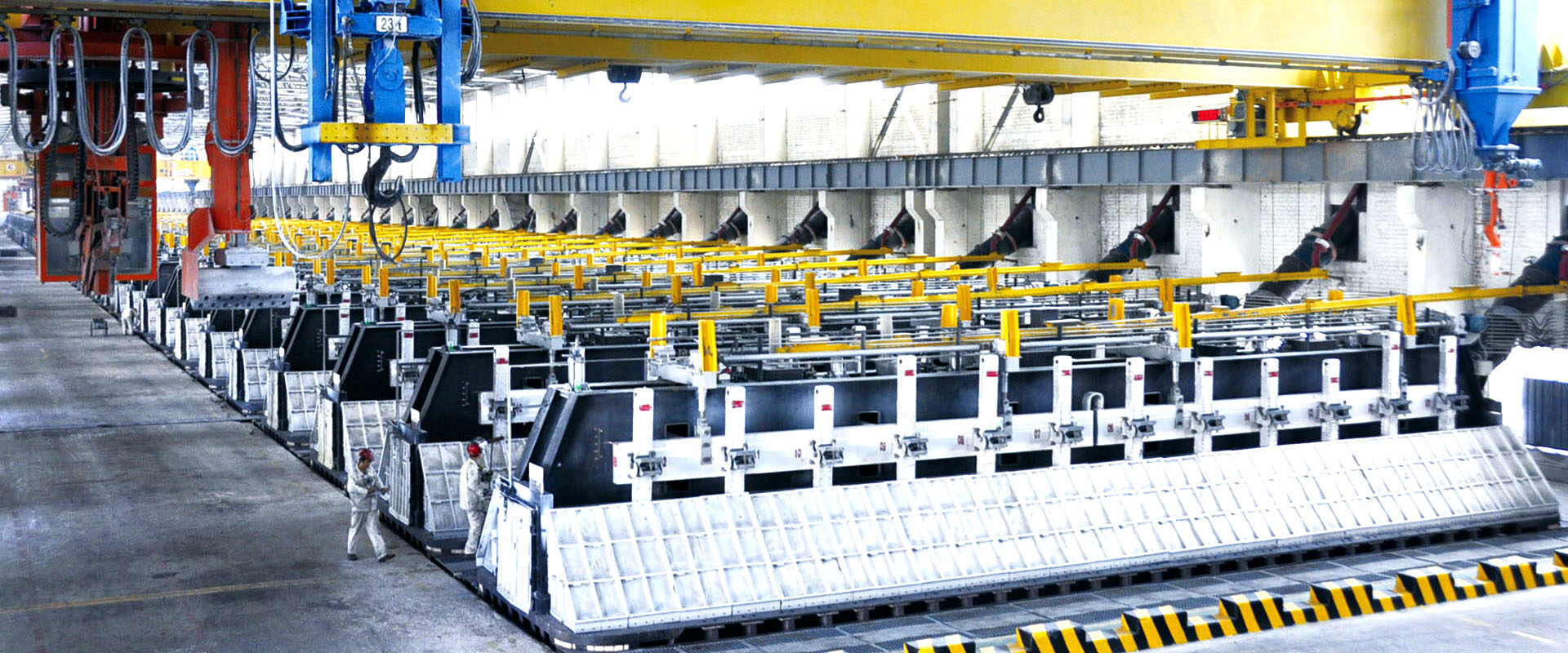
Recently, a batch of new electrolytic cell equipment is being unloaded from the dock at the North Maluku Vida Bay Industrial Park in Indonesia. The engineers of Tsingshan Group checked the installation site against the drawings - this is about to add an annual production capacity of 800000 tons of electrolytic aluminum. From a global nickel king to a rising star in the aluminum industry, Tsingshan Group's transformation was not a spur of the moment, but rather a complete replication of its three pronged strategy, which has been deeply rooted in Indonesia for over a decade, onto the aluminum industry chain.
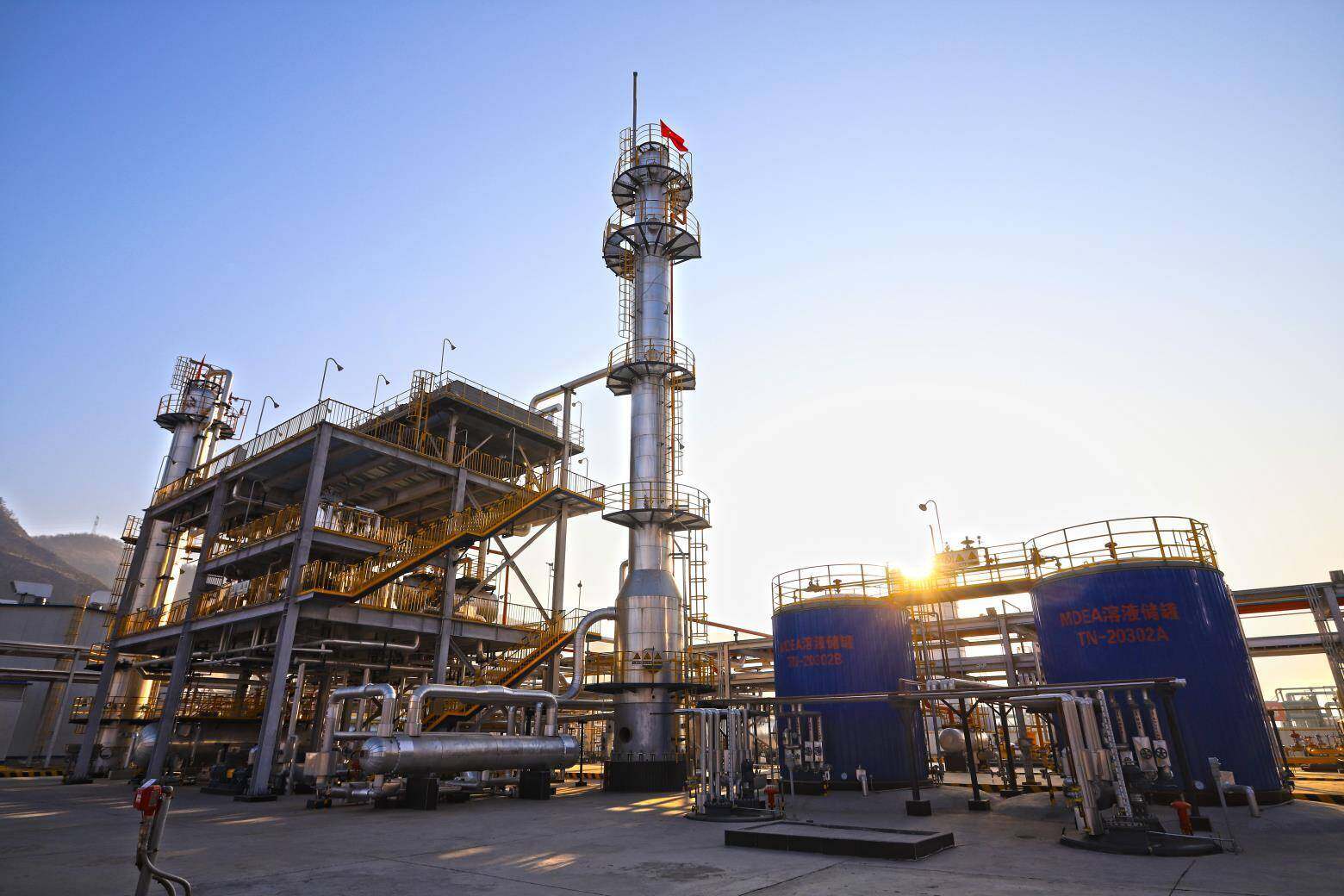
Three billion US dollars in Weida Bay
Tsingshan Group has invested 3 billion US dollars to construct an electrolytic aluminum project in two phases at the Weida Bay Industrial Park, with each phase producing 400000 tons, and also building its own supporting power plant. Combined with previous cooperation projects with Huafeng and Xinfa, Tsingshan Group's planned electrolytic aluminum production capacity in Indonesia has accumulated to 2.6 million tons, exceeding the 1.5 million tons planned by Indonesia's national aluminum industry. The project relies on the self built port in the park and nearby mines, achieving seamless connection between the ore from the ship to the factory, and significantly reducing the transportation radius.
Self built power plants lock in the door to electricity prices
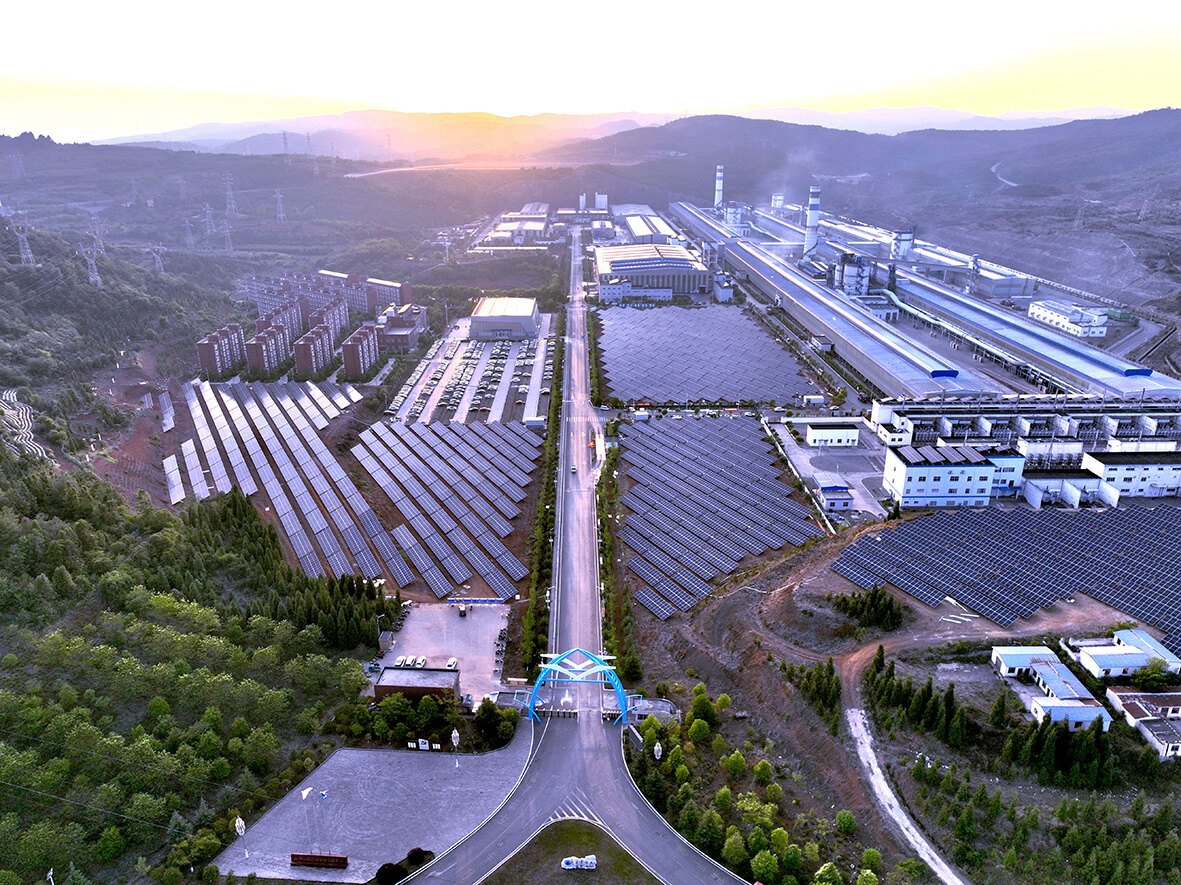
Electrolytic aluminum is a typical electric tiger, and the Indonesian power grid is scattered and unstable, making self built power plants the only solution. Tsingshan Group's industrial parks are all equipped with independent power plants, which not only ensure stable power supply, but also lock in the cost of electricity prices within a controllable range. The Indonesian government requires new coal-fired power plants to be equipped with about 23% new energy, which prolongs the approval cycle and increases the investment scale. However, Tsingshan Group still maintains significant advantages in cost control based on existing park infrastructure and localization experience. Keywords: the Belt and Road news network, electrolytic aluminum
The bauxite ban has spurred local smelting
Starting from June 2023, Indonesia will ban the export of bauxite, replicating the logic of the nickel ore ban of that year - locking in upstream resources and forcing out midstream and downstream industries through policies. At present, Indonesia's bauxite reserves are about 2.9 billion tons, with operational alumina production capacity of about 8 million tons and electrolytic aluminum production capacity of 1.55 million tons. The planned long-term electrolytic aluminum production capacity is as high as 9.4 million tons. When local demand is only 1 to 1.3 million tons, millions of tons of production capacity increment will inevitably point to exports, and China will be the largest buyer. From nickel to aluminum, Tsingshan Group is using the same combination of Chinese capabilities and Indonesian resources to rewrite the global supply map of non-ferrous metals.Editor/Gao Xue
Comment

 Praise
 Collect
 Comment

 Share
Share


Write something~