 Search


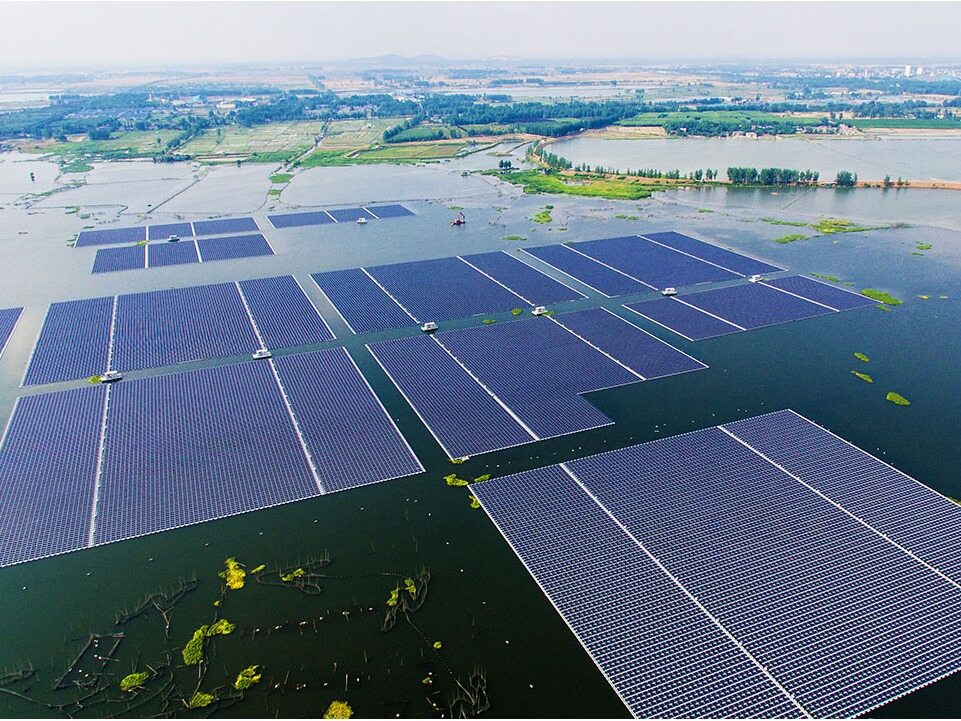
- This is the largest floating photovoltaic project that has been put into operation in Malaysia
The morning sun shines on the reservoir of Batangai hydropower station in Sarawak, Malaysia, with photovoltaic panels quietly floating on the water surface, converting tropical sunlight into clean electricity. This is the location of Malaysia's largest floating photovoltaic project and an important milestone for Chinese power companies to expand into Southeast Asia. Recently, the management rights of the Batang Ai Phase I photovoltaic project invested by State Power Investment Corporation were officially transferred to SPIC Southeast Asia Project Development Department, and a cross-border green energy cooperation is writing a new chapter here.
The internationalization strategy takes a crucial step forward
In early 2026, SPIC held a project handover ceremony in Sarawak, Malaysia, and the Batangai Phase I floating photovoltaic project was officially taken over and operated by SPIC Southeast Asia Project Development Department. This transfer is not only a simple change of management rights, but also a phased achievement of SPIC's international platform investment, construction, operation, and retirement integrated management strategy.
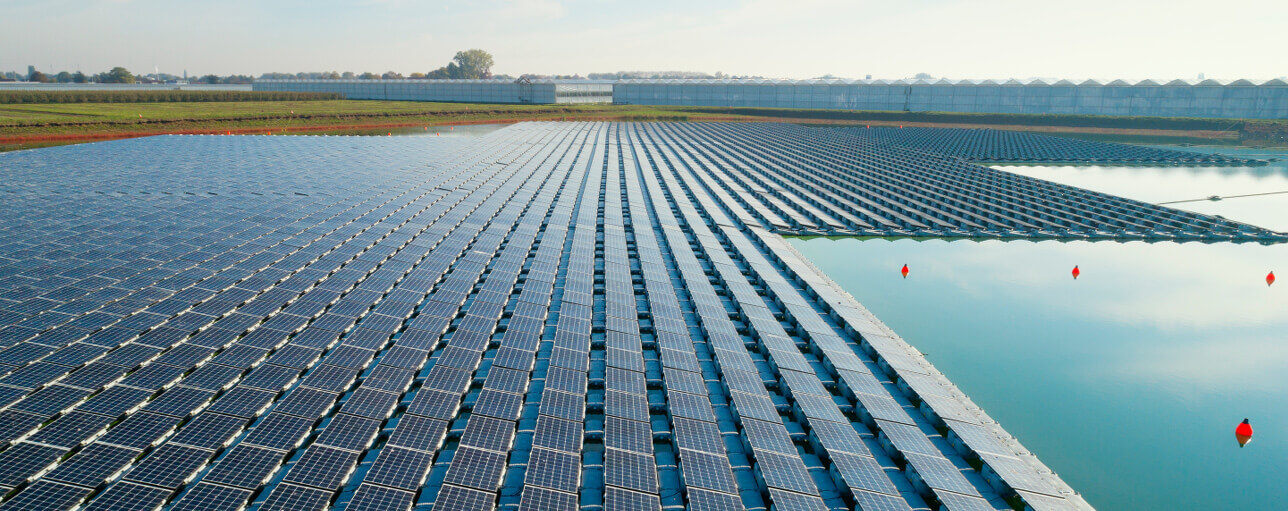
The relevant person in charge of SPIC stated that the Southeast Asian project development department will take this entrusted management as an opportunity to comprehensively promote the improvement of project operation quality and efficiency, and assist the group in deepening the implementation of the Southeast Asian regional development strategy. This marks a new stage in the layout of Chinese power companies in the Southeast Asian market, extending from simple investment and construction to full lifecycle operation and management.
50MW floating photovoltaic sets multiple records
The Batang Ai Phase I floating photovoltaic project is located in the Batang Ai hydropower station reservoir in Sarawak, Malaysia. With an AC installed capacity of 50MW, it is currently the largest floating photovoltaic project in operation in Malaysia and the largest single photovoltaic project invested and built by foreign investors.
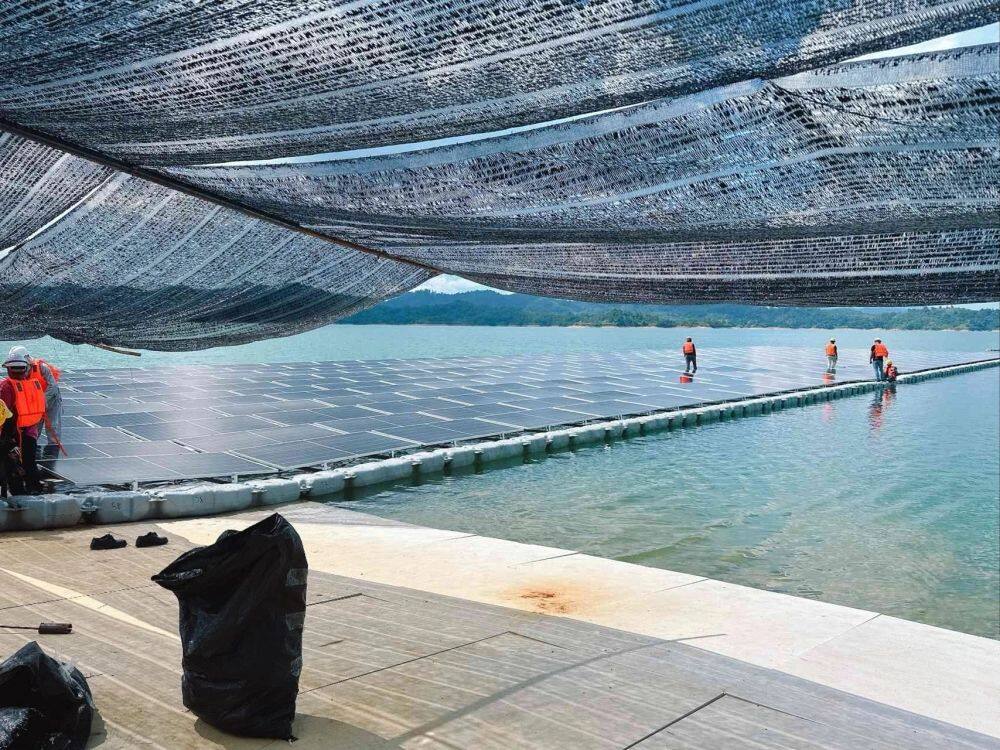
The project will achieve full capacity grid connected power generation on March 19, 2025, with an average annual power generation of about 93 million kilowatt hours, equivalent to saving about 30000 tons of standard coal and reducing carbon dioxide emissions by about 70000 tons per year. It is worth mentioning that these 50MW floating photovoltaics have been successfully integrated with the existing 108MW Batang'ai hydropower station, forming a stable and efficient hybrid renewable energy system with a total capacity of 158MW, achieving a synergistic effect of water solar complementarity.
A new model of energy cooperation between China and Malaysia
The successful implementation of this project is a vivid manifestation of the deep cooperation between China and Malaysia in the field of clean energy. In 2022, Trina Solar was awarded the contract by Sarawak Energy Company to be responsible for project construction and equipment supply. By February 2024, SPIC and Trina Solar have completed the transfer of controlling stake in the project, making it the first large-scale photovoltaic project in Malaysia to allow foreign ownership.
The Chief Minister of Sarawak stated at the project grid connection ceremony that this project fully reflects Malaysia's open attitude towards attracting international capital and accelerating energy transformation. Through cooperation with Chinese enterprises, Malaysia has not only obtained clean electricity, but also introduced advanced photovoltaic technology and project management experience, cultivating a group of technical talents in the field of new energy for the local area.
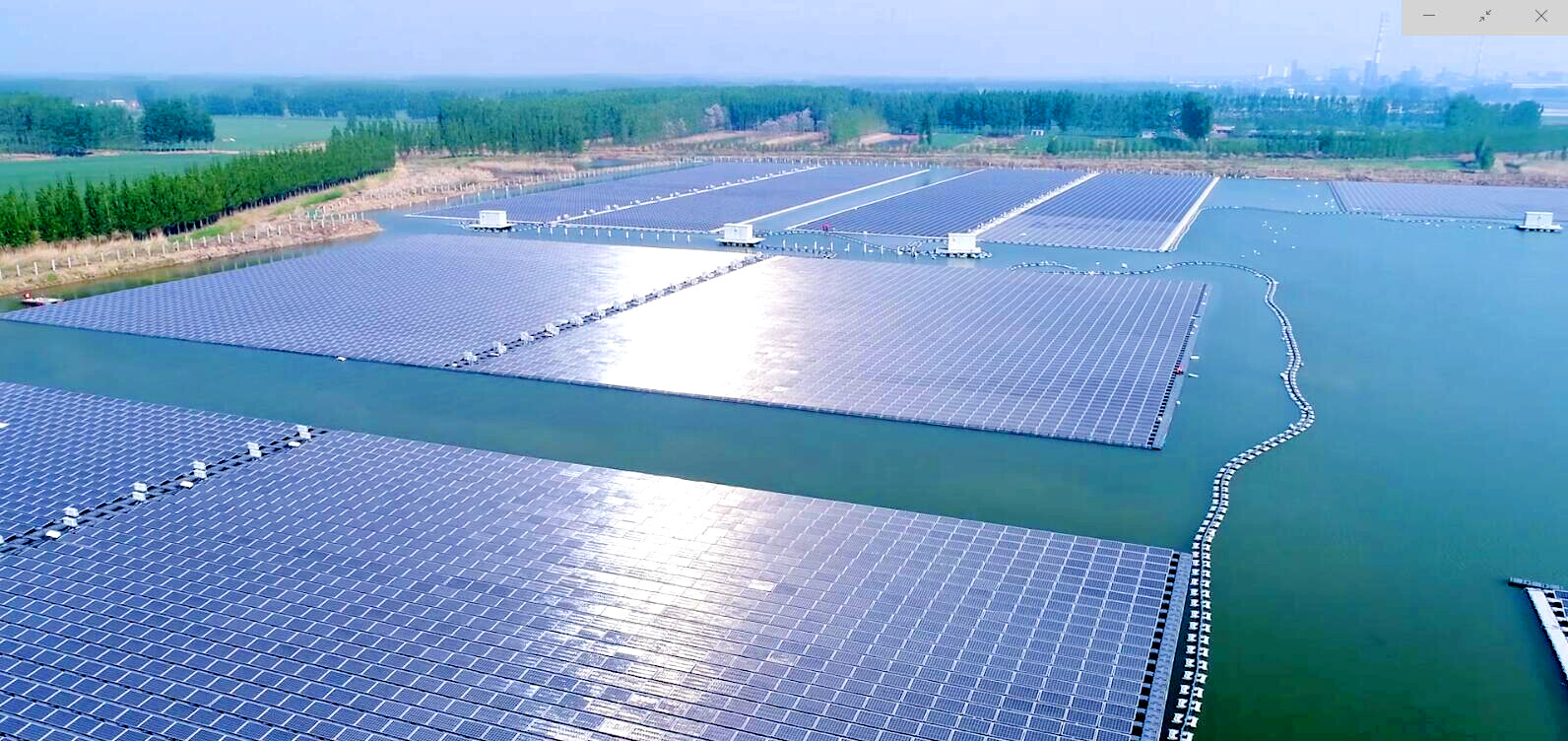
From investment and construction to operational management, from single projects to regional layout, SPIC's takeover of Malaysia's largest floating photovoltaic project is not only a successful practice of Chinese power companies going global, but also a concrete achievement of deepening cooperation between China and Malaysia in the field of clean energy. With the stable operation of the project, this floating photovoltaic matrix will continue to deliver green electricity to Malaysia and even the entire Southeast Asian region, writing a new chapter in energy transformation.Editor/Yang Meiling
Comment




 Praise
 Collect
 Comment

 Share
Share


Write something~