 Search


- This marks a highly anticipated major renewable energy project in the Middle East and even globally
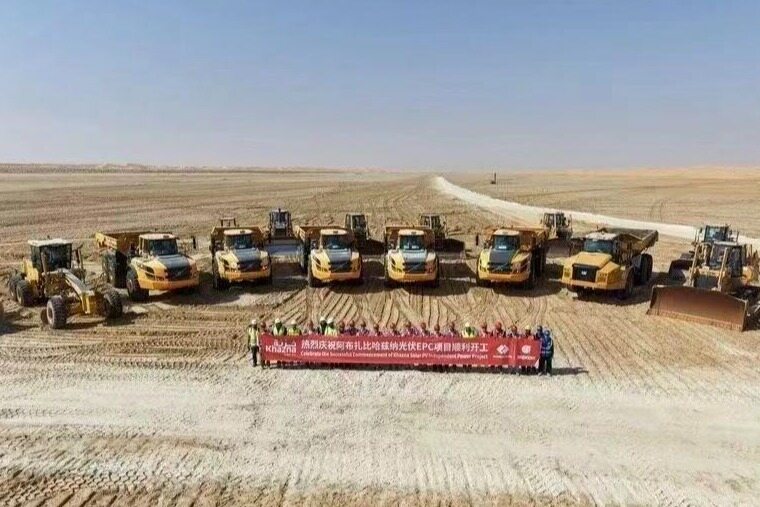
Recently, the Khazna 1.5GW photovoltaic power station project located in the Khazna region of Abu Dhabi, United Arab Emirates, officially held a project kickoff meeting and held a groundbreaking ceremony for the earthworks. This marks a new era in which this highly anticipated major renewable energy project in the Middle East and even globally has fully transitioned from the preparatory stage to physical construction and efficient execution.
The Hazna Photovoltaic Power Station is a large-scale independent power generation project with a designed installed capacity of up to 1.5GW on the AC side. Its DC side capacity has reached 1.807GW, and after completion, it is expected that the annual power generation will be sufficient to meet the electricity needs of about 160000 local households, reducing more than 2.4 million tons of carbon emissions for the UAE every year, with significant environmental benefits.
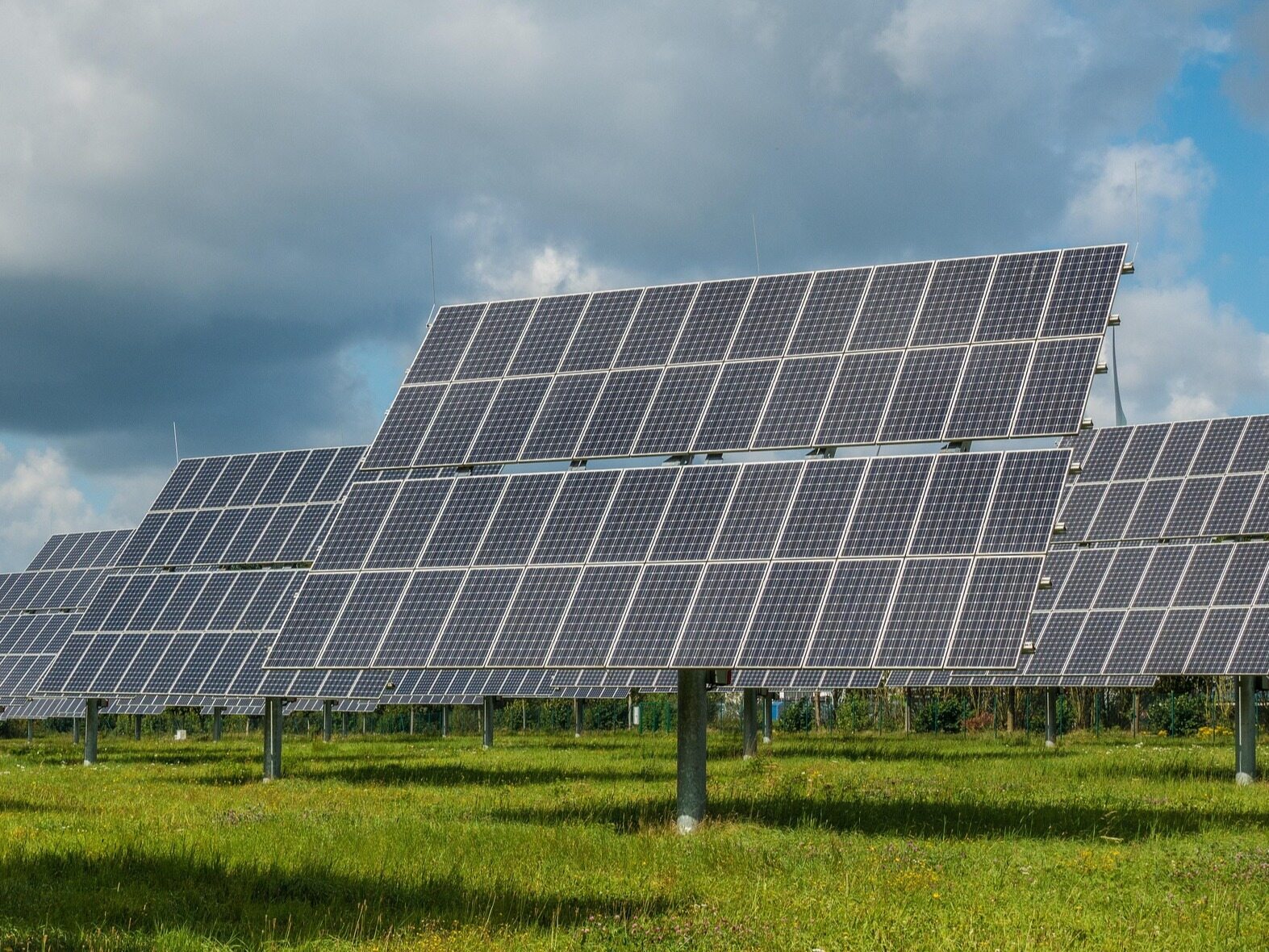
The project is planned to achieve full capacity grid connection by June 2028 and be put into commercial operation before August 31, 2028. The entire project not only includes a large-scale photovoltaic field area, but also includes key facilities such as supporting substations, switch stations, and overhead transmission lines. The main physical engineering quantity is astonishing, with a total excavation of about 9.56 million cubic meters of soil, installation of about 369000 photovoltaic support piles, and laying of 2.77 million high-efficiency photovoltaic modules.
The rapid advancement of this project is a substantive measure for the United Arab Emirates to implement its national energy transformation strategy. It directly serves the ambitious goal of Abu Dhabi Emirate to achieve a 50% share of renewable energy generation by 2030. As the fourth gigawatt level solar project under the UAE Hydro Corporation, the Hazna power station is also an important component of the UAE's overall energy plan to meet 60% of the country's electricity demand with clean energy by 2035.
Its construction will greatly optimize the local energy structure, reduce dependence on traditional fossil fuels, and consolidate the UAE's leadership position in the green energy sector in the Middle East. The successful implementation and execution of the project depend on a strong international alliance. The project was won and developed by a consortium consisting of Masdar, a future energy company under the UAE sovereign fund, and ENGIE, a French global energy giant. The two parties hold 60% and 40% of the shares, respectively. The core commercial foundation of this project is the long-term power purchase agreement signed between the UAE State owned Water and Electricity Company and EWEC, with a term of up to 30 years, providing a solid guarantee for the long-term stable income and bank financing of the project.
In terms of construction, the elite team under China Electric Power Construction Group Co., Ltd. takes the lead. The project is led by Shandong Electric Power Construction Third Engineering Co., Ltd. of China Electric Power Construction Group and formed a close joint venture with Guiyang Survey and Design Institute Co., Ltd. to jointly undertake the EPC general contracting responsibility. Among them, Guiyang Institute and Oasis Company are responsible for the main design work of the project. It is worth noting that this is the largest installed capacity photovoltaic power station project undertaken by Shandong Electric Power Construction Third Company, and it is also its first time operating a close joint venture model as the leading party, which can be regarded as an important milestone in its international engineering contracting history.
Longi provides support as a photovoltaic technology supplier. With the successful convening of the project kickoff meeting and the official commencement of earthworks, all on-site work has been carried out in an orderly and comprehensive manner. The project kickoff meeting means that the coordination mechanism for all aspects such as design, procurement, and construction has been officially established and is now operating at high speed. The start of earthworks marks the beginning of the foundation preparation for carrying millions of photovoltaic panels in this desert area, and the project has entered the visible substantive construction stage.
And recently, the project has also successfully completed financing closure, and all the necessary funds for the project have been secured. Please refer to the previous article: UAE 1.5GW photovoltaic project completed financing closure, with China Power Construction EPC and Longi supplying components. The completion of the Hazna 1.5GW photovoltaic power station will not only provide a large amount of clean electricity to the UAE, but also become a model for global energy transformation cooperation. It showcases the strong alliance of sovereign capital from Gulf countries, European energy technology, and China's engineering and construction capabilities, jointly contributing key forces to addressing the challenges of climate change and building a sustainable future. Every step of the project's progress deserves continuous attention from the global energy industry.Editor/Bian Wenjun
Comment

 Praise
 Collect
 Comment

 Share
Share


Write something~