 Search


- Hanoi, Vietnam launches $55.4 billion rail transit 'big cake', CRRC Dalian invited to participate deeply

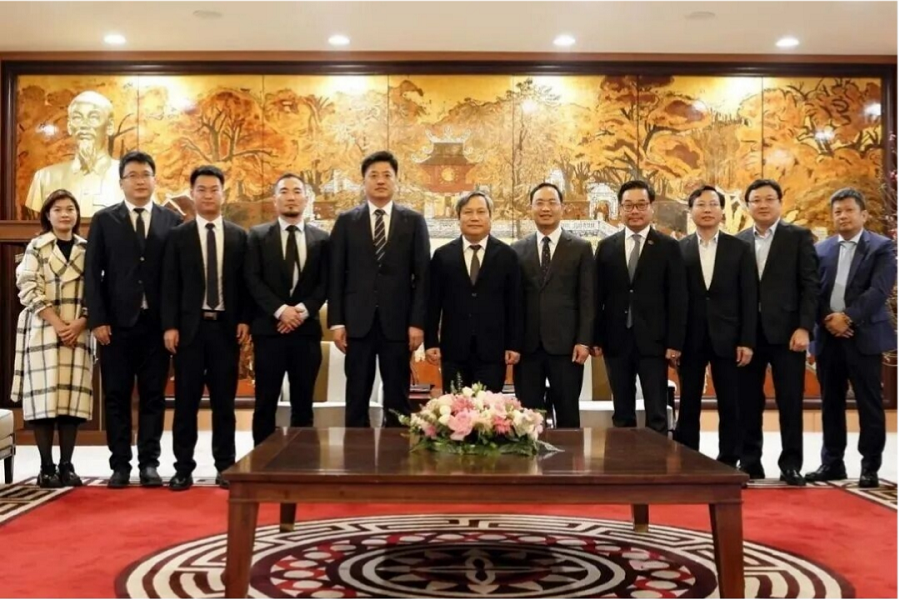
On February 5, 2026, a dialogue about Vietnam's future transportation network was taking place in the office of Wu Dasheng, Vice Chairman of the Hanoi Municipal People's Committee. Faced with Gao Gaode, the General Manager of CRRC Dalian, Wu Dasheng not only extended an olive branch for cooperation, but also laid out a grand blueprint: by 2045, Hanoi will build a rail transit network with a total mileage of about 600 kilometers and a total investment of up to 55.4 billion US dollars. This is not only a major overhaul of Vietnam's infrastructure, but also a crucial step for China's rail transit technology to deeply integrate into the Southeast Asian market.
The 'midlife crisis' and billion dollar opportunities of Vietnam's railway industry
The current situation of the fleet of Vietnam National Railways (VNR) is not an exaggeration to describe as "worrying". Many locomotives and vehicles have been in service for over 40 years, not only outdated in technology, but also posing serious safety hazards. In response to this crisis, the Vietnamese government has formulated an ambitious infrastructure plan. According to VNR estimates, by 2050, Vietnam's total demand for locomotives and vehicles may reach nearly 16800 units, with a production and assembly market value of approximately 251 trillion Vietnamese dong (approximately 9.67 billion US dollars). The planned North South high-speed railway alone is expected to require 125 electric multiple units (EMUs) worth approximately 13.75 trillion Vietnamese dong (approximately 5.3 billion US dollars). This huge market demand provides a broad stage for Chinese enterprises with advanced technology and mature experience.
Localization Strategy and Standard Output of CRRC Dalian
In this meeting, Wu Dasheng not only welcomed CRRC Dalian to further participate in the construction of Hanoi rail transit, but also put forward deeper cooperation requirements: inviting CRRC Dalian to assist in formulating relevant railway standards for Hanoi and Vietnam. This move means that Chinese technology will evolve from a mere equipment supplier to a rule maker in the industry. At the same time, Wu Dasheng encourages CRRC Dalian to expand localized production, improve localization level, and carry out technology transfer. CRRC Dalian has shown strong interest in this and stated that it is working with Vietnamese partners to prepare for the construction of a railway industrial park in Hanoi. It is worth noting that CRRC Dalian has recently won the light rail supply project for Phu Quoc Island in Vietnam, and its momentum in the Vietnamese market is strong, laying a solid foundation for further deepening cooperation.
The transition from "buying a whole car" to "making parts"
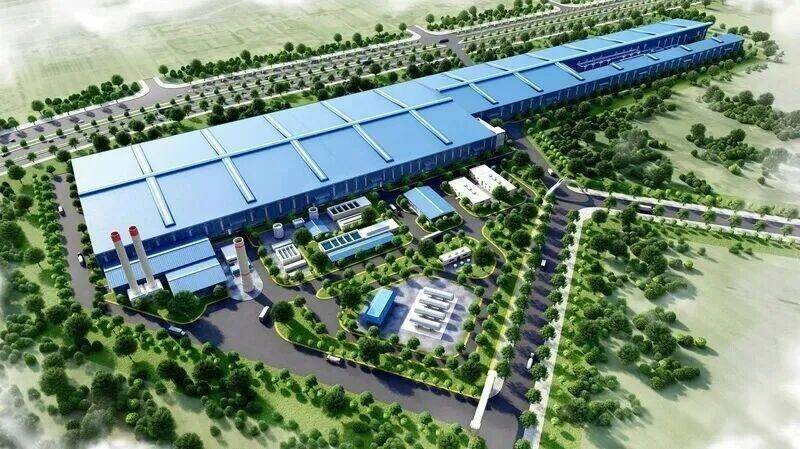
In order to rebuild domestic railway manufacturing capacity, Vietnam National Railways Corporation (VNR) submitted a heavyweight proposal to the government in early January: to build a railway industrial park covering an area of about 250 hectares in the suburbs of Hanoi. The initial investment in the park is estimated to exceed 17.5 trillion Vietnamese dong (approximately 674.37 million US dollars), and will include multiple functional areas such as assembly lines, maintenance facilities, and parts manufacturing. The construction of this park marks the shift of Vietnam's railway industry from simple equipment imports to local manufacturing and full industry chain development. The deep participation of CRRC Dalian will not only help Vietnam improve its manufacturing level, but also enable Chinese enterprises to establish a more stable supply chain and industrial ecosystem in the Southeast Asian market.Editor/Yang Meiling
Comment


 Praise
 Collect
 Comment

 Share
Share


Write something~