 Search


- Tashkent's agreement is reshaping the logistics map of the Eurasian continent
- When the railway leaders of Uzbekistan, Azerbaijan, and Georgia put down their signature pens, the Trans Caspian International Transport Corridor is no longer just an alternative route around Russia
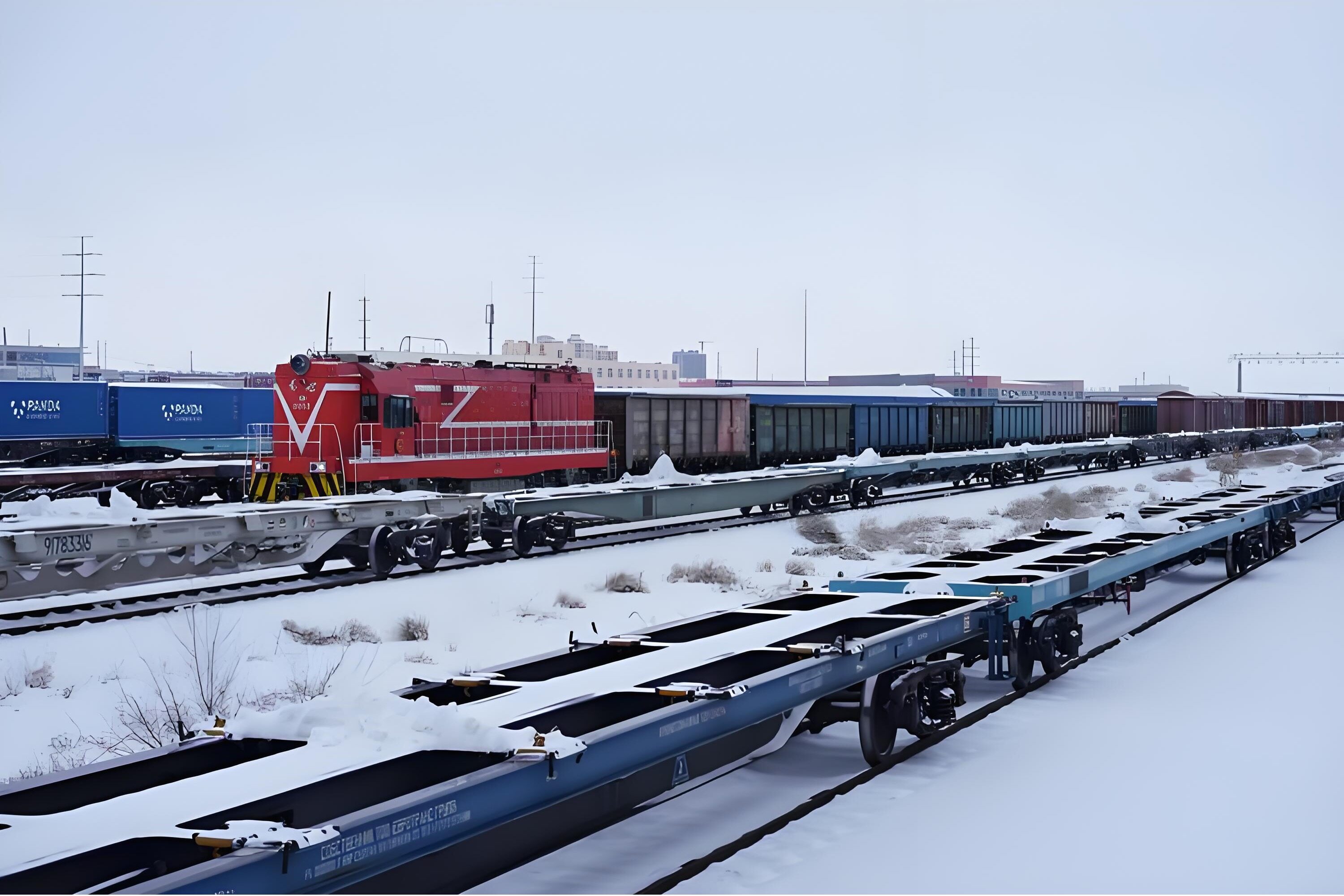
Recently, an agreement in Tashkent has tightly tied the fate of railways in Uzbekistan, Azerbaijan, and Georgia. This is not only a commercial contract, but also a profound reconstruction of Central Asian geopolitical logistics.
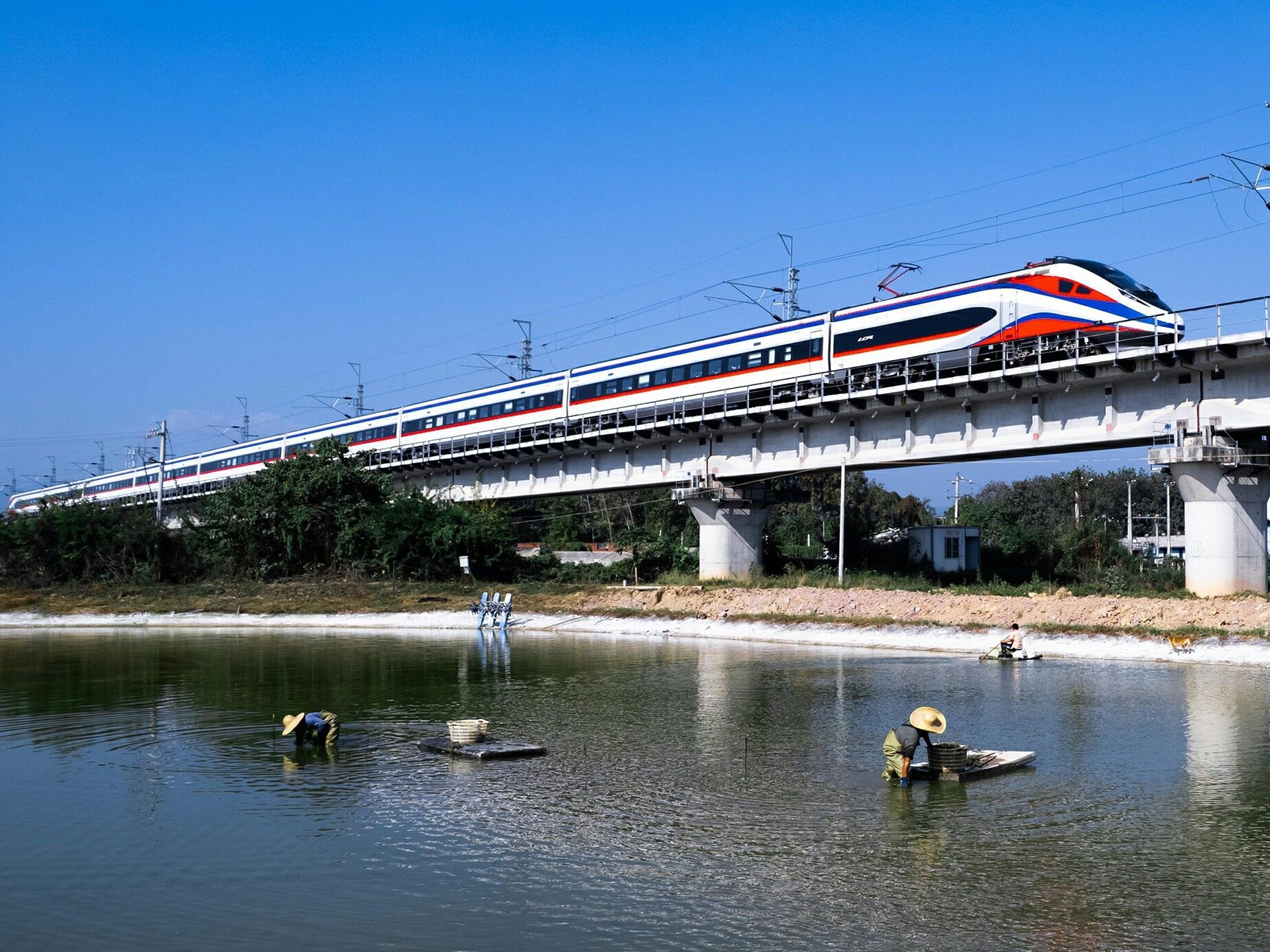
The entry of Uzbekistan has solved the biggest puzzle of TITR. As a 'dual landlocked country', Uzbekistan is surrounded by layers of land and has historically relied heavily on the railway network of its northern neighbors. However, with the official launch of the China Kyrgyzstan Uzbekistan railway at the end of 2024, the deadlock was broken. This steel dragon, with a total length of 523 kilometers, starts from Kashgar, Xinjiang, China and extends straight to Andijan, Uzbekistan.
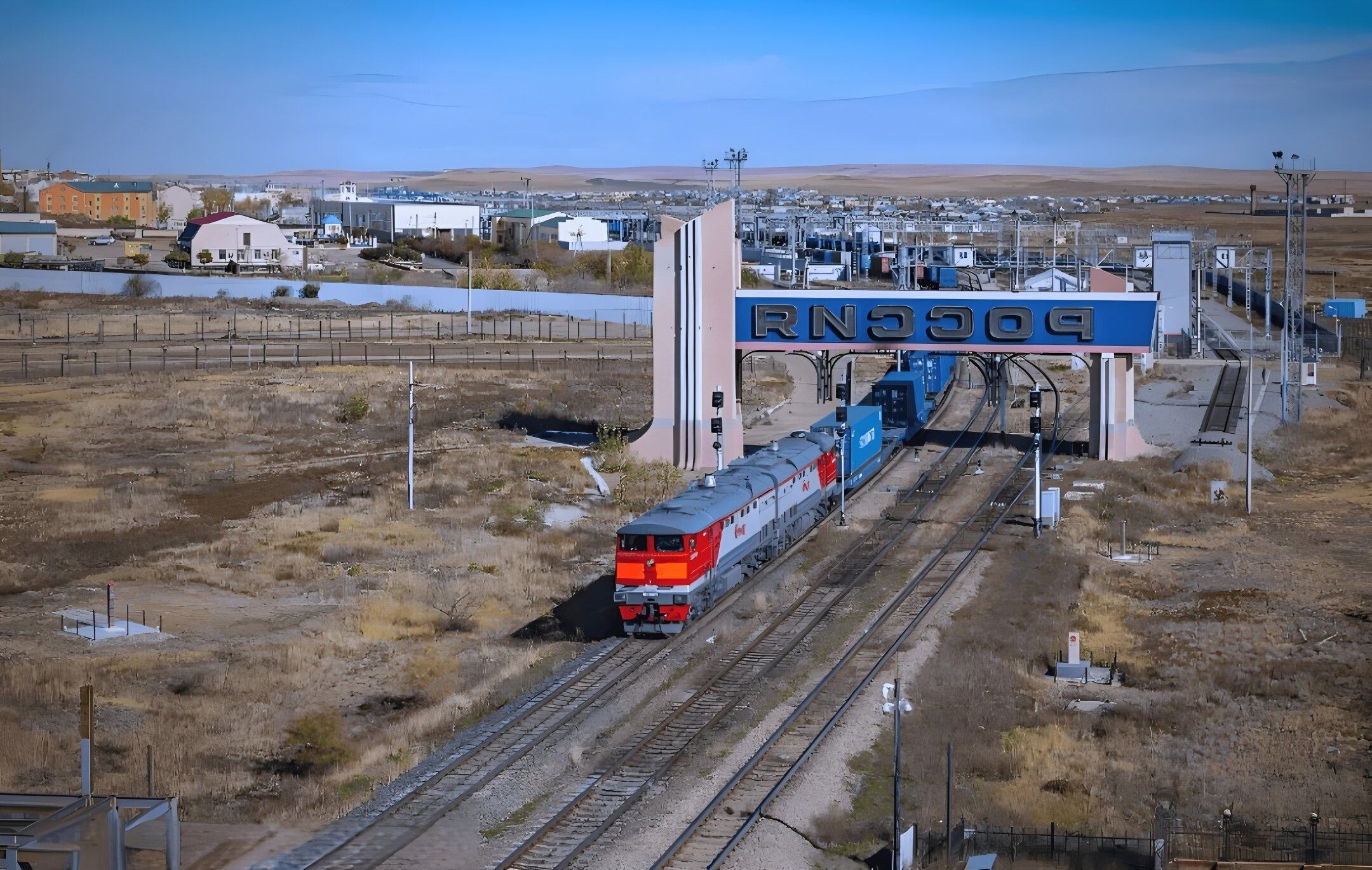
What is even more exciting is the construction schedule - it is expected to be completed by 2028, which is two years ahead of the original plan. Once completed, the transportation distance from China to Europe will be shortened by over 1000 kilometers. Uzbekistan is no longer just a passing observer, but has become a key hub connecting China and the Caspian Sea. The goods can pass through Aktau Port in Kazakhstan to the north and Bachi Port in Turkmenistan to the south, eventually converging in Baku, Azerbaijan and heading straight to Europe.
The 'shallows' of the Caspian Sea and the infrastructure frenzy
Ideal fullness, reality but bone feeling. The Caspian Sea, a blue hub connecting Europe and Asia, has an average depth of only 180 meters, with the northern part being as shallow as 5-6 meters. Large cargo ships can only sigh at the ocean. Insufficient water depth was once the biggest bottleneck restricting the transportation capacity of the middle corridor.
But change is happening. Kazakhstan has launched large-scale dredging projects at the ports of Kulik and Aktau, with the goal of reaching a navigation standard of 5 meters deep; The EU also generously donated 10.4 million euros to help modernize ports. At the same time, Azerbaijan Railway Company completed the renovation of the Georgian section of the Baku Tbilisi Kars (BTK) railway, with an annual freight capacity soaring from 1 million tons to 5 million tons.
This is a race against time. When the shortcomings of the infrastructure are addressed one by one, this former "alternative plan" truly has the confidence to challenge the traditional northern route.

The qualitative change from 'spare tire' to 'aorta'
The chemical reaction of regional cooperation is undergoing fission. At the Tashkent Summit in November 2025, Azerbaijan was officially invited to join the Central Asian Cooperation Mechanism, breaking its geographical boundaries with political mutual trust. As President Aliyev said, the improvement of infrastructure is a prerequisite for deepening cooperation; President Mirziyoyev emphasized that unity is the only remedy for dealing with complex international situations.
Data does not lie. European Commissioner Marta Coase pointed out that since 2022, the freight volume in the intermediate corridor has increased fourfold and is expected to double again by 2030. At present, it takes about 15 days to travel to Europe via this route, which is slightly longer than the northern route of Russia, but far exceeds the 30-40 days of sea transportation. Keywords: the Belt and Road, Uzbekistan, Tashkent
More importantly, its' safe haven 'value. In the current era of global supply chain restructuring and frequent conflicts, a reliable channel that does not pass through geopolitical hotspots is itself an invaluable strategic asset. The Trans Caspian Corridor is growing from an awkward "alternative option" to an indispensable "main channel" for Asia Europe trade.Editor/Cheng Liting
Comment




 Praise
 Collect
 Comment

 Share
Share


Write something~