 Search


- Shenzhen Planning Institute and Dubai City Hall sign strategic memorandum at World Government Summit
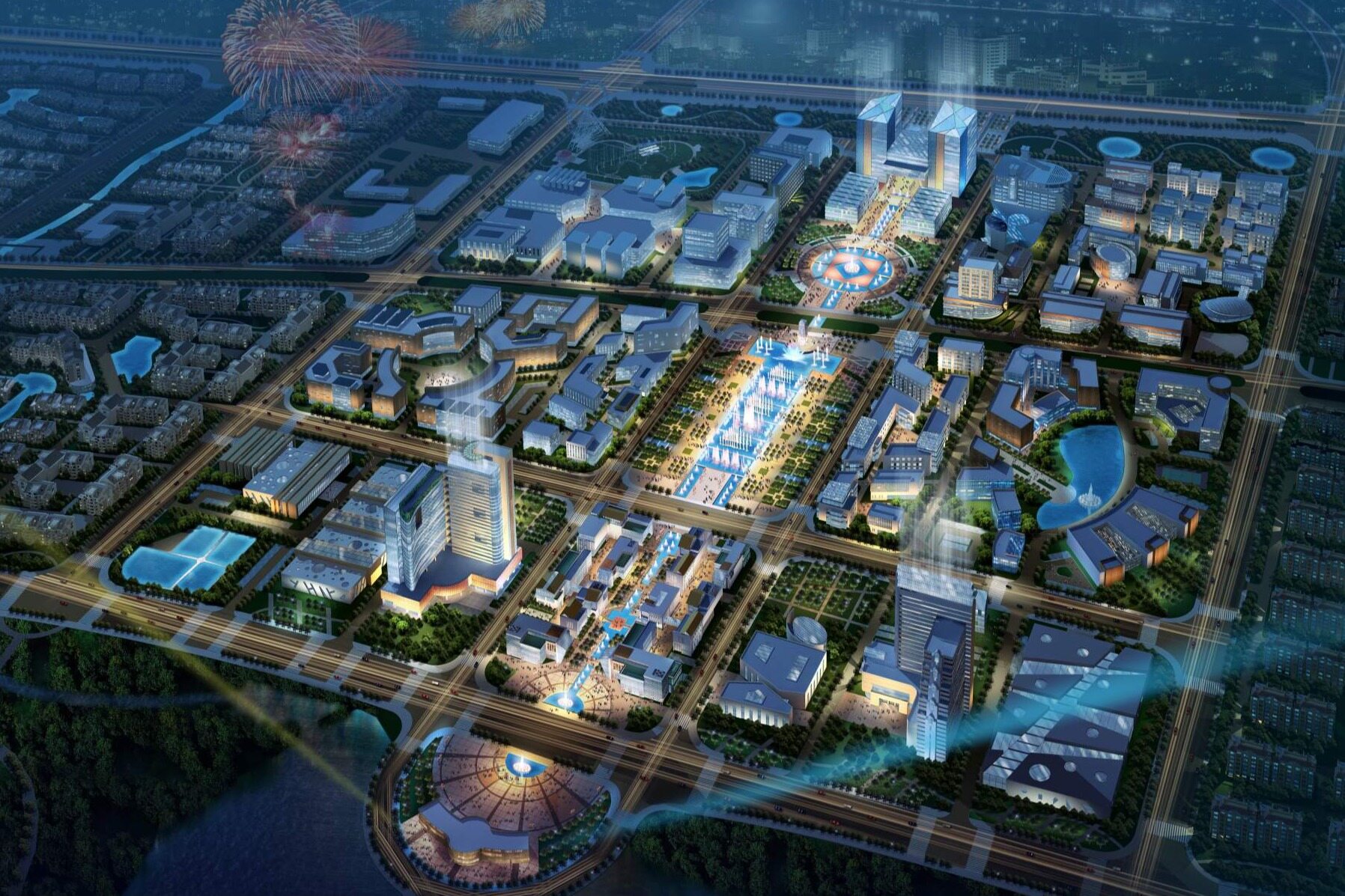
On February 11, 2026, at the Dubai World Government Summit, a memorandum of strategic cooperation between the Chinese and Arab cities tightly linked Shenzhen's planning wisdom with Dubai's future vision.
At the moment of signing their names, both Yu Lu, Chairman of Shenzhen Urban Planning and Design Institute, and Marwan Ahmed bin Galita, Executive Director of Dubai City Hall, knew that this was not a simple institutional signing, but a two-way journey for two young cities to explore the future path of urban governance.
Anchor the cooperation framework
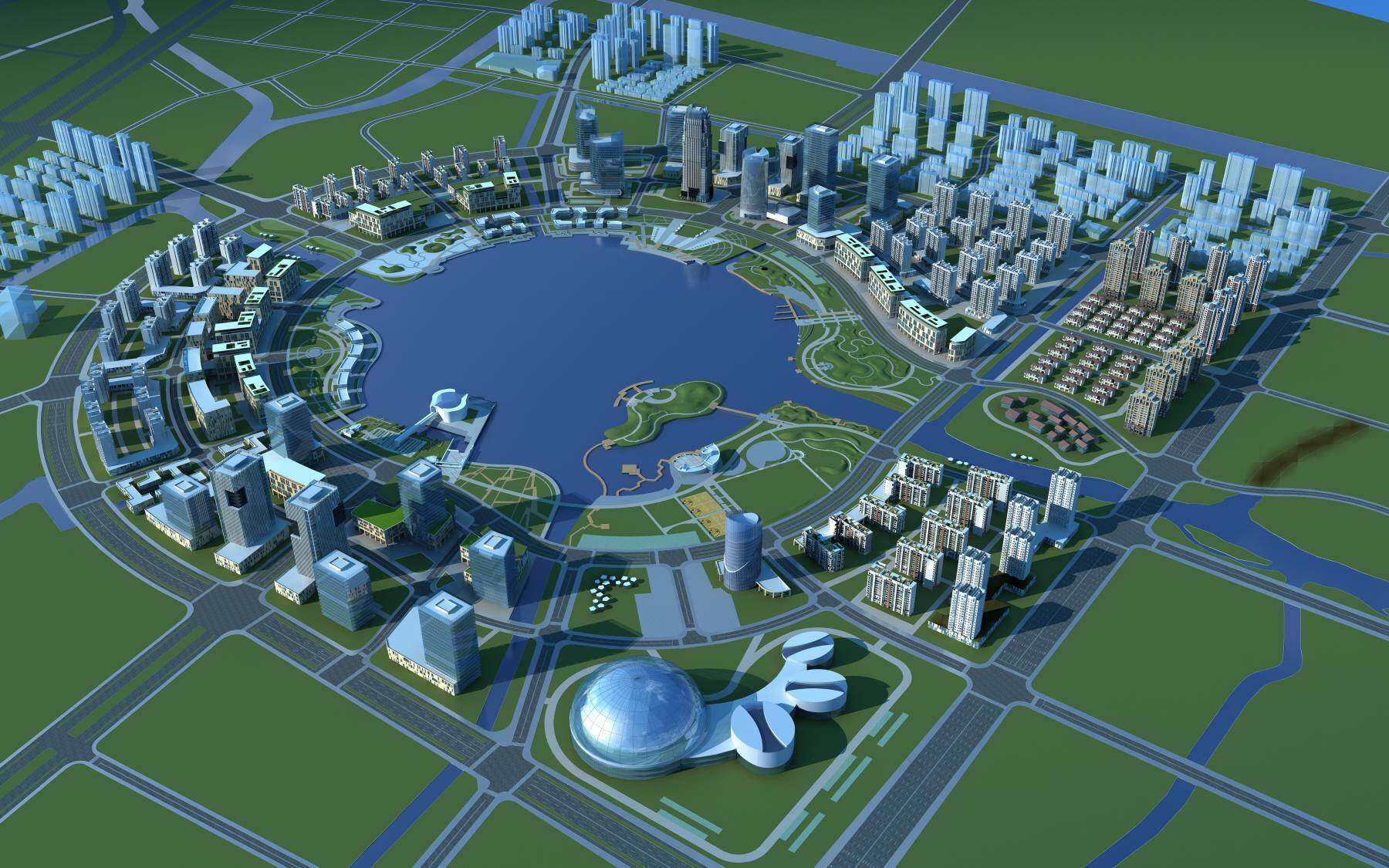
According to the strategic cooperation framework between the two parties, Shenzhen Planning Institute and Dubai City Hall will carry out in-depth cooperation in four major areas: urban planning and design, smart and sustainable urban development, low-carbon urbanization practice, and advanced infrastructure system construction.
This is not a broad concept output. Both parties clarify that the cooperation will directly anchor specific urban projects, embedding cutting-edge concepts into the entire process of planning, design, construction implementation, and operational governance. From macro spatial layout to micro municipal details, the Shenzhen experience will be tested by the Dubai scenario, and Dubai demand will also drive the iterative upgrading of Shenzhen's technology in reverse.
From concept to toolbox
The memorandum outlines multiple priority pilot directions for promotion. The core tools that have been repeatedly validated in Shenzhen's rapid urbanization process over the past forty years, including the bus oriented development model, compact city concept, sponge city system, low-carbon city strategy, and smart city planning and design methods, will move from the theoretical discussion area to the actual construction site in Dubai.
On a technical level, the collaboration will introduce advanced spatial analysis and data-driven planning tools. Both parties plan to integrate next-generation information and communication technology, integrated underground space planning, and intelligent water management systems based on artificial intelligence and big data to develop complete solutions for global urban diseases such as population growth, climate adaptation, and resource constraints.
The common goal of these technologies is very clear: to make urban infrastructure smarter, more resilient, and more understanding of people.
Similar starting point, same frequency transformation
Dubai City Hall Executive Marwan Ahmed bin Galita stated after signing the contract that Dubai is adopting an open attitude to absorb advanced urban experience from around the world. He believes that collaboration with Shenzhen Institute of Urban Planning will greatly enhance Dubai's professional capabilities in the fields of smart cities and sustainable development, and help build a people-oriented, efficient, and resilient urban environment.
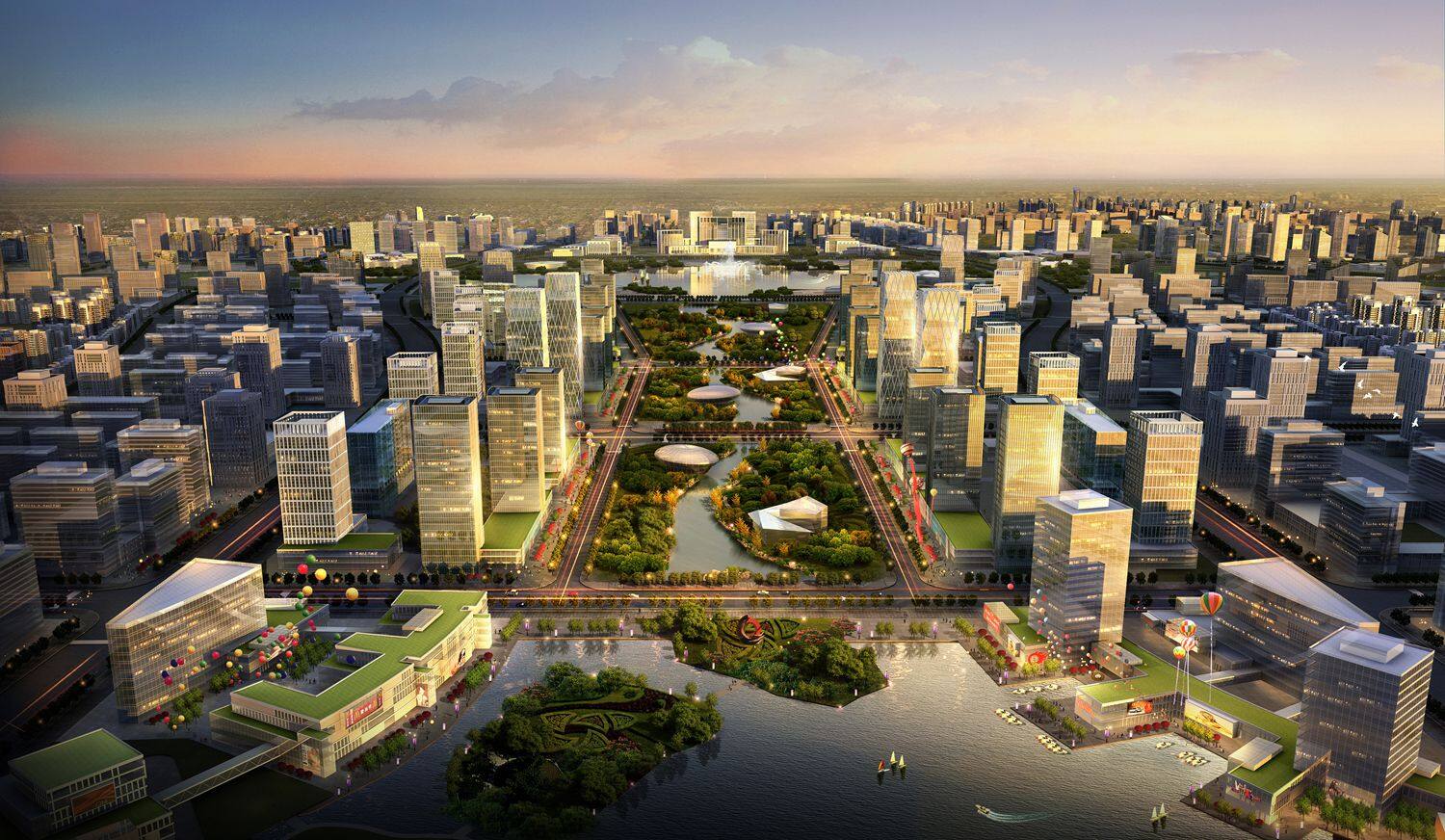
Yu Lu, Chairman of the Shenzhen Institute of Urban Rural Development, pointed out the deep logic of this cooperation: Shenzhen and Dubai, two cities with similar urban histories, highly intensive spatial patterns, and short but intense urbanization processes, are now standing on the same starting line of technological innovation and sustainable transformation. Keywords: latest news on interconnectivity, interconnectivity news website
This similar growth trajectory provides a common language for both parties that does not require translation. The signing of the memorandum on the World Government Summit platform not only establishes an institutionalized framework for professional collaboration, but also opens up new space for regular dialogue between Shenzhen and Dubai in broader urban development areas.Editor/Gao Xue
Comment





 Praise
 Collect
 Comment

 Share
Share


Write something~