 Search


- Guangzhou is accelerating the green transformation of its energy structure
On January 28, 2026, the Development and Reform Commission of Guangzhou officially issued the "Guangzhou Key Construction Project Plan for 2026". Behind this weighty document is the energy game that Guangzhou has laid out for its development in the next decade. When night falls, the lights on both sides of the the Pearl River are bright, and the city is saving energy for a brighter future.
The energy ambition behind 971 projects
In 2026, Guangzhou plans to arrange 971 key construction projects with an annual planned investment of 380.2 billion yuan, including 851 formal projects and 120 preparatory projects. Electric power projects have become the most prominent part of this list, including Zengcheng Wanglong Gas Power Replacement Project, Baiyun Hengyun Natural Gas Power Generation, 18 new energy storage power stations, the Pearl River Power Plant 2 × 600MW coal power environmental protection replacement project, as well as the ± 800kV UHV DC transmission project (Guangzhou section) from Southeast Tibet to Guangdong Hong Kong Macao Greater Bay Area and other major projects.
These projects do not exist in isolation, but are a crucial part of Guangzhou's construction of a new power system. As a manufacturing and digital economy hub, Guangzhou's demand for electricity continues to rise, and traditional coal-fired power is no longer able to meet the requirements of high-end industries and dual carbon targets. The gas electricity substitution project will gradually replace traditional coal-fired power with cleaner natural gas power generation, reducing carbon emissions and improving power supply stability.
Urban 'power bank'
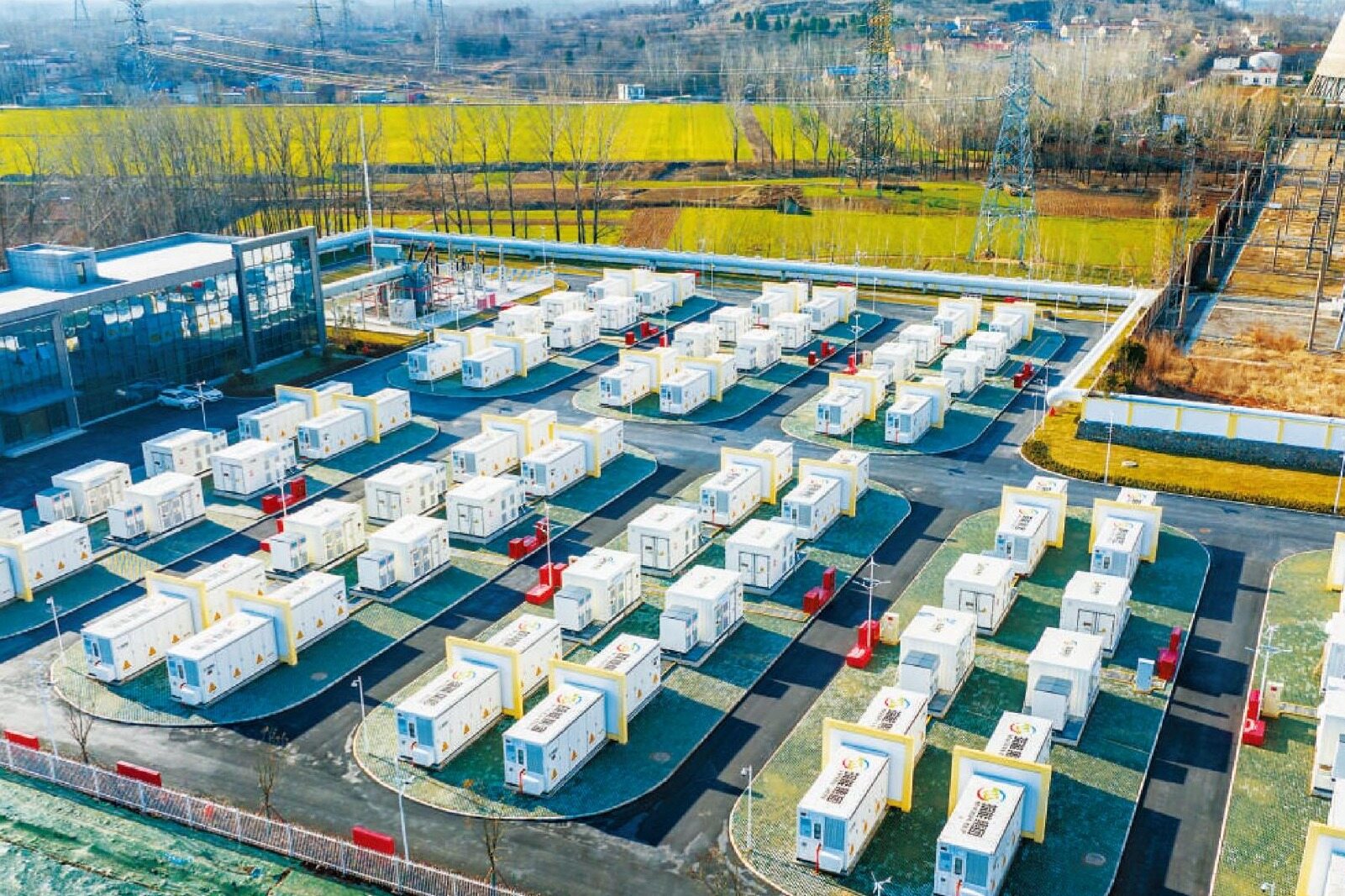
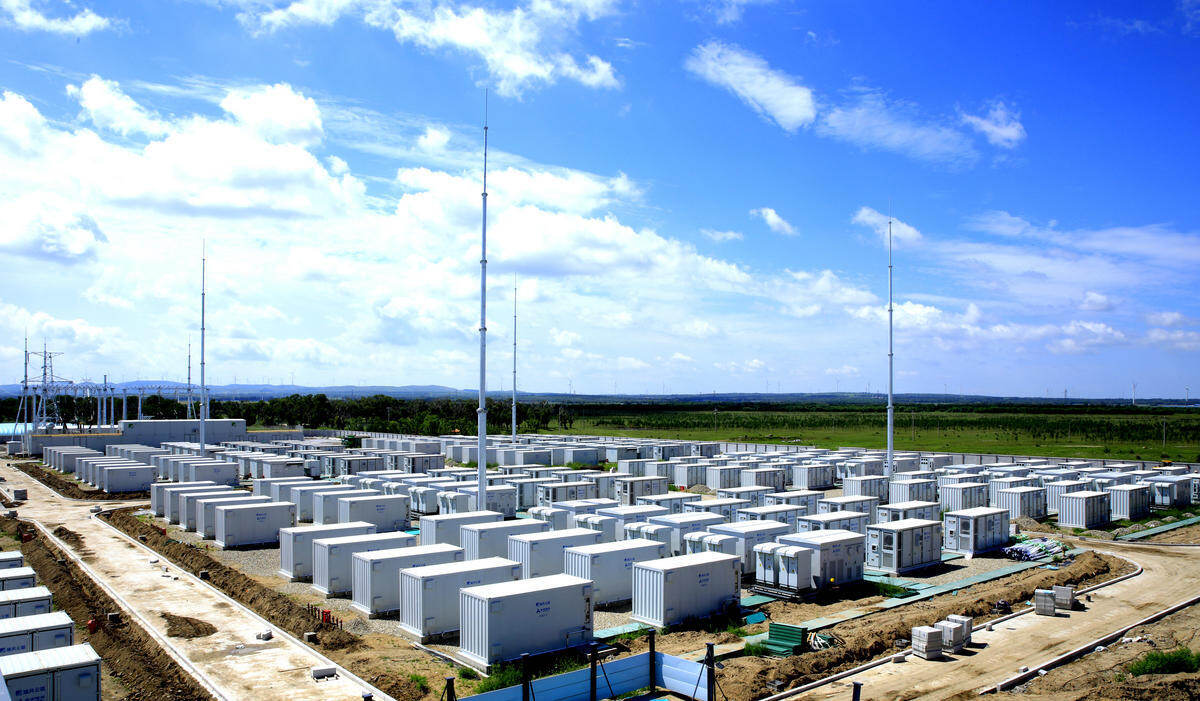
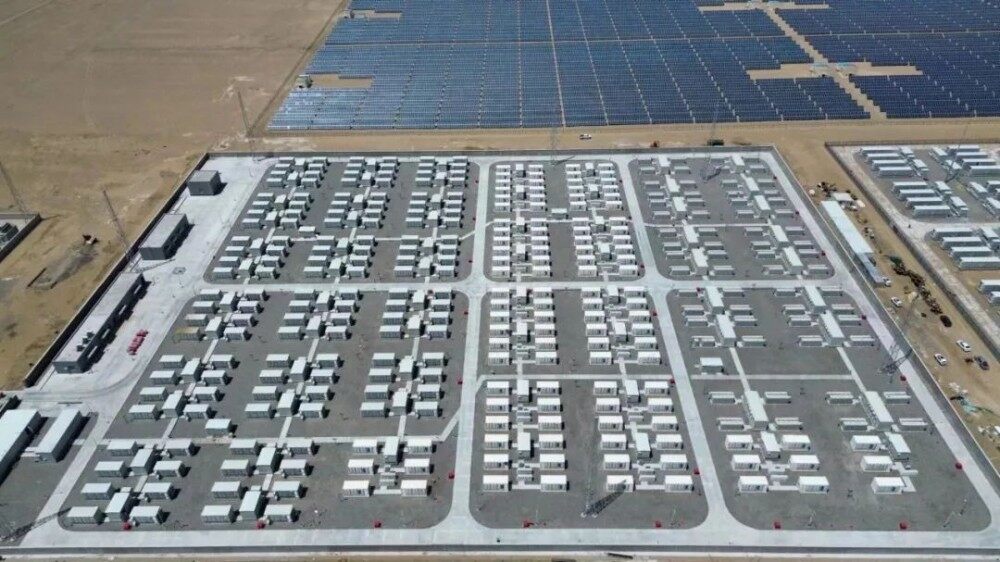
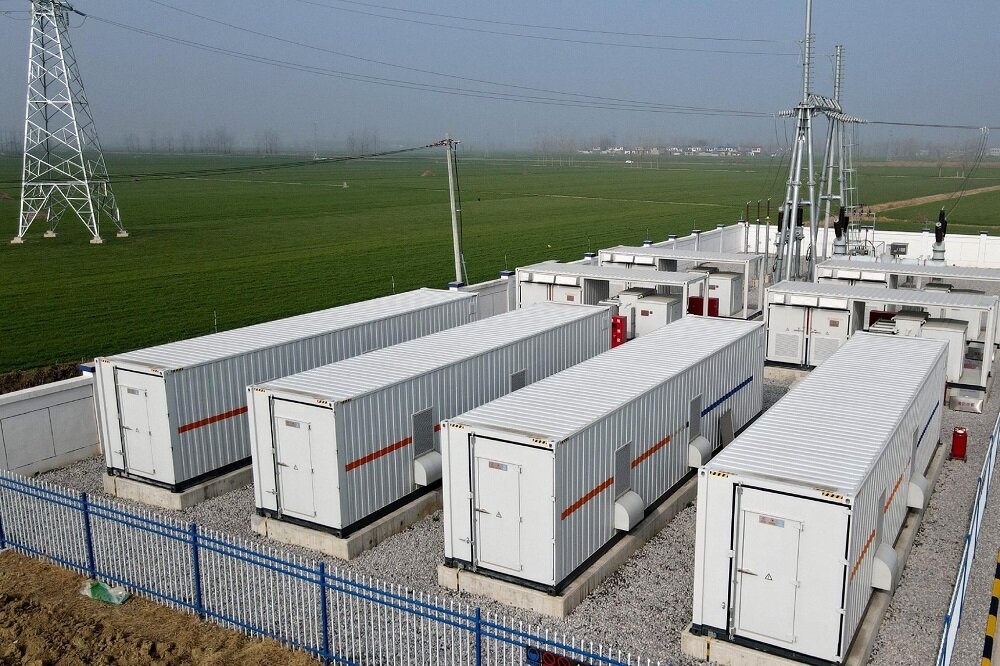
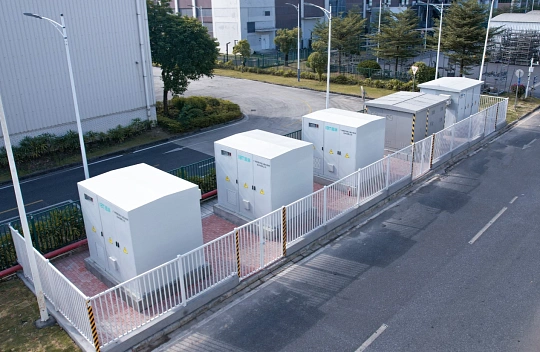
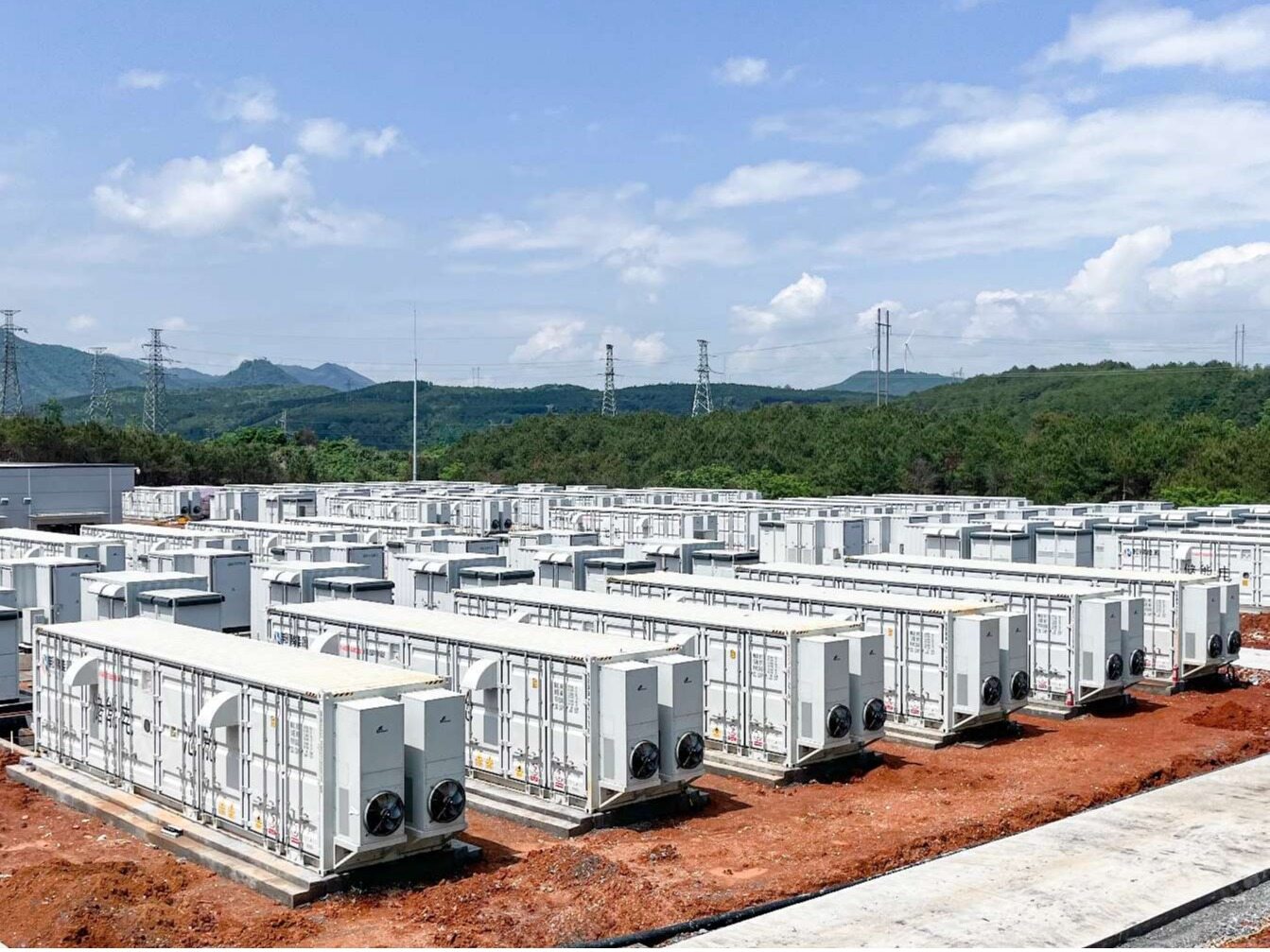
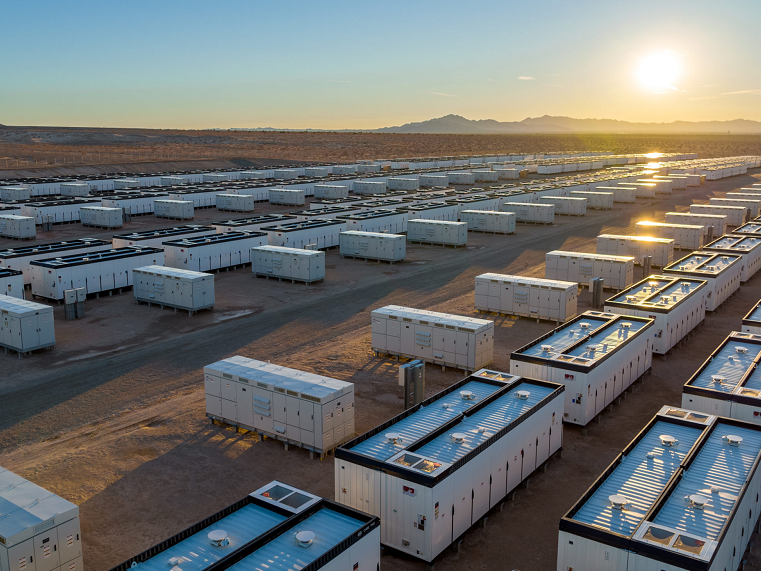
The construction of 18 new energy storage power stations is a key measure for Guangzhou to address the instability of new energy generation. With the rapid growth of installed capacity of new energy such as photovoltaics and wind power, solar and wind energy are greatly affected by weather, sometimes resulting in excess electricity and sometimes insufficient supply. Energy storage power stations are like large "power banks" that store electricity when there is surplus and release it during peak usage periods, effectively smoothing out fluctuations in the power grid.
The centralized layout of these energy storage power stations marks Guangzhou's preparation for larger scale integration of new energy. They will become the core nodes for building a new type of power system, providing cities with more flexible and reliable power regulation capabilities. In the future, as more photovoltaic panels are laid out on rooftops and more wind turbines rotate in the suburbs, these energy storage stations will ensure that every kilowatt hour of clean electricity can be fully utilized.
The green artery of West East power transmission
The construction of the ± 800 kV high-voltage direct current transmission project (Guangzhou section) from southeastern Tibet to the Guangdong Hong Kong Macao Greater Bay Area will provide an important guarantee for Guangzhou's energy security. This power "highway" will directly transport clean hydropower from the western region to Guangzhou, in conjunction with 500 kV and 220 kV transmission and transformation projects, to build a stronger power grid framework.
Ultra high voltage direct current transmission is currently the most powerful, technologically advanced, and largest investment flexible direct current transmission project in the world. As an important hub of the project, Xiaodao Converter Station in Chi Ni Town, Huadu District, Guangzhou will be the first ultra-high voltage flexible DC converter station in Guangzhou and the only one in Guangdong Province after completion, significantly enhancing Guangzhou's energy strategic position.
Weekly scheduling ensures project implementation
To ensure the smooth progress of these power projects, Guangzhou has established a comprehensive guarantee mechanism. The notice requires each project to develop a "one project, one plan" plan, with a reverse approval schedule around the project start time, clarifying the responsible units and completion deadlines for each approval. Organize weekly special scheduling meetings to coordinate and promote project construction. For problems that are still difficult to solve after coordination, they will be promptly studied and resolved through mechanisms such as the provincial and municipal leadership groups for promoting stable investment in major projects.
Electric power infrastructure projects have the characteristics of large investment and long construction period. Building them one day earlier can bring them into play one day earlier. Guangzhou ensures the orderly progress of projects according to plan by strengthening factor guarantees, optimizing approval processes, and enhancing departmental collaboration, providing a continuous source of power support for urban development.
The urban development logic behind energy transformation
These power projects are not simple infrastructure projects, but strategic investments carefully planned by Guangzhou for future development. They not only serve the dual carbon goal, but also provide a solid power guarantee for the upgrading of the manufacturing industry and the development of the digital economy. With the completion of projects in 2026, Guangzhou's energy structure will become cleaner, the power grid will become stronger, and the city's industrial competitiveness will also be enhanced.
From gas electricity substitution to energy storage layout, from ultra-high voltage direct current to power transmission and transformation projects, Guangzhou is building a more green, intelligent, and reliable energy system. This is not only related to the current development needs of the city, but also to the energy security and development space for the next decade or even longer. When all these projects are completed and put into operation, Guangzhou will occupy a more important position in the energy landscape of the Greater Bay Area, injecting strong impetus into the high-quality development of the region.Editor/Yang Meiling
Comment

 Praise
 Collect
 Comment

 Share
Share


Write something~