 Search


- By 2025, the national automobile production will reach 171000 units, and is expected to exceed 209000 units by 2026
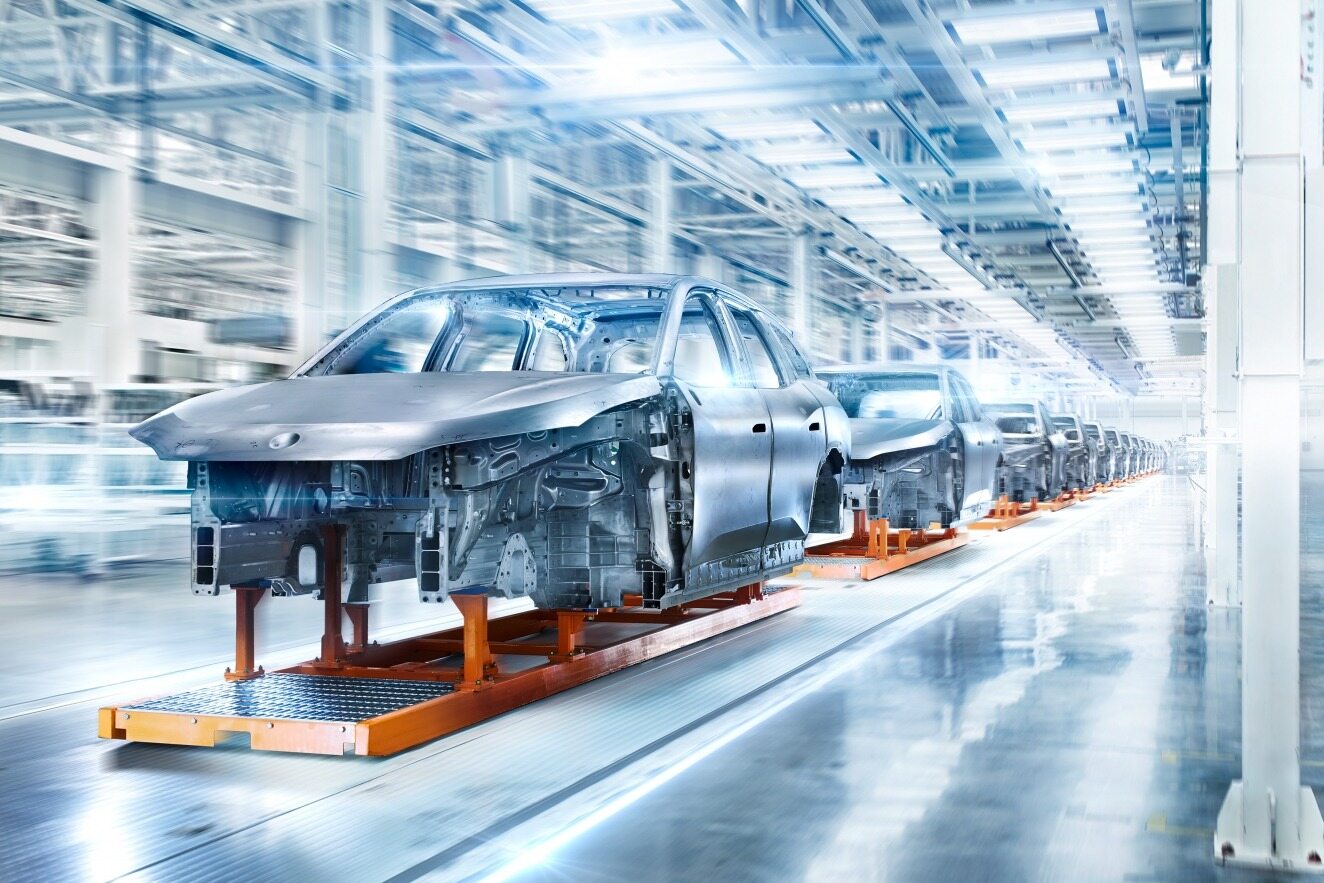
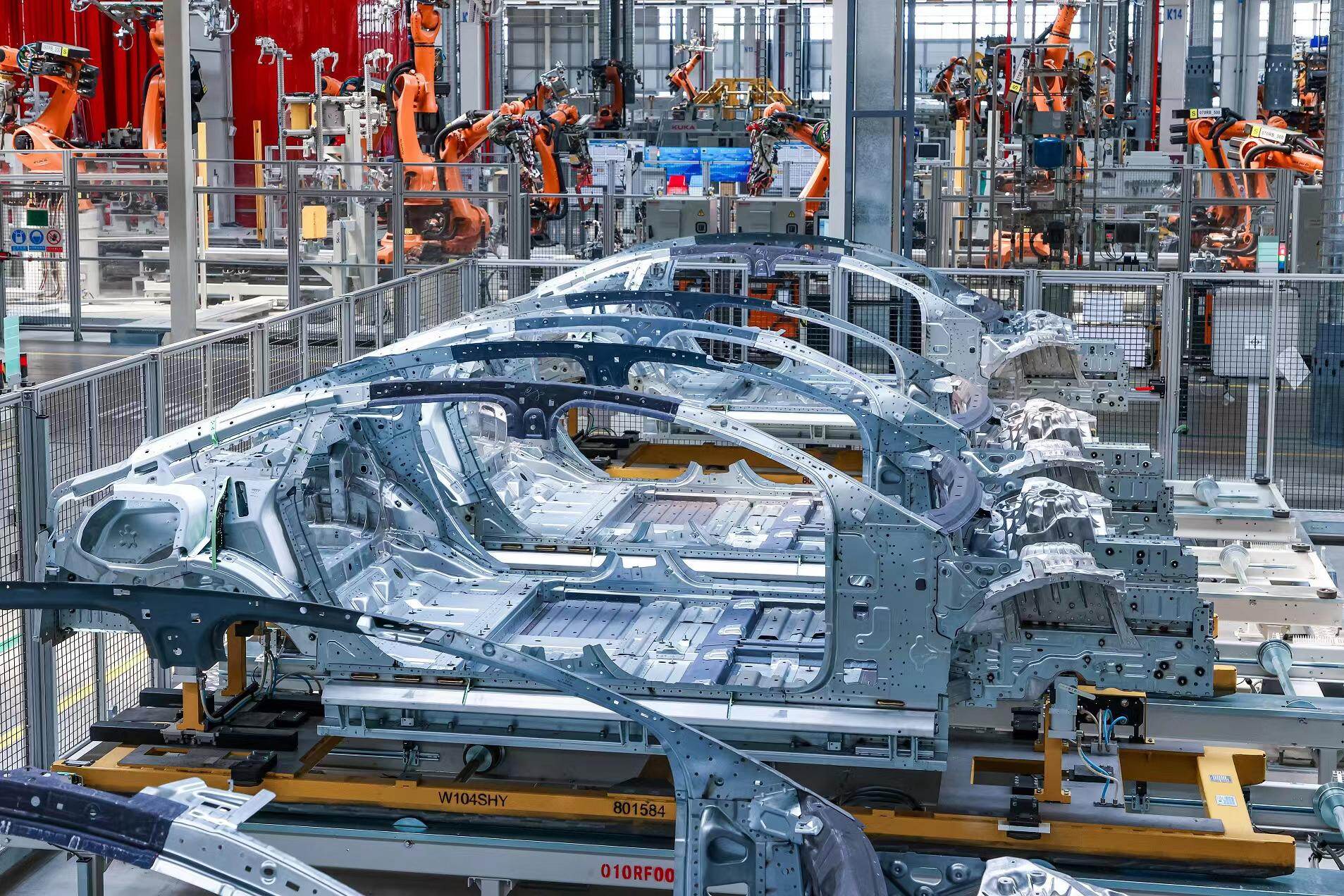
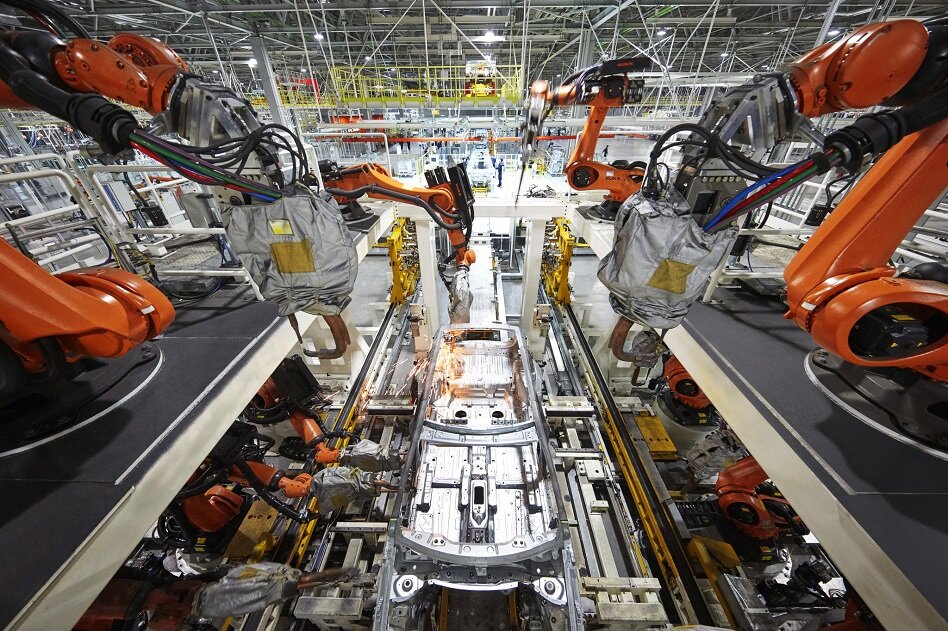
On the morning of February 24, 2026, workers wrapped in thick coats lined in at the entrance of a car factory in Kustanay, Kazakhstan. Inside the factory, the robotic arm swings rhythmically, welding sparks splatter everywhere, and brand new cars gradually take shape on the assembly line. This scene is happening simultaneously in 11 automobile manufacturing factories across Kazakhstan.
On the morning of that day, Anar Makasheva, the chairman of the Kazakhstan Automobile Federation, disclosed an exciting set of data to the media: the national automobile production will exceed 171000 units by 2025, an increase of 26000 units from the previous year; What is even more astonishing is that the number of employees in the industry has skyrocketed from 6875 in 2024 to 11169, an increase of 62% in one year. Behind these numbers is a vivid epitome of a traditional energy powerhouse transforming into a modern industrial powerhouse.
Relay race of 11+1 factories
From Ust Kamenogorsk in the east to Uralsk in the west, the wave of automobile manufacturing is spreading throughout Kazakhstan.
At the press conference on February 24, 2026, Makasheva gave a detailed introduction to the latest developments in the industry: currently, there are 11 automobile manufacturing factories in stable operation throughout the country, covering all categories of vehicles such as passenger cars, trucks, and buses. These factories have delivered an impressive performance in 2025, with a total annual output of 171000 vehicles, continuing the sustained growth trend in recent years.
What is even more worth looking forward to is that the twelfth factory has entered the countdown to production. The addition of this new factory will inject new production capacity into Kazakhstan's automotive industry. Based on the current strong development momentum, Makasheva predicts that the national automobile production is expected to exceed 209000 units by 2026.
At the factory in Kustana, Kazakhstani worker Aibek told reporters on the production line: Three years ago, this was still a barren land, but now hundreds of cars are being produced every day. We not only learned the technology, but also learned how to create world-class cars.
Acceleration of adding 4000 new positions in one year
More remarkable than the increase in production is the strong driving force of the automotive industry on employment.
Makasheva used a set of comparative data at the press conference to illustrate the explosive power of the industry: in 2024, the number of employees in automobile manufacturing enterprises was 6875, and by the end of 2025, it had soared to 11169, with a net increase of 4294 job positions and an annual growth rate of up to 62%. This growth rate far exceeds other manufacturing sectors in Kazakhstan.
At a car parts factory in Almaty, Axieli, a young female worker who has only been employed for six months, told reporters: I used to work as a salesperson in a shopping mall, and my income was unstable. Now I have entered the automobile factory, received a fixed salary, and learned welding techniques. There are still many young people like me in the factory, and everyone feels that there is a direction here.
The quality of employment is also improving synchronously. With international car manufacturers from China, Europe, and other countries entering Kazakhstan to set up factories, local employees have the opportunity to be exposed to modern production management systems. Many factories cooperate with vocational and technical schools to carry out targeted training, allowing young people to directly enter the production line from school and achieve employment upon graduation.
The upgrade path from assembly to manufacturing
Production growth and employment expansion are only superficial, deeper changes are happening within Kazakhstan's automotive industry.
At an industry forum held in the capital Astana, several experts pointed out that Kazakhstan's automotive industry is undergoing a transformation and upgrading from simple assembly to full industry chain manufacturing. In the past, we mainly relied on imported components for assembly, but now more and more local component companies are rising. The supporting industries such as tires, glass, and seats are gradually landing, and the localization rate of the industrial chain continues to increase.
In February 2026, a newly completed engine factory in East Kazakhstan Oblast was officially put into operation, marking a crucial step for this Central Asian country in the manufacturing of core automotive components. The factory is a joint venture between Kazakhstan and foreign car companies, with an initial annual production capacity of 50000 units, and will supply the local and surrounding markets.
According to data from the Kazakhstan Automobile Federation, as the industrial chain continues to improve, the driving effect of the automotive industry on upstream raw materials and downstream sales and services is becoming apparent. Each automobile manufacturing position can generate 2.5 job opportunities in the related industry chain. According to this calculation, the current indirect employment opportunities driven by the automotive industry have exceeded 25000.
Makasheva emphasized at the end of the press conference that our goal is not only to produce more cars, but also to establish an internationally competitive automotive industry system. From the 11th factory to the 12th, from 17000 to 200000 vehicles, Kazakhstan is writing its own industrial legend with practical work in the workshop. Keywords: Feature News Network, Feature News Information
On February 24, 2026, when this report card was made public, the world saw a Kazakhstan accelerating its pace. On this vast land of Central Asia, the engines of the automotive industry are already roaring, while the road ahead has just begun to unfold.Editor/Gao Xue
Comment

 Praise
 Collect
 Comment

 Share
Share


Write something~