 Search


- 150 customized locomotives for the Simandou project will boost exports to over 100 million tons by 2027
- Although the government holds less than 15% of the shares, taxation and resource dividends are becoming key levers for national development
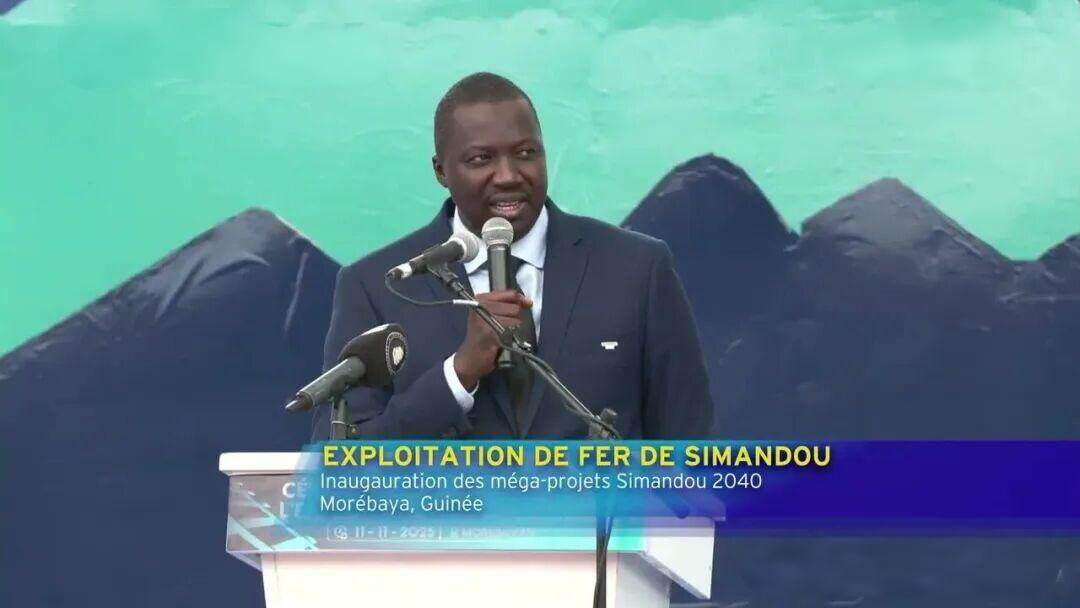
On April 16, 2026 local time, Mamoudou Nagnalen Barry, Chairman of the Board of Directors of the Simandou Project and the Trans Guinea Railway Company, revealed at a special press conference held in Conakry that the export volume of iron ore from the project has exceeded 2 million tons and is striving to reach the annual export target of 100 million tons through large-scale locomotive delivery. As the most ambitious logistics project on the African continent, Simandou is attempting to break geographical limitations through heavy asset investment.
Customize 100 locomotives as needed
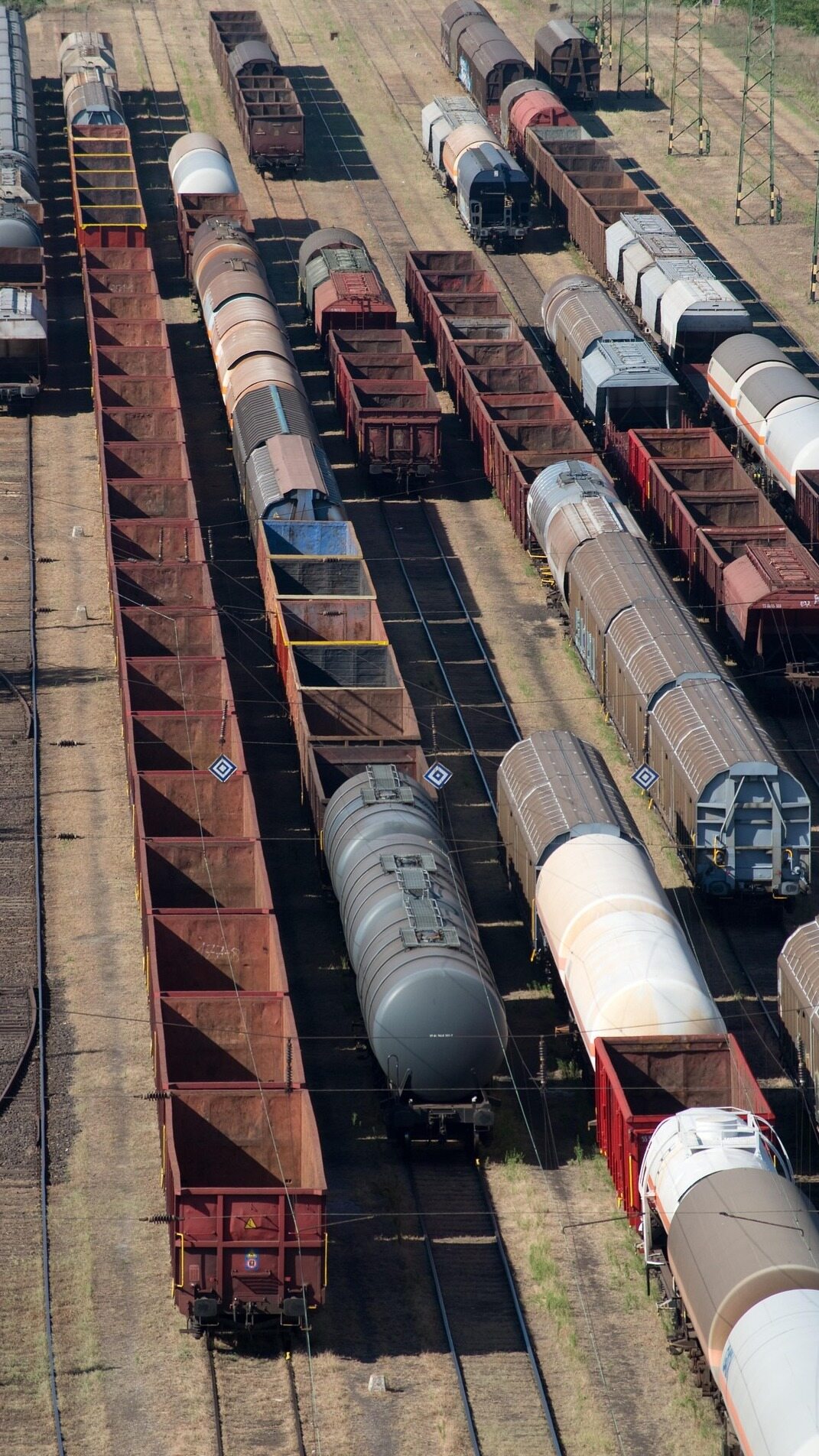
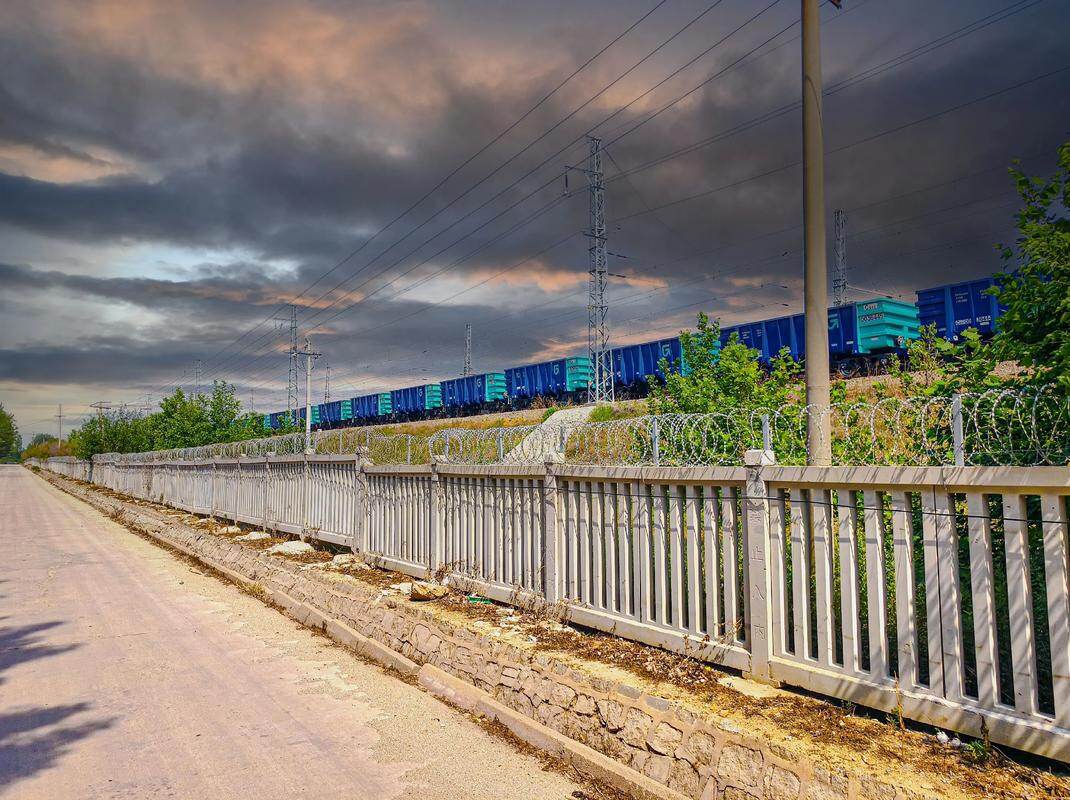
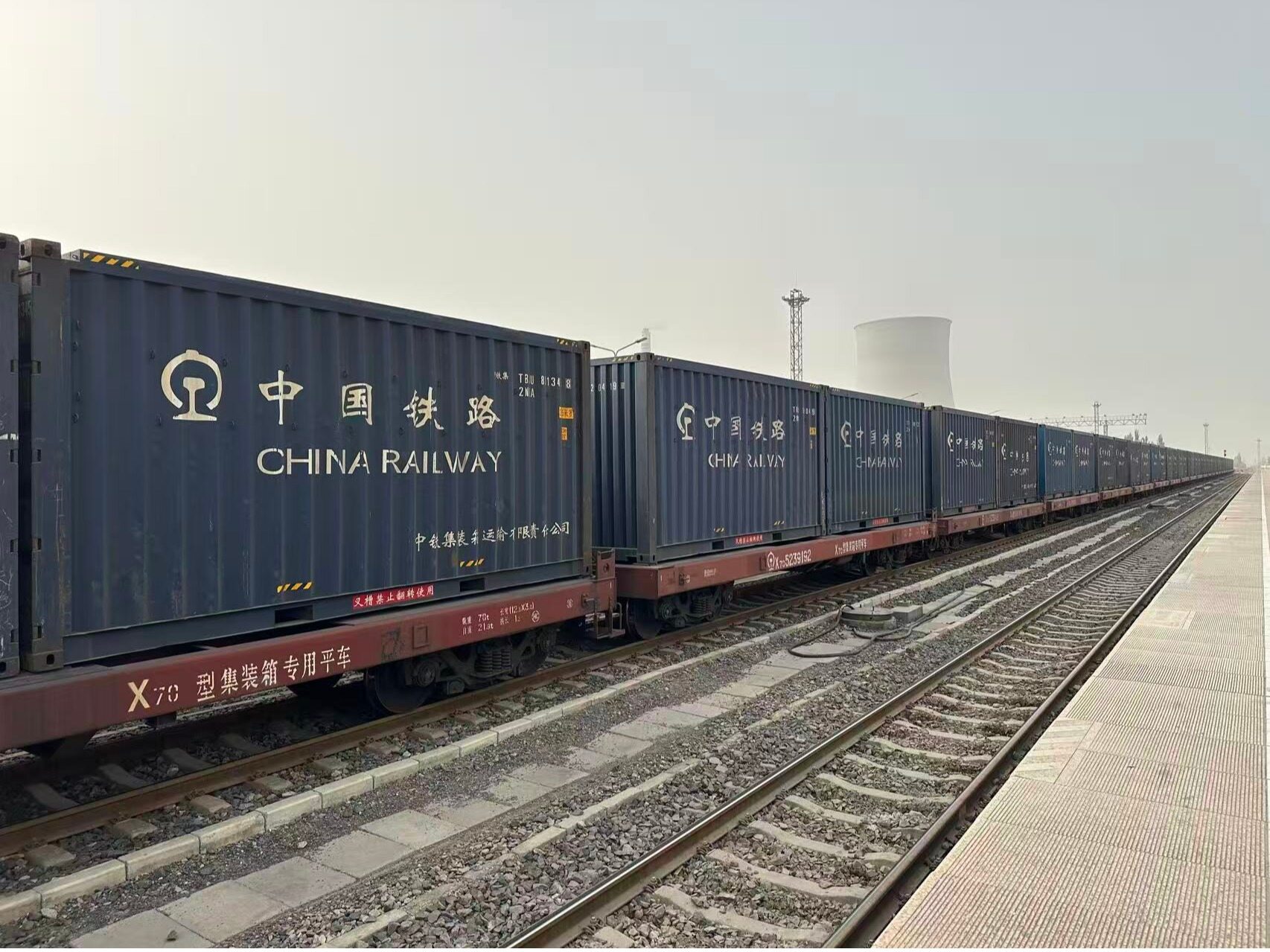
Barry emphasized that railway capacity is the core variable that constrains the project. To achieve the annual export target of 120 million tons, the project party needs to equip about 150 high-power locomotives and over 7000 railway freight cars. He pointed out that locomotive procurement is not a spot transaction, but rather an aircraft manufacturing model similar to Boeing or Airbus, which involves scheduling production based on orders. At present, this batch of equipment with a single unit cost of billions of Guinean francs is being delivered in batches.
With the continuous arrival of new car skins, the export capacity of the project has shown exponential growth. Barry confirmed that the current export volume has not only exceeded 2 million tons, but the actual transportation volume has also reached more than twice that number. CTG stated in its operational forecast that the company is currently in a period of capacity ramp up. With the full delivery of 7000 trucks, the export volume will rapidly exceed hundreds of millions of tons next year, gradually approaching the design capacity limit.
The dual dividend of taxation and resources
In addition to commercial benefits, the Simandou project has become a key lever for Guinea's national finances. Barry revealed that although the government holds less than 15% of the shares in the project entity, the state obtains triple benefits through dividends, taxes, and resource ownership. In addition to the 18 million tons of mineral resources reserves owned by the state, every ton of ore transported abroad is required to pay mining tax, and the personal income tax of thousands of employees in the project is also directly included in the national treasury. Keywords: international news, export of goods
These funds are regarded as the cornerstone of national development. Barry stated that tax revenue will be dedicated to infrastructure construction and economic diversification reforms, enabling Guinea not only to be a resource exporting country but also to transport other goods through the radiation effect of the railway network, thereby activating a wider range of industrial projects. With the release of production capacity, Simandou is expected to contribute significantly to Guinea's GDP over the next five years.Editor/Cheng Liting
Comment


 Praise
 Collect
 Comment

 Share
Share


Write something~