 Search


- On April 13, 2026, the International Renewable Energy Agency released an energy security policy advisory report
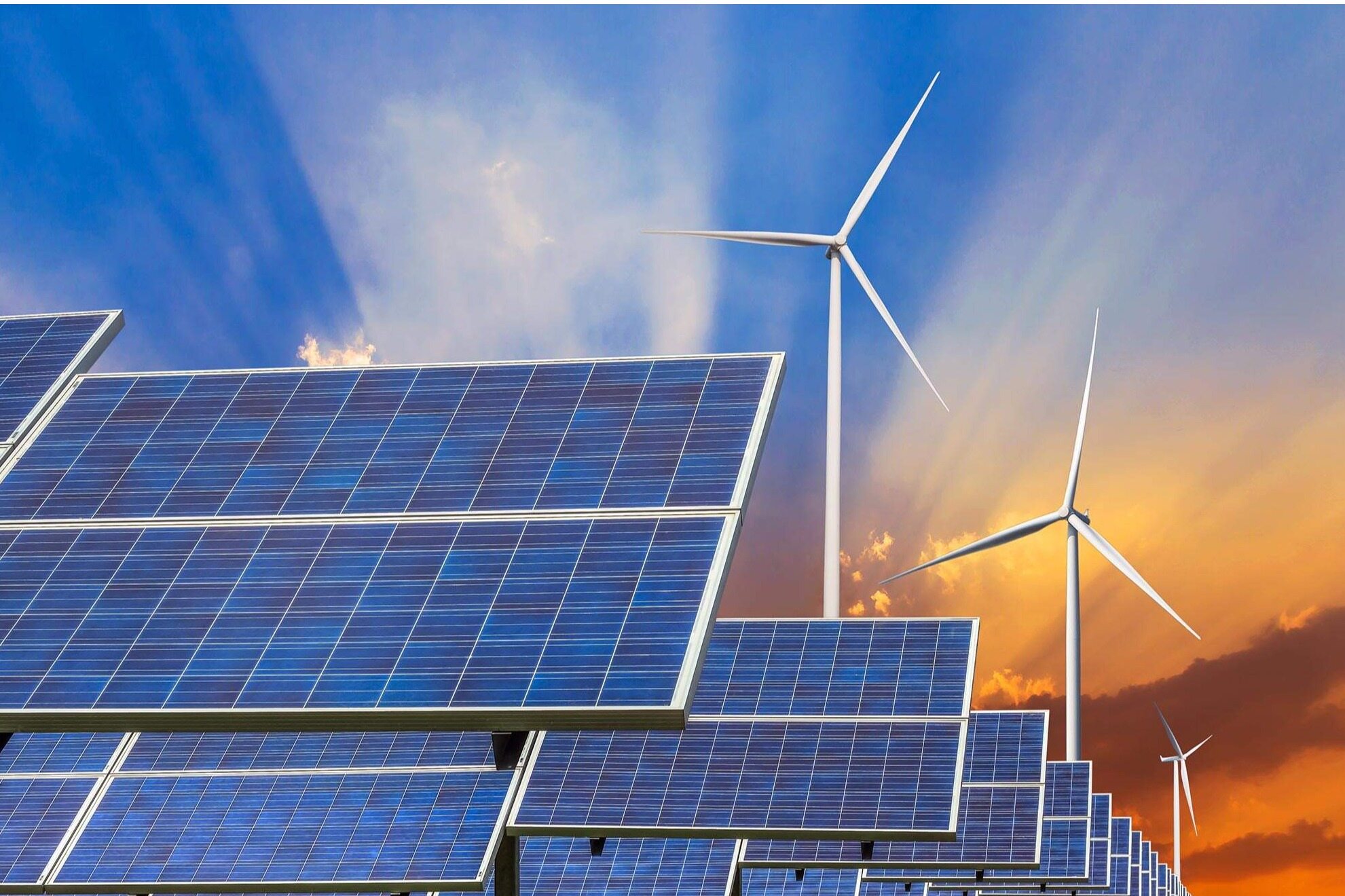
Recently, a consultation report for global policy makers was officially released at the headquarters of the International Renewable Energy Agency in Abu Dhabi. When the Middle East conflict once again pushed up oil and gas prices, and European electricity prices fluctuated violently with natural gas, IRENA Director General Lakamera wrote a judgment in the preface of the report: renewable energy has been upgraded from a climate option to a security necessity.
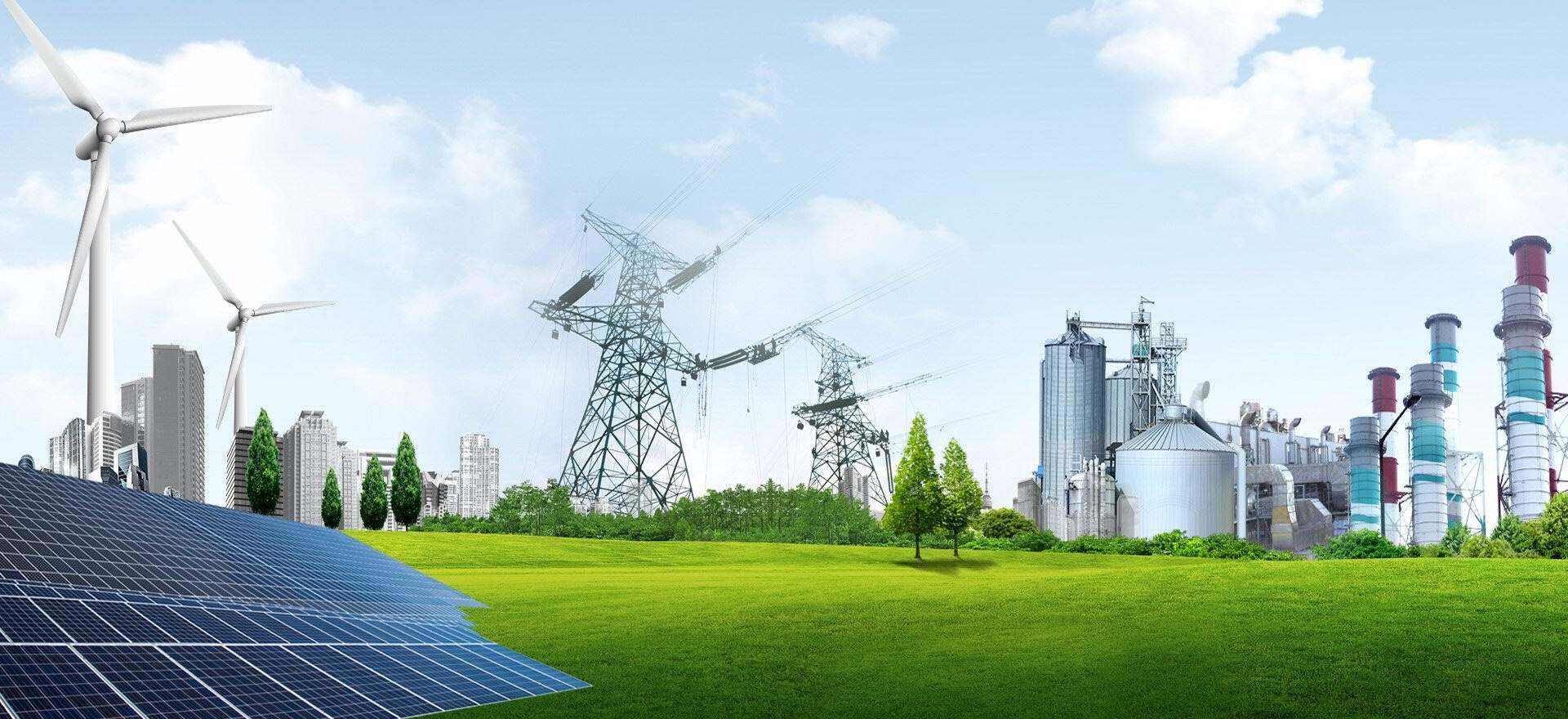
The cost of wind and solar energy storage is comprehensively crushing fossil fuels
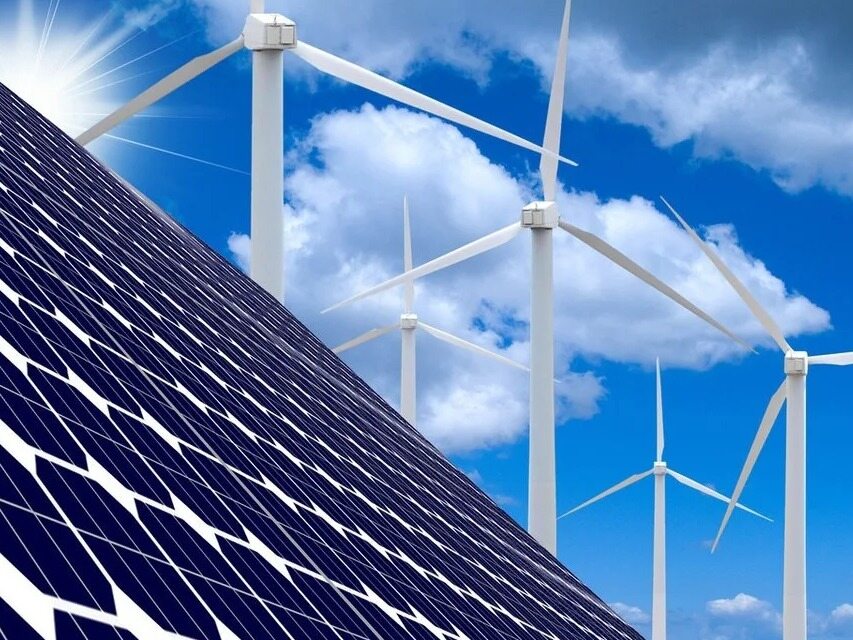
The report reveals a set of price curves: since 2010, the cost of solar power generation has decreased by 87%, onshore wind power has decreased by 55%, and battery energy storage has decreased by as much as 93%. The all-weather stable power supply cost after wind and solar energy storage has been reduced compared to the vast majority of fossil fuel power generation schemes. By 2025, 692 gigawatts of renewable energy will be installed globally, with over 85% of the new green electricity being cheaper than fossil fuels.
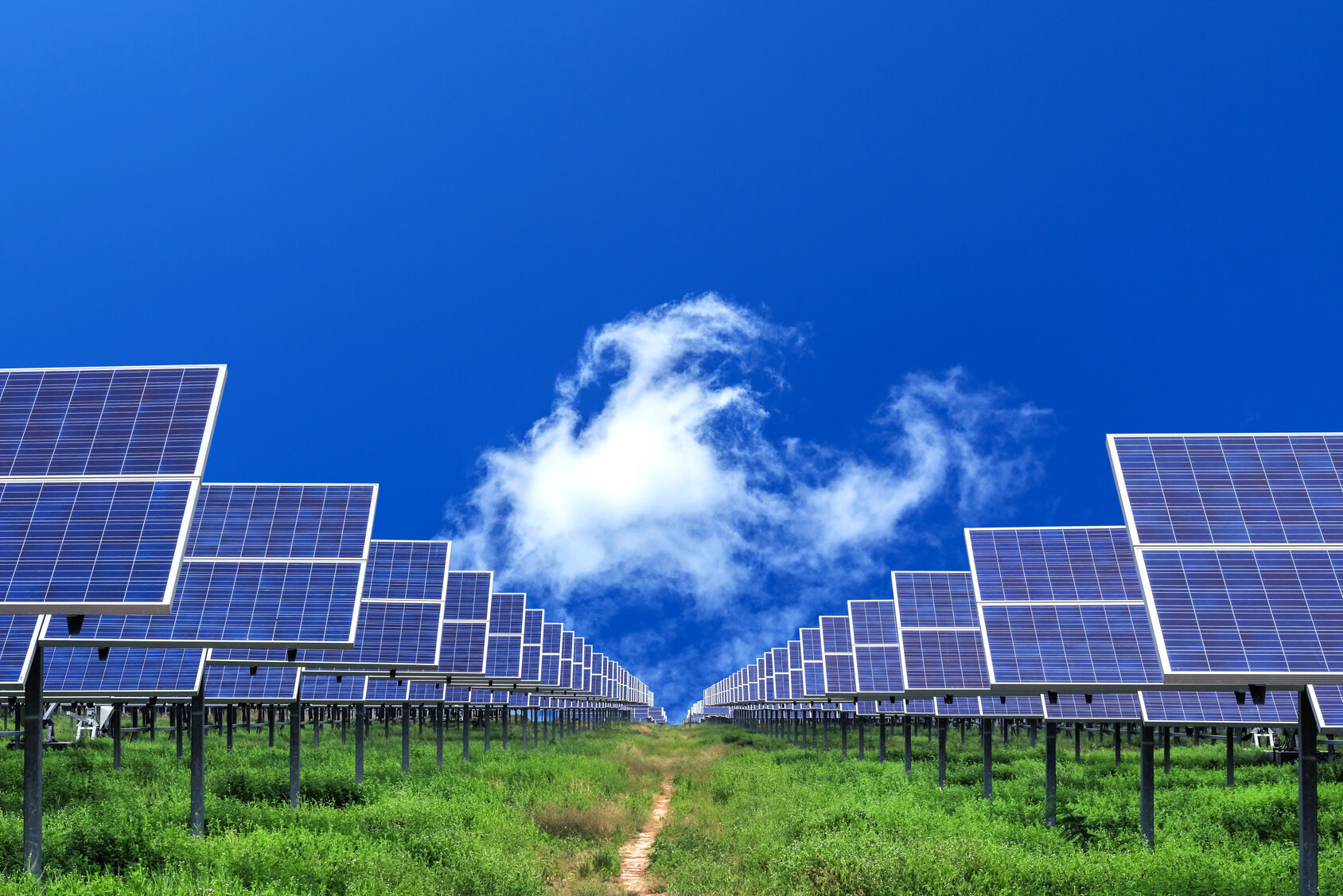
Resilience samples of China, India, Spain, and Portugal
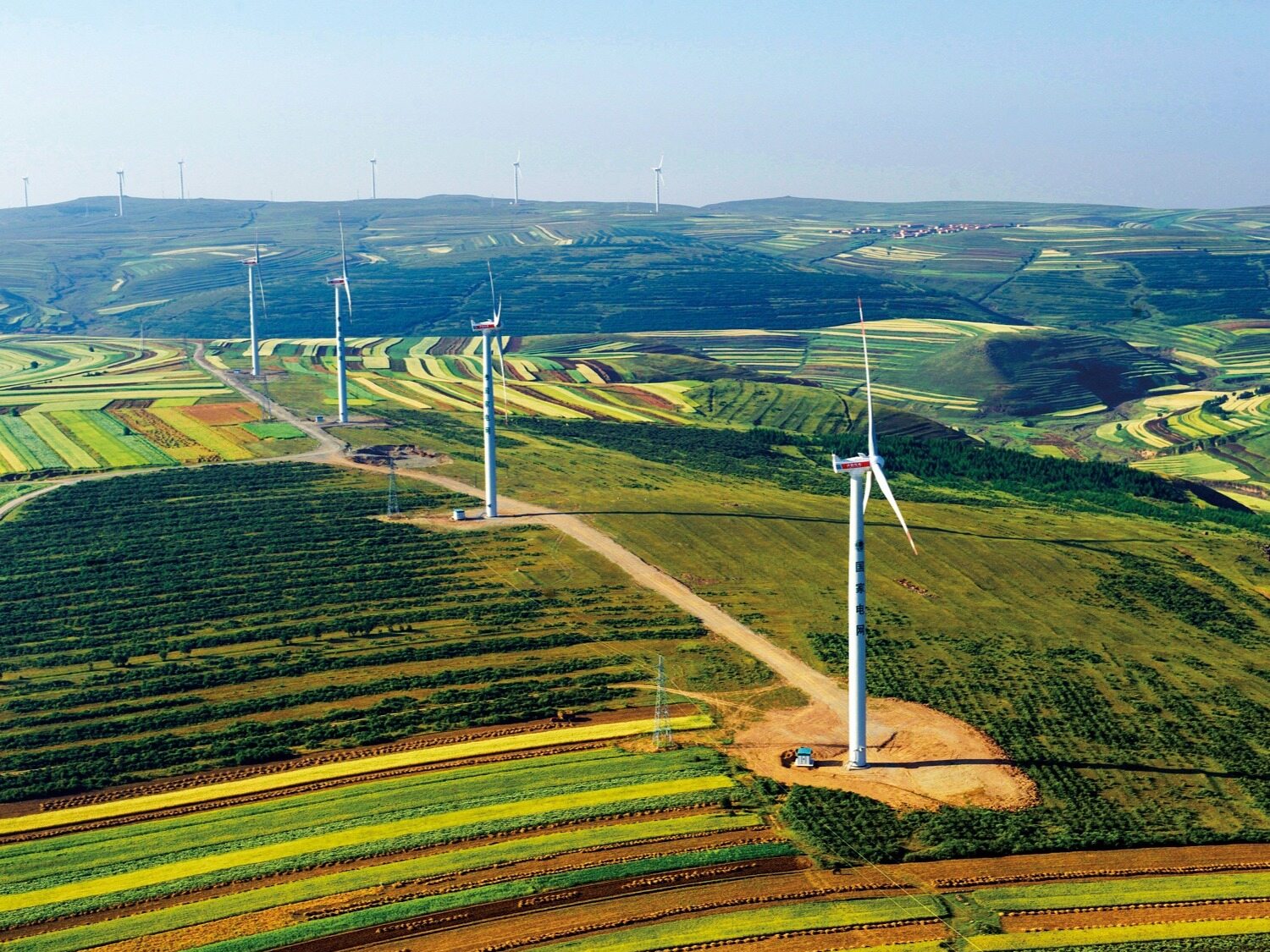
Spain, Portugal, China, India, and Pakistan were reported as typical samples. These countries have significantly reduced their rigid dependence on imported oil and gas by deploying wind and solar power on a large scale. When international energy prices fluctuate sharply, local renewable energy serves as a buffer. By 2025, China's newly added renewable energy installed capacity will account for over 70% of the global increase, while India's photovoltaic installed capacity will exceed 100 gigawatts. The two countries' power systems are narrowing their exposure to external fuels. Keywords: Strategic News Network, Renewable Energy
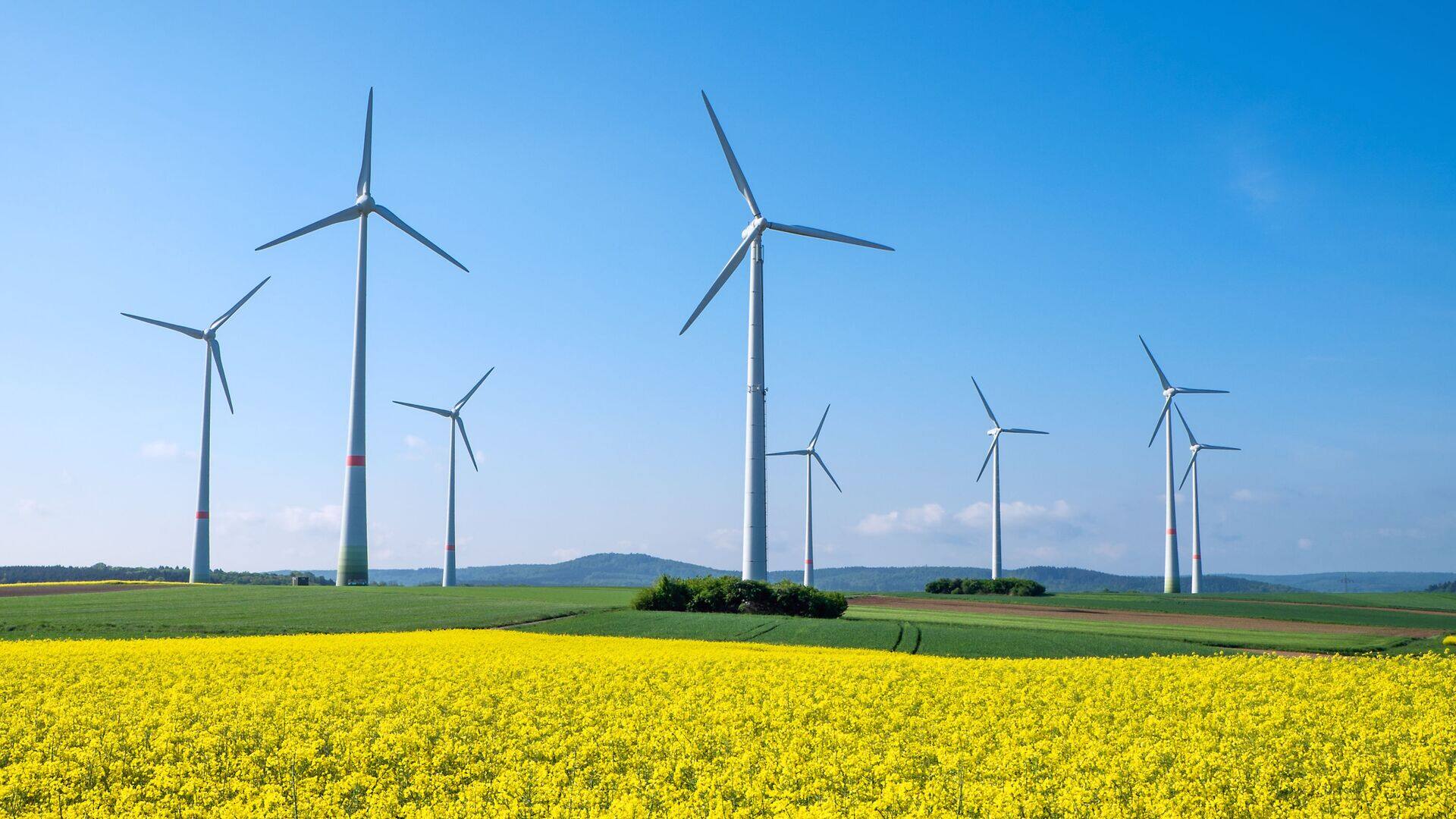
Three stage action roadmap released
The report provides three short, medium, and long-term prescriptions. Recently, efforts have been made to promote distributed photovoltaics and time of use electricity prices, guiding users to use electricity according to the pace of green power supply; Mid term focus on upgrading the power grid and expanding energy storage capacity to enhance the system's resilience in absorbing wind and solar fluctuations; Long term demand to embed electrification goals into national development plans and strengthen local supply chains. Specific measures such as electrification of two wheeled tricycles, photovoltaic microgrids for remote areas, and industrial heat pumps replacing gas boilers have been calibrated one by one. When the energy crisis turns from occasional to normal, renewable energy is no longer an option, but a mandatory question.Editor/Gao Xue
Comment



 Praise
 Collect
 Comment

 Share
Share


Write something~