 Search


- The worsening situation in Iran will force Central Asian logistics to shift towards the trans Caspian international transportation line

In an office on the outskirts of Bishkek, logistics expert Andrei Belov is closely watching the global shipping map on the screen. On the map, the previously busy area of the Strait of Hormuz has been marked with a glaring red warning. Just yesterday, news of the death of Iran's Supreme Leader Ayatollah Khamenei in the US Israel attack came, and this expert who has been traveling along the Silk Road for years is keenly aware that a logistics storm sweeping through Central Asia is about to come.
"The Strait of Hormuz is not only the throat of global energy, but also the 'lifeline' of Kyrgyzstan connecting Europe and Türkiye." Belov said anxiously in an interview with the Bishkek Evening News, "Once this channel is cut off, our logistics system will face serious challenges."
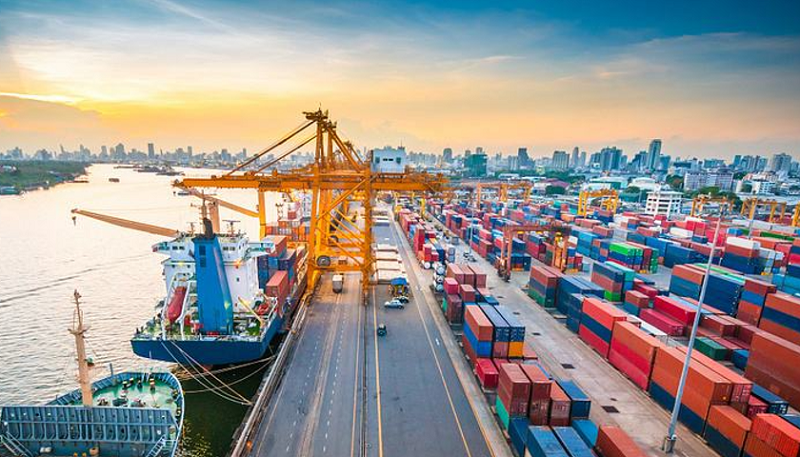
The European commodity channel is facing a disruption
Belov pointed out that the current core risks are concentrated in the waters of the Strait of Hormuz. Iran is a key channel for Kyrgyzstan to import European goods, and European goods are usually transported to Kyrgyzstan through the port of Abbas. At the same time, all trade between Kyrgyzstan and Türkiye also needs to pass through Iran. Although this part of the cargo flow may not account for the highest proportion in the total import and export volume of Kyrgyzstan, once transportation within Iran is blocked, it will bring chaos to the existing mature road freight system.
The deterioration of the situation in Iran means that our traditional 'westward' route may be completely blocked, "Belov analyzed." This will not only affect the supply of goods, but also push up logistics costs, which will ultimately be passed on to consumers
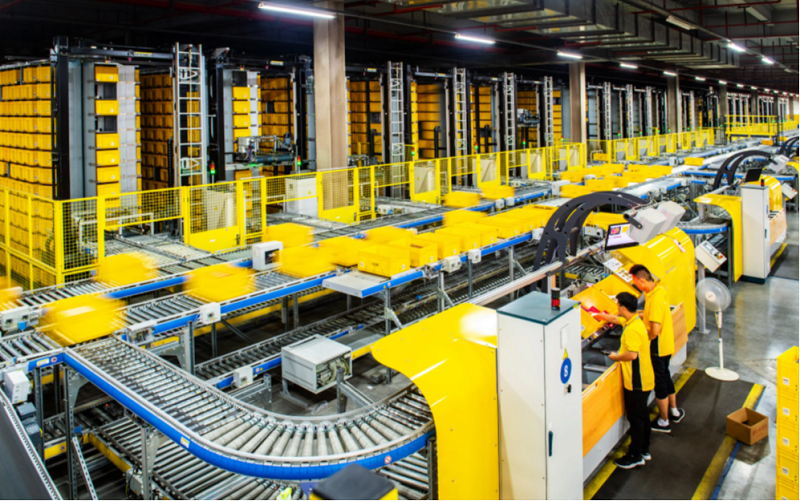
Can the cross mile sea transportation line save the site?
In this context, the importance of the trans Caspian international transportation line (from Turkmenbashi Port to Aliyat Port) will be highlighted. This route bypasses Iran and is considered an alternative solution. But Belov is not optimistic about this.
The transportation capacity of the Trans Caspian Sea route is limited by port throughput, the size of the Caspian Sea freight fleet, and the aging technical conditions, "explained Belov." Old ships directly affect the cost and efficiency of maritime transportation. Currently, this route is difficult to completely replace the original Iran channel and can only be used as an emergency supplement
He predicts that the rules for road freight transportation in the Kyrgyzstan Uzbekistan Turkmenistan and Kyrgyzstan Kazakhstan Russia directions will be completely changed. Security measures must be comprehensively upgraded, from strict inspection of cargo contents, compliance with international sanctions, to providing armed escorts for freight convoys to prevent them from being hijacked or attacked.
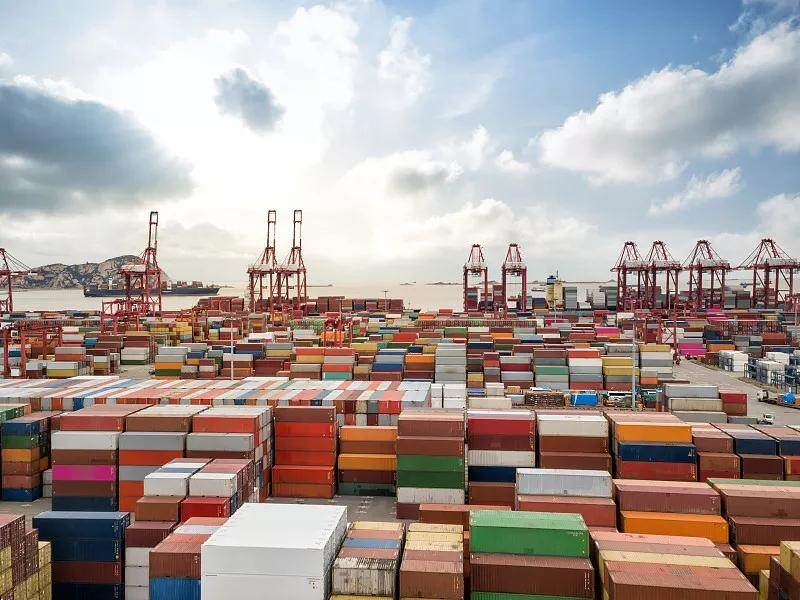
Armed escort under the threat of drones
Experts remind that security threats are not groundless rumors. In just one and a half months of 2026, more than 15 ships worldwide have been arbitrarily detained on the high seas, with their cargo confiscated and crew members detained. In the Caribbean region, even small ships have been directly destroyed under the pretext of "combating drug threats". The destruction of trucks under the pretext of drug trafficking is no longer a science fiction plot.
A prominent feature of the current conflict is the widespread use of drones in various fields. Belov believes that organizing transportation along the Silk Road in 2026 must fully consider such threats. Ensuring security requires two major means: electronic navigation seals for precise tracking, and armed escort convoys composed of rapid response forces.
He cited the situation in the Red Sea as an example: due to attacks by Houthi militants, insurance costs for ships and cargo in the region have skyrocketed to 1% of their total value, forcing a large number of cargo ships to detour around Africa and significantly lengthening their routes.
Finally, Belov emphasized that decisive action must be taken now, especially in areas related to the safety of freight transportation along the Silk Road. The current changes happening in Kyrgyzstan are closely related to the situation in the Middle East. According to the latest news, starting from early March, the regional situation may enter a period of active conflict.
We are standing at a crossroads, "Berov concluded," whether to wait for the crisis to break out or take the initiative to build a new logistics security system will determine the fate of Kyrgyzstan's economic development in the coming yearsEditor/Yang Meiling
Comment




 Praise
 Collect
 Comment

 Share
Share


Write something~