 Search


- Iraq has the world's fifth largest proven oil reserves, but still struggles with power and water shortages
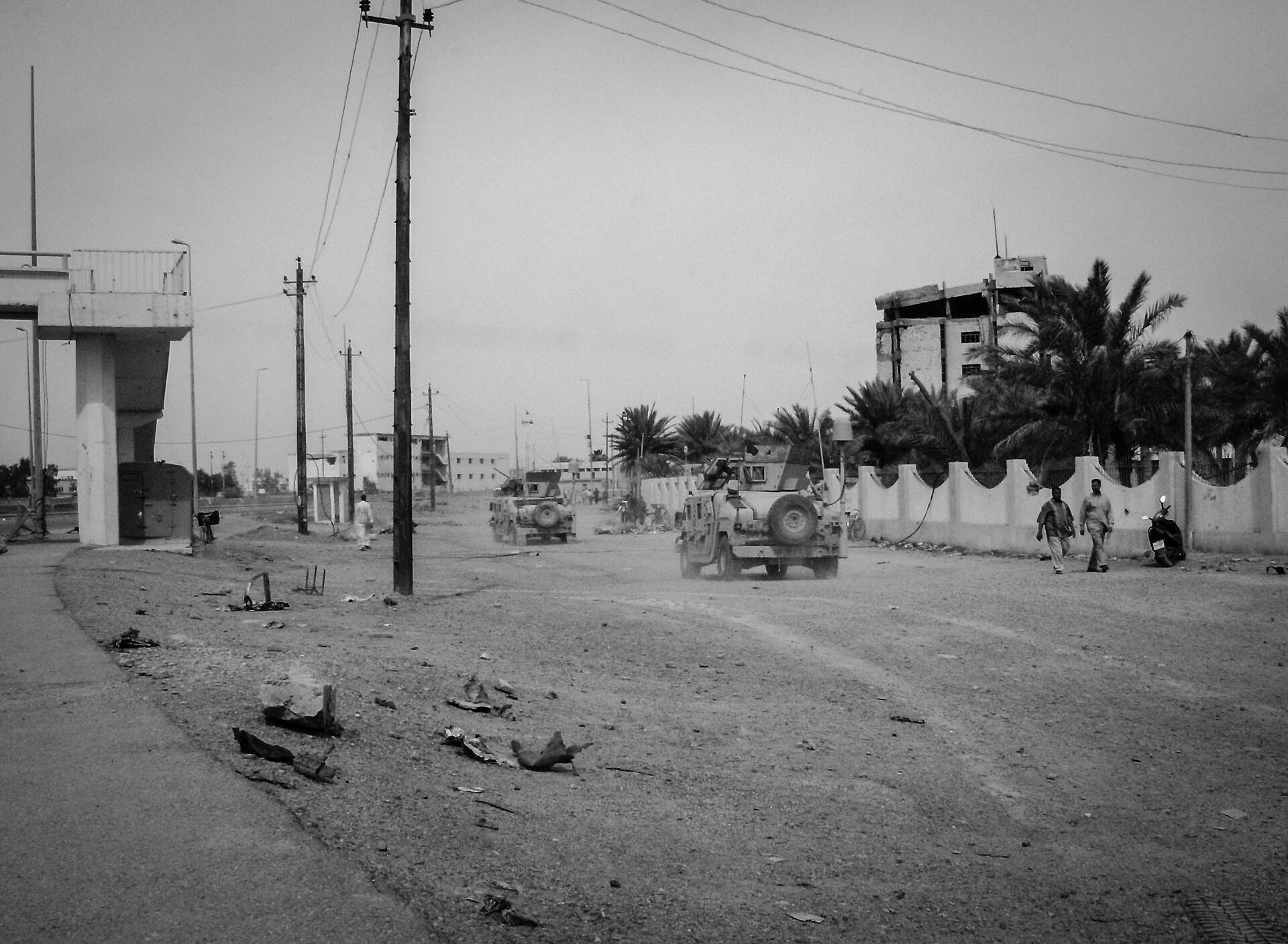
On April 9, 2003, American tanks rolled over the streets of Baghdad and the statue of Saddam Hussein was toppled in front of everyone. At that moment, the world thought that a new Iraq was about to be born. However, 23 years have passed, and when we re-examine this ancient land in the two river basin, what we see is not a prosperous oasis, but a country struggling to navigate through a security vacuum, political fragmentation, and economic singularity. From the ruins of dictatorship to fragile democracy, Iraq's journey of transformation is not only long, but also full of historical paradoxes.
From the centralized iron curtain to the identity maze
The high-pressure rule of Saddam's era has indeed come to an end, but it has been replaced not by a stable national identity, but by political divisions based on sects and ethnic groups. The US led policy of "de Baathification" is like a sharp blade, cutting off the old administrative system but also opening up social wounds. The distribution of power among Shia, Sunni, and Kurdish people based on population ratios, which appears to be a fair quota system, actually turns politics into a zero sum game.
As the leader of the Smart Movement, Fahd al Jabri, has said, the five elections have not bridged the divide, but instead have gradually diluted the identity of the 'Iraqi'. On social media, people no longer discuss public policies, but instead label each other as "agents" or "traitors". When the interests of political groups override national sovereignty, Baghdad's decrees often find it difficult to leave the green zone. This loss of identity is a more difficult internal injury to heal than terrorism.
The historical debt of disbanding the military
If political division is a hidden disease of transformation, then a security vacuum is a fatal trauma. In 2003, Paul Bremer, the interim administrator of the US military in Iraq, ordered the disbandment of 400000 Iraqi troops. This decision was recognized by later military experts as a strategic disaster, pushing hundreds of thousands of trained and armed young adults into opposition to society.
The power vacuum is quickly filled by extremism. From Al Qaeda to ISIS, Iraq once became a battleground for global terrorists. The shame of the government army collapsing without fighting after the fall of Mosul in 2014 remains a shadow in the hearts of the people. Despite the recovery of lost territories with the assistance of international coalition forces and Shia militias, the integrity of security sovereignty remains a question mark. Nowadays, although the People's Mobilization Force has been incorporated into the national armed forces, the ambiguity of its loyalty remains like a sword of Damocles hanging between Tehran and Baghdad. Military expert Ali Muamari warns that if a national security concept that transcends sects cannot be established, historical tragedies are prone to repeat themselves.
The economic backbone under the illusion of prosperity
In the economic field, Iraq is suffering from a serious' Dutch disease '. This country, which has the world's fifth largest proven oil reserves, relies on crude oil exports for over 90% of its fiscal revenue. However, the abundant resources have not been transformed into the driving force of industrialization, but have instead nourished corruption and dependence.
Economic expert Mustafa Faraj pointed out that the open policy did not activate local manufacturing, but instead allowed cheap imported goods to wash away fragile national industries. The excessive expansion of the public sector has absorbed a large number of job seekers who do not create value, while the private sector is struggling to survive in turmoil. Data shows that the youth unemployment rate in Iraq has been hovering at a high level for a long time, and infrastructure such as electricity and water supply still cannot meet basic needs. When shipping in the Strait of Hormuz is blocked due to geopolitical conflicts, the economic lifeline of the entire country is suffocated. This single economic structure makes Iraq almost powerless in the face of global oil price fluctuations and regional crises.
The Carnival of Freedom and the Lack of Responsibility
Iraq, which used to have only one voice, now has hundreds of media organizations. But this explosive growth has not brought about a rational public space, instead exacerbating social divisions. In the wilderness lacking professionalism and regulation, the media has become a loudspeaker for political forces. An unverified fake news is enough to ignite a sectarian conflict within minutes. Media studies professor Haider al Sharal laments that when hate speech replaces fact checking, the media is no longer a defender of society, but a conspirator in chaos.
Unfinished Journey
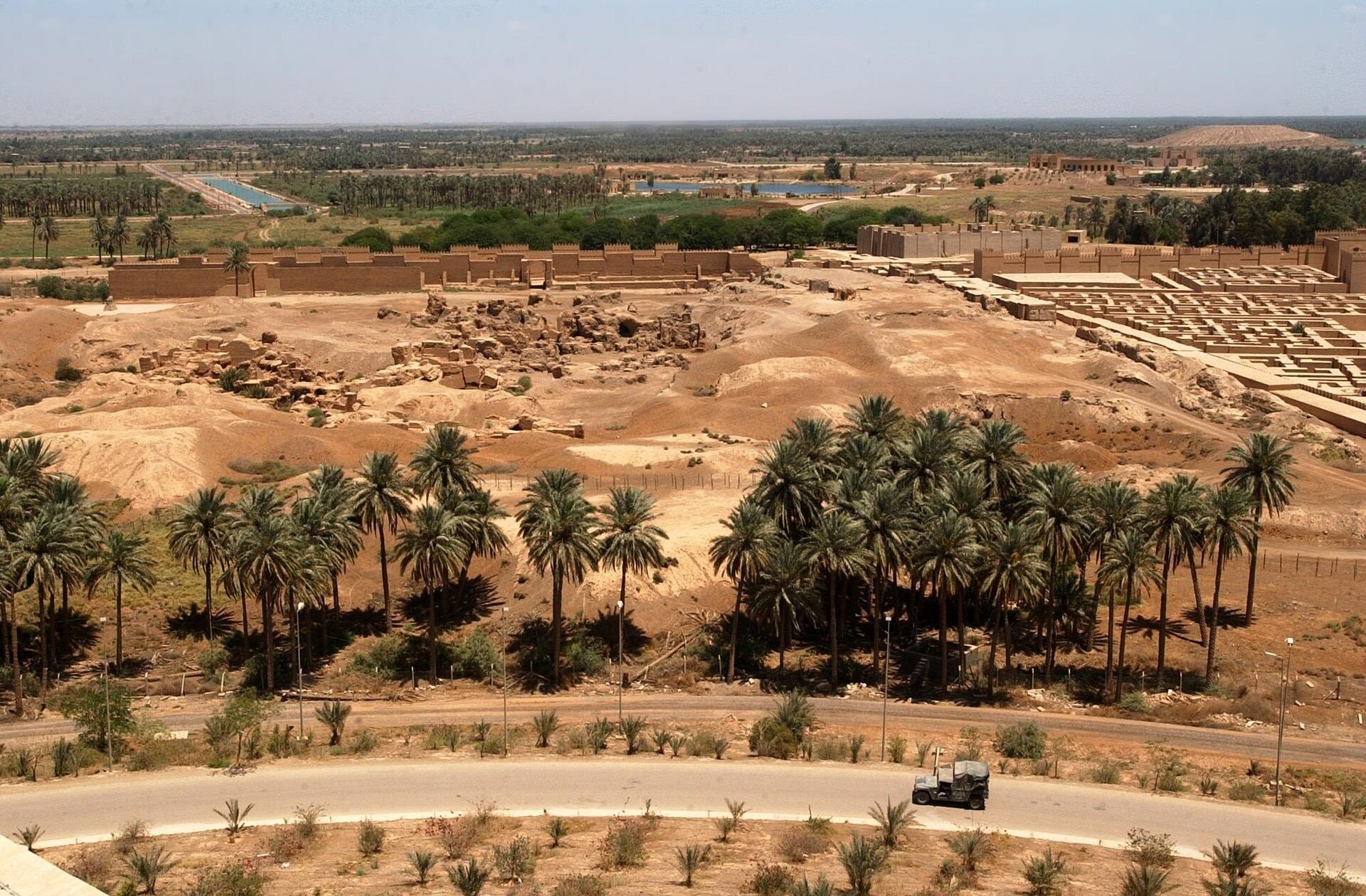
Isam Fili, a professor at Mustansiria University, sees 2003 as the starting point of the New Middle East project, which not only concerns the past but also points to the future. The fall of Saddam Hussein's regime reshaped the geopolitical map of the Middle East, with an impact no less than the Sykes Picot Agreement a hundred years ago. Twenty three years have passed, and Iraq is still searching for the 'beginning' of that revolution. It possesses resources, but lacks the institutional capacity to transform them into national strength; It has elections, but lacks a political culture that fosters consensus.
For Iraq, overthrowing the dictator is just the first line of the prologue, and writing the true chapter of national reconstruction has just begun. This not only requires the accumulation of petrodollars, but also a profound cultural and institutional revolution. Before that, on the ruins of Baghdad, there was still only struggle and no new life to be seen.Editor/Cheng Liting
Comment

 Praise
 Collect
 Comment

 Share
Share


Write something~