 Search


- Under the surface of the Gulf of Guinea, the undercurrent of capital is surging at an unprecedented speed
- When ExxonMobil set its sights on the Owowo deepwater block not far from the coast of Bayelsa state, a $8 billion energy bet had entered the countdown
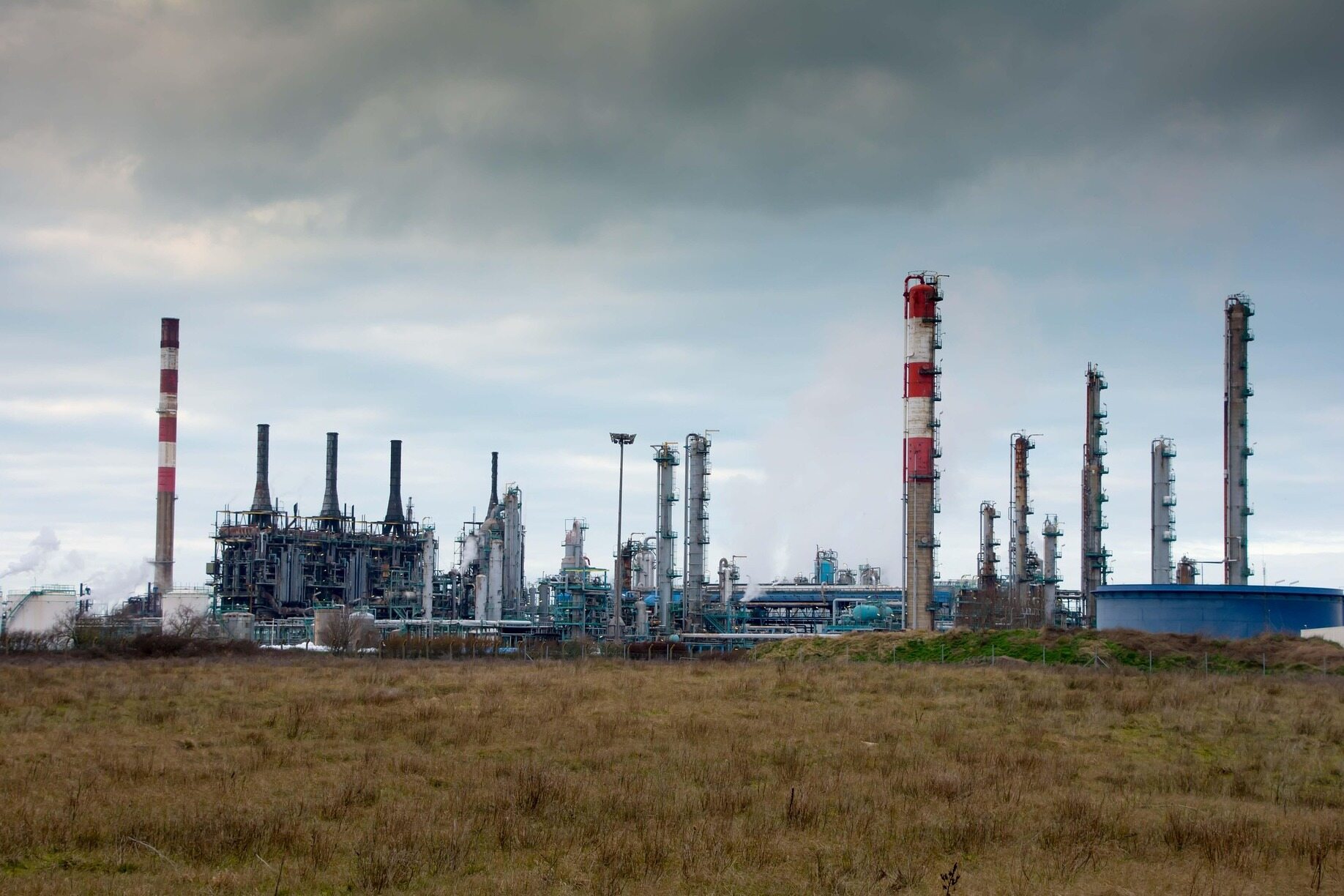
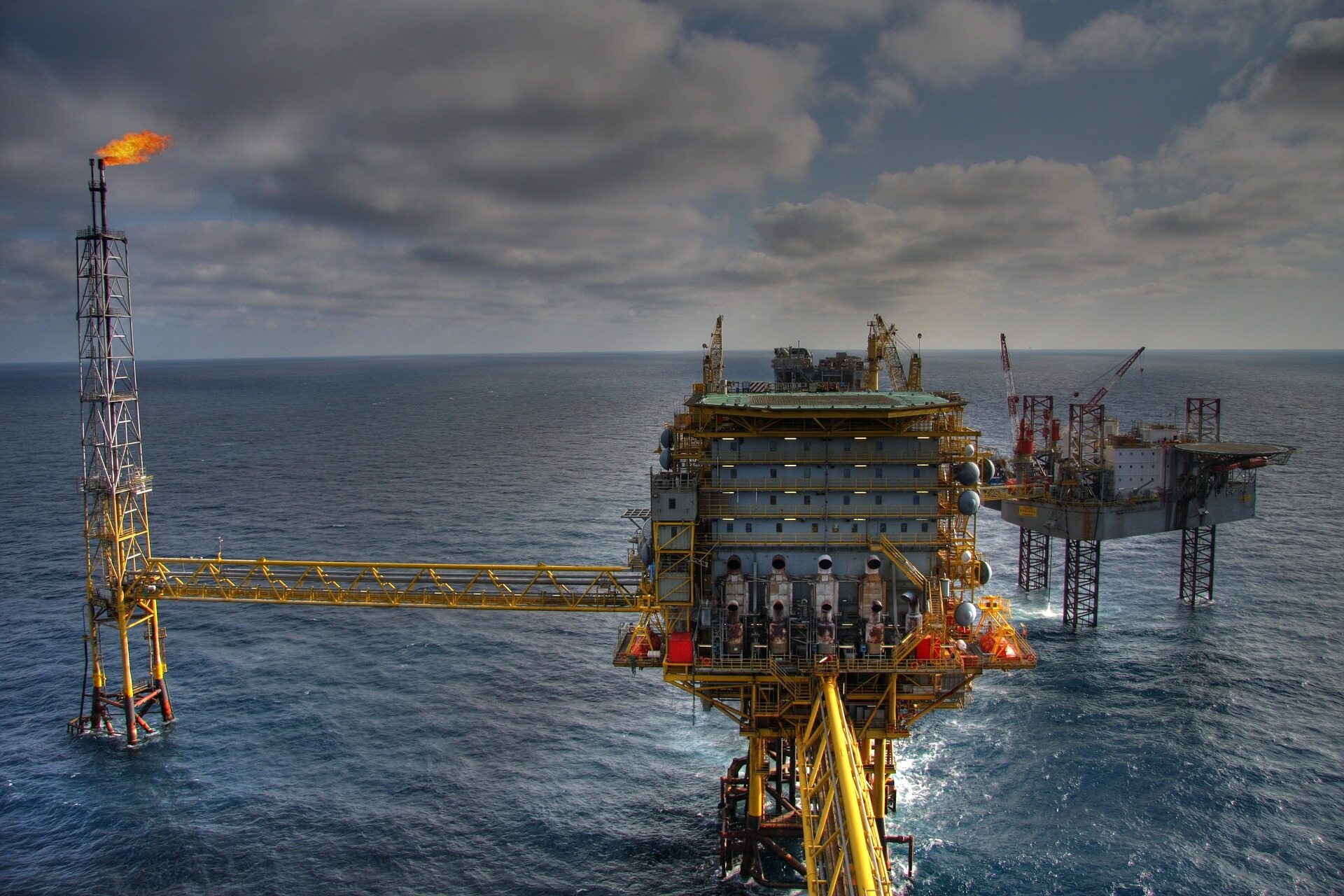
Under the murky yet fertile waters of the Gulf of Guinea, a silent game of energy hegemony is escalating. ExxonMobil not only returned to Nigeria with an $8 billion cheque book, but also attempted to redefine the oil map of West Africa in deep-sea formations not far from the coast of Bayelsa state.
This is no longer a simple capacity expansion, but a carefully calculated strategic breakthrough - as the Owowo deepwater project advances and the Erha oil field extends its lifespan, this American energy giant is trying to use a combination of punches to shatter the stereotype of Nigeria's high-risk investment environment. When the steel giant of floating production, storage, and unloading equipment once again breaks down in the Atlantic, it seems that the second spring of Nigeria's deep waters has really arrived.
Strategic pivot of one billion barrels of reserves
The Owowo project located in OML139 and 154 blocks is by no means an isolated island on the sea. It is adjacent to the Usan oil field to the east and has the potential for Bosi exploration to the west, precisely located at the core node of Nigeria's deep-water oil and gas enrichment zone. ExxonMobil's upstream deepwater business executives revealed in a technical assessment that the project is estimated to have around one billion barrels of recoverable resources, a number sufficient to support stable output for a large deepwater project for up to 20 years.
More importantly, this potential investment of $8 billion is not a blind bet, but a bet on regulatory transparency after the implementation of Nigeria's new Petroleum Industry Act. The company is intensively advancing the preliminary project, with the goal of making the final investment decision by 2027. Once FID is implemented, it will not only be ExxonMobil's largest single investment in the country in a decade, but also the best model for NUPRC to showcase the improvement of the investment environment.

Old trees, new flowers, and dual track strategy
If Owowo is the spear of attack, then Erha oilfield is the shield of defense. By extending PSC until 2042, ExxonMobil has renewed the lifecycle of this 20-year 'Meritorious Oilfield'. As the core cash cow of ExxonMobil's offshore asset portfolio, Erha still maintains steady production to this day, and its FPSO upgrade plan aims to restore the equipment to peak performance through digital operations, which is a typical brownfield investment wisdom. But ExxonMobil's appetite goes far beyond that, its vision has expanded to further development of Usan and new exploration of Bosi. According to industry analysts' calculations, if this series of chain development is launched, it will leverage up to $15 to $16 billion in additional capital expenditures, forming a three-dimensional asset matrix covering deepwater, offshore, and old oil field efficiency improvement.
As the final investment decision for 2027 approaches, ExxonMobil's move in Nigeria is no longer just a commercial activity, but also an endorsement of regional energy security. At a delicate moment when the Nigerian government is eager to boost oil revenue and international capital is watching from the sidelines, the Owowo project is like a domino, and its collapse will determine the capital flow in the deep waters of the Gulf of Guinea over the next decade. Keywords: international situation, oil fields, Nigeria
For ExxonMobil, this is a bold gamble about patience and confidence, while for Nigeria, it may be the last ticket back to the center of the global energy stage.Editor/Cheng Liting
Comment


 Praise
 Collect
 Comment

 Share
Share


Write something~